

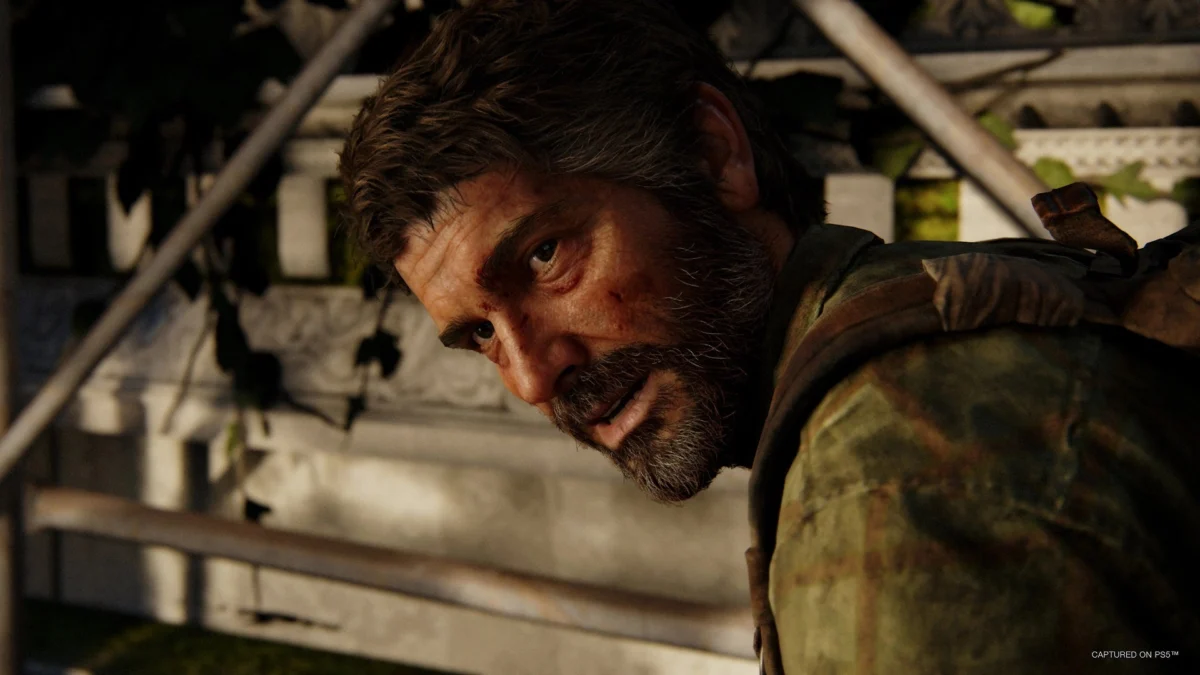
In a move that marks a significant recalibration of its multi-year expansion strategy, Sony Interactive Entertainment (SIE) is reportedly tightening its grip on its high-profile single-player narrative titles. Following a period of aggressive experimentation with the PC market, internal directives suggest that PlayStation is pulling back, aiming to consolidate the value of its blockbuster IPs exclusively within its own ecosystem. However, the door remains firmly open for live-service titles, which Sony continues to view as essential cross-platform ventures.
The Core Revelation: A Strategy in Flux
The industry was set abuzz following revelations from Bloomberg’s Jason Schreier, who reported on insights shared during a recent SIE town hall meeting. According to Schreier, Hermen Hulst, the CEO of Sony Interactive Entertainment’s Business Group, communicated a clear shift in policy to his staff: Sony’s premier single-player experiences are intended to remain PlayStation-exclusive.
The reasoning behind this pivot is multifaceted, rooted in both financial performance and brand strategy. Sources indicate that Sony’s internal assessment of recent PC ports revealed inconsistent returns—some titles failed to generate the revenue margins expected of such high-budget AAA projects. Beyond the balance sheet, there is a growing concern regarding "brand dilution." By keeping their marquee narrative-driven franchises—the likes of God of War, The Last of Us, and Horizon—locked to the PS5, Sony hopes to maximize the perceived value of the hardware and the ecosystem, effectively using these titles as "system sellers" rather than products intended for a wide, platform-agnostic audience.
Chronology: From Expansion to Consolidation
To understand the weight of this decision, one must look at the timeline of PlayStation’s PC ambitions.
The Initial Foray (2020–2022)
For years, PlayStation was synonymous with console exclusivity. However, in 2020, the company surprised the industry by bringing Horizon Zero Dawn to PC. This was framed as a "testing the waters" initiative, intended to introduce PC players to PlayStation franchises with the hope that they would buy a console to experience the sequels. This phase was characterized by long-delayed ports (often two to four years after the console launch) and served primarily as a marketing tool for upcoming console releases.
The Aggressive Expansion (2023–2024)
By 2023, the strategy appeared to shift toward a more aggressive revenue-generation model. The company accelerated its porting pipeline, hiring specialized studios like Nixxes Software to ensure high-quality PC releases. During this time, Sony even toyed with the idea of simultaneous PC/PS5 releases for certain titles—a strategy that now appears to be firmly off the table for their narrative-heavy flagship games.
The Current Correction (Mid-2024)
The recent town hall remarks signal a formal policy reversal. While Sony will likely honor existing commitments or port projects already deep in development, the long-term roadmap for first-party single-player games has been redirected toward a "console-first" philosophy.
Official Responses: Navigating the Nuance
Following the reports of a total retreat from PC, SIE CEO Hideaki Nishino provided clarity in an interview with the Japanese publication Famitsu. His comments serve as the official counter-narrative to the rumor of a complete PC exit.
"We’ve always determined platform selection based on the characteristics of each title," Nishino stated. He emphasized that the company’s decision-making process is not binary but rather driven by the goal of maximizing the "unique features" of a gaming experience.
Nishino carefully drew a line between two distinct categories of software:
- Single-Player Narrative Games: The policy here is one of refinement. Sony intends to focus on the value that the PlayStation ecosystem specifically offers, suggesting that the "PlayStation experience" is tied to the hardware environment, controller features, and curated software delivery.
- Live-Service Titles: For multiplayer and service-based games, the strategy remains unchanged. Nishino noted, "We believe it is important for live-service games to reach a wider audience through online multiplayer, so we continue to view releases on both PS5 and PC as the standard."
This distinction is vital. Live-service games require a massive, stable player base to remain viable—a feat that is often impossible to achieve on a single platform. By launching on both PS5 and PC, Sony ensures the longevity of its multiplayer projects, treating them as service platforms rather than static narrative experiences.
The Competitive Landscape: The Microsoft Parallel
Sony’s hesitation regarding PC exclusivity coincides with a broader industry-wide debate. Microsoft, Sony’s primary competitor, is navigating its own identity crisis regarding exclusivity.
During the Summer Game Fest, Microsoft’s Chief Content Officer, Matt Booty, articulated a "case-by-case" strategy for Xbox titles. Much like Sony, Microsoft has realized that the cost of developing AAA games is skyrocketing, leading to an industry-wide struggle to reach the break-even point on hardware-exclusive sales alone. However, the approaches differ: while Microsoft is leaning heavily into its "Game Pass everywhere" ecosystem, Sony is betting that the premium, exclusive nature of its titles is what keeps the PlayStation brand relevant in an era where high-end PC gaming is becoming more accessible.
Implications: What This Means for Players and Investors
The impact of this policy shift will be felt across several sectors of the gaming industry.
For the Consumer
PC gamers who had hoped for a future where all PlayStation titles would inevitably land on their platform of choice will likely be disappointed. The prospect of waiting years for a port—or never receiving one at all—may push some PC-centric players back toward console ownership if they wish to experience the latest blockbuster titles from Naughty Dog, Santa Monica Studio, or Insomniac.
For the Industry and Investors
Investors have long pressured publishers to embrace the PC market to combat the stagnation of console growth. Sony’s pivot represents a gamble: they are essentially betting that by withholding their best games from PC, they will drive more hardware sales and service subscriptions. If console sales continue to plateau, however, Sony may find itself in a precarious position, leaving significant revenue on the table by ignoring the massive, high-spending demographic of the PC gaming community.
The Future of PlayStation Studios
This shift likely signifies a change in the internal culture of PlayStation Studios. Development teams may no longer need to build for the extreme variability of PC hardware, potentially allowing them to optimize exclusively for the PS5’s architecture. This could lead to games that take better advantage of the console’s specific features—such as the DualSense controller’s haptics or custom SSD architecture—which might have been dampened by the necessity of a cross-platform release.
Conclusion: The "Premium" Strategy
Sony’s decision to bifurcate its strategy—reserving narrative prestige for the console and casting a wide net for live-service titles—is a classic move to protect a high-margin brand. It acknowledges that while the PC market is undeniably profitable, it also poses a risk to the "prestige" factor that has defined the PlayStation brand for decades.
As we look toward the next generation of hardware, the question remains: Can Sony maintain its lead by prioritizing exclusivity, or will the trend of the modern gaming landscape eventually force them to embrace the PC market fully? For now, the message from the top of the organization is clear: the PlayStation console is the center of their universe, and for the biggest single-player epics, it will remain the only place to play.

