

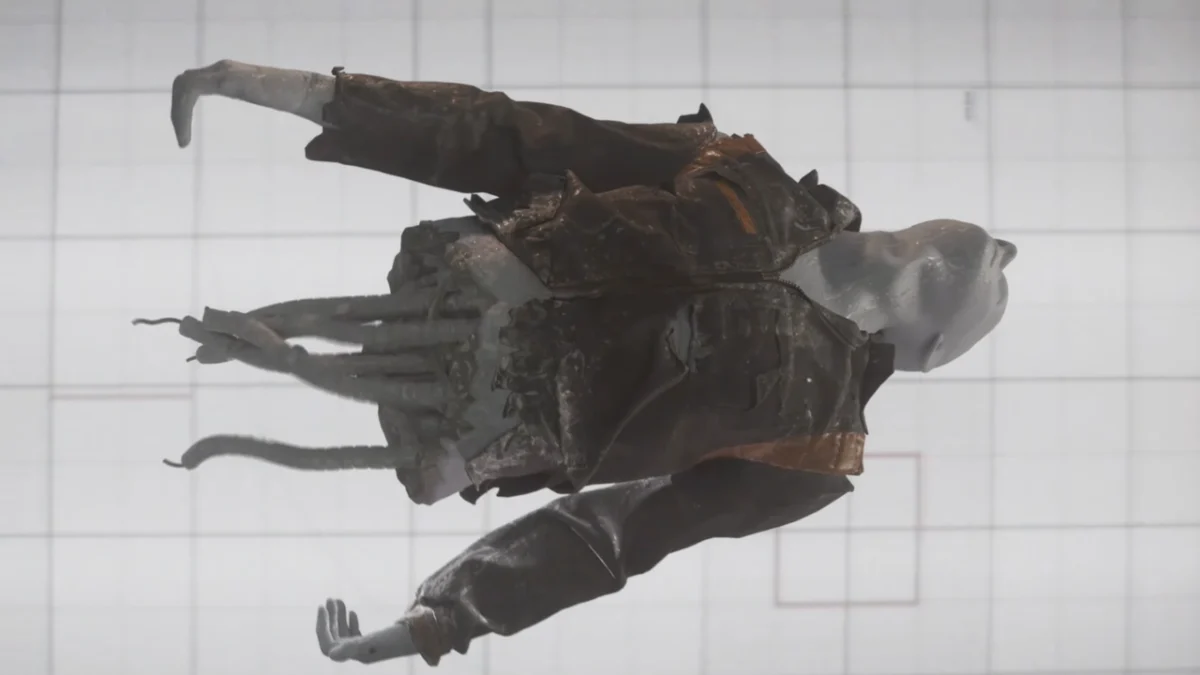
The Xenomorph is, by all biological metrics—or at least, the terrifying ones established by Ridley Scott’s 1979 cinematic masterpiece—the "perfect organism." It is a creature of lethal grace, its anatomy a blend of biomechanical horror and predatory instinct. For over a decade, fans of the 2014 survival-horror classic Alien: Isolation have waited, often with bated breath, for a return to the claustrophobic dread that defined the original experience. At Summer Game Fest 2026, developer Creative Assembly finally unveiled the curtain on Alien: Isolation 2, a title that promises not just to revisit the terror, but to evolve it into something far more systemic, unpredictable, and hauntingly immersive.
The Evolution of Fear: Moving Beyond the Corridor
While the original Alien: Isolation became legendary for its suffocating atmosphere aboard the derelict Sevastopol space station, the sequel is aiming to broaden its horizons—quite literally. Creative Assembly is expanding the play area beyond the cramped, industrial interiors of space vessels, introducing players to a desolate, moonlight-drenched colony planet.
This expansion serves a mechanical purpose beyond mere spectacle. According to Creative Director Al Hope, the shift between interior and exterior environments is designed to toy with the player’s psychological state. "I really love the idea that the player will be in those interiors, and they’ll be feeling trapped and wanting to get out," Hope explains. "Then they manage to escape and get outside, and after that initial rush of success, they start to feel vulnerable and exposed. We get to play with that seesaw of emotion and motivation."
By forcing players into the open, the game strips away the safety of a corner to hide in. The vast, atmospheric landscapes of the colony planet are not merely backdrops; they are dynamic ecosystems that actively hinder the player’s ability to survive.
Chronology of Development: From Classic to Sequel
The journey to Alien: Isolation 2 has been a long one, marked by the enduring legacy of its predecessor.
- 2014: The original Alien: Isolation is released, receiving critical acclaim for its revolutionary "Director AI," which allowed the Xenomorph to learn and adapt to player behaviors rather than following a scripted path.
- 2015–2025: Throughout the decade, the game maintained a cult status as the definitive Alien experience, setting the gold standard for stealth-horror.
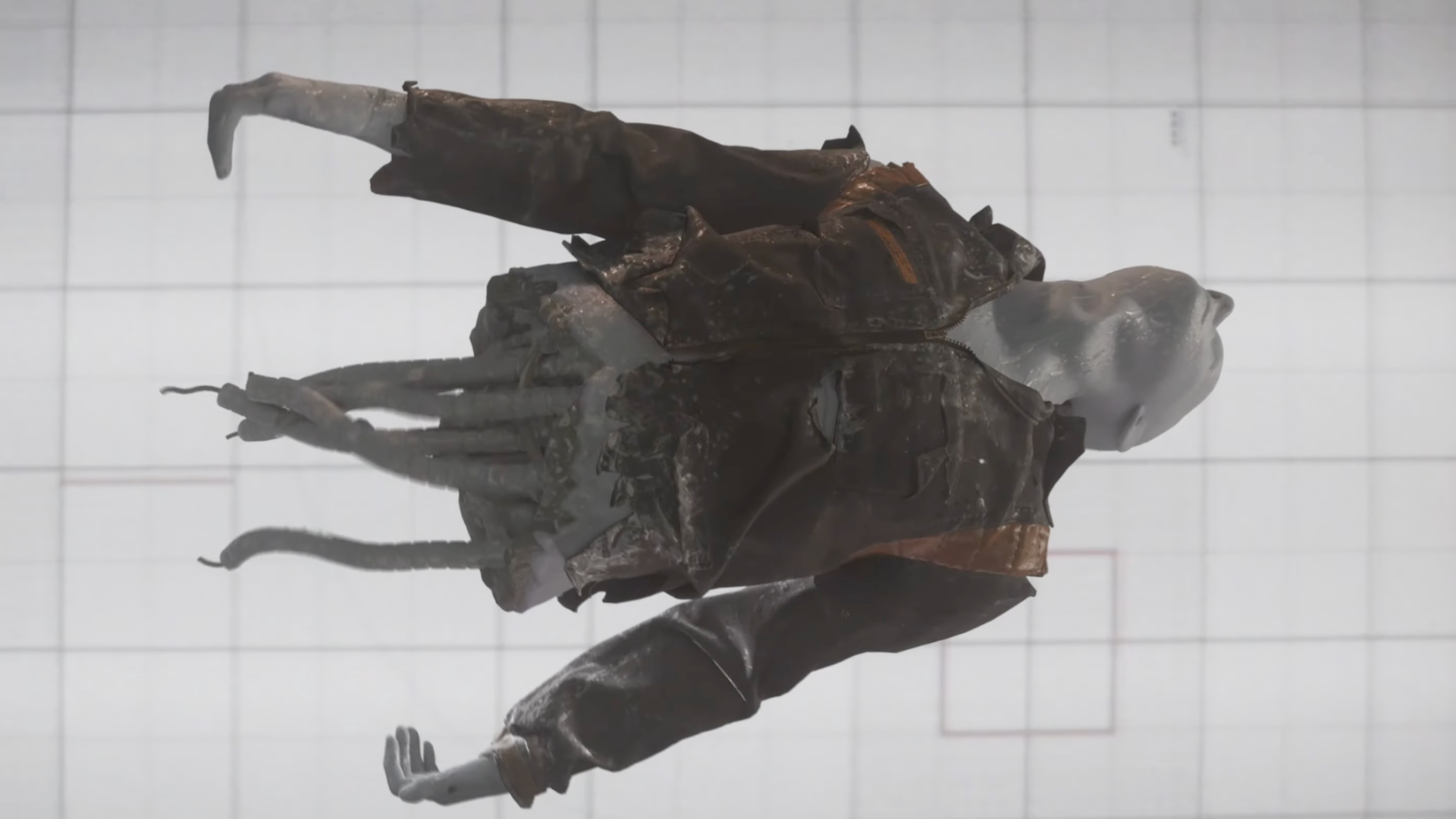
- 2026: Creative Assembly officially confirms the development of the sequel at Summer Game Fest, showcasing gameplay that utilizes Unreal Engine 5.
- The Future: The studio aims to mirror the longevity of the first game, crafting an experience that remains a touchstone of the genre for the next ten years.
Technical Mastery: Unreal Engine 5 and Dynamic Audio
At the heart of the sequel’s terrifying efficacy is a suite of custom-built technologies integrated with Unreal Engine 5. Creative Assembly has moved away from static environmental triggers, opting instead for a system that builds tension in real-time.
Art Director Ana Sopikova emphasizes that the team’s primary goal is the total eradication of the "video game" feel. "At no point do we want the player to realize, ‘Oh, yes, this is a video game,’" she says. This philosophy extends to the game’s soundscape. The audio is not a pre-recorded loop; it is being remixed on the fly by the game engine, reacting to the player’s progress, the story’s status, and the proximity of the threat.
Environmental hazards like wind, rain, and fog are not just aesthetic choices—they are tactical obstacles. As Al Hope notes, "Something like wind removes audio information, so you can’t tell how close the creature is. Something like fog and rain reduces visual information, and so you can’t see it, but that might actually be good, because it can’t see you." This adds a layer of depth to the gameplay, where the player must constantly weigh the trade-offs between environmental cover and the loss of situational awareness.
Systemic Horror: The Player as the Protagonist
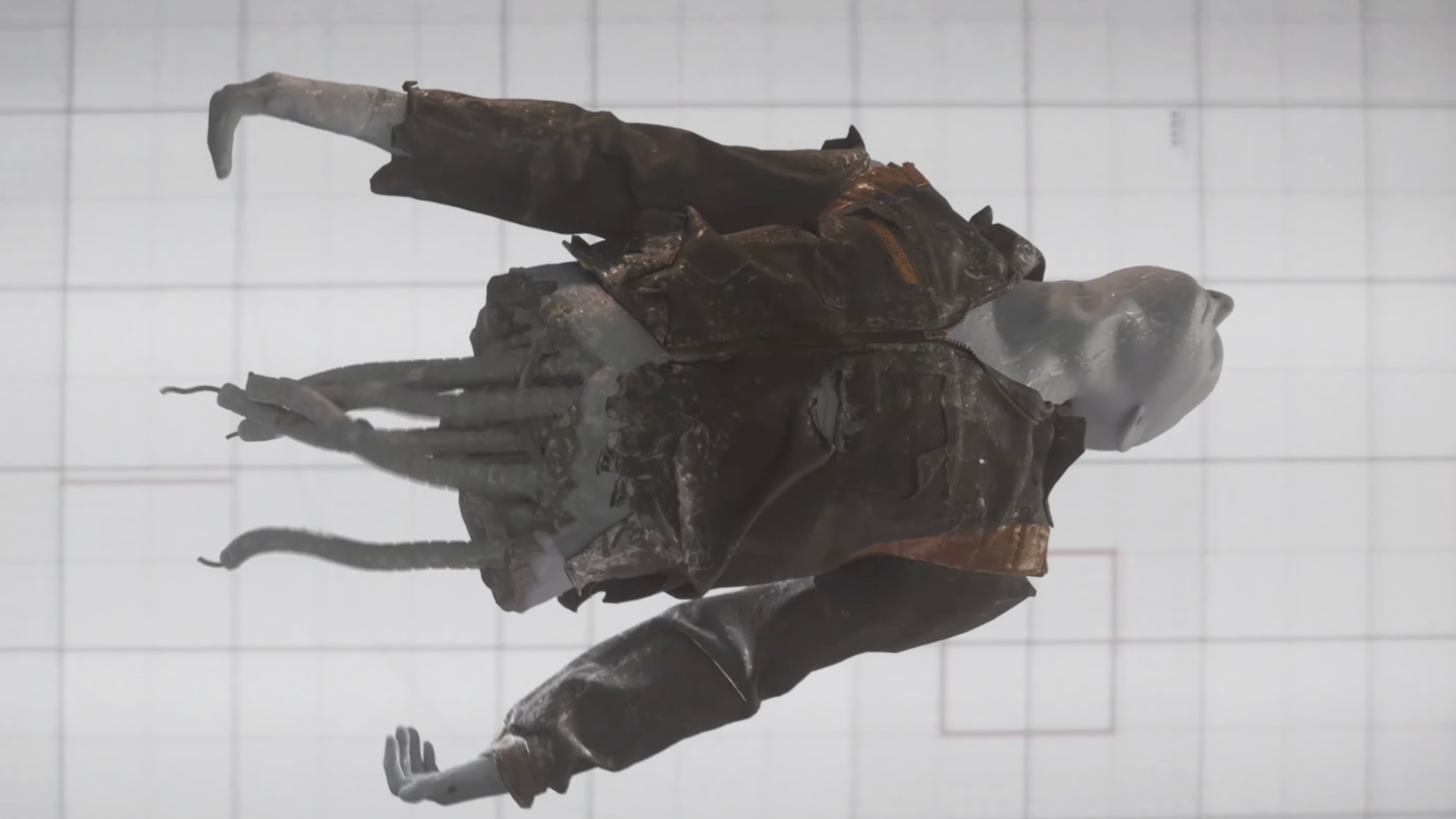
Perhaps the most significant departure from traditional horror sequels is the rejection of scripted, choreographed scares. Creative Assembly is doubling down on the systemic nature of the original game. In Alien: Isolation 2, the protagonist—a Weyland-Yutani employee named Blake—does not have a linear path to survival.
The Xenomorph’s AI has been refined to be even more observant. It utilizes its senses—sight, sound, and a heightened awareness of the environment—to hunt the player. Because the AI acts on its own internal logic rather than responding to pre-determined triggers, no two playthroughs are identical. "We’re not a scripted, choreographed survival horror experience; it’s all systemic," says Hope. "The alien is listening, and it’s using its ears and eyes. Every playthrough is different, so everyone has their own story to tell."
Implications: The Catharsis of Fear
Why do we subject ourselves to such intense, manufactured dread? Both Hope and Sopikova suggest that the value of Alien: Isolation 2 lies in its ability to offer a cathartic experience in a world that is often overwhelming.
For many, the appeal of the game is not necessarily the adrenaline rush, but the pride that comes with overcoming an impossible obstacle. By placing the player in a position of extreme vulnerability, the game asks fundamental questions about human resilience. "It kind of is asking you questions about how you’re going to do this, how you’re going to survive," Hope reflects. "You can be really proud of managing to confront something that seems really terrifying and scary, and you managed to do it."
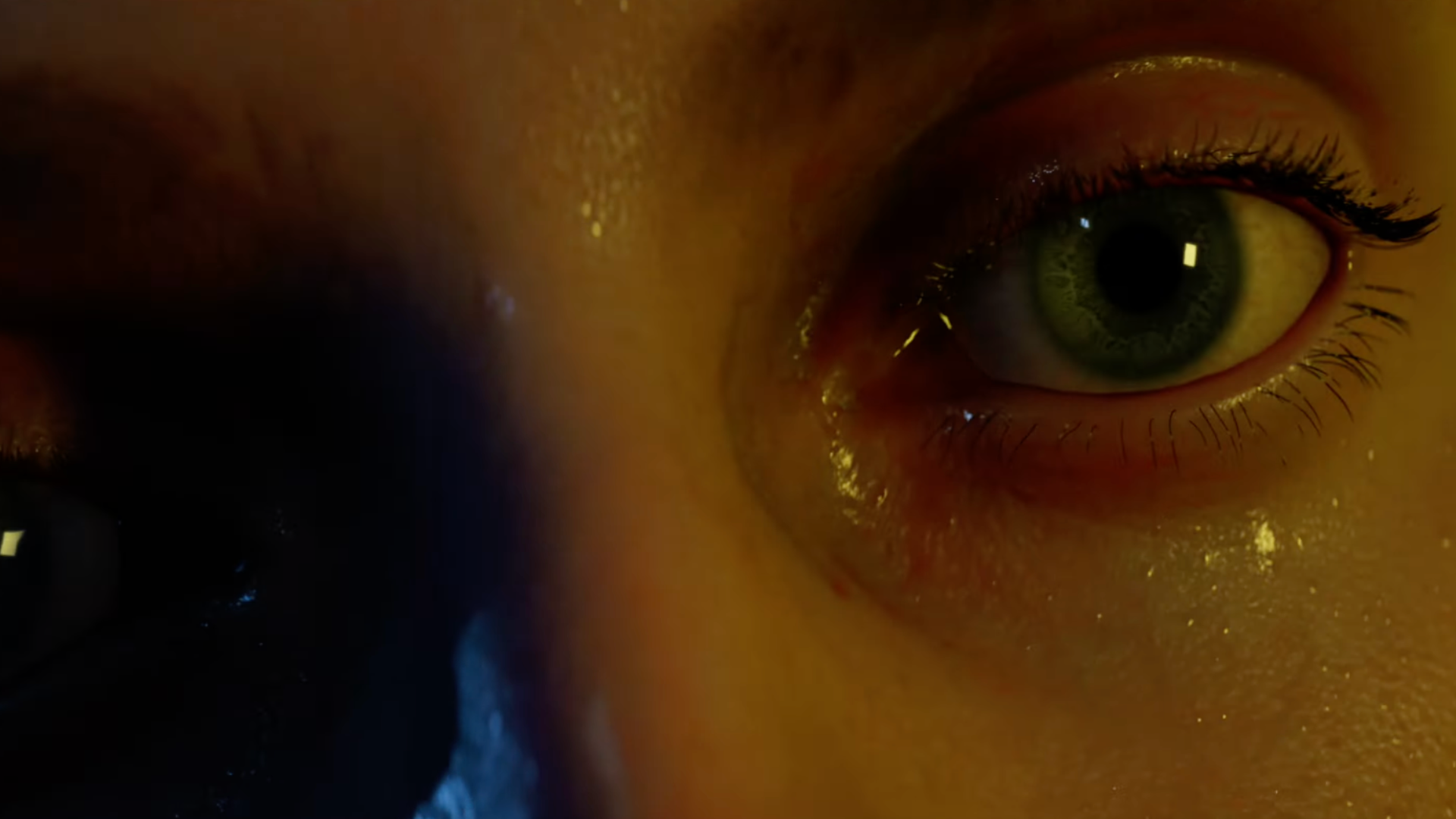
The game functions as a mirror, reflecting the player’s ability to make meaningful, high-stakes decisions under pressure. In a reality often defined by anxiety and external stressors, the act of surviving a digital nightmare becomes a form of empowerment.
The Unforgettable Experience
As the industry moves toward more cinematic, narrative-heavy titles, Creative Assembly’s commitment to systemic gameplay stands out. By prioritizing the "memory" of the player over the "action" on the screen, the developers hope to ensure that Alien: Isolation 2 is not just a game played and discarded, but an experience that stays with the player long after the credits roll.
With its blend of high-fidelity visuals, reactive audio, and a truly unpredictable antagonist, the sequel is positioned to be a landmark release. The Xenomorph, with its onyx teeth and silver, cobwebbed saliva, is ready to hunt once more. For those brave enough to step into the fog, the challenge remains the same as it was in 1979: survive, adapt, and pray that the perfect organism hasn’t already found you.
As we look toward the launch of this survival-horror behemoth, one thing is certain: Creative Assembly isn’t just making a game. They are crafting a legacy of fear, one that demands total attention, patience, and a steady hand. In the cold, dark expanse of a colony planet, you are not a hero; you are a survivor. And that is exactly how it should be.

