

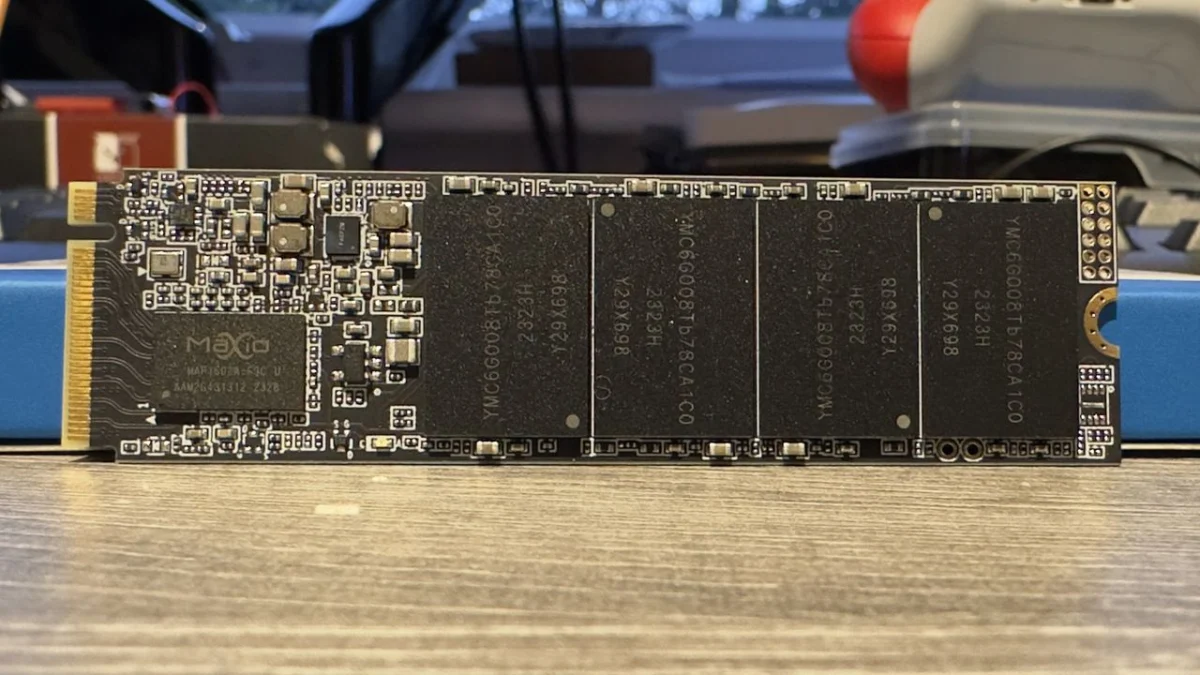
The global hardware landscape is currently navigating a period of unprecedented volatility, colloquially dubbed the "RAMpocalypse." While fluctuating prices and supply chain hiccups are common in the technology sector, the current situation regarding NAND flash memory and solid-state drives (SSDs) has transcended mere inconvenience, evolving into a fundamental shift in how hardware reaches the end-user. Recent insights from industry leadership indicate that the retail SSD market—the very ecosystem that provides high-performance storage to gamers, enthusiasts, and DIY PC builders—is effectively crumbling.
The Shrinking Shelf: An Industry Insider’s Warning
The gravity of the situation was brought to the forefront by Nelson Duann, Vice President of Silicon Motion, a leading designer and marketer of NAND flash controllers. In a candid assessment provided to Tom’s Hardware, Duann revealed that the retail SSD market has "almost disappeared."
For decades, the standard supply chain model was straightforward: NAND flash manufacturers produced the raw memory, and various module makers purchased that flash to create branded SSDs sold in retail channels. Simultaneously, large-scale PC OEMs—companies like Dell, HP, Lenovo, and others—would procure bulk NAND and controllers to manufacture storage solutions internally or via long-term contracts.
According to Duann, that equilibrium has shattered. "The controllers we sell to module makers are now largely ending up in SSDs that are shipped to PC OEMs," Duann explained. The catalyst for this drastic pivot is a global supply crisis. As the demand for AI-driven servers and massive data center infrastructure skyrockets, OEMs are finding it increasingly difficult to secure direct NAND allocations from major memory producers. To maintain their production lines, these tech giants are pivoting to buy pre-assembled SSDs from module makers, effectively siphoning off inventory that would have otherwise populated the shelves of retailers like Amazon, Newegg, or Best Buy.
A Chronology of the Storage Crunch
To understand how we arrived at this precarious juncture, one must look back at the shift that began in the latter half of 2023.
- Late 2023: As the AI gold rush began to consume vast quantities of high-bandwidth memory and enterprise-grade storage, NAND flash manufacturers prioritized high-margin, high-volume orders for server-side clients. This created the initial "soft" shortage for consumer-grade components.
- Early 2024: The shortage intensified. PC OEMs, facing pressure to fulfill corporate and consumer laptop contracts, found their traditional supply channels for raw NAND clogged. They began aggressive procurement of finished SSDs, effectively buying out the stock intended for the DIY market.
- Mid-2024: Retailers began reporting increased difficulty in restocking popular M.2 NVMe drives. Prices, which had bottomed out during a post-pandemic slump, began a sharp, consistent climb.
- Present Day: Industry experts suggest that the "retail" segment has become an afterthought. Module makers are now locked into multi-year, multi-billion dollar contracts with OEMs and server providers, leaving retail shelves as the lowest priority on the supply chain ladder.
Supporting Data: Following the Money
The financial reports of the industry giants confirm the narrative of a market in flux. In the first quarter of 2026 alone, NAND flash manufacturers reported record-breaking revenues totaling approximately $46 billion—a staggering 3.5 times higher than the figures seen during the same period the previous year.
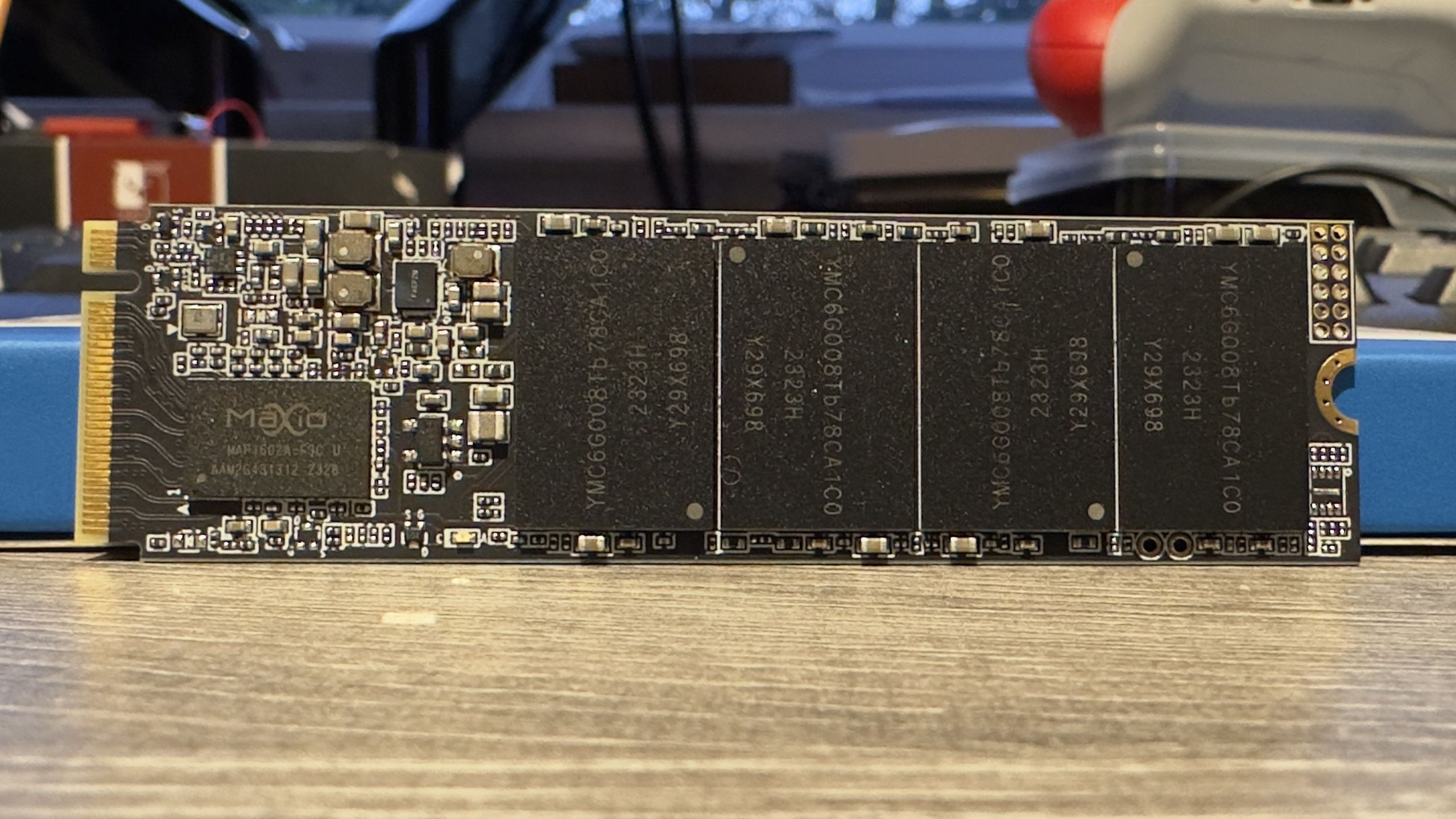
This revenue surge is not driven by the average consumer buying a 2TB drive for their gaming rig; it is driven by the insatiable appetite of AI hyperscalers. Consequently, SSD companies are now securing their futures by signing multi-year NAND procurement deals—some reaching nearly $2 billion in value—to guarantee supply. These long-term commitments are a clear signal to the market that the current memory crisis is not a transient fluctuation, but a long-term structural change in the semiconductor economy.
For the end-user, the data is visible at the point of sale. Price tracking services like PCPartPicker have documented a consistent, upward trend in the cost per gigabyte for internal M.2 NVMe SSDs. While the price spikes may seem moderate in isolation, the cumulative effect over the last twelve months has effectively ended the era of "cheap, high-capacity storage."
Official Responses and Industry Outlook
The industry sentiment, while guarded, is increasingly blunt. Team Group, a major player in both the RAM and SSD manufacturing space, recently issued a stark advisory to its customer base: "If you need memory, we recommend purchasing it as soon as possible."
While it is common for manufacturers to encourage sales, industry analysts suggest that this recommendation stems from a genuine concern regarding future availability. When companies that sit at the center of the supply chain begin warning of potential scarcity, it is usually a sign that inventory pipelines are dry.
Silicon Motion’s commentary acts as the missing piece of the puzzle. It validates that the shortage isn’t necessarily a result of a manufacturing failure, but rather a redirection of resources. The "RAMpocalypse," as it has been dubbed, is essentially a reallocation of the world’s silicon resources toward the infrastructure that powers the modern AI economy, at the direct expense of the consumer DIY market.
The Implications for the DIY Enthusiast
What does this mean for the person looking to build a gaming PC or upgrade their home workstation? The implications are three-fold:
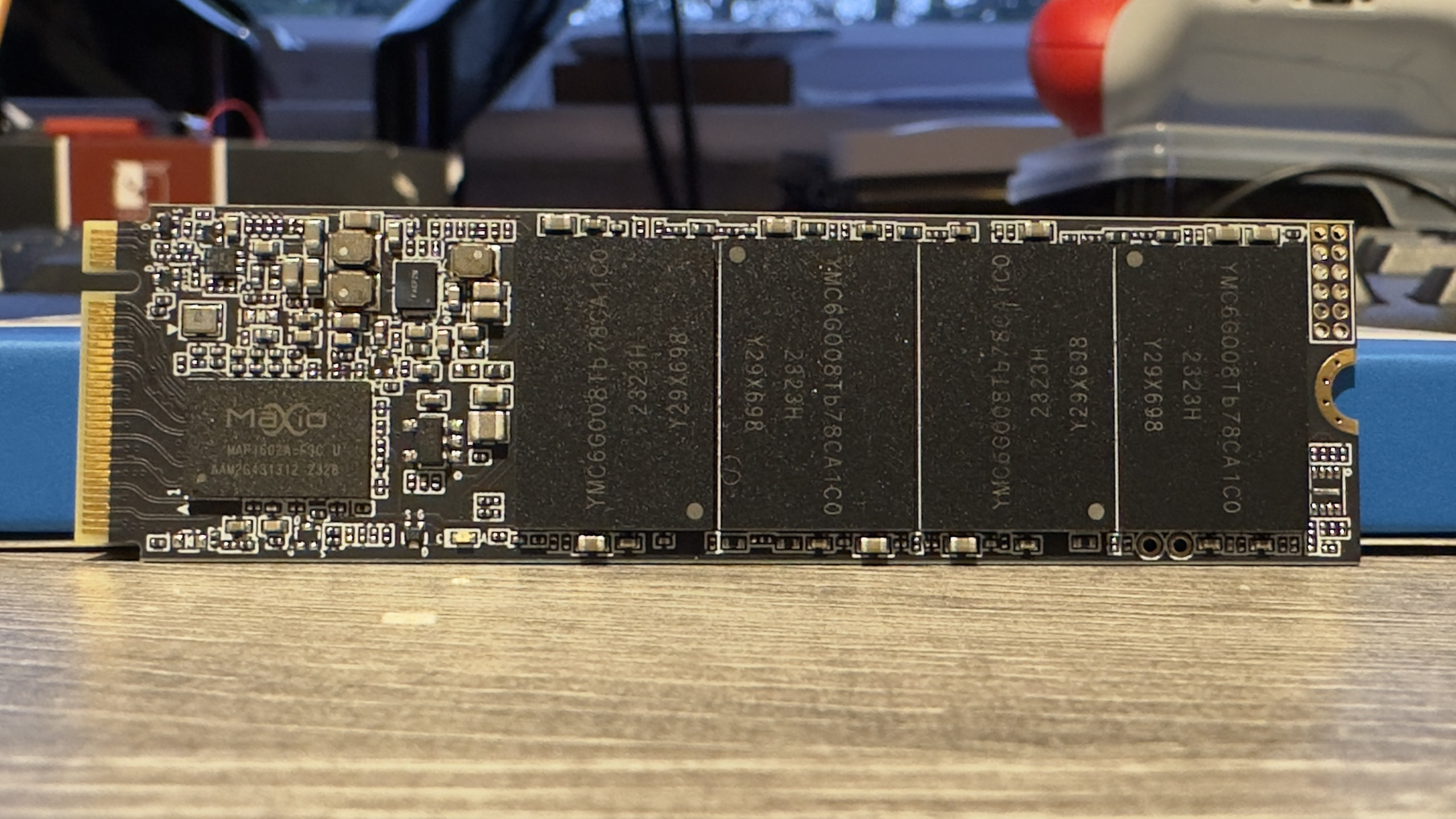
1. Increased Costs and Lower Bargaining Power
The days of frequent, aggressive sales on premium storage are likely behind us for the foreseeable future. With OEMs absorbing the bulk of production, the competitive pressure to offer massive discounts to retail consumers has evaporated. Enthusiasts should expect to pay a premium for high-performance drives, and the "budget-tier" SSD segment may shrink as manufacturers consolidate their offerings to focus on higher-margin enterprise or mid-tier consumer drives.
2. A Shift in Product Availability
Retailers may increasingly face stock-outs of specific high-demand capacities (particularly 2TB and 4TB drives). Consumers may find that their preferred brands or models are "out of stock" for extended periods, forcing them to purchase whatever is available at a higher price point.
3. The End of the "DIY Golden Age"
For years, PC building was fueled by a surplus of affordable components. As the professional/server market dictates the flow of NAND and DRAM, the enthusiast market is being forced to accept "leftover" supply. While the market is not disappearing entirely, it is undergoing a contraction that favors large-scale corporate buyers over the individual builder.
Conclusion: Navigating the New Normal
The transition from a consumer-first storage market to an OEM-and-AI-first market is a significant development in the history of the PC industry. As demand for AI capabilities continues to scale, the competition for NAND flash and controllers will remain fierce.
For the average user, the advice remains the same as that offered by industry veterans: do not wait for a "return to normal" that may be years away. If you are planning an upgrade or a new build, securing your storage components now—before the next wave of OEM procurement further restricts supply—is the most prudent course of action. The retail SSD market may not be dead, but it has certainly entered a period of profound and challenging hibernation.

