

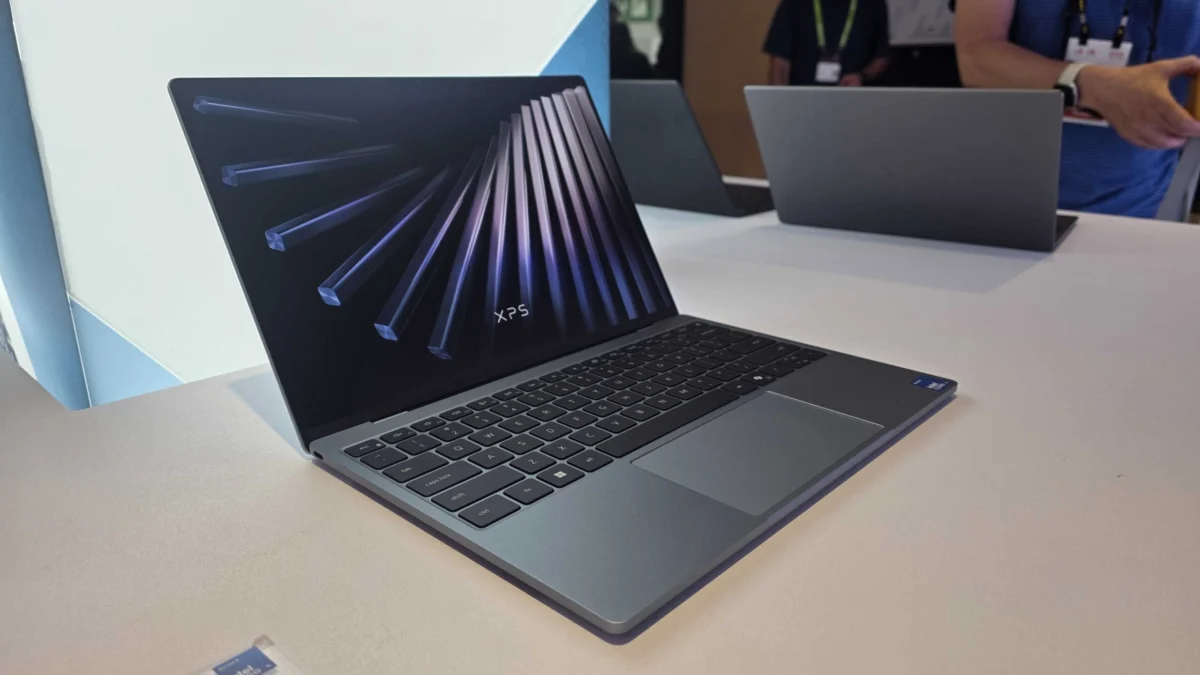
Cupertino, CA – [Date of Publication] – Dell has officially launched its highly anticipated new XPS 13, a meticulously crafted laptop designed to bridge the gap between aspirational premium aesthetics and accessible price points. Revealed last month as a direct competitor to the conceptual "MacBook Neo," this latest iteration of the iconic XPS line is now available for purchase, starting at an aggressive $599 for students and $699 for general consumers. Powered by Intel’s emerging Wildcat Lake processors, the XPS 13 represents a strategic move by Dell to deliver a premium user experience without demanding top-tier compute performance, catering to a burgeoning segment of the market seeking elegant design and modern connectivity at reasonable prices.
The launch comes at a pivotal time in the computing industry, where the stabilization of DRAM and NAND flash prices has opened new avenues for manufacturers to innovate within the value segment. Dell’s approach with the new XPS 13 is a testament to this trend, offering a device that exudes the quality and sophistication typically associated with higher-end machines, while housing specifications optimized for everyday tasks. This strategy positions the XPS 13 as a compelling option for students, casual users, and professionals who prioritize portability, design, and a vibrant display over intensive computational power.
Main Facts: A New Benchmark for Accessible Premium Laptops
The core proposition of the new Dell XPS 13 is its ability to offer a "premium-feeling device" at an entry-level price. This is achieved through a careful balance of design, display technology, and processor choice. The laptop is immediately available, with two initial configurations, and promises further options in the near future.
- Aggressive Pricing: Starting at $599 for students and $699 for the general public, the XPS 13 undercuts many competitors in the premium design segment.
- Intel Wildcat Lake Processors: The initial models feature Intel’s Core 5 320, a 6-core chip (2 performance, 4 efficient) designed for efficiency and capable everyday performance.
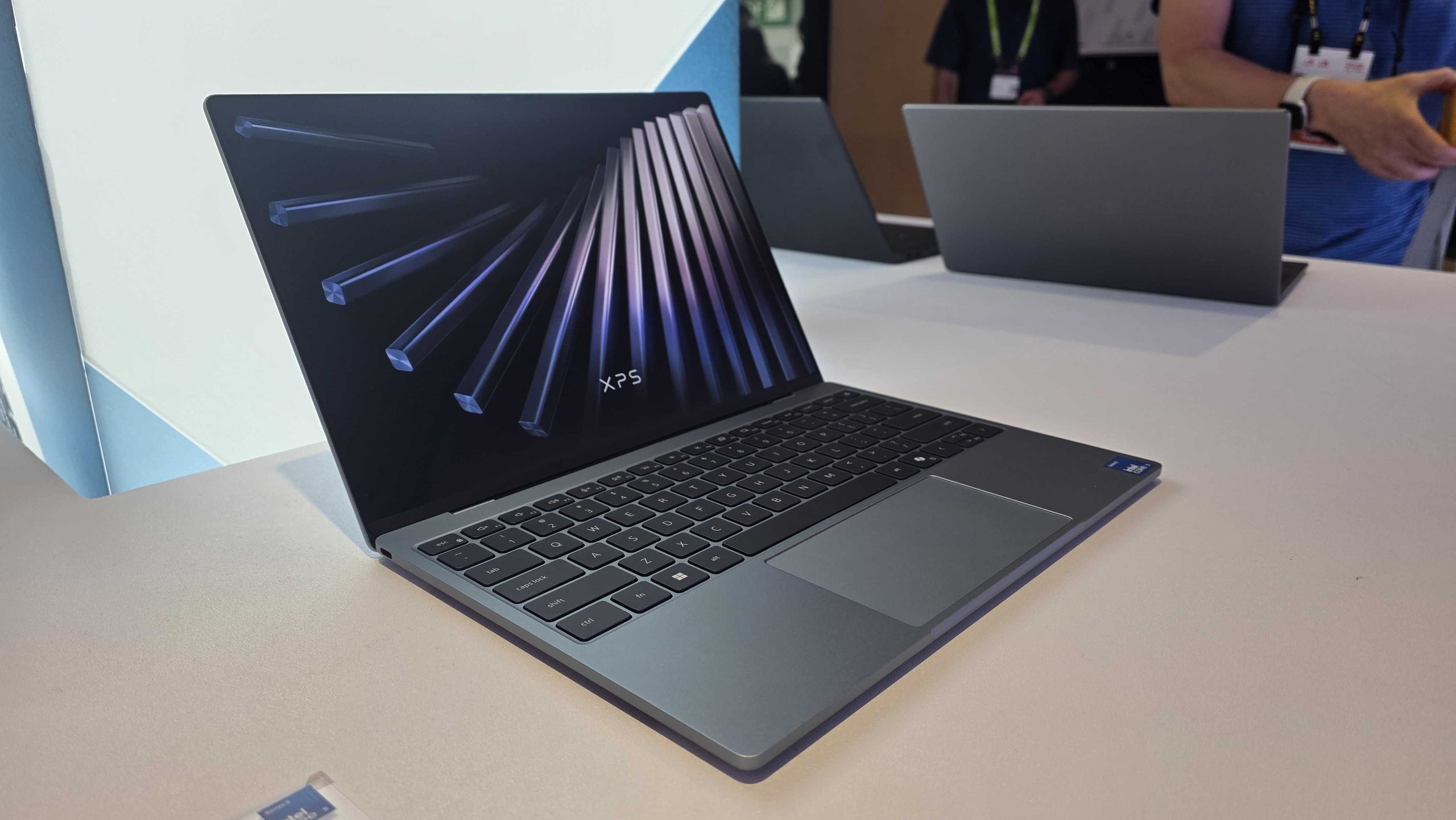
- Signature XPS Design: An all-aluminum chassis weighing just 2.2 pounds and measuring 0.5 inches thin, maintaining the XPS line’s renowned aesthetic and build quality.
- Stunning Display: A 13.4-inch, 2.5K (2560 x 1600) touch display with a 120Hz refresh rate and 500 nits of brightness, a standout feature at this price point.
- Modern Connectivity: Equipped with LPDDR5X memory (up to 7,467 MT/s), Wi-Fi 7, and USB Type-C 3.2 Gen 2 ports, ensuring future-proof capabilities.
- Target Audience: Designed for users who primarily engage in basic web browsing, productivity tasks, and multimedia consumption, valuing a high-quality user experience over raw power.
- Future Upgrades: Dell has confirmed plans to introduce configurations featuring more powerful Intel Panther Lake chips with dual-channel memory and Thunderbolt 4 connectivity, along with additional storage options.
This launch signifies Dell’s intent to democratize the premium laptop experience, making it accessible to a broader demographic without significant compromise on the elements that define the XPS brand.
Chronology: From Concept to Consumer Availability
The journey of this new XPS 13 model began to take shape earlier this year, building anticipation for a device that promised a fresh take on value.
Pre-Launch Buzz: The "MacBook Neo" Speculation
The concept of a "MacBook Neo" — a device that marries premium design with more accessible specifications — has been a topic of industry discussion for some time. Dell officially entered this conversation last month when details of its new XPS 13 surfaced. Reports highlighted Dell’s ambition to directly challenge this hypothetical Apple offering, signaling a strategic pivot towards a more budget-conscious, yet aesthetically discerning, consumer base. The initial unveiling positioned the XPS 13 as a device that would bring Intel’s Wildcat Lake chips to the forefront, promising a new class of performance tailored for efficiency and value. This early reveal generated considerable interest, with analysts and consumers alike eager to see how Dell would execute on such a bold promise. The focus was not just on the price point, but on the experience Dell aimed to deliver within that segment.
Intel’s Wildcat Lake Unveiling: The Heart of the New XPS
Concurrent with, or slightly preceding, Dell’s announcement, Intel began to detail its Wildcat Lake chip lineup. These processors, built on the advanced 18A process and leveraging the same microarchitectures as the more potent Panther Lake SoCs, were presented as a solution for devices requiring modern processing capabilities with a strong emphasis on power efficiency and cost-effectiveness. The scarcity of Wildcat Lake chips in the U.S. market added an element of exclusivity and intrigue to Dell’s adoption, making the XPS 13 one of the pioneering devices to integrate this new silicon. The technical specifications, particularly the stripped-back nature compared to Panther Lake, were clearly delineated, setting expectations for a performance profile suitable for everyday computing rather than intensive workloads.
Official Launch and Immediate Availability
Following the period of speculation and technical disclosures, Dell has now made the new XPS 13 officially available for sale. This immediate availability underscores Dell’s readiness to capture market interest generated by the initial revelations. The ability for consumers to purchase the device directly, with the enticing student discount, solidifies Dell’s commitment to delivering on its promise of an accessible premium experience. The phased rollout of configurations, starting with the Core 5 320 model and promising Panther Lake variants, indicates a well-planned strategy to cater to different segments within the broader value-premium market over time.
Supporting Data: Unpacking the Engineering and Market Context
The new XPS 13’s success hinges on a meticulous combination of hardware choices and market timing. Dell’s ability to offer such a compelling package at its price point is directly influenced by broader industry trends and specific component selections.
The Economics of "Budget Premium"
The very existence of a "MacBook Neo" competitor like the new XPS 13 is predicated on a significant shift in the cost structure of key laptop components. For several years, prices for DRAM (dynamic random-access memory) and NAND flash (solid-state drive storage) were volatile, often contributing significantly to the overall cost of a device. However, recent market dynamics have seen these prices stabilize and, in some cases, decrease. This trend has created a crucial window for manufacturers like Dell to integrate higher-quality components – such as fast LPDDR5X memory and ample NVMe SSD storage – into more affordable machines without eroding profit margins.
This allows Dell to focus investment on areas that directly impact the user experience, such as the chassis materials and display technology, while still offering robust internal specifications for the target demographic. The idea is to move beyond the traditional "budget laptop" stereotype of plastic builds and subpar screens, offering a genuinely pleasant experience for tasks that don’t demand a top-tier CPU or dedicated GPU.
Deep Dive into Intel’s Wildcat Lake Architecture
At the core of the entry-level XPS 13 is Intel’s Core 5 320, a processor from the Wildcat Lake family. Understanding this chip is key to setting appropriate performance expectations.
- 18A Process and Microarchitectures: Wildcat Lake chips are built on Intel’s cutting-edge 18A process, representing a significant leap in manufacturing technology. They also leverage the same fundamental microarchitectures as the more powerful Panther Lake SoCs. This means that even though Wildcat Lake is "stripped back," it benefits from the latest advancements in core design. The Core 5 320 features a hybrid architecture, comprising two "Cougar Cove" Performance-cores (P-cores) and a cluster of four "Darkmont" Low Power Efficient-cores (LPE cores).
- Performance Profile: The P-cores handle demanding tasks, while the LPE cores manage background processes and lighter workloads, optimizing power consumption. With a base power draw of just 15W and a maximum turbo power of 35W, the Core 5 320 is designed for energy efficiency, translating directly into better battery life and cooler operation in a thin chassis. The maximum turbo frequency of up to 4.6 GHz ensures snappy performance for single-threaded applications and burst workloads.
- Integrated Graphics: The chip includes Intel Graphics with two Xe3 cores. While not designed for intensive gaming or professional graphics rendering, these integrated graphics are more than capable of handling high-resolution video playback, accelerating web content, and supporting basic photo editing. For the intended audience focusing on web, productivity, and media consumption, this provides a solid visual experience.
- Comparison to Panther Lake: It’s crucial to note that Wildcat Lake is "severely stripped back" compared to Panther Lake. Panther Lake will offer more P-cores, a greater number of Xe cores for significantly enhanced graphics performance, and critically, support for dual-channel memory. This distinction is vital for consumers to understand the different performance tiers within the XPS 13 lineup as more configurations become available.
Modern Connectivity for a Seamless Experience
Despite its accessible price point, the new XPS 13 does not skimp on modern connectivity, ensuring a responsive and future-ready user experience.
- LPDDR5X-7467 Memory: The inclusion of LPDDR5X memory clocked at an impressive 7,467 MT/s is a significant highlight. Even in a single-channel configuration – a characteristic of Wildcat Lake chips – this high-speed memory provides ample bandwidth for the processor to efficiently handle multiple applications and data streams. While dual-channel memory, expected in Panther Lake variants, offers superior bandwidth, for typical web browsing, document editing, and streaming, the LPDDR5X-7467 is a substantial upgrade over older, slower memory standards. The entry-level comes with 8GB, with a 16GB option also available.
- Wi-Fi 7: Integrating Wi-Fi 7 (802.11be) is a testament to the XPS 13’s forward-looking design. While Wi-Fi 7 routers are still emerging, this inclusion future-proofs the laptop, enabling faster wireless speeds, lower latency, and improved network efficiency for users with compatible infrastructure.
- USB Type-C 3.2 Gen 2: The presence of two USB Type-C 3.2 Gen 2 ports offers versatile connectivity. These ports support data transfer speeds of up to 10 Gbps, power delivery, and DisplayPort alternate mode for external monitors. While they lack the full capabilities of Thunderbolt 4 (which will be available on Panther Lake models), they provide robust and flexible options for peripherals and charging.
The Premium Display and Design Language
Dell’s commitment to a premium user experience is most evident in the XPS 13’s display and industrial design.
- 13.4-inch 2.5K Touch Display: A 2.5K (2560 x 1600) resolution on a 13.4-inch panel results in exceptional pixel density, rendering text and images with incredible sharpness and clarity. The touch functionality enhances usability, while the 120Hz refresh rate ensures smooth scrolling and fluid animations, a feature often reserved for more expensive laptops. With 500 nits of brightness, the display is vibrant and legible even in brightly lit environments, making it suitable for both indoor and outdoor use. This high-quality display significantly elevates the overall user experience, making the XPS 13 feel much more expensive than its price tag suggests.
- All-Aluminum Chassis: The all-aluminum construction not only contributes to the laptop’s sleek and sophisticated appearance but also enhances its durability and thermal management. This material choice is a hallmark of premium devices, providing a rigidity and tactile feel that plastic alternatives simply cannot match.
- Exceptional Portability: Weighing a mere 2.2 pounds (1 kg) and measuring just 0.5 inches (12.7 mm) thick, the XPS 13 is an ultraportable companion. Its compact dimensions (11.69 x 7.9 inches) make it easy to slip into any bag, reinforcing its appeal for students and mobile professionals.
- Battery Life: Equipped with a 52 Whr battery, combined with the efficient Wildcat Lake processor, the XPS 13 is expected to deliver solid battery endurance for a full day of productivity and light usage.
Current and Future Configurations
The initial rollout provides a clear entry point, with plans for more powerful variants.
| Feature | Entry-Level Configuration ($699 / $599 Student) |
|---|---|
| CPU | Intel Core 5 320 (6-core, 2 P + 0 E + 4 LPE, up to 4.6 GHz) |
| GPU | Intel Graphics (2 Xe3 cores) |
| Memory | 8GB LPDDR5X-7467 (single-channel) |
| Storage | 512 GB NVMe SSD |
| Ports | 2x USB 3.2 Gen 2 Type-C |
| Display | 13.4-inch, touch, 120Hz, 2560 x 1600, 500 nits |
| Battery | 52 Whr |
| Weight | 2.2 pounds (1 kg) |
| Dimensions | 0.5 x 11.69 x 7.9 inches (12.7 x 296.9 x 200.66 mm) |
Currently, only one other configuration is available, offering 16 GB of LPDDR5X memory for $899, while retaining the 512 GB SSD. It is important for potential buyers to remember that Wildcat Lake is a single-channel memory product. While 16 GB offers more capacity for multitasking, the fundamental single-channel performance characteristic remains. For the target audience focused on general productivity and media consumption, this is unlikely to be a significant bottleneck.
Dell has also laid out a roadmap for future expansion, promising configurations featuring Intel’s Panther Lake chips. These higher-end models will boast proper dual-channel memory support, starting with 16 GB and scaling up to 32 GB, alongside the inclusion of Thunderbolt 4 ports for enhanced connectivity and peripheral support. Additionally, Dell plans to offer 256 GB and 1 TB storage options, providing greater flexibility for users with different storage needs.
Official Responses: Dell’s Strategic Vision
While Dell has not issued a specific "official response" beyond the product launch, its strategy is clear and speaks volumes about its intent in the competitive laptop market. The company is pursuing a multi-pronged approach to the XPS 13 line, ensuring that the brand remains relevant across a wider spectrum of consumer needs and budgets.
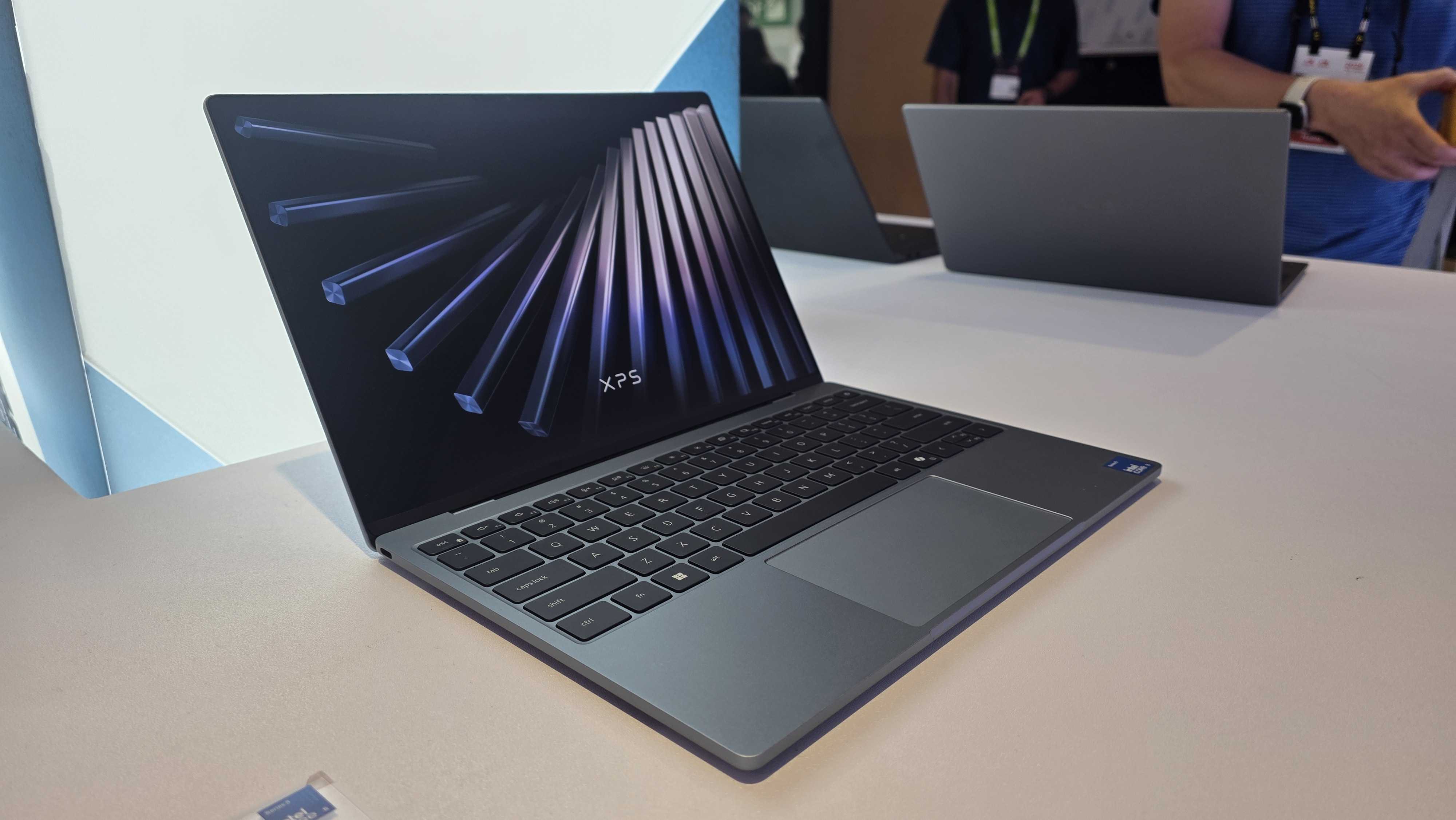
- Democratizing Premium Design: Dell’s primary objective with this new XPS 13 variant is to make the highly acclaimed XPS design language accessible to a broader audience. By offering an all-aluminum chassis, a high-resolution display, and a sleek form factor at an entry-level price, Dell is directly responding to market demand for devices that look and feel expensive without the prohibitive cost. This allows Dell to capture market share from consumers who might otherwise gravitate towards less premium-feeling budget options or be priced out of the traditional premium segment.
- Leveraging Intel’s Tiered CPU Strategy: Dell is intelligently utilizing Intel’s diverse CPU lineup. Wildcat Lake serves as an excellent entry point, providing sufficient performance for common tasks while keeping costs down. This allows Dell to segment its XPS 13 offerings effectively, with Panther Lake variants catering to users who require more processing power, enhanced graphics, and advanced connectivity like Thunderbolt 4, thereby covering a wider range of performance needs within the same iconic chassis.
- Responding to Component Price Trends: The timing of this launch, coinciding with favorable DRAM and NAND flash pricing, indicates a calculated move by Dell to maximize value proposition. By strategically selecting components that offer high perceived value (like the display and build quality) and pairing them with cost-effective yet capable CPUs, Dell aims to deliver a product that feels "more than its price."
- Student Market Focus: The explicit $100 discount for students highlights a targeted effort to capture this crucial demographic. Students often seek durable, portable, and aesthetically pleasing laptops that can handle academic tasks and media consumption without breaking the bank. The new XPS 13 is perfectly positioned to meet these criteria.
In essence, Dell is asserting that "premium" isn’t solely about bleeding-edge performance, but also about the holistic user experience – the look, the feel, the display, and the overall usability. By delivering on these aspects at a more accessible price, Dell aims to reinforce the XPS brand’s reputation for excellence while expanding its market footprint.
Implications: Reshaping the Laptop Landscape
The launch of Dell’s new XPS 13 carries significant implications for the wider laptop market, Dell’s brand strategy, and consumer expectations.
Market Disruption and Increased Competition
The aggressive pricing and premium feature set of the new XPS 13 are likely to send ripples through the mid-range and upper-entry segments of the laptop market. Competitors like HP, Lenovo, and Acer, who typically offer strong value propositions in these tiers, may be forced to re-evaluate their own product strategies. The XPS 13 sets a new benchmark for what consumers can expect from an affordable Windows laptop in terms of build quality and display. This could lead to a healthy increase in competition, ultimately benefiting consumers through better products and more competitive pricing across the board. The notion of a "penalty box" design for affordable machines may soon become a relic of the past.
Democratization of Premium Design
For years, the allure of a high-end laptop was tied not just to its internal components but also to its aesthetic and tactile qualities. Devices with all-metal chassis, thin bezels, and vibrant displays often commanded premium prices. Dell’s move effectively democratizes these premium design elements. More consumers will now be able to own a laptop that looks and feels like a top-tier machine, without necessarily needing or paying for the highest-end processors or dedicated graphics cards. This shift could redefine consumer expectations, making premium build quality a more standard feature even in budget-conscious categories.
Dell’s Brand Strategy: Expansion vs. Dilution
For Dell, the XPS 13’s new positioning represents both an opportunity and a challenge. On one hand, it allows Dell to expand the reach of its highly respected XPS brand, attracting new customers who might have previously considered XPS models out of their budget. This broader market penetration could solidify Dell’s leadership in the Windows laptop space. On the other hand, there’s a delicate balance to strike to avoid brand dilution. The XPS name has long been synonymous with uncompromising performance and innovation. Introducing models with more modest specifications, even within a premium chassis, requires careful communication to ensure that consumers understand the different tiers and that the core "XPS experience" of quality and reliability is maintained across all variants. The clear distinction between Wildcat Lake and future Panther Lake models is crucial in managing these expectations.
The "Good Enough" Performance Trend
The new XPS 13 also highlights a broader industry trend: for many users, "good enough" performance is indeed sufficient, provided it comes wrapped in an excellent user experience. The vast majority of laptop users engage in web browsing, email, word processing, streaming media, and light multitasking. For these activities, the Core 5 320 with its efficient P-cores and LPE cores, coupled with fast LPDDR5X memory, offers a perfectly capable and responsive experience. This challenges the notion that every new laptop must push the boundaries of raw processing power, instead emphasizing the importance of optimizing for real-world usage scenarios and user perception.
Future Outlook for Intel and the Ecosystem
Dell’s early adoption of Intel’s Wildcat Lake chips underscores Intel’s strategy to provide a diverse range of processors catering to various market segments. It validates Intel’s hybrid architecture and its 18A process, demonstrating that even "stripped back" versions of its latest silicon can power compelling devices. The promise of Panther Lake models with dual-channel memory and Thunderbolt 4 further illustrates Intel’s tiered approach, offering a clear upgrade path for users who may eventually require more robust capabilities. This partnership between Dell and Intel is poised to drive innovation and competition in the laptop market, pushing the boundaries of what is possible at different price points.
In conclusion, the new Dell XPS 13 is more than just another laptop launch; it is a strategic statement. By meticulously blending premium design, a stunning display, and modern connectivity with an accessible price point, Dell is not only challenging the status quo in the entry-level premium segment but also setting a new standard for consumer expectations. For those in search of an affordable, basic Windows laptop that feels anything but basic, the XPS 13 presents a remarkably strong and compelling choice, poised to redefine what "value" truly means in the contemporary computing landscape.

