

In a strategic pivot that signals a maturation of the Extended Reality (XR) market, Qualcomm Technologies has officially unveiled the "Snapdragon Reality Elite." This new flagship chipset represents a departure from the company’s long-standing XR2 naming convention, marking a clear boundary between the iterative hardware of the past and a new generation of high-performance spatial computing. The chipset is poised to power the next wave of standalone and tethered XR devices, with its commercial debut confirmed for this coming autumn inside the Xreal Aura Android XR device.
The Evolution of the XR Chipset: A Strategic Pivot
For years, the Snapdragon XR2 series has been the backbone of the industry, powering virtually every major non-Apple standalone headset on the market. From the Meta Quest series to various enterprise-grade headsets, the XR2 architecture became synonymous with mobile VR. However, the introduction of "Snapdragon Reality Elite" suggests that Qualcomm is looking to unify its offerings under a premium branding umbrella that reflects the increasingly complex requirements of modern spatial computing.
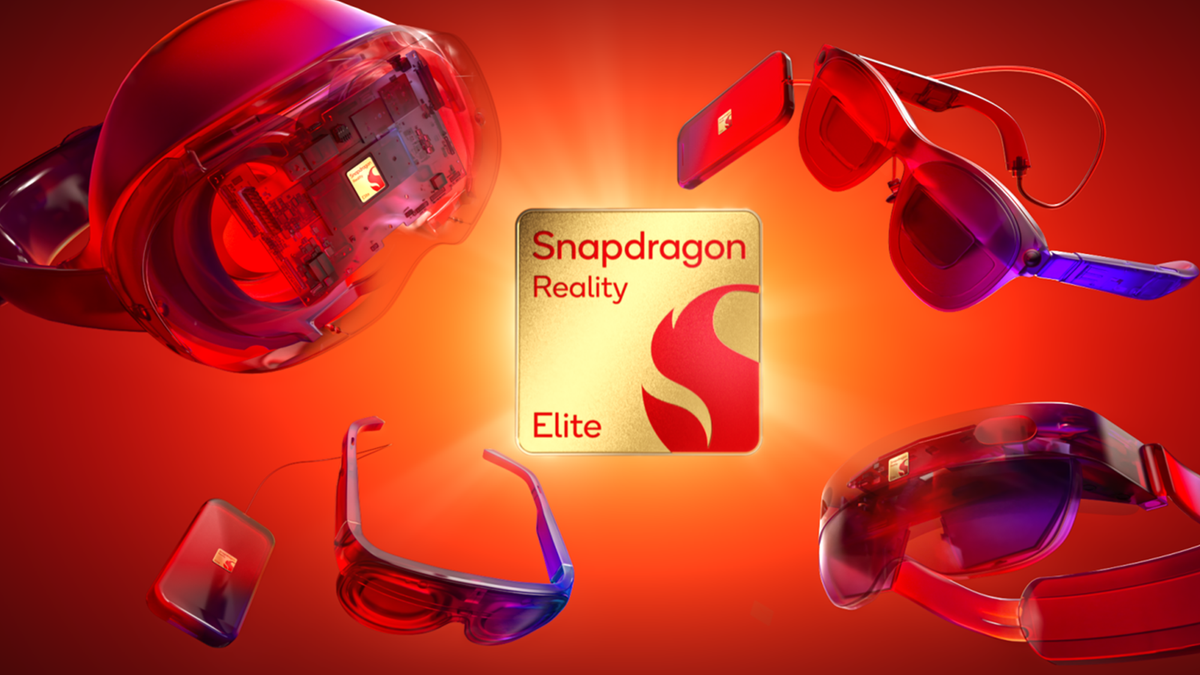
Unlike its predecessors, which were largely optimized for all-in-one head-mounted displays (HMDs), the Reality Elite is explicitly engineered for versatility. Qualcomm has designed this silicon to be hardware-agnostic regarding form factor, supporting both traditional self-contained headsets and tethered "compute pucks"—a design choice that prioritizes user comfort by shifting the weight and heat generation away from the face.
Chronology of Development and Market Entry
The announcement, made at the AWE (Augmented World Expo), comes at a pivotal time for the XR industry, which has been grappling with the trade-offs between graphical fidelity, thermal management, and user ergonomics.
- Pre-2026: Qualcomm dominated the market with the XR2 Gen 2 and the XR2+ Gen 2, which powered devices such as the Samsung Galaxy XR and various enterprise solutions from Sony.
- Early 2026: Industry rumors began circulating regarding a "next-gen" architecture capable of handling intensive on-device Generative AI.
- June 2026 (AWE Expo): Qualcomm officially pulls the curtain back on the Snapdragon Reality Elite.
- Autumn 2026: The Xreal Aura Android XR is confirmed as the first hardware to ship with the new chipset, setting the stage for a consumer-facing launch.
- Beyond 2026: Play For Dream, another key player in the XR space, has already publicly committed to integrating the Reality Elite into its upcoming flagship hardware.
Technical Specifications and Thermal Engineering
The performance leaps offered by the Snapdragon Reality Elite are centered on three pillars: thermal efficiency, GPU throughput, and AI-driven spatial intelligence.
Thermal Management: The "Pocket-Friendly" Challenge
One of the most significant barriers to tethered XR devices—where the processor is stored in a pocket or worn on a belt—has been heat. Qualcomm claims the Reality Elite runs up to 12°C cooler under heavy load compared to the XR2+ Gen 2. This thermal headroom is critical for devices that lack the active cooling fans typically found in bulky HMDs. Furthermore, the chip boasts 20% greater battery efficiency, a crucial metric for consumers expecting all-day wearable performance.
GPU and Graphics
While Qualcomm has remained tight-lipped regarding specific clock speeds, independent analysis by outlets like UploadVR suggests a significant boost in GPU performance. By leveraging a more efficient architecture, the chip allows for higher pixel density and more complex shaders without the throttling issues that plagued earlier high-performance mobile chipsets.
The Generative AI Revolution: The New NPU
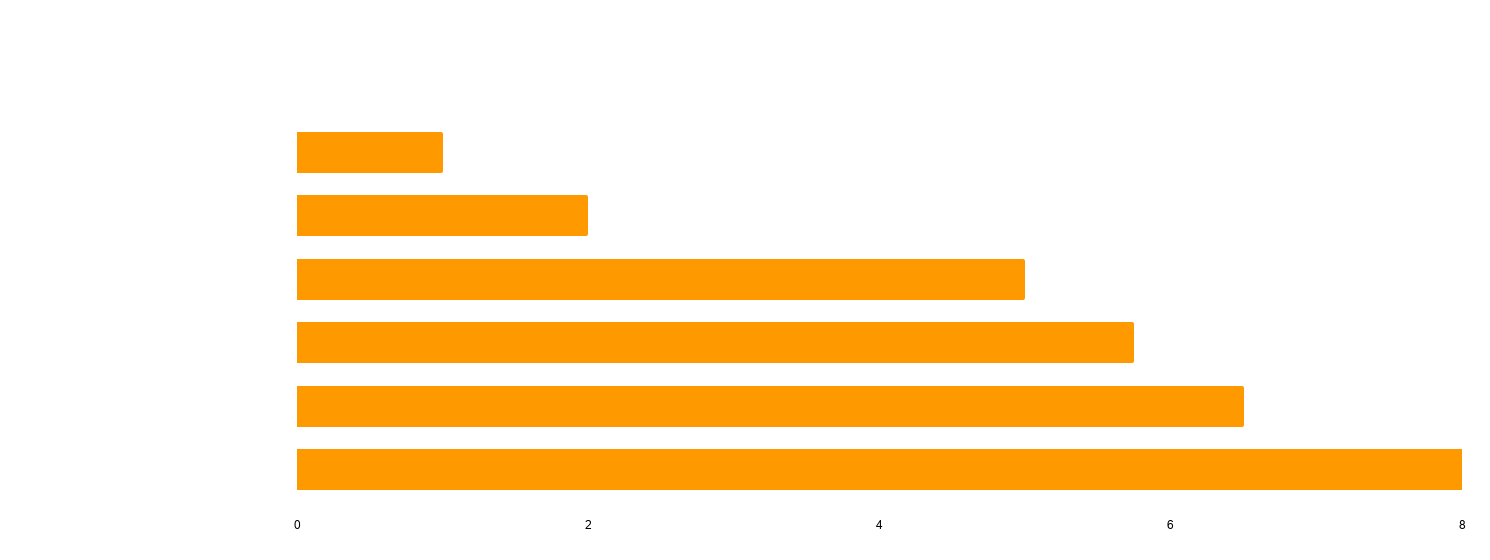
Perhaps the most transformative aspect of the Snapdragon Reality Elite is its Neural Processing Unit (NPU), which Qualcomm states is 160% more powerful than its predecessor. This massive increase in AI compute capacity is designed to facilitate "on-device Gen AI experiences."
Qualcomm’s benchmarks highlight the chip’s ability to handle large-scale models locally:
- Large Language Models (LLMs): The chip can run a 3 billion parameter LLM at 45 tokens per second, enabling fluid, human-like interaction with AI agents within an XR environment.
- Vision Models: The chipset can process large vision models (512×512) with a latency of approximately 1.7 seconds, allowing for rapid real-time 3D object generation and environment mapping.
Official Responses and Industry Dialogue
During the press briefings at AWE, Qualcomm representatives navigated questions regarding the practical implementation of the chip, particularly concerning the "tethered puck" versus "headset" performance debate.

When queried about whether the chip might underperform if placed in a pocket—where heat dissipation is naturally more restricted than in a fan-cooled HMD—Qualcomm officials declined to provide a direct answer. Instead, the company emphasized that the chip is designed to work across various form factors and that the responsibility for thermal management lies with the individual device manufacturers (OEMs).
This response underscores a significant reality of the current XR market: while Qualcomm provides the raw silicon, the final user experience is heavily dependent on how manufacturers like Xreal or Play For Dream architect their cooling solutions and power delivery systems.
Regarding the potential for "continuous scene meshing"—the ability for a headset to constantly map its environment without a dedicated depth sensor—Qualcomm was cautiously optimistic. They confirmed that the chipset possesses the necessary architecture to support such high-fidelity spatial mapping, though they noted that the final implementation remains in the hands of third-party developers.
Implications for the Future of XR
The launch of the Snapdragon Reality Elite has profound implications for the trajectory of the industry.
1. The Death of the "One-Size-Fits-All" Headset
By enabling both compute-heavy standalone HMDs and slim, tethered "smart glasses" style devices, the Reality Elite is effectively forcing the market to bifurcate. Consumers will soon have a clear choice: the immersive, high-performance standalone experience (with all the weight that entails) or the sleek, comfortable tethered experience (which offloads processing to a pocket-sized unit).
2. Generative AI as the New "Killer App"
The focus on the NPU signals that Qualcomm believes the next phase of XR is not just about better displays or wider fields of view, but about smarter environments. On-device, real-time 3D object generation could turn any room into a canvas, while locally processed LLMs allow for AI assistants that "see" what the user sees, transforming the headset into a proactive personal assistant.
3. Strengthening the Android XR Ecosystem
With Meta’s Horizon OS opening up to third-party hardware, and Google’s ongoing work in the space, the Snapdragon Reality Elite serves as the unified platform that keeps the non-Apple ecosystem competitive. By providing a flagship chip that is clearly superior to the XR2 legacy, Qualcomm is providing the necessary "horsepower" for OEMs to build premium hardware that can stand toe-to-toe with the high-end spatial computing devices currently on the market.
Conclusion: A High-Stakes Autumn
As we look toward the autumn launch of the Xreal Aura, the industry will be watching closely. The success of the Snapdragon Reality Elite will likely define the standards for mobile spatial computing for the next two to three years. If the chip can deliver on its promise of thermal efficiency and AI performance in the real-world conditions of a pocketed compute puck, it will likely accelerate the adoption of lightweight XR wearables, potentially moving us one step closer to the dream of "everyday" augmented reality.
For now, the hardware is ready. The spotlight now shifts to the device manufacturers and the developers, who must now harness this new, potent silicon to create the next generation of spatial experiences.

