

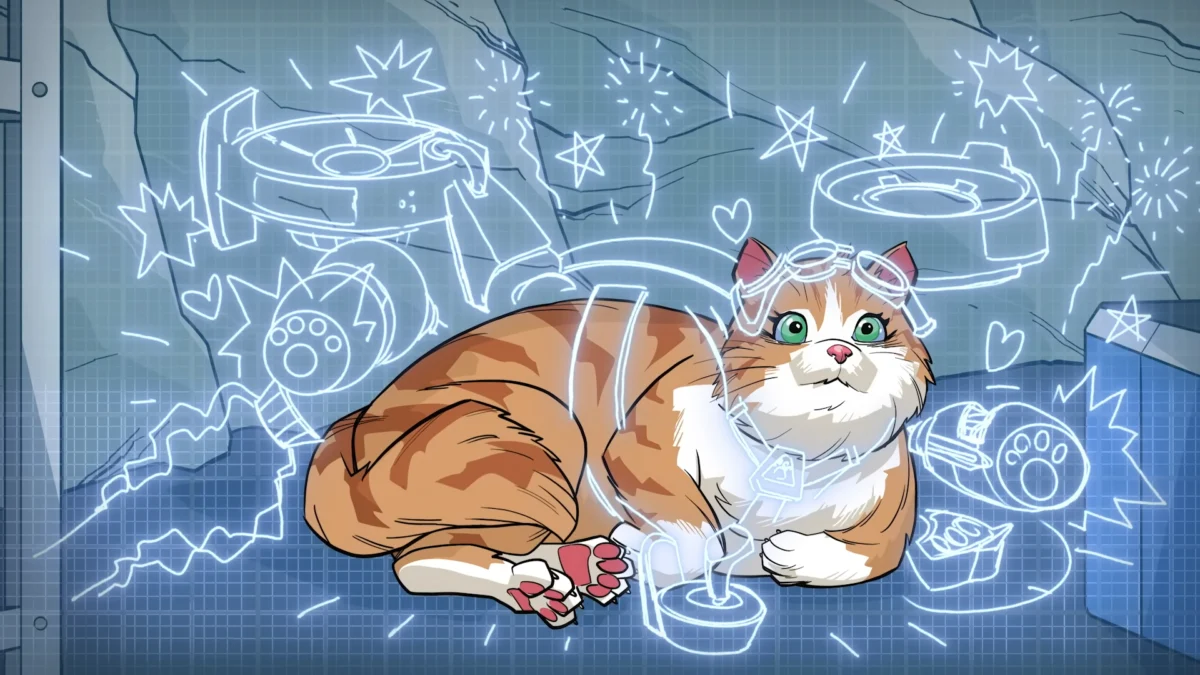
For months, the Overwatch community has lived under a literal shadow—the silhouette of Jetpack Cat, a character whose mobility and utility have redefined the meta, often at the expense of fair play. Players have long expressed frustration, comparing the experience of facing a high-level Jetpack Cat to being hunted by an AH-64 Apache helicopter. However, with the launch of Season 3, Blizzard Entertainment has finally pulled the trigger on a series of significant nerfs, aiming to bring the airborne menace back down to earth.
This shift marks a turning point in the game’s current balance, addressing what many competitive players have dubbed "server admin-level threats." By recalibrating the mechanics of her signature "Lifeline" ability, the developers are attempting to curb the oppressive strategies that have dominated both ranked play and the global esports stage.
The Chronology of Chaos: From Joke to Meta-Terror
The trajectory of Jetpack Cat is a fascinating, if infuriating, case study in game design. When the character was first introduced, she was largely viewed as a quirky, experimental addition—a nod to long-standing community memes. However, the player base’s collective ingenuity quickly transformed her from a novelty into a strategic powerhouse.
The "Lifeline" ability, which allows Jetpack Cat to transport teammates across the map, was initially seen as a mobility tool for flanking. Yet, high-skill players soon realized its potential for enabling high-damage stationary heroes. The most infamous pairing, Jetpack Cat and Bastion, rapidly evolved into the "Cat-Bastion" meta. By carrying a Bastion directly into the enemy backline, Jetpack Cat could facilitate a surgical strike that rendered traditional defensive positioning obsolete.
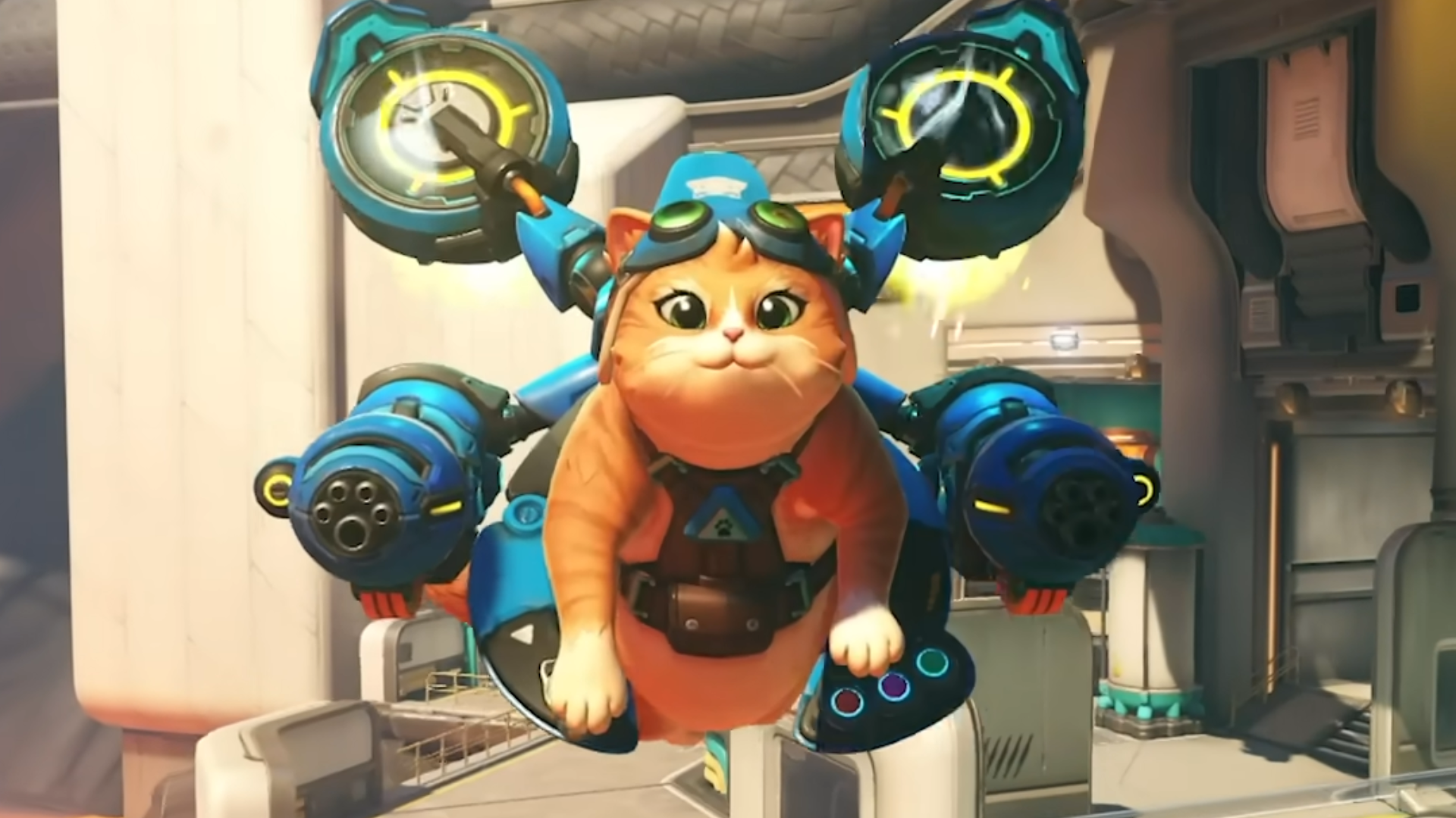
Throughout late Season 2, this combination became the gold standard for success. In the Overwatch World Cup, the situation reached a breaking point. Professional teams were forced into a binary choice: expend a precious hero ban on Jetpack Cat or commit to playing the "Cat-Bastion" meta themselves. The resulting matches were widely criticized for their lack of tactical variety and the sheer frustration of fighting against an opponent that could effortlessly reposition a turret-mode Bastion behind enemy lines.
The Anatomy of the Season 3 Nerfs
The Season 3 patch notes represent a surgical strike against the core of Jetpack Cat’s playstyle. Blizzard has acknowledged that while her overall win rates remained balanced across the general population, the ceiling of her power in high-rank environments was simply too high.
Key Mechanical Adjustments:
- Fuel Regeneration Penalty: Perhaps the most critical change, the fuel regeneration penalty while carrying a target has been increased from a 2x penalty to a 3x penalty. This significantly limits the time she can spend in the air while tethered to a teammate, forcing players to be more deliberate about their flight paths.
- Transport Shielding Reduction: The minor perk providing a shield during transport has been weakened. This change makes both the Jetpack Cat and her "passenger" significantly more vulnerable to focused fire, removing the "get out of jail free" card that defined her previous engagements.
- Speed Decreases: A blanket speed reduction ensures that she can no longer zip across map geometries with the same impunity, giving defenders a wider window of opportunity to land skill shots and force a retreat.
Balancing Act: Buffs to Independent Utility
Interestingly, Blizzard has not simply stripped Jetpack Cat of her power; they have attempted to pivot her utility away from being a "delivery vehicle" and toward independent combat effectiveness. The patch includes targeted improvements to her offensive kit, seemingly designed to encourage players to engage in combat rather than solely acting as a tactical transport.
The "Biotic Pawjectiles" have seen a damage and healing increase from 4 to 4.5 per pellet. Furthermore, the "Headbutt" major perk has received a substantial damage buff, jumping from 30 to 50. By increasing her individual damage output, the developers are signaling a desire for her to be a dual-threat agent rather than a one-dimensional mobility support. Whether this will be enough to change her identity remains to be seen, but it is a clear attempt to broaden her viability outside of the oppressive transport meta.
Official Stance: The Developer Perspective
In the accompanying developer commentary, the Overwatch team was candid about the rationale behind these changes. "While Jetpack Cat’s win rate and play rates remain low, Lifeline is highly effective at higher ranks when continuously carrying certain heroes," the patch notes stated. "Increasing the fuel regeneration penalty while carrying a target and reducing the strength of Transport Shielding weakens this strategy, while weapon improvements increase effectiveness outside of Lifeline."
This statement highlights a persistent challenge for Blizzard: the "Skill Gap Disparity." A character can appear balanced on paper when looking at the global average, yet be completely broken when utilized by the top 1% of players who can perfectly exploit mobility and coordination. By shifting her power budget from "Team-Enabling" to "Individual Combat," Blizzard hopes to lower her ceiling in coordinated play while keeping her floor viable for the average player.
Implications for the Competitive Ecosystem
The immediate implication of these changes is a cooling off of the current meta. For the first time in months, teams are experimenting with compositions that do not require an answer to the "Cat-Bastion" threat. This opens up space for more traditional flankers and snipers to return to the fray, as the skies are no longer a death zone.
However, the professional community remains cautious. There is a fear that the fundamental nature of "Lifeline"—the ability to move heroes through the air—is inherently difficult to balance. If the fuel regeneration nerf is not enough to deter the strategy, we may see the emergence of a new "optimal" pathing meta that still relies on her, albeit with a higher degree of risk.
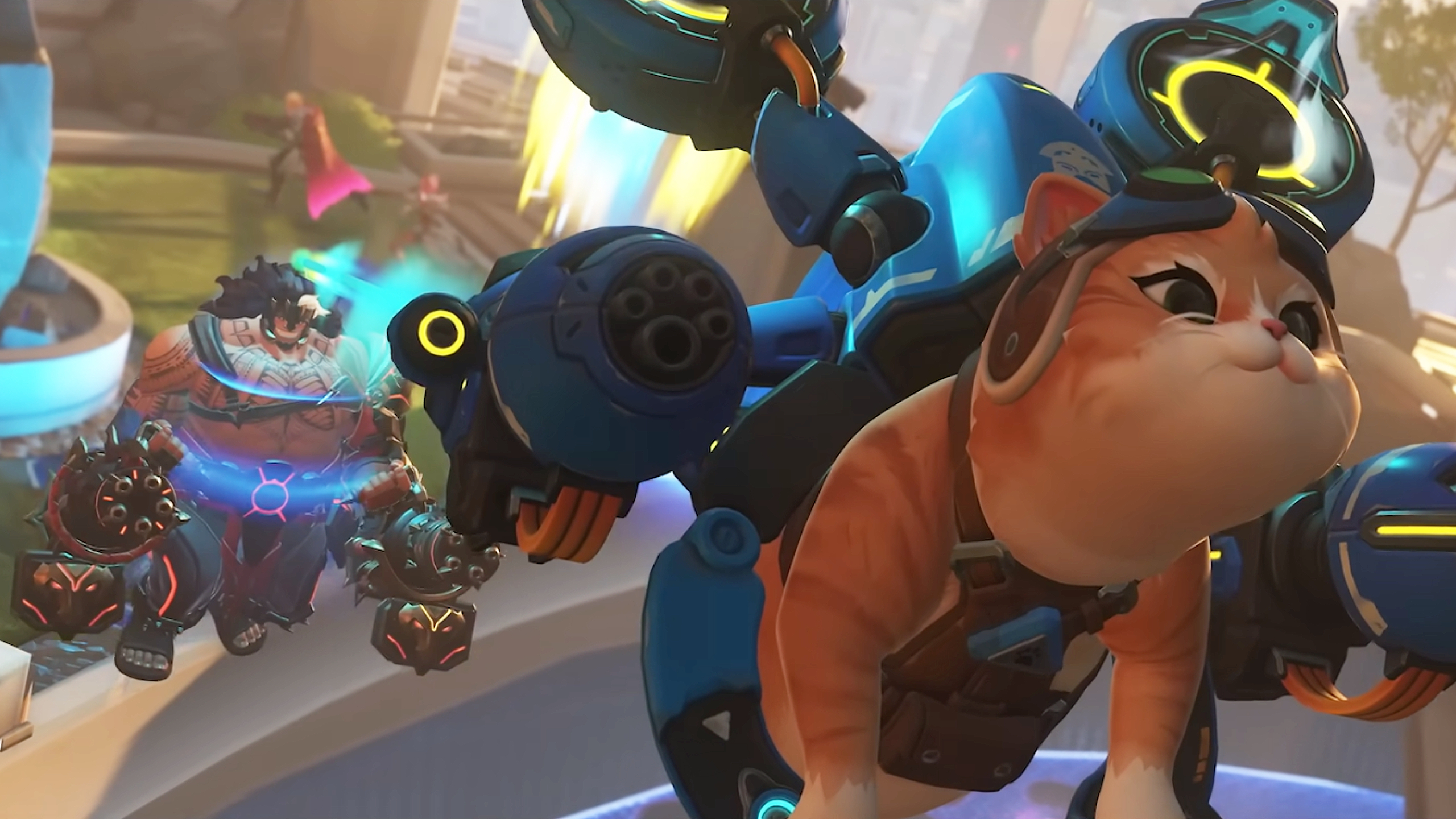
Moreover, the buffs to her combat kit raise questions about her role as a support. If Jetpack Cat becomes a reliable duelist, she may begin to compete with existing DPS-support hybrids. This could potentially shift her out of the support category entirely in terms of playstyle, forcing a wider re-evaluation of her place within the Overwatch roster.
Conclusion: A New Era for Overwatch
The nerf to Jetpack Cat is a symbolic victory for players who have felt the game’s mobility creep was becoming unsustainable. While she remains a powerful asset, the era of the untouchable "aerial bus" appears to be drawing to a close.
For the average player, these changes offer a much-needed reprieve. The frustration of being deleted by a Bastion appearing from behind a skyscraper is a memory that will linger, but the game is undoubtedly healthier for this intervention. As Season 3 progresses, the community will be watching closely to see if these adjustments truly break the stranglehold of the "Lifeline" meta, or if Jetpack Cat will find a new, equally inventive way to terrorize the battlefield.
For now, at least, players can breathe a sigh of relief. The skies over Overwatch are finally clearing, and for many, that is the most welcome change of the season.

