

In an era where the lines between social media, streaming platforms, and traditional music industry promotion are increasingly blurred, YouTube has launched a bold new initiative: "YouTube Music Nights." This series of exclusive, high-production live concerts is designed to cement the platform’s status not just as a repository for user-generated content, but as a premier destination for live music discovery and artist development.
By marrying the intimacy of small-venue performances with the global reach of its massive digital infrastructure, YouTube is positioning itself to reclaim the cultural narrative from aggressive competitors like TikTok and Spotify.
The Strategic Vision: What Are YouTube Music Nights?
At its core, YouTube Music Nights is a series of curated, exclusive live concerts that bridge the gap between digital content and physical performance. According to an official blog post from the platform, these events are "designed for dedicated fans," focusing on creating moments that feel both personal and monumental.
Unlike the platform’s massive festival live-streaming initiatives—such as its long-standing partnership with Coachella—Music Nights focuses on specificity. The series encompasses tour stops, intimate album release parties, and unique one-off shows. By collaborating with artists to select venues that hold personal or historical significance, YouTube is transforming the concert experience into a narrative-driven piece of content.
This is not merely about filming a concert; it is about "eventizing" music. By providing free, high-quality coverage of in-demand acts in "unique destinations with a special meaning to artists," YouTube is crafting a value proposition that is difficult for other platforms to replicate: the combination of A-list talent and authentic, location-based storytelling.
A Chronology of the Launch: Setting the Stage
The rollout of YouTube Music Nights has been marked by a diverse selection of artists, showcasing the platform’s ability to span genres and fanbases.
The Inaugural Trio
The program’s initial phase highlights the strategic diversity of the project:
- Bleachers at The Stone Pony: The New Jersey-bred band, led by Jack Antonoff, returned to their roots at the legendary Stone Pony in Asbury Park. By selecting a venue that is essentially a pilgrimage site for music fans, YouTube grounded the concert in authenticity.
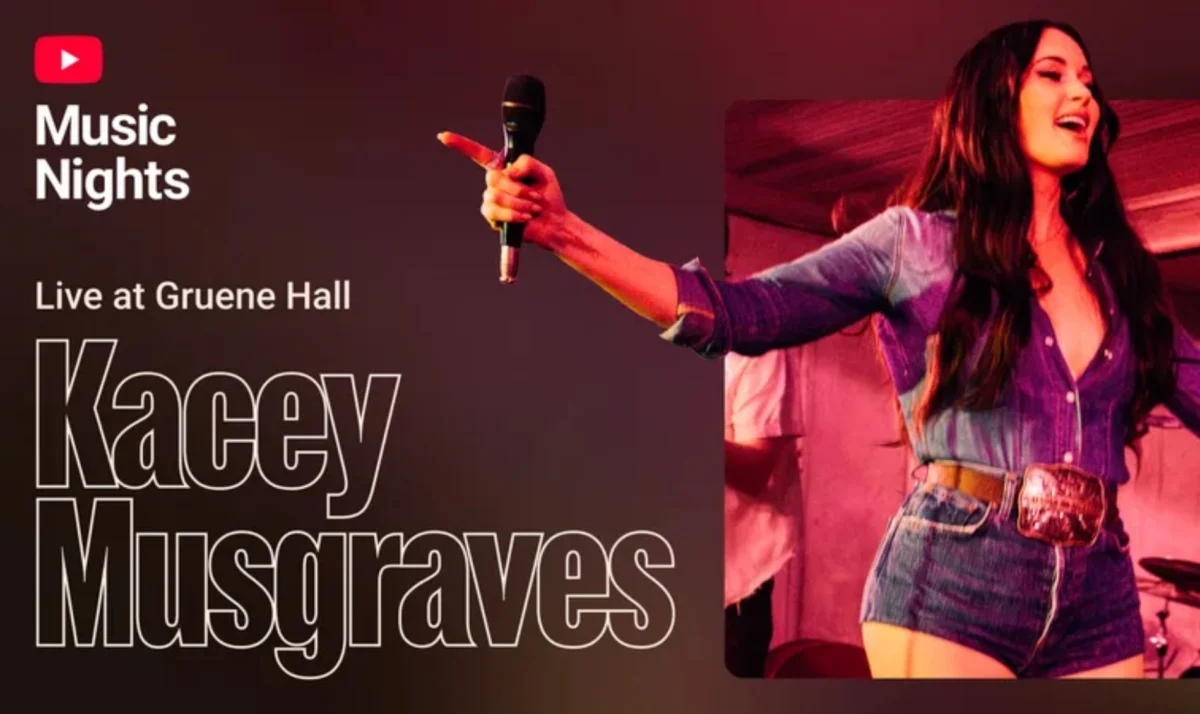
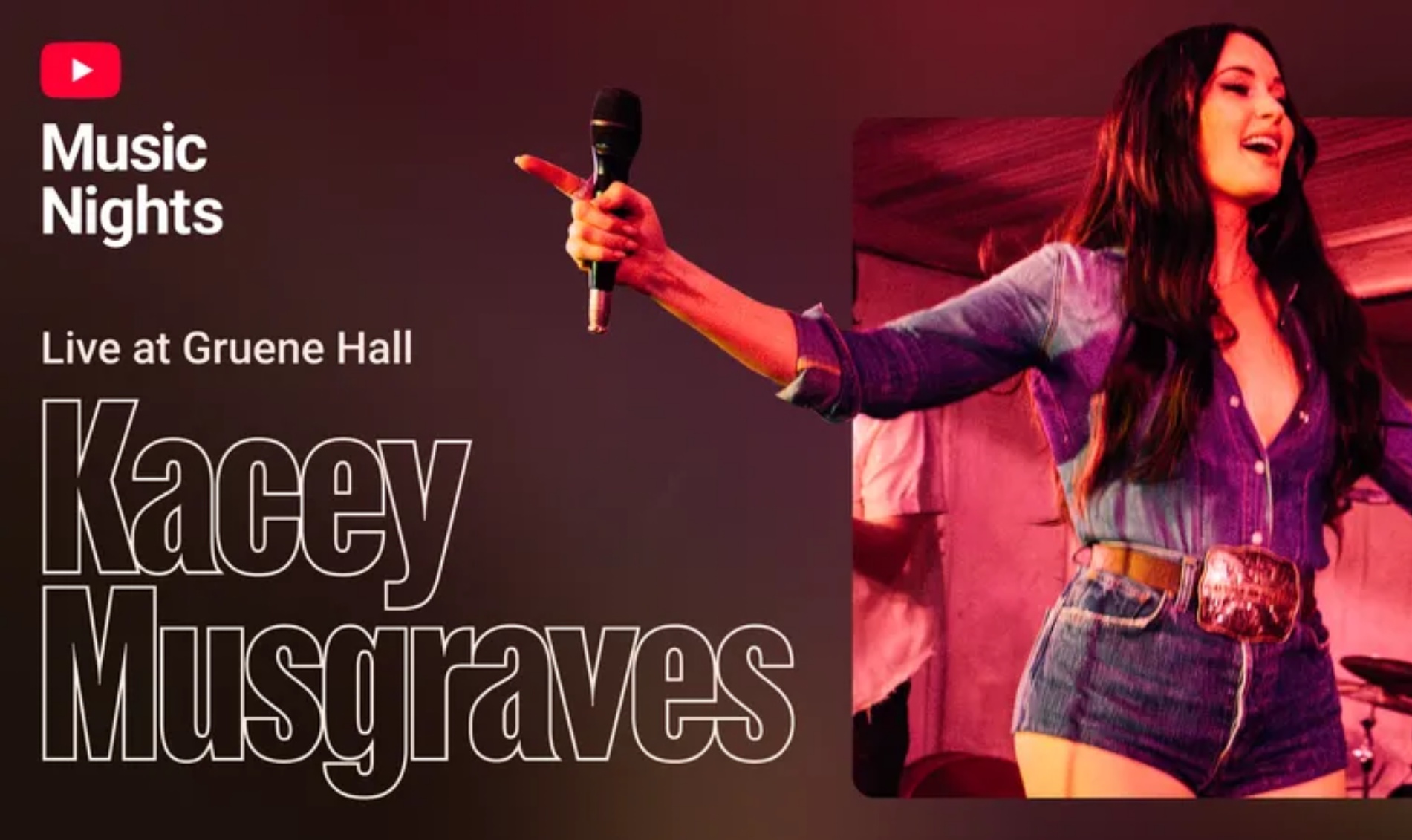
- Kacey Musgraves in New Braunfels: Country-pop superstar Kacey Musgraves celebrated the release of her latest studio album, Middle of Nowhere, with an intimate performance in the historic Gruene Hall in New Braunfels, Texas. The setting provided a stark, beautiful contrast to the massive stadium tours usually associated with artists of her stature.
- Isaiah Rashad in Los Angeles: In a move that highlights the platform’s commitment to genre diversity, jazz-rap innovator Isaiah Rashad hosted his own Music Night in L.A. While Rashad’s follower count may not match the stadium-filling power of Musgraves, his inclusion underscores YouTube’s interest in cultivating niche, highly engaged communities.
Supporting Data: Why YouTube Is Doubling Down
The decision to launch Music Nights is not arbitrary; it is backed by cold, hard data. Take the case of Isaiah Rashad, for example. While he may be considered a "niche" artist in mainstream media terms, his presence on YouTube tells a different story.
YouTube reported that Rashad has amassed an astonishing 234 million lifetime views on the platform. This metric is a testament to the "long-tail" power of the platform. Unlike fleeting trends on TikTok, YouTube’s architecture allows artists to build, maintain, and monetize an archive of work that fans return to for years.
By leveraging this data, YouTube is proving that its influence is not solely defined by viral moments, but by the cumulative power of an artist’s digital footprint. The "Music Nights" initiative serves as a bridge, converting this massive passive viewership into active, real-world engagement, effectively turning digital fans into concert attendees and loyal brand ambassadors.
The Competitive Landscape: The Battle for the Artist’s Heart
YouTube’s pivot comes at a critical juncture in the streaming wars. The company is currently facing intense pressure from two primary rivals: TikTok and Spotify.
The TikTok Challenge
TikTok has effectively pivoted from a short-form video app to an industry-defining promotional engine. Its "In The Mix" brand has evolved from a simple concert series into a multifaceted ecosystem, recently expanding into a podcast co-hosted by prominent artists. TikTok’s ability to turn a 15-second soundbite into a global chart-topper has made it the primary concern for labels and artists alike. YouTube’s Music Nights acts as a direct counter-offensive, asserting that YouTube offers a more robust, professional, and long-term environment for artist growth than the volatile landscape of short-form feeds.
The Spotify Response
Meanwhile, Spotify is fighting on the content front. The platform has been aggressively pursuing its own festival-style content and exclusive video deals, such as its recent partnership with K-pop sensations Le Sserafim. Spotify is no longer content to be a passive library of audio; it wants to be the primary interface through which fans consume music culture. YouTube’s Music Nights serves to remind the industry that YouTube is the incumbent—the platform where the music video lives, where the live-stream happens, and where the history of an artist is archived.
Official Responses and Industry Implications
While YouTube has kept the specific financial details of these partnerships under wraps, the industry response has been one of cautious optimism. Music industry analysts point to the "creator marketing meta" as a primary driver. Today, artists are not just musicians; they are creators who need "tentpole events" to sustain momentum.
In a recent industry briefing, a spokesperson for the platform noted that YouTube’s goal is to remain the "home for music." By providing the production resources for these high-end events, YouTube is essentially offering artists a marketing tool that serves multiple purposes:
- Promotion: The live event generates buzz and press.
- Content Creation: The footage becomes high-value, VOD (Video on Demand) content that lives on the artist’s channel, driving long-term revenue.
- Fan Loyalty: By offering these performances for free, YouTube builds goodwill with the artist’s core fanbase.
Implications: The Future of Music Marketing
The implications of the Music Nights initiative are profound. We are witnessing a shift where "distribution" is no longer enough. To remain relevant, platforms must provide "infrastructure." By hosting these events, YouTube is signaling that it is the ultimate partner for any artist, whether they are an emerging act looking to leverage their 200 million views or a global superstar looking to connect with fans in a meaningful, non-commercialized space.
The "Tentpole" Strategy
The modern music business is built on the "tentpole" model—an approach where marketing is focused on singular, massive events rather than a steady stream of content. Music Nights allows YouTube to own these tentpoles. By controlling the broadcast, the production, and the distribution, YouTube is effectively becoming a concert promoter, a television network, and a digital archive all at once.
The Verdict
Can YouTube successfully fend off the rapid-fire content cycles of TikTok and the ecosystem-building of Spotify? The answer likely lies in the quality of the "Music Nights" experience. If the series continues to offer the kind of high-production, high-authenticity content seen with Bleachers and Kacey Musgraves, it will serve as a powerful reminder of YouTube’s unique position in the digital ecosystem.
As the industry moves forward, the success of this initiative will be measured not just by viewership numbers, but by the platform’s ability to remain the primary destination for the "music moment." In a digital world that is constantly moving, YouTube is betting that the most valuable commodity remains a high-quality, long-form experience that brings the artist and the fan closer together than ever before.
Whether this becomes the new gold standard for artist promotion remains to be seen, but one thing is clear: the battle for the music industry’s future is being fought in concert halls, on high-definition screens, and in the hearts of the fans who make it all possible. YouTube has made its move—now, the industry waits to see who steps up next.

