

Virtual Reality has long been a sanctuary for horror enthusiasts. The medium’s unique ability to collapse the "fourth wall"—placing players in claustrophobic, shadow-drenched corridors with predatory entities—is unmatched. However, the "Soulslike" genre, defined by its intricate world-building, punishing combat, and non-linear level design, has remained a notoriously difficult beast to tame in a VR space. Bringing the precision and weight required for a Dark Souls-inspired experience to a headset is a daunting engineering challenge.
Enter Bramblefort, the latest project from developer False Member. Currently available as a free demo during the Steam Next Fest, this title isn’t just another VR horror romp; it is an ambitious, structural fusion of survival horror and high-stakes, methodical action that suggests we may finally have a new benchmark for the genre.
The Facts: A Technical Overview
Bramblefort is a masterclass in atmosphere, blending the visceral dread of survival horror with the methodical, exploration-heavy DNA of the action-RPG genre.
- Genre: VR Survival Horror / Soulslike
- Developer/Publisher: False Member
- Platform: PC VR (Available via Steam)
- Availability: Free demo live during Steam Next Fest (until June 22nd)
- Core Pillars: Vertical level design, tactile weapon interaction, and environmental storytelling.
A Chronology of Dread: The Descent into Bramblefort
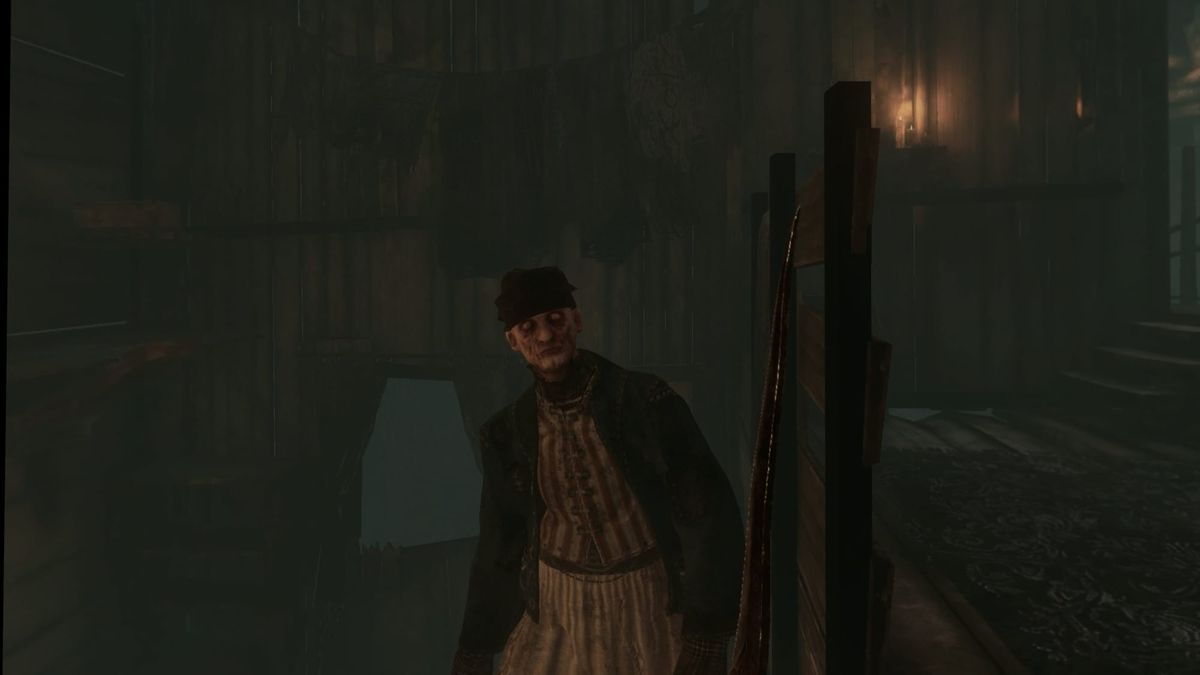
The experience begins with a chilling promise. The main menu serves as a precursor to the nightmare: the player finds themselves trapped within a decrepit, drafty cabin, flanked by three decomposing corpses whose hollow gazes remain locked on the player. It is a subtle, effective way to set the tone.
The narrative prologue is equally atmospheric. Set in a 1920s-style cinema, the player is presented with a grainy, ominous intelligence briefing. You are a field operative dispatched to an isolated island in the northern Atlantic known as Bramblefort. The mission parameters are vague: investigate reports of anomalous activity and secure the perimeter. The military’s confidence—"expect low resistance"—is quickly revealed to be a fatal miscalculation.
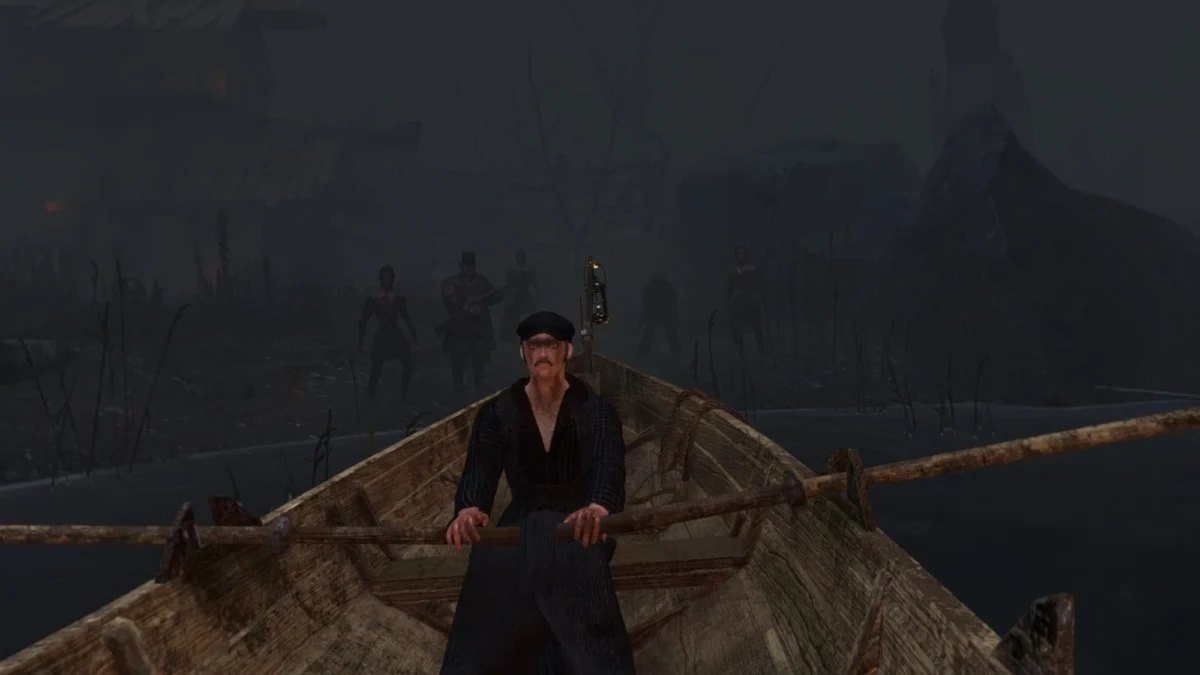
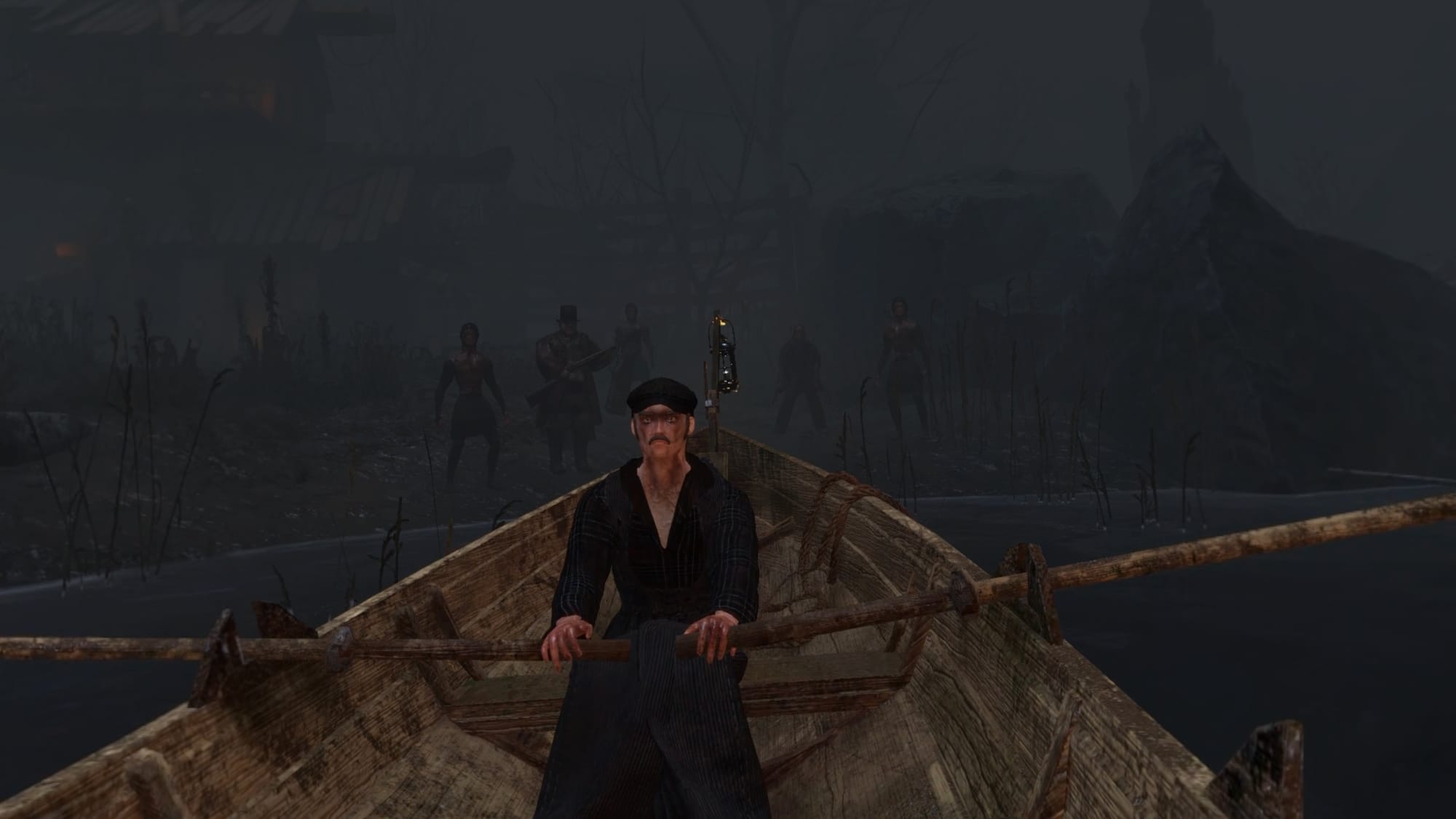
The tutorial is deceptively standard, teaching players how to interact with a revolver and manage inventory by physically placing items over their shoulders. However, the transition from "operative" to "victim" is abrupt. Upon arrival via canoe, the player’s guide is decapitated in a sudden, brutal moment of violence. The game doesn’t aim for hyper-realism in its graphical fidelity, which proves to be a smart design choice; by leaning into a stylized, grotesque aesthetic, the developer avoids the "uncanny valley" while still delivering a gut-punch of horror. Kidnapped and tossed into a damp, stone-walled jail cell, the game sheds its narrative skin and enters its true form: the Soulslike.
Supporting Data: Level Design and Combat Mechanics
The defining feature of Bramblefort is its commitment to "FromSoftware-style" level design. In an era where many VR titles rely on linear "corridor-shooting," Bramblefort emphasizes verticality and agency.
The Architecture of Despair
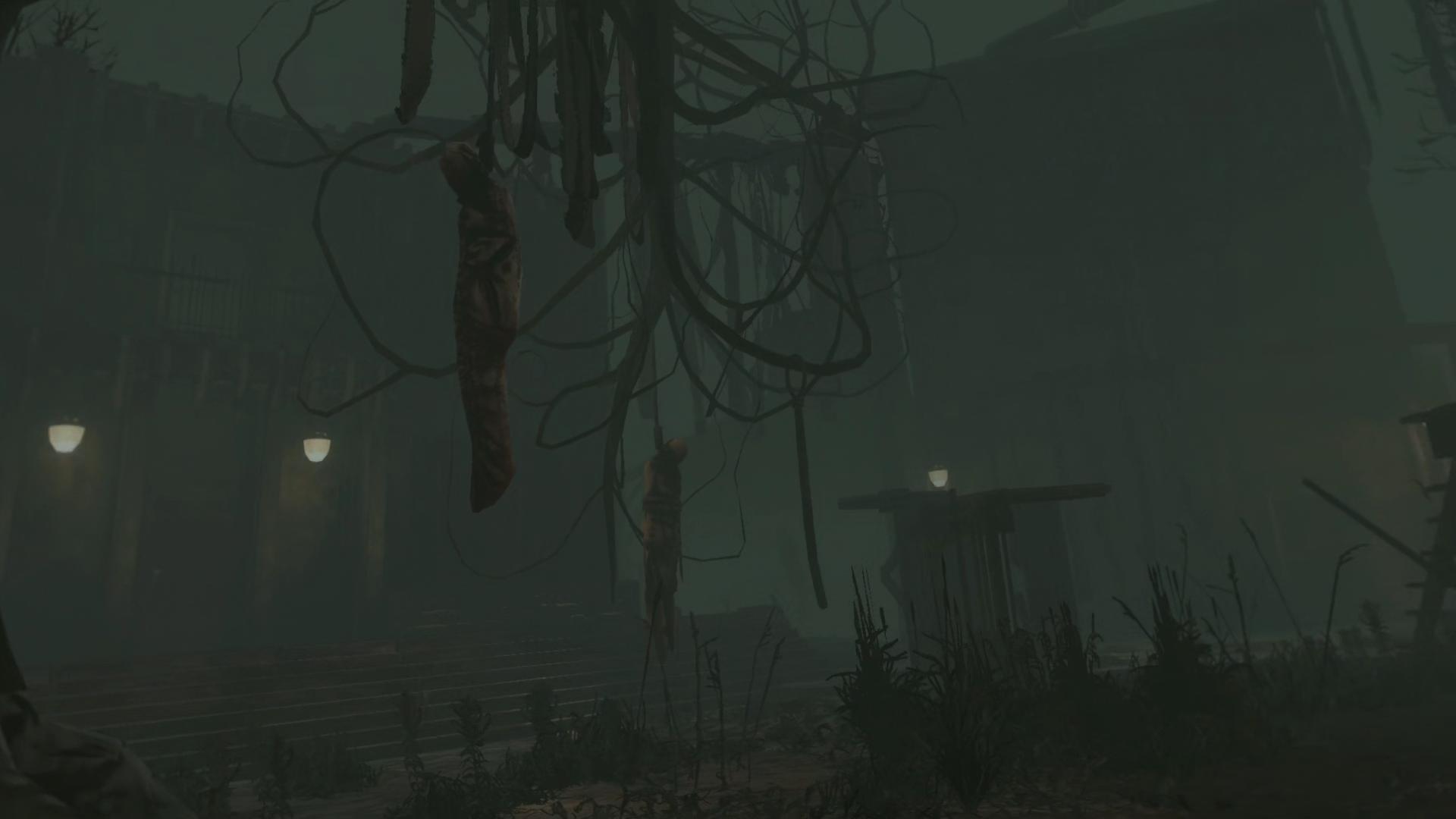
The demo presents a multi-path philosophy that is rarely seen in VR. Whether you are navigating a Victorian-era castle, wading through toxic marshlands, or infiltrating a sprawling, labyrinthine bathhouse, the game offers a refreshing "choose your own path" approach. Players can utilize pipes to climb, jump across crumbling rooftops, or brute-force their way through locked gates. This 2+ hour demo feels remarkably dense, rewarding players for curiosity rather than hand-holding them toward the next waypoint.
Combat: The Flimsy and the Powerful
Combat in VR is often a point of contention. Bramblefort takes a pragmatic approach. Early encounters rely on melee weapons—knives, rusted cleavers, and hammers—which can feel slightly "flimsy" due to the lack of haptic resistance. However, within the context of the game’s frenetic, high-stakes encounters, this lack of weight works in its favor. You are not a master warrior; you are a desperate survivor swinging a rusted blade to stave off the encroaching undead.
As the player progresses and manages to reclaim their gear—revolvers, shotguns, and explosives—the experience shifts. The weapon interaction is tactile and deliberate. The pause menu, designed as a physical, rusty wheel, is a stroke of genius that keeps the player grounded in the world. Loading a shotgun by manually inserting shells and racking the slide feels heavy and rewarding, even if it is occasionally unwieldy under pressure.
Official Responses and Developer Intent
While developer False Member has remained relatively quiet regarding a firm release date, the demo serves as a "proof of concept" that is already making waves in the enthusiast community. In previous discussions regarding the project, the team emphasized that Bramblefort was designed to address the "lack of consequence" in modern VR.
By removing traditional safety nets and forcing players to navigate intricate, interconnected environments, the team is clearly aiming to capture the specific anxiety that comes from being "lost" in a hostile world. The absence of a traditional settings menu—limiting interaction to snap rotation and continuous movement—indicates that the developers are prioritizing a specific, intense "vibe" over universal comfort settings. This is a bold creative choice that suggests the game is intended for experienced VR users who value immersion above all else.
Implications: The Future of VR Action-RPGs
The success of the Bramblefort demo has significant implications for the future of the VR market. For years, the industry has struggled to bridge the gap between "VR experience" and "full-scale game."
- The "Soulslike" Standard: Bramblefort proves that complex, interconnected level design is not only possible in VR but highly desirable. It shifts the expectation for future indie developers; players will no longer be satisfied with simple wave-shooters.
- Genre Blending: By successfully melding survival horror with the structural complexity of a Soulslike, Bramblefort creates a unique niche. It proves that the "Bloodborne-in-VR" dream is not just a fantasy, but a viable product.
- The Rise of Independent VR Studios: Bramblefort joins a growing list of titles, such as Grimlord, that prove small, agile teams can outmaneuver larger studios by focusing on core mechanics rather than graphical fidelity.
Final Verdict
While there are rough edges—such as the occasionally floaty melee combat—the Bramblefort demo is a triumph of design. It feels cohesive, terrifying, and intellectually challenging. It demands that the player be present, observant, and resilient.
For those looking for a game that respects their intelligence and tests their nerves, the island of Bramblefort is a destination worth visiting. As the industry moves forward, it is likely that this demo will be remembered as the moment the VR action-RPG truly came of age.
Bramblefort is currently available to download on Steam until June 22nd. Whether you are a fan of the punishing difficulty of Souls games or the atmospheric terror of Resident Evil, this is a title that demands your attention.

