

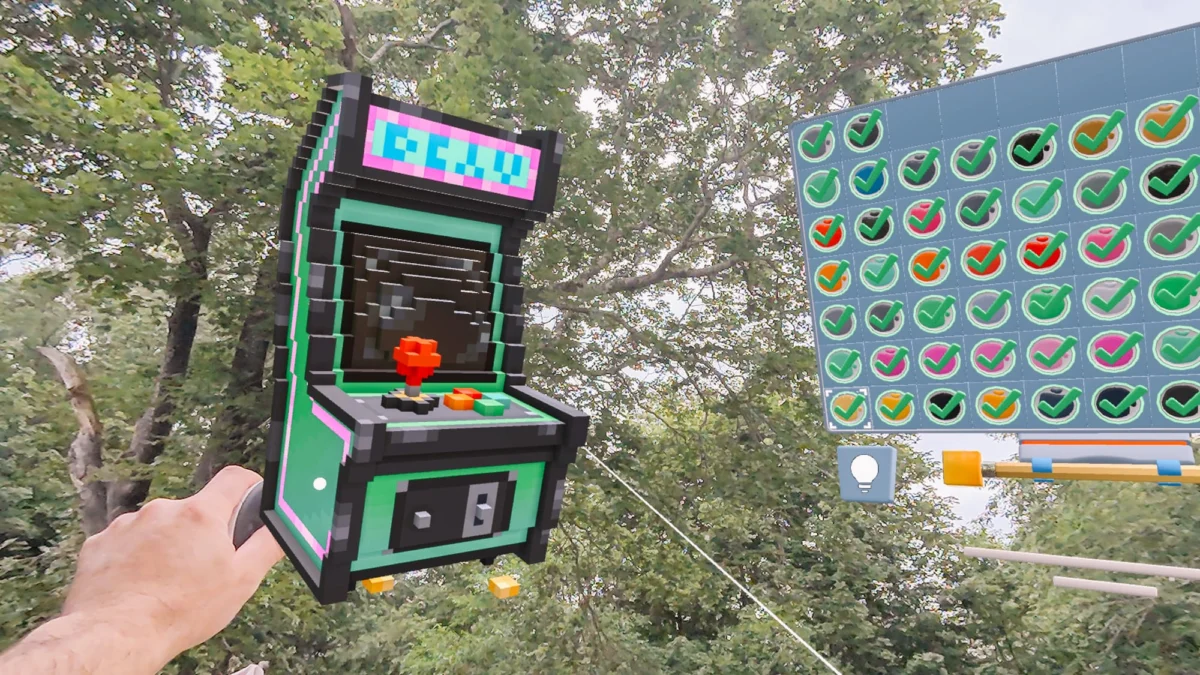
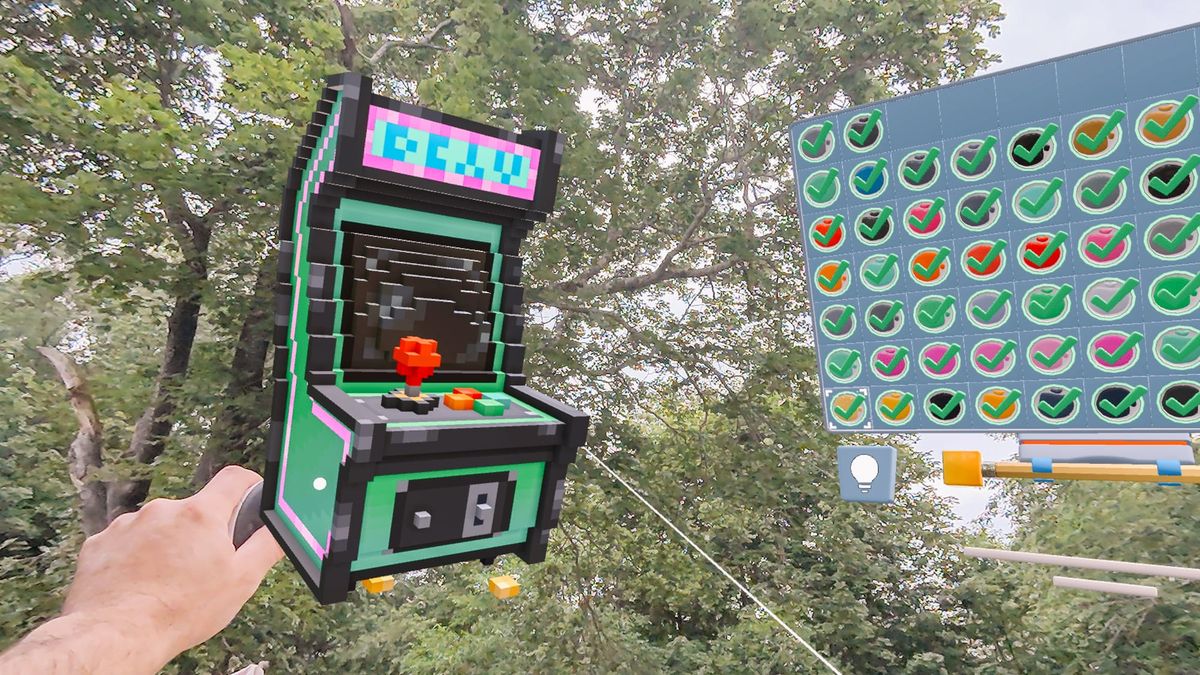
In an era defined by high-octane VR shooters, complex RPGs, and adrenaline-fueled competitive multiplayer titles, the release of Color-A-Cube feels less like a product launch and more like a collective exhale. Developed by AlterEyes, the title officially shed its Early Access status on June 18, 2026, offering a serene, meditative take on the classic color-by-number genre. By translating the tactile satisfaction of physical coloring books into the immersive space of Virtual and Mixed Reality (MR), AlterEyes has created a digital sanctuary that prioritizes tranquility over leaderboard dominance.
The Core Facts: A Digital Coloring Book Reimagined
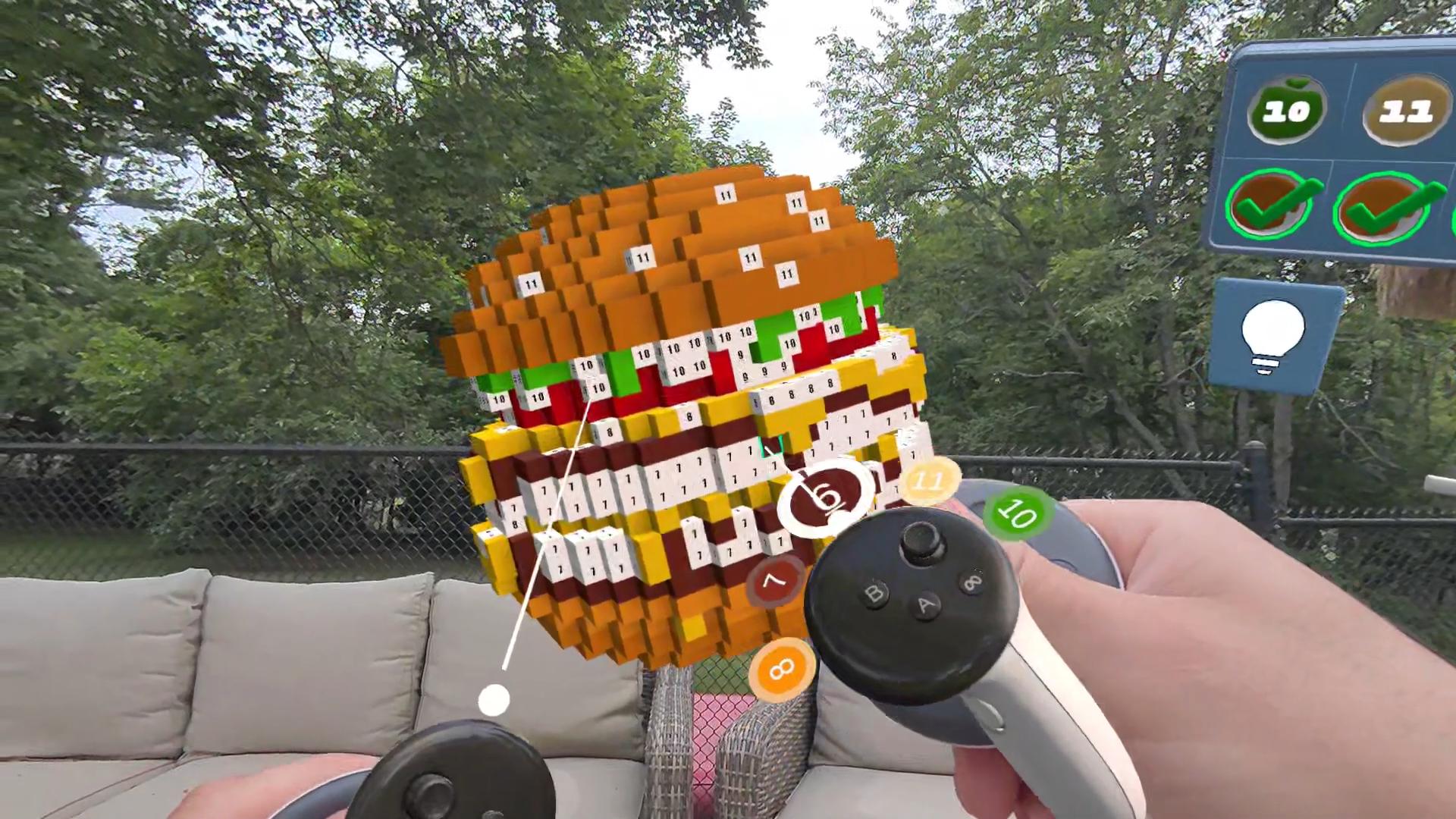
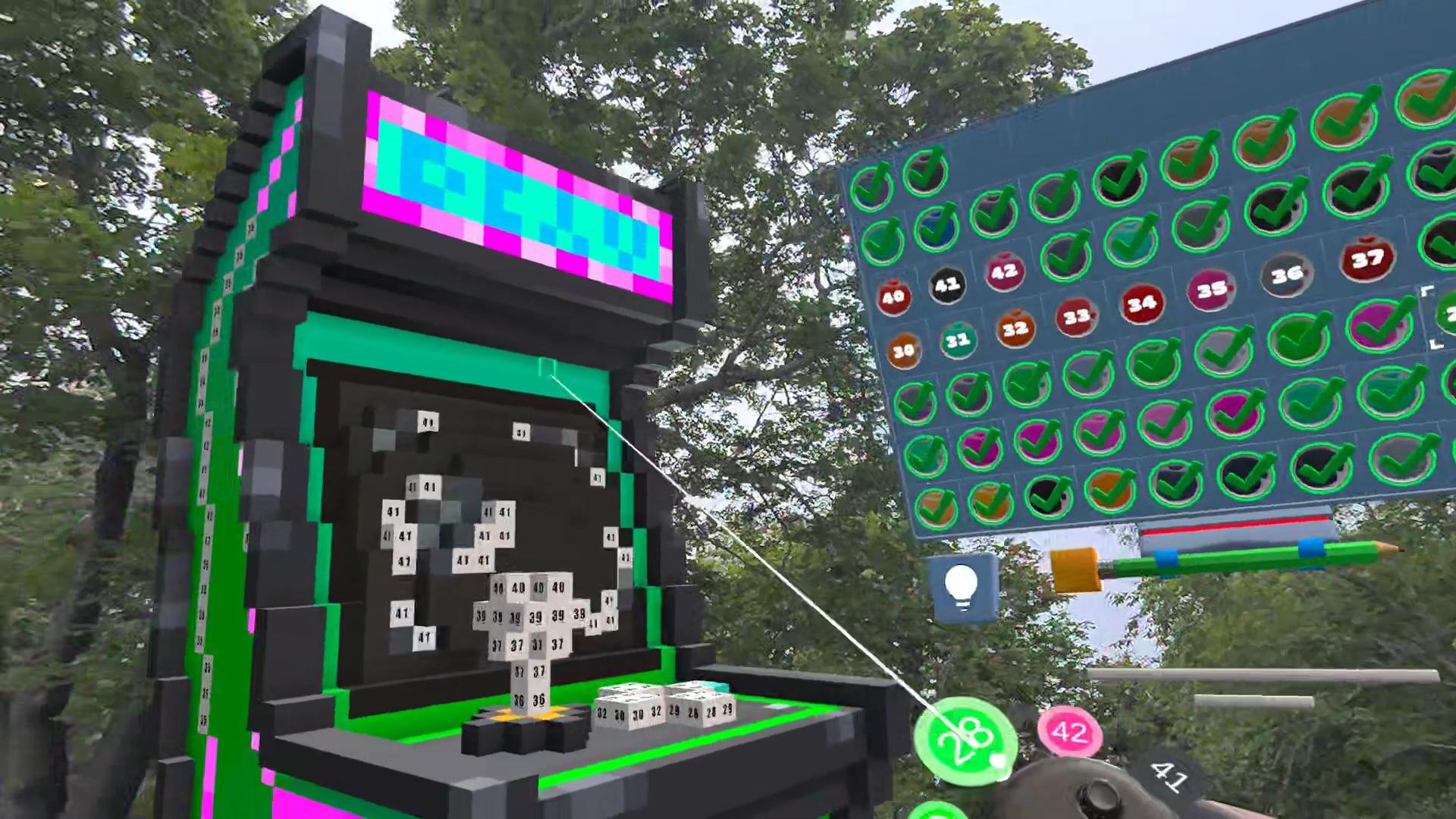
Color-A-Cube is a voxel-based creative experience designed to anchor players in the present moment. By utilizing numbered cubes within 3D models, the game tasks users with applying specific hues to build a complete, vibrant structure. It is a game of rhythm and repetition, intentionally designed to lower the player’s heart rate rather than spike it.
Essential Data
- Color-A-Cube
- Developer/Publisher: AlterEyes
- Platforms: Meta Quest, PICO
- Launch Date: June 18, 2026
- Price Point: $7.99 (Free trial available)
- Content Model: Base game includes 100+ models; weekly free content updates; monthly paid DLC; optional "Color Pass" for all-inclusive access.
Chronology: From Early Access to Full Release
The journey of Color-A-Cube began in the incubator of the VR indie scene, where the team at AlterEyes sought to answer a simple question: How can we make the act of "filling in the blanks" feel physically rewarding in a 3D space?
During its time in Early Access, the development team focused heavily on refining the ergonomics of the experience. They recognized early on that for a "cozy" game to succeed, the interface had to be invisible. The resulting 1.0 version, which dropped in mid-June 2026, represents the culmination of this feedback. The transition from Early Access to a full release saw the implementation of more robust haptic feedback, refined tracking for both hands, and a massive expansion of the model library, transforming it from a simple prototype into a substantial, long-term hobbyist platform.
The Mechanics of Calm: Intuitive Design
The beauty of Color-A-Cube lies in its lack of friction. The control scheme is a masterclass in intuitive VR design. Users employ their dominant hand as the "painter," while the non-dominant hand acts as the "sculptor," allowing for the manipulation, rotation, and resizing of the voxel model.
Hand-Tracking and Ergonomics
The ability to resize models using a two-handed gesture is a standout feature. It allows players to zoom in on intricate details—reaching those stubborn, hard-to-paint nooks—without breaking the flow of the session. The "progress ring" integrated into the player’s virtual hand provides a subtle, non-intrusive visual cue, keeping the player informed of their progress without necessitating HUD elements that might shatter the immersion.
Audio and Tactile Feedback
Much of the game’s "chill" factor is derived from its sound design. Every time a digital brush touches a cube, the game triggers a reactive, satisfying sound effect. While seemingly minor, these auditory cues provide a Pavlovian sense of completion that keeps the player engaged in a state of flow. Combined with the peaceful, minimalist soundtrack, the experience creates a localized bubble of relaxation—a perfect antidote to the stresses of a standard work day.
Supporting Data: An Ever-Expanding Library
One of the primary concerns for casual, non-competitive games is "content fatigue." AlterEyes has addressed this by committing to a robust post-launch content strategy. The base game ships with over 100 models, covering a vast thematic spectrum that includes:
- Flora and Fauna: Detailed animals and complex botanical arrangements.
- Architectural Marvels: Miniature recreations of buildings and cultural landmarks.
- Whimsical Concepts: A rotating selection of alien species, mythical monsters, and "living" food items.
- Nostalgia and Toys: Items that evoke a sense of play, ensuring that the library appeals to a wide demographic, from children to adults seeking a nostalgia-filled wind-down.
By implementing a "Color Pass" and monthly DLC, AlterEyes is positioning Color-A-Cube not as a finite game, but as a subscription-lite service for those who view coloring as a lifestyle ritual rather than a quick play session.
Official Perspective: The Philosophy of AlterEyes
In discussions regarding the design philosophy of the project, the team at AlterEyes has emphasized the "MR First" approach. Unlike many titles that simply port VR assets into a passthrough mode, Color-A-Cube was built with the assumption that the player might want to sit at their own kitchen table or desk.
The developer notes that the most significant hurdle in development was not the coloring mechanic itself, but the lighting engine. Making a digital object feel like it truly "sits" on a user’s physical furniture in Mixed Reality required significant attention to shadows and occlusion. By mastering this, AlterEyes has allowed the technology to fade away. The player is not looking at a screen; they are looking at a sculpture that happens to be made of light.
Implications for the Future of MR
Color-A-Cube serves as a case study for the "cozy" movement in Mixed Reality. As hardware becomes more comfortable and passthrough technology matures, the appetite for "non-gaming" games is growing.
1. The Death of the "High Score"
Color-A-Cube is part of a growing trend in XR (Extended Reality) that rejects the pursuit of high scores and intense competition. This is a critical development for the industry; if VR is to move beyond the "gamer" demographic, it must offer utility and comfort. This title proves that you do not need a narrative hook or a skill tree to provide value.
2. The Normalization of MR
By utilizing Mixed Reality, the game removes the "silo" effect of VR. Users can paint while listening to a podcast, watching the room, or keeping an eye on their home environment. This makes it a "secondary" activity—something that can exist in the periphery of a busy life.
3. The Monetization of Simplicity
The success of the "Color Pass" model in a relaxing, low-stakes environment suggests that there is a sustainable market for "digital hobbies." Just as mobile users have flocked to apps like Colorfy or Happy Color, the VR/MR market is proving that users are willing to pay for consistent, high-quality, and stress-free content.
Conclusion: Is It Worth Your Time?
Color-A-Cube is not a title that will challenge your reflexes or demand your total intellectual focus. It does not reinvent the wheel of game design, nor does it attempt to push the boundaries of graphical fidelity. However, in its restraint, it finds greatness.
For those who view their gaming sessions as a time to recharge, Color-A-Cube is an essential addition to a Quest or PICO library. It is a rare example of a developer understanding exactly what their audience needs and delivering it with polish, precision, and an unhurried, calm confidence. In a market flooded with noise, Color-A-Cube provides exactly what we often forget to look for: a quiet, creative corner to call our own.
Whether you are looking to spend ten minutes between meetings or two hours on a Sunday morning, this title offers a reliable, meditative experience that turns your physical space into a digital canvas. It is, quite simply, a very good thing.

