

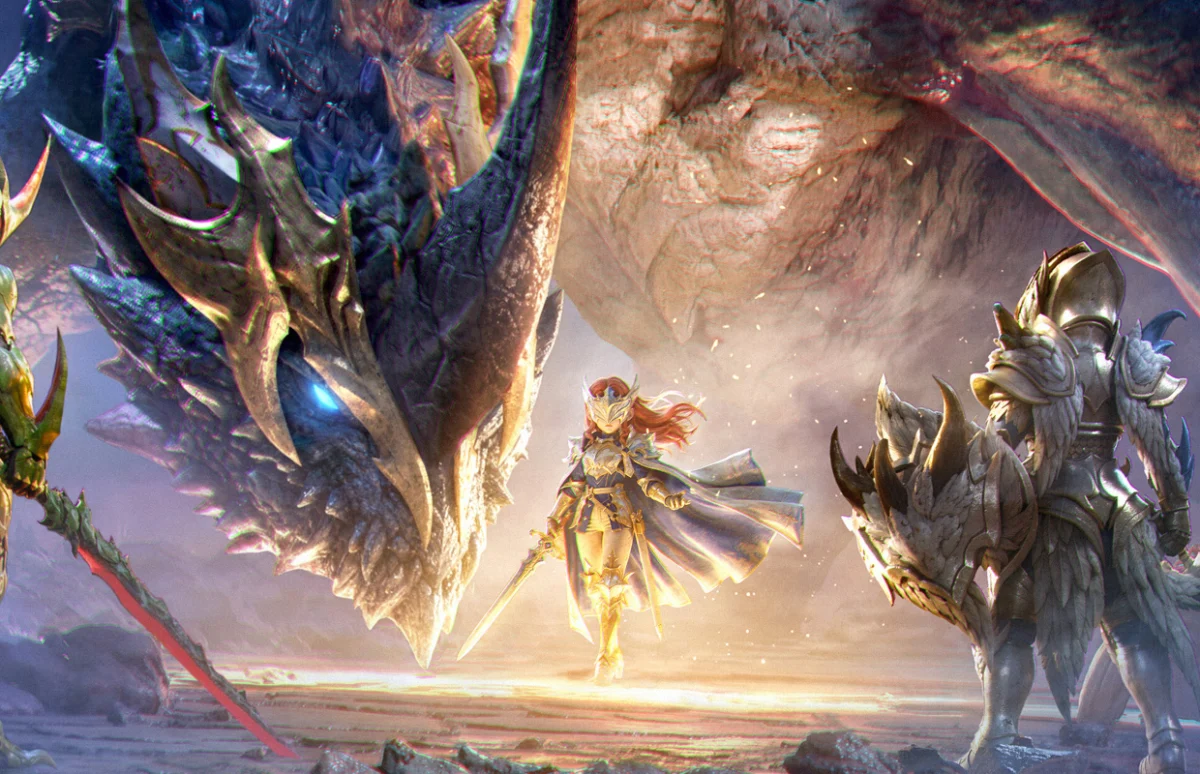
In a bold move that seeks to dissolve the rigid boundaries between high-octane combat and tranquil life simulation, Chinese independent developer Jotoyo Games has officially pulled back the curtain on its debut title, Monster Fantasy. Following a viral reception on the Chinese social media platform Bilibili, the studio has transitioned to a global reveal, confirming that the title will launch on PC via Steam.
Monster Fantasy is not merely another entry in the saturated monster-taming market. By weaving the tactical, visceral combat mechanics reminiscent of the Monster Hunter franchise with the community-centric, restorative gameplay loops of Stardew Valley and Animal Crossing, Jotoyo is positioning its project as a "genre-defying" experience. With a 20-person team composed of industry veterans and an innovative reliance on Large Language Model (LLM) integration for NPC interactions, the project has quickly become one of the most anticipated indie titles currently in development.
The Genesis of an Idea: A Chronology of Development
The journey of Monster Fantasy began in the creative halls of Jotoyo, a studio based in China. While the team is modest in size, their collective experience in the gaming industry spans decades, a factor that is immediately evident in the polish of the pre-alpha combat footage released earlier this year.
The Bilibili Breakthrough
The game’s trajectory shifted significantly in early 2024 when a series of pre-alpha combat snippets were uploaded to Bilibili. The footage, showcasing fluid, freeform action against towering beasts, resonated deeply with domestic audiences. Within weeks, the clips amassed over 1 million views, signaling to the developers that their vision—a synthesis of "hardcore" combat and "cozy" aesthetics—had a clear and hungry audience.
Global Expansion and Steam
Following the domestic success, Jotoyo began the arduous process of localizing their vision for the international market. The creation of a dedicated Steam page serves as the cornerstone of this global push. Unlike many regional projects that struggle to bridge the cultural gap, Jotoyo has prioritized English and Japanese subtitle support from the outset, ensuring that the game’s core mechanics are accessible to a global player base.
The Kickstarter Horizon
To fuel the next phase of development, Jotoyo has announced a forthcoming public crowdfunding campaign on Kickstarter. This move is designed not only to secure financial runway but to foster a community-driven development environment. By engaging directly with backers in both English and Japanese, the studio aims to crowdsource feedback that will shape the final iteration of the game’s life-simulation systems.
Design Philosophy: Where Chibi Meets High-Stakes Combat
At the heart of Monster Fantasy lies a fundamental design paradox: how does one balance the intensity of a boss fight with the serenity of a village farm?
Visual Identity
The game utilizes a distinct "Chibi" aesthetic, characterized by exaggerated proportions and vibrant, saturated color palettes. This choice is deliberate. By removing the "gritty" visual markers of traditional action RPGs, Jotoyo creates a welcoming atmosphere that lowers the barrier to entry for casual players, while still allowing for the complex, screen-filling combat sequences that core action fans demand.
The Mechanics of "Cozy-Action"
The gameplay loop is split into two distinct but overlapping spheres:
- The Hunt: Players venture into diverse biomes to track, capture, and tame gargantuan monsters. This system draws heavy inspiration from the Monster Hunter series, requiring players to study movement patterns, utilize terrain, and prepare equipment.
- The Haven: Once a hunt is concluded, players return to their village. Here, the game shifts into a life-sim, where resource gathering, crop management, and social interaction take center stage.
According to Jotoyo, the integration of these two systems is seamless. The materials harvested from the wild are used to upgrade the village, while the village itself provides the tools, potions, and buffs necessary to tackle the next, more difficult hunt.
Innovation in Interaction: The AI Revolution
Perhaps the most ambitious technical feature of Monster Fantasy is its implementation of artificial intelligence. In a modern gaming landscape where NPC dialogue is often restricted to static, pre-written text trees, Jotoyo is taking a different path.
LLM-Powered NPCs
The game features over 100 unique NPC villagers, each of whom will be powered by an LLM-based dialogue system. This allows for dynamic, context-aware conversations that evolve based on the player’s history, the current state of the village, and the world’s progression.
Text-to-Speech Integration
Coupled with the LLM backend is an advanced text-to-speech (TTS) system. The studio has disclosed this as part of their AI transparency initiative on Steam. The goal is to provide a sense of life and spontaneity to the village. Instead of repeating the same three lines of dialogue, villagers will be able to comment on the player’s recent hunts, the weather, or the success of the harvest in real-time, effectively blurring the line between scripted NPCs and living characters.
Official Perspectives: The Founder’s Vision
Jotoyo founder Allan Xai has been vocal about the studio’s aspirations, framing Monster Fantasy as a solution to a growing disconnect in the gaming market.
"Our ambition is to break down the barrier between action games and cozy games," Xai noted in a recent press statement. "We want to create a world where players of different ages, skill levels, and play preferences can each find their own kind of enjoyment."
Xai emphasizes that the game is intended to function as an "emotional shelter." In an era where many games demand constant attention and competitive pressure, Monster Fantasy is designed to offer a "moment of peace." The studio views the game as a potential bridge for social connection, enabling hardcore players to share their achievements with casual-gaming friends and family members who may prefer the village management aspects of the experience.
Implications for the Industry
The emergence of Monster Fantasy signals a broader shift in indie development. The game is part of a growing trend of "hybrid" titles that refuse to be categorized by a single genre. By combining the technical rigor of an ARPG with the accessibility of a life-sim, Jotoyo is testing the limits of what a smaller team can accomplish with modern development tools.
The Role of AI in Indie Studios
Jotoyo’s reliance on LLMs for NPC interaction highlights how AI is becoming a force multiplier for smaller teams. Historically, creating dialogue for 100+ NPCs would require an enormous writing staff and massive localization budgets. By utilizing AI-assisted generation, Jotoyo is attempting to provide a level of depth that was previously the exclusive domain of AAA studios with hundreds of developers.
The "Cozy" Market Saturation
While the life-sim genre is currently crowded, Monster Fantasy distinguishes itself through its combat pedigree. Most cozy games offer simplified combat or avoid it entirely. By leaning into the Monster Hunter style of engagement, Jotoyo is targeting a specific niche of players who enjoy high-intensity gameplay but are exhausted by the bleak, hyper-realistic aesthetics often associated with that genre.
Looking Ahead: The Road to Release
As the Kickstarter campaign approaches, the eyes of the gaming community are firmly fixed on Jotoyo. The promise of the game is immense, but the challenge of balancing two disparate genres is equally significant.
The studio has promised to reveal more features, including specific details on monster taming mechanics and multiplayer integration, throughout the duration of their crowdfunding campaign. For now, Monster Fantasy stands as a testament to the creativity of modern independent studios—a project that dares to ask if a player can be both a fierce beast-slayer and a content village farmer, all within the span of a single afternoon.
For those eager to follow the project, the official Steam page remains the primary hub for updates, screenshots, and future trailer drops. Whether or not Monster Fantasy can successfully bridge these two gaming worlds remains to be seen, but one thing is certain: the conversation around "cozy" gaming is about to get a lot more adventurous.

