

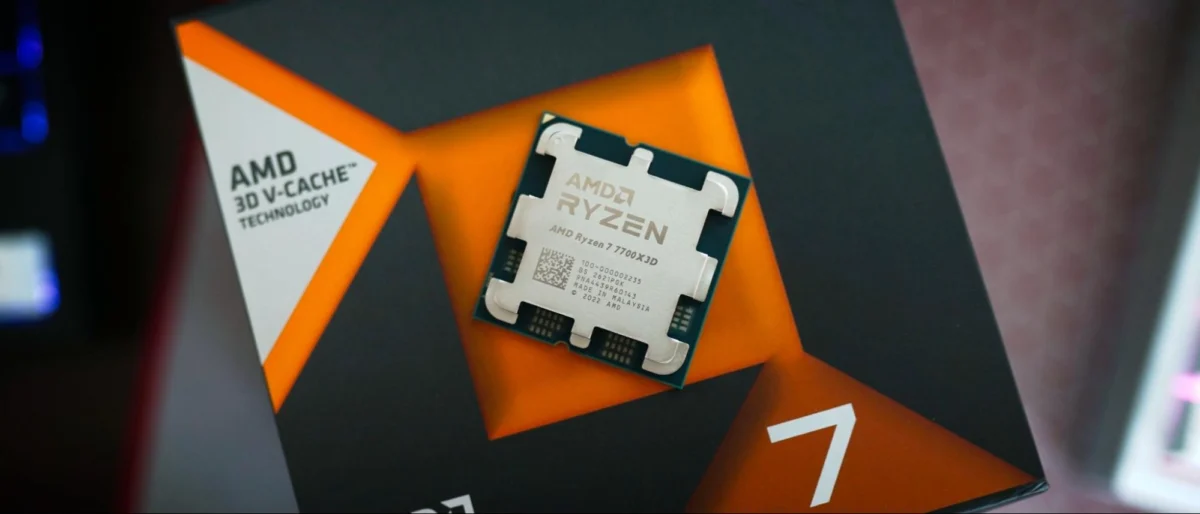
[City, State] – [Date] – The competitive landscape of high-performance computing has been significantly altered with a recent development concerning AMD’s latest gaming-centric processor. Just days after its much-anticipated launch, the AMD Ryzen 7 7700X3D, a CPU lauded for its exceptional gaming prowess but initially hampered by its pricing strategy, has seen its market value proposition dramatically improve. Thanks to an exclusive promotional offer on Newegg, the processor is now available for an enticing $279, a substantial reduction from its official launch price of $329. This strategic price adjustment effectively addresses the primary criticism leveled against the chip, positioning it as a highly compelling option for gamers seeking top-tier performance without breaking the bank.
The initial reception for the Ryzen 7 7700X3D was marked by a dichotomy: universal acclaim for its consistent and stellar performance in gaming applications, juxtaposed with concerns over its proximity in price to the more potent Ryzen 7 7800X3D. This narrow price differential rendered the 7700X3D somewhat redundant in the eyes of many enthusiasts and reviewers. However, the introduction of the promo code "PKC337" on Newegg, granting a $49 discount, has not only re-evaluated its standing but has also ignited fresh interest in AMD’s specialized gaming silicon. This move is particularly significant given Newegg’s exclusive distribution rights for the 7700X3D in North America until Q4 2026, granting the retailer unique leverage in market pricing.
Main Facts: A Game-Changing Price Adjustment
The core of this unfolding story revolves around a significant market correction for the AMD Ryzen 7 7700X3D. Launched with an official MSRP of $329, the processor initially struggled to carve out a distinct niche for itself, largely due to its close pricing to the Ryzen 7 7800X3D, which offered marginally superior gaming performance for a slightly higher cost. This left many consumers questioning the value proposition of the newer chip.
The Newegg Intervention:
The situation changed dramatically with the emergence of a Newegg exclusive promotional code, "PKC337." This code automatically applies a $49 discount at checkout, bringing the final price of the Ryzen 7 7700X3D down to a mere $279 before taxes. This discount is transformative, establishing a clear and appealing price separation of at least $120 between the 7700X3D and its more expensive sibling, the 7800X3D. This newfound affordability drastically enhances the 7700X3D’s value, making it a highly attractive option for budget-conscious gamers who refuse to compromise on in-game performance.
The Ryzen 7 7700X3D’s Core Appeal:
Despite its initial pricing woes, the 7700X3D always held strong technical merits. It leverages AMD’s innovative 3D V-Cache technology, which stacks an additional layer of L3 cache directly onto the CPU die. This significantly boosts performance in cache-sensitive applications, particularly video games, by reducing latency and improving data access times. As an 8-core, 16-thread processor with a substantial 104MB of combined cache and a 120W Thermal Design Power (TDP), it is engineered to deliver a premium gaming experience. While its boost clock of up to 4.5 GHz is slightly lower than the 7800X3D’s 5 GHz, real-world gaming benchmarks have shown that the performance difference is often negligible, especially at higher resolutions where GPU limitations become more pronounced.
The rapid adjustment in pricing underscores the dynamic nature of the CPU market and AMD’s strategic intent to capture a broader segment of the gaming audience. By making high-performance X3D technology more accessible, AMD aims to strengthen its position against rival Intel, particularly in the crucial gaming segment where X3D chips consistently demonstrate a significant advantage.
Chronology: From Anticipation to Accessibility
The journey of the AMD Ryzen 7 7700X3D from its conceptualization to its current status as a potential best-buy gaming CPU is a compelling narrative of innovation, market challenges, and strategic adaptation.
The Genesis of X3D Technology:
AMD first introduced its groundbreaking 3D V-Cache technology with the Ryzen 7 5800X3D on the AM4 platform. This chip, released in April 2022, was a revelation, proving that additional L3 cache could deliver gaming performance competitive with, and often superior to, more expensive contemporary processors, even those with higher clock speeds. Its success laid the groundwork for the expansion of X3D technology to AMD’s latest AM5 platform.
The AM5 Era and the X3D Lineup:
With the transition to the AM5 socket, which introduced support for DDR5 memory and PCIe Gen 5, AMD launched a new suite of X3D processors: the Ryzen 9 7950X3D, Ryzen 9 7900X3D, and the Ryzen 7 7800X3D. The Ryzen 7 7800X3D quickly emerged as the undisputed champion for pure gaming performance, offering an exceptional balance of price and speed. Its success, however, inadvertently created a dilemma for subsequent X3D releases.
The Launch of the Ryzen 7 7700X3D:
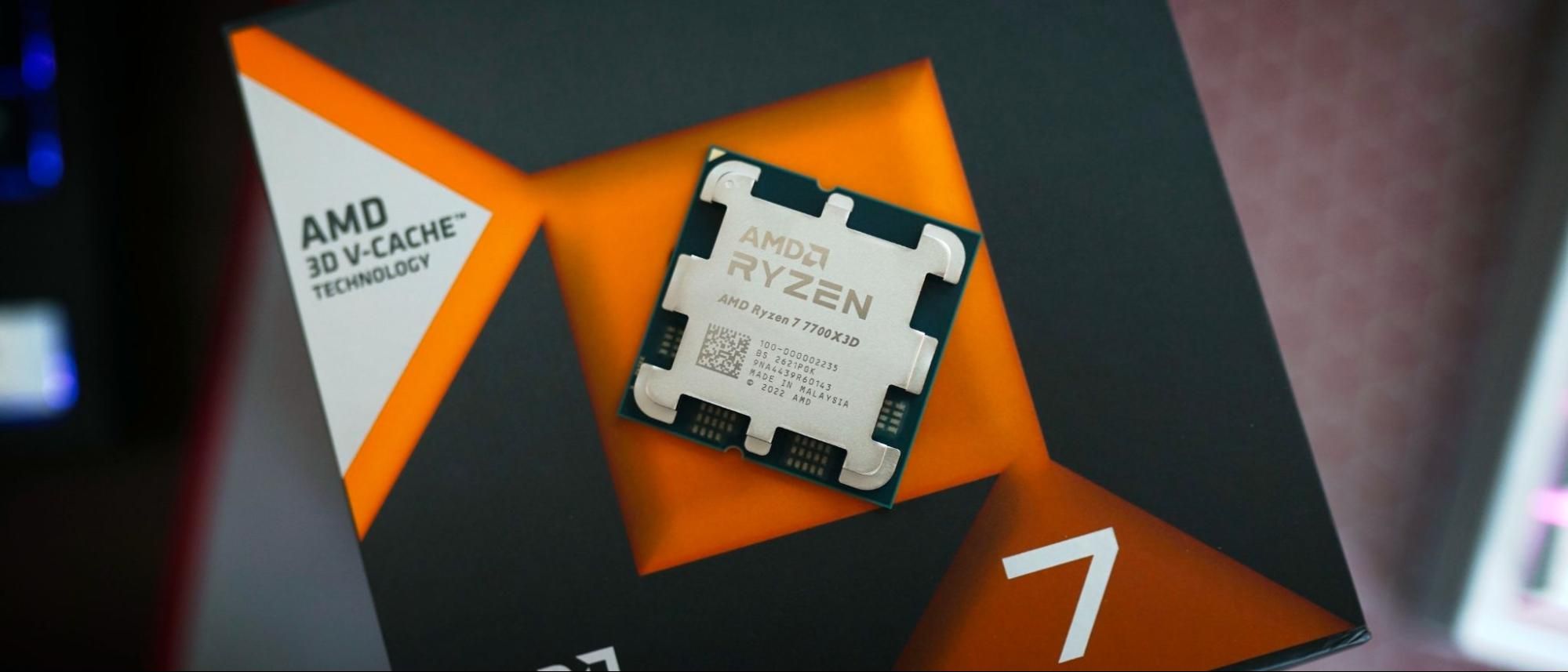
The Ryzen 7 7700X3D was unveiled as a slightly more affordable alternative to the 7800X3D, featuring the same core count and 3D V-Cache benefits but with a slightly lower clock speed, indicative of being "binned-down" silicon. While reviews universally praised its gaming capabilities, the initial MSRP of $329 was met with skepticism. At this price point, the marginal performance difference between it and the 7800X3D (which often retailed for around $399-$419) did not justify the investment for many, especially when considering the 7800X3D’s established reputation. The market, therefore, perceived a significant overlap, diluting the 7700X3D’s unique selling proposition.
The Swift Market Correction:
The swift introduction of the $49 discount via Newegg’s promo code "PKC337" just days after its launch is a clear indicator of a proactive response to this market feedback. This rapid adjustment suggests either an immediate strategy to boost sales and market penetration for the Newegg-exclusive chip or a pre-planned promotional push designed to position the 7700X3D more effectively within AMD’s broader AM5 X3D ecosystem. Regardless of the underlying intent, the effect is undeniable: the 7700X3D has transitioned from a technically competent but strategically mispriced product to a compelling value proposition almost overnight. This demonstrates the agility of retailers and manufacturers in reacting to real-time market dynamics and consumer sentiment.
Supporting Data: Technical Edge and Market Position
To fully appreciate the significance of the Ryzen 7 7700X3D at its new price point, it’s essential to delve into its technical underpinnings, its performance profile, and its standing within the broader CPU market.
The Power of 3D V-Cache:
AMD’s 3D V-Cache technology is a revolutionary approach to CPU design. Unlike traditional processors where cache memory is integrated onto the same silicon die as the CPU cores, 3D V-Cache involves stacking an additional SRAM die on top of the CPU’s compute die (CCD) using hybrid bonding technology. This dramatically increases the amount of available L3 cache, often by a factor of three or more compared to non-X3D variants. For the 7700X3D, this means an astonishing 104MB of combined L2+L3 cache, providing a massive pool of fast-access memory for the CPU cores.
In gaming, where workloads are often highly dependent on rapid data access and low latency, this expanded cache acts as a superhighway for frequently used game assets and instructions. This minimizes the need for the CPU to fetch data from slower main system memory (DDR5), leading to higher frame rates, smoother gameplay, and reduced frame time inconsistencies. This is particularly noticeable in CPU-intensive titles, competitive esports games, and scenarios where high refresh rates are desired.
Performance Profile: Gaming Dominance, Productivity Nuance:
As an 8-core, 16-thread processor, the Ryzen 7 7700X3D delivers robust multi-threaded performance, making it capable of handling demanding applications beyond gaming. However, its true strength lies in its gaming capabilities. Reviews consistently place it among the top-tier gaming CPUs, often rivaling or even surpassing processors that cost significantly more.
- Compared to Ryzen 7 7800X3D: While the 7800X3D, with its slightly higher 5 GHz boost clock, generally holds a marginal lead in gaming benchmarks (often 2-5% on average), this difference becomes less pronounced at higher resolutions (1440p and 4K) where the graphics card becomes the primary bottleneck. At $120 less, the 7700X3D now offers an incredible performance-per-dollar ratio, making the slight performance gap largely irrelevant for most gamers.
- Compared to Ryzen 7 7700X (non-X3D): The contrast here is stark. The 7700X3D’s 3D V-Cache often provides a 15-30% uplift in gaming performance over its non-X3D counterpart, the Ryzen 7 7700X, despite the latter having higher clock speeds. This highlights the profound impact of the stacked cache for gaming workloads.
- Compared to Intel’s Offerings: For pure gaming, AMD’s X3D chips, including the 7700X3D, frequently outperform Intel’s current generation Core i5 and i7 processors (e.g., Core i7-14700K) in many titles. Intel’s strength, however, lies in its balanced architecture, which often provides superior performance in professional productivity tasks like video editing, 3D rendering, and complex software compilation, thanks to its higher clock speeds and hybrid core design (Performance and Efficiency cores). The article mentions Intel’s "Arrow Lake refresh chips" like the Core Ultra 5 250K Plus and Core Ultra 7 270K Plus, which are positioned as future-generation parts. Assuming these are indeed the next immediate competitive chips, Intel’s focus on productivity remains a key differentiator. The 7700X3D, at its new price, firmly establishes itself as the go-to choice for users whose primary focus is gaming, where raw clock speed often takes a back seat to efficient cache utilization.
The AM5 Platform: Future-Proofing Your Investment:
The Ryzen 7 7700X3D operates on AMD’s AM5 platform, which represents a significant step forward in PC architecture. AM5 motherboards support DDR5 memory, offering higher bandwidth and improved efficiency compared to the older DDR4 standard. Furthermore, the platform integrates PCIe Gen 5.0, providing double the bandwidth of PCIe Gen 4.0 for graphics cards and NVMe SSDs. This ensures that systems built around the 7700X3D are not only powerful today but are also well-equipped to handle future generations of components, offering a degree of future-proofing that older platforms cannot match. While the initial cost of entry into AM5 (motherboard and DDR5 RAM) can be higher, the longevity and upgrade path it offers are valuable considerations.
Official Responses: Strategic Silence and Market Interpretation
In the immediate aftermath of such a significant retailer-driven price drop, official statements from AMD regarding specific promotional activities are rare. Companies typically maintain a strategic distance from individual retailer sales, allowing their partners flexibility in market adjustments. However, we can interpret the implications of this discount within AMD’s broader market strategy.
AMD’s X3D Strategy:
AMD’s decision to produce a range of X3D processors, from the flagship 7950X3D down to the 7700X3D, clearly indicates a multi-tiered approach to capitalize on the success of 3D V-Cache technology. The 7700X3D was likely conceived as a means to democratize access to this gaming-centric innovation, offering a more palatable entry point for mainstream gamers compared to the higher-priced Ryzen 9 or even the 7800X3D. The initial pricing, however, created an internal conflict within AMD’s own product stack.
Newegg’s Role as Exclusive Distributor:
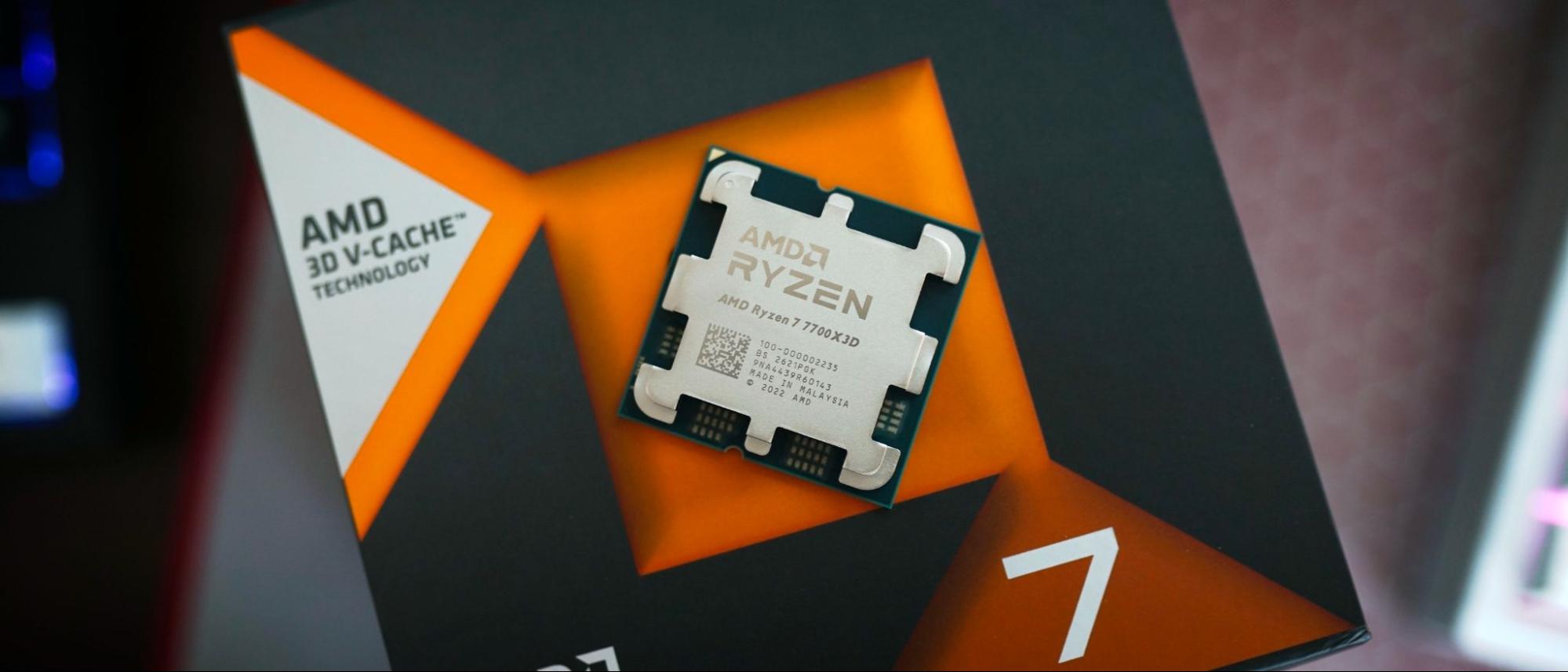
The fact that Newegg holds exclusive distribution rights for the Ryzen 7 7700X3D in North America until Q4 2026 is crucial. This exclusivity grants Newegg considerable flexibility and incentive to manage the product’s pricing and promotions. It’s plausible that this discount is a concerted effort between AMD and Newegg to refine the 7700X3D’s market position. For AMD, it ensures their X3D technology reaches a wider audience; for Newegg, it drives traffic and sales, solidifying its role as a premier destination for PC hardware.
This swift price adjustment, even if initiated by the retailer, serves AMD’s strategic goals by:
- Enhancing Value Proposition: Directly addressing the primary criticism of the chip’s initial pricing.
- Expanding Market Reach: Making high-end gaming performance more accessible to a broader segment of the market.
- Strengthening AM5 Adoption: Encouraging users to invest in the newer AM5 platform, which is crucial for AMD’s long-term ecosystem growth.
- Maintaining Competitive Edge: Reinforcing AMD’s position as the leader in gaming CPU performance against Intel, especially at critical price points.
While AMD has not issued a direct "response" to this specific promotion, the market’s reaction and the strategic implications align well with what one would expect from a company aggressively competing in the high-stakes CPU market.
Implications: Reshaping the Gaming CPU Landscape
The repricing of the AMD Ryzen 7 7700X3D carries significant implications for consumers, AMD, and the broader CPU market.
For Consumers: Unprecedented Gaming Value:
For gamers, this discount is a game-changer. At $279, the Ryzen 7 7700X3D represents arguably the best value for pure gaming performance available today. It offers the vast majority of the gaming capabilities of the more expensive 7800X3D at a significantly lower cost. This frees up crucial budget for other essential components, such as a more powerful graphics card, faster DDR5 memory, or a high-refresh-rate monitor, which can often yield more noticeable performance improvements than a marginal CPU upgrade.
- Entry Point to AM5: It lowers the barrier to entry for the future-proof AM5 platform, allowing more users to benefit from DDR5 and PCIe Gen 5 technologies without the prohibitive upfront cost associated with flagship processors.
- Clearer Choice: The distinct price separation now makes the decision process much clearer. Gamers prioritizing maximum frames per dollar will gravitate towards the 7700X3D, while those with ample budget seeking every last percentage point of performance might still opt for the 7800X3D. Those with productivity needs will still lean towards Intel.
For AMD: Strategic Re-alignment and Market Share:
This price adjustment is a strategic masterstroke for AMD. It rectifies an initial misstep and strengthens their product stack.
- Mitigating Cannibalization: By creating a clear price gap, AMD reduces the risk of the 7700X3D cannibalizing sales of the 7800X3D, allowing both chips to target slightly different segments of the market effectively.
- Boosting AM5 Adoption: A more affordable X3D option encourages broader adoption of the AM5 platform, which is vital for AMD’s long-term ecosystem health and future upgrade cycles.
- Competitive Pressure on Intel: This move further intensifies competition with Intel, particularly in the gaming segment. By offering such compelling gaming performance at a sub-$300 price point, AMD forces Intel to respond with either competitive pricing or innovations that offer superior all-around value.
For the Retail Market: The Power of Exclusivity and Promotions:
Newegg’s role as an exclusive distributor highlights the power of such arrangements in shaping market dynamics. It allows retailers to implement aggressive pricing strategies to drive sales and gain market share, benefiting consumers in the process. This also underscores the importance of promotional sales in the tech industry, where initial pricing can often be adjusted rapidly based on market feedback and competitive pressures.
Future Outlook:
This event could signal a trend where CPU manufacturers and retailers are becoming more agile in adjusting prices to meet market demands and consumer expectations. As the competition between AMD and Intel remains fierce, consumers can expect more dynamic pricing, promotional offers, and a clearer delineation of value propositions across different price tiers. The success of the Ryzen 7 7700X3D at its new price point will likely influence future product development and pricing strategies, potentially leading to even more specialized and value-driven processors in the gaming segment.
In conclusion, the AMD Ryzen 7 7700X3D, initially a product of high technical merit burdened by a challenging price, has been dramatically re-energized by a timely and aggressive promotional discount. At $279, it transforms into an almost irresistible proposition for gamers, solidifying AMD’s leadership in gaming performance and reshaping the competitive landscape of the CPU market. This moment serves as a testament to the responsiveness of the tech industry and the ultimate beneficiary: the discerning consumer.

