

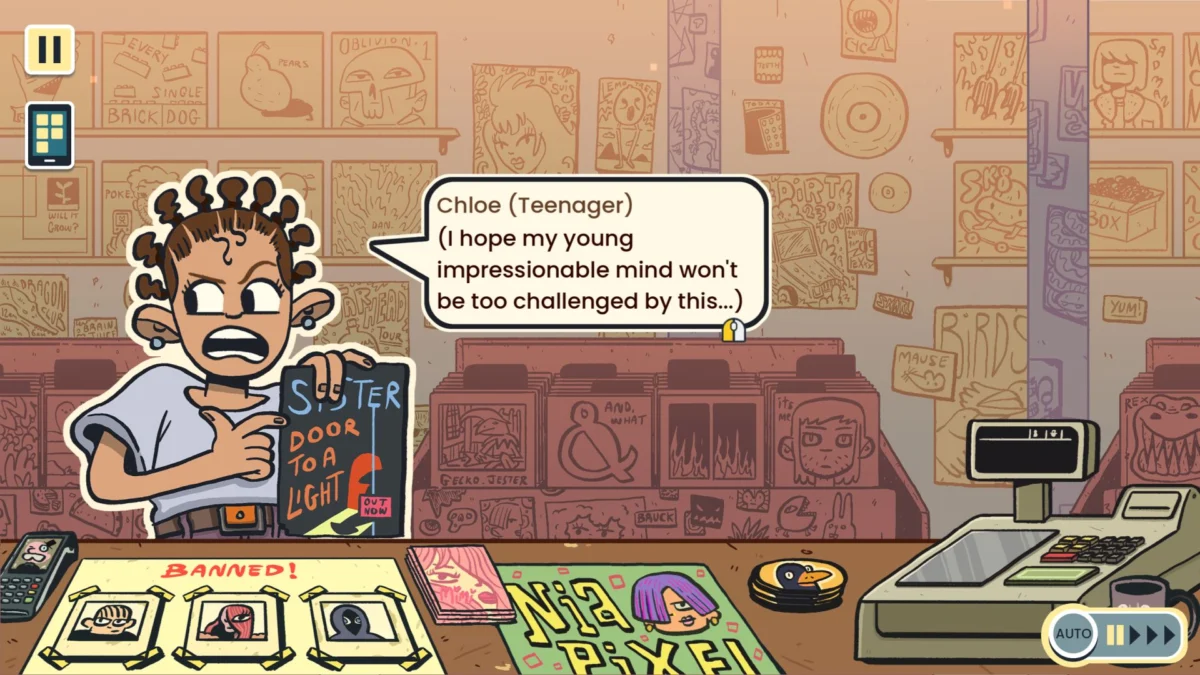
For anyone who has ever spent a rainy afternoon browsing the dusty crates of a local record store, the experience is almost sacred. It is a tactile, sensory ritual defined by the smell of cardboard sleeves, the crackle of a needle hitting vinyl, and the gatekeeping—or helpful guidance—of the clerk behind the counter. Wax Heads, the latest title from developer Curve, masterfully distills this specific cultural zeitgeist into a compelling, narrative-driven puzzle game.
Far from being a mere retail simulator, Wax Heads serves as a love letter to the fading art of physical music discovery. It places players in the shoes of a worker at "Repeater Records," a struggling hub for a town’s local music scene, tasking them with balancing the books, managing the shop’s reputation, and navigating the eccentric personalities that define the community.
The Genesis of the Record Shop Simulator
The core premise of Wax Heads revolves around the challenging, often humorous task of music retail. The developer invites players to step behind the counter of a store that feels like a spiritual successor to the iconic settings found in Empire Records or High Fidelity. However, rather than simply scanning barcodes, the player is tasked with acting as a music curator.
Customers enter the store with vague, often unhelpful requests. "I think it had a red cover?" or "I need something that sounds like the feeling of waking up in a thunderstorm." These interactions force the player to synthesize information from various sources: the shop’s internal database, a fictional social media platform known as "Phonogram," and even the attire of the customers themselves. By analyzing these clues, the player must identify the perfect record to recommend, effectively playing the role of an amateur detective in the world of vinyl.
A Chronology of Discovery: From Niche to Necessity
The gameplay loop of Wax Heads is best described as Strange Horticulture with a punk rock aesthetic. The game progresses through a series of shifts at the shop, where the stakes are perpetually low in terms of survival but high in terms of community investment.
The Daily Grind
Each day begins with the player opening the doors to Repeater Records. The shop is a maze of shelves, posters, and zines, reflecting a labor of love that is clearly teetering on the edge of bankruptcy. The primary objective is to keep the lights on by successfully recommending records to a rotating cast of regulars and walk-ins.
The Research Phase
Mid-gameplay, the focus shifts to "Phonogram," the in-game equivalent of Instagram, and a digital music press. These tools are not just flavor text; they are essential resources. Players must keep up with local band news, track which records are currently "in vogue," and understand the subcultural context of the inventory. For instance, a customer’s aesthetic—perhaps a leather jacket adorned with specific band patches—offers non-verbal cues that narrow down their potential musical interests.
The Cultural Preservation
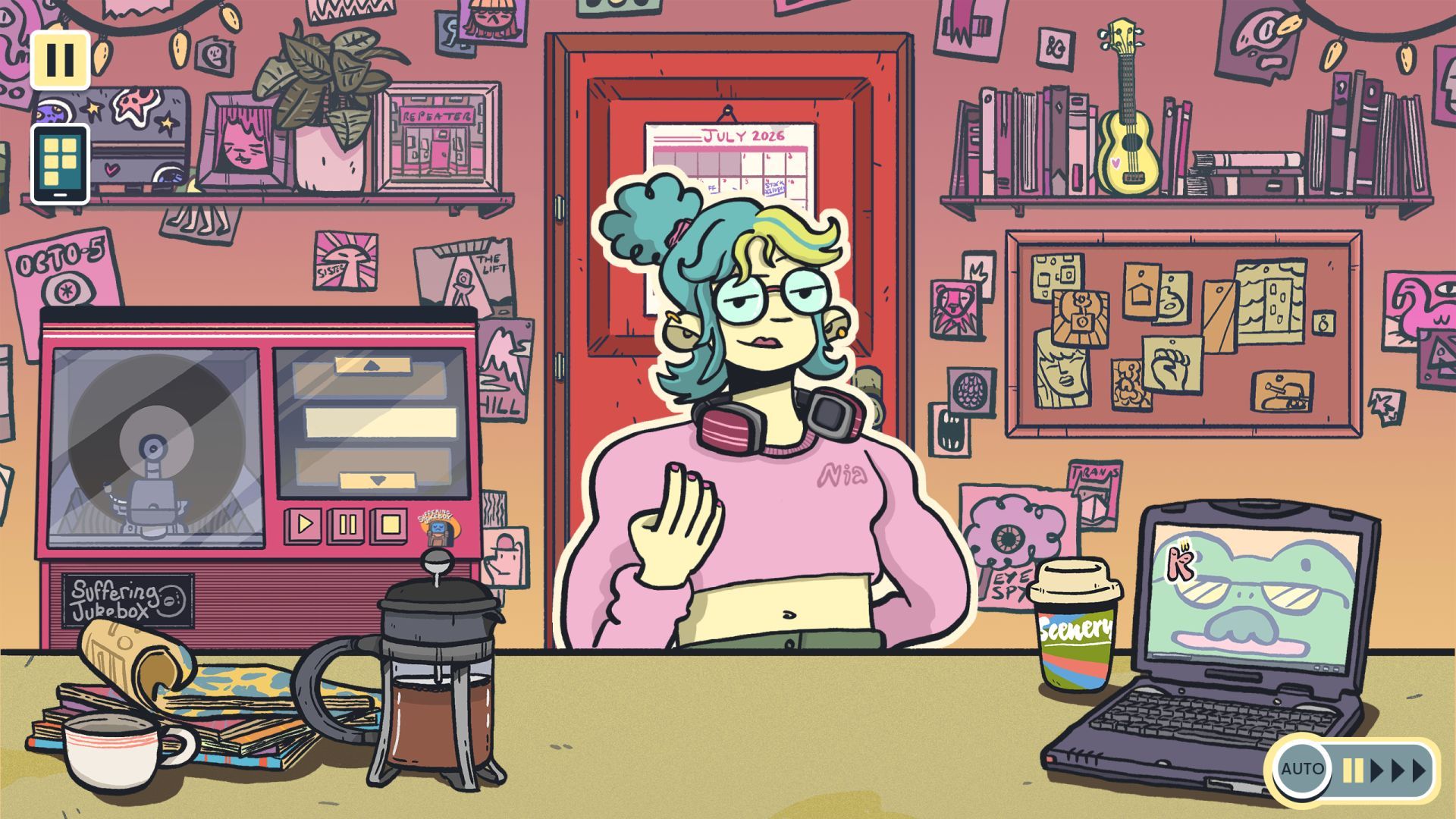
As the game progresses, the narrative arc shifts toward a larger goal: saving the shop from closure. The player must organize gigs and curate the store’s selection to ensure it remains the beating heart of the town’s underground music scene. This introduces an element of strategic management, where the player must decide which bands to promote and which records to stock to keep the local community engaged.
Supporting Data: The Craft of World-Building
What sets Wax Heads apart from its simulation contemporaries is its dedication to environmental storytelling. The developers have crafted a fully realized world of fictional bands, niche subgenres, and music-scene mythology.
The "album blurbs" found within the game are a standout feature. They are written with a high level of detail, mirroring the hyper-specific, sometimes pretentious, and often hilarious reviews found in real-world music journalism. One particular sub-plot involves a metal band rumored to have killed their original lead singer; the way this rumor circulates through the shop’s clientele feels authentic, capturing the kind of "lore" that makes independent record stores so alluring.
Furthermore, the game’s jukebox acts as a curated repository of the game’s soundtrack. Each track is a faithful recreation of a specific niche genre—from lo-fi bedroom pop to aggressive crust punk. The audio design doesn’t just provide background noise; it reinforces the game’s central thesis: that music is a cultural identifier, and the act of sharing it is an act of connection.
Official Perspectives and Creative Direction
In discussions surrounding the game’s development, the team at Curve has emphasized the importance of the Scott Pilgrim-inspired art style. This visual choice acts as a shorthand for the game’s tone: energetic, slightly rebellious, and deeply tied to the iconography of comic books and independent music.
By adopting this aesthetic, Wax Heads avoids the sterile feel of most management simulators. Instead, it feels vibrant and alive. The "lovable weirdos" who work at and frequent Repeater Records are not static NPCs; they are fully fleshed-out characters with their own motivations, fears, and musical tastes. Whether it is a teenager discovering a band that challenges their worldview or a seasoned veteran looking for a deep-cut rarity, every interaction feels grounded in reality.
The Implications of the "Retail Puzzle" Genre
The success of Wax Heads suggests a growing appetite for games that prioritize "slow play" and investigative interaction over high-octane action. In an era where music discovery is often handled by cold, algorithmic playlists on streaming platforms, a game that celebrates the human element of music recommendation feels subversive.
Redefining Customer Service
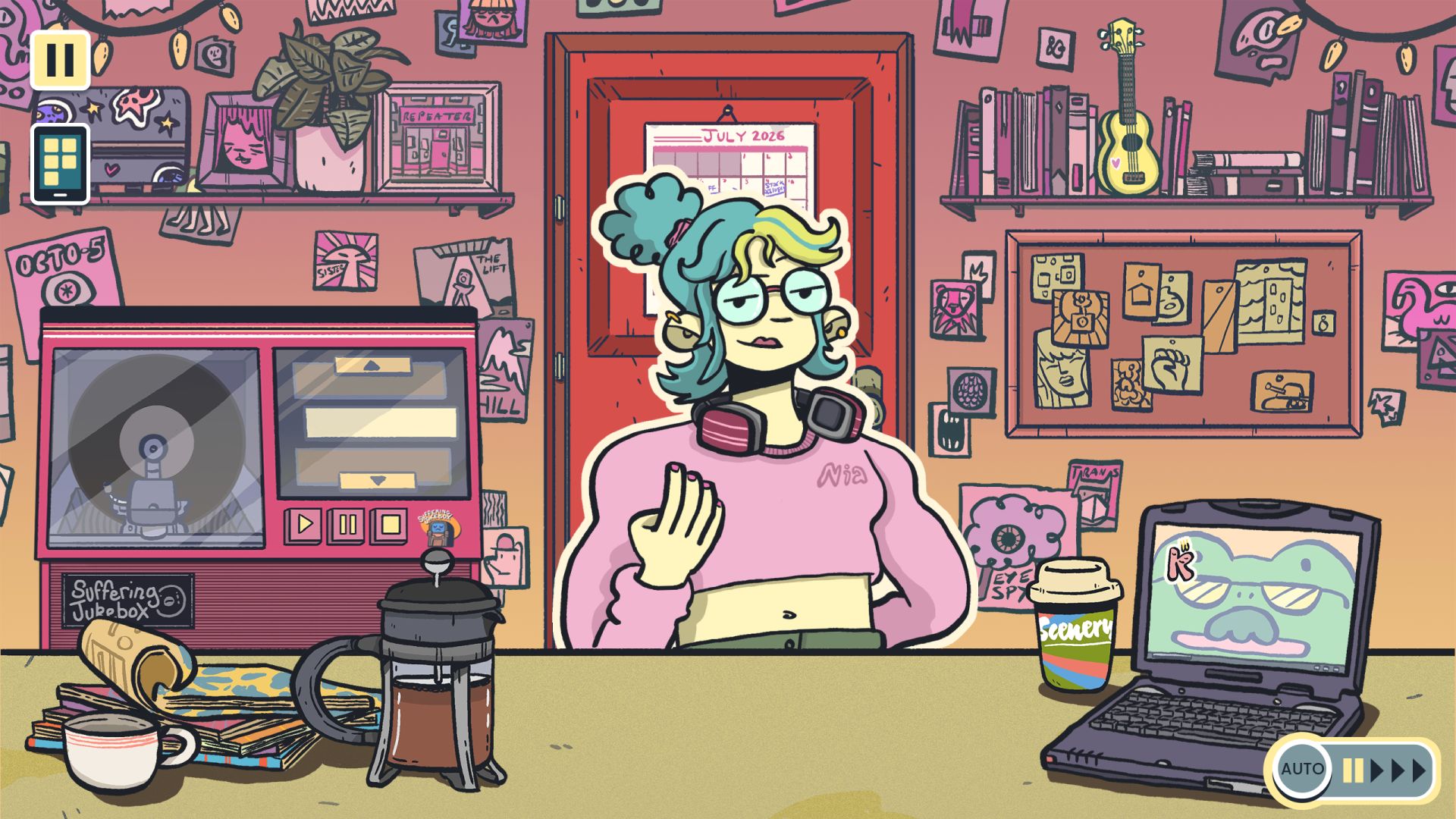
The game challenges the player to listen, observe, and synthesize—skills that are rarely tested in modern gaming. By stripping away the hand-holding of quest markers and objective lists, Wax Heads forces the player to engage with the world at a deeper level. You are not just clicking through dialogue trees; you are learning a subculture.
The Future of Independent Music Simulation
If Wax Heads proves anything, it is that there is a vast, untapped potential in exploring the "third places" of our society—bookstores, record shops, and local cafes—through the lens of gameplay. By gamifying the act of curation, the developers have created a title that resonates with anyone who has ever felt a sense of belonging in a shop filled with physical media.
Final Reflections
For those who have already delved into the demo available on Steam, it is clear that Wax Heads is not just a game; it is an experience. It captures the melancholic beauty of a struggling business, the infectious enthusiasm of a music fan, and the specific joy of finding that one record that changes your perspective on the world.
Whether you are a seasoned collector or someone who has never touched a vinyl record in their life, Wax Heads offers an invitation to slow down, listen closely, and appreciate the chaos of a local music scene. It is a reminder that, in a world dominated by digital convenience, there is still immense value in the tactile, the local, and the beautifully, unapologetically human.
The struggle to keep a record store alive may be the central conflict, but the true prize is the community built along the way—one recommendation at a time. Wax Heads is currently available on Steam, and for those who value narrative depth and atmospheric world-building, it is an essential addition to any library.

