

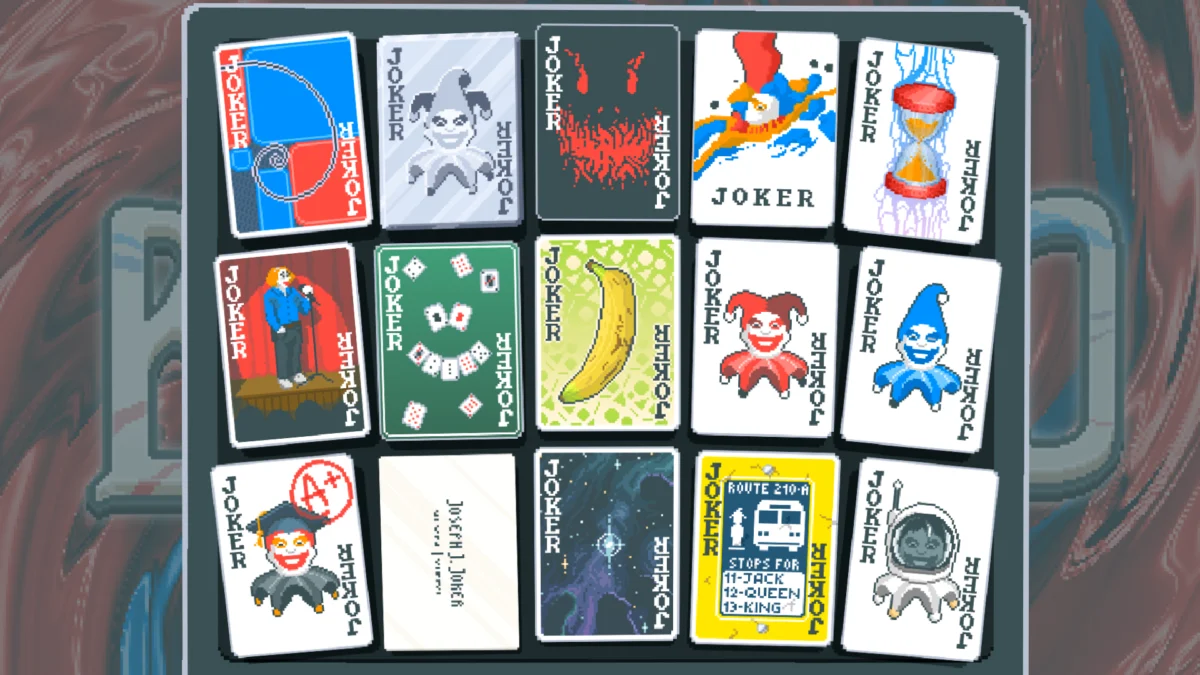
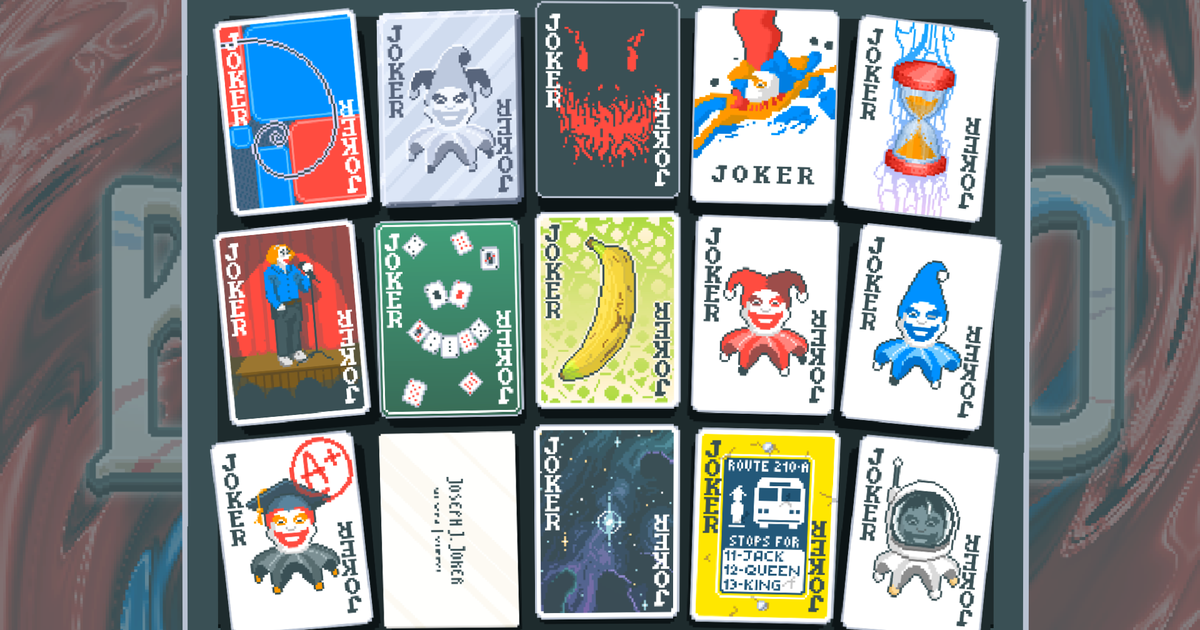
The gaming industry is currently navigating a period of unprecedented consolidation, yet few deals have captured the attention of the independent sector quite like the recent acquisition of Playstack by the Integrated Media Company (IMC). Playstack, the publisher behind breakout hits like the poker-roguelike phenomenon Balatro and the survival-crafting success Abiotic Factor, has been a beacon of efficiency in a volatile market. As the firm transitions to new ownership, CEO Harvey Elliott is moving to reassure the developer community and investors alike: the acquisition is not a catalyst for change, but a platform for expansion.
The Core Facts: A New Chapter Under IMC
The acquisition of Playstack by IMC—the investment firm that also counts Fandom and GameSpot among its portfolio—marks a significant shift in the publisher’s trajectory. Despite the high-profile nature of the parent company’s media assets, Elliott is emphatic that Playstack will maintain its operational independence.
"IMC is not a huge organization themselves," Elliott explained in an interview with GamesIndustry.biz. "They’ve invested in multiple businesses. They’ve got four verticals which operate in different sectors, and we’re in games publishing—a completely different sector to everything they do."
Crucially, the deal does not involve the integration of corporate systems. There will be no restructuring of QA, localization, or financial departments. By keeping Playstack isolated from the broader media conglomerate’s internal operations, IMC is effectively purchasing a proven engine of success and choosing not to tinker with the gears. For the staff at Playstack, this means business as usual; no layoffs are planned, and the creative autonomy that allowed for the development of niche hits remains intact.
Chronology: From TruFin to the IMC Era
To understand the significance of this move, one must look at Playstack’s recent history. Under its previous parent company, TruFin, Playstack experienced a meteoric rise. The company transitioned from a boutique indie outfit to a heavyweight contender in the mid-market publishing space.
However, as Playstack’s success grew, so did its profile within the TruFin portfolio. At one point, Playstack’s revenue and operational output accounted for roughly 80% of its parent company’s total activity. This created a strategic imbalance: the successes—and risks—of Playstack were disproportionately affecting the parent firm’s stability.
"If you’re 80% of what your organization does, then decisions I make affect them a lot," Elliott noted. "We need to be in a group where I can make those decisions and it doesn’t move the needle of the parent company by 80%."
When Playstack began exploring a sale last year, the interest from the market was, in Elliott’s words, "pleasantly surprising." The search was centered on finding a partner that offered greater scale—one that could absorb the volatility of the games industry without demanding the kind of rigid, short-term corporate oversight that stifles creative risk-taking. IMC emerged as the ideal candidate, offering the financial depth to support larger bets while respecting the operational nuances of game publishing.
Supporting Data: The Science of the "Hit"
Playstack’s reputation is built on a foundation of data-driven decision-making. Their track record is statistically significant: under TruFin, the company boasted an impressive hit-ratio, with over 85% of their backed titles generating a return on investment (ROI).
This success is not merely a result of luck. Playstack utilizes a rigorous forecasting process to evaluate potential signings. However, Elliott is quick to distinguish between cold data and the "people business" of gaming. While analytics help identify emerging sub-genres or market gaps, the most successful partnerships often start with direct, human connection. A prime example is the recent success of Raccoin, a coin-pushing title that has sold over 650,000 copies. The partnership began not through a cold algorithm, but when the developers at Doraccoon approached Playstack directly.

The company adheres to a fundamental rule of thumb: "We won’t make a penny out of a game until the developers are making money from the game." By aligning their financial interests directly with the creators, Playstack has fostered a culture of trust that makes them a preferred partner for independent studios.
Official Responses and Strategic Philosophy
The "variety publisher" model remains the cornerstone of Playstack’s identity. The company refuses to be pigeonholed into a single genre. From the surreal card-based strategy of Balatro to the gritty, scientific survival of Abiotic Factor, and the narrative depth of the Golden Idol series, the portfolio is intentionally eclectic.
"The range is going to be eclectic and that’s what we like," Elliott says. "We’re also not losing sight of games like Balatro and Abiotic Factor, which have such phenomenal reach already, and there’s more we can do helping those games reach more and more players."
Regarding the influence of their new owners, Elliott is clear: IMC is an investor in the business of growth, not a creative committee. "They’re very respectful of the choices that we make and I think that’s what they’ve bought," he explains. IMC provides the capital, but they do not provide "design choices and opinions." This hands-off approach is vital, as it allows Playstack’s team to remain focused on the creative output rather than corporate maneuvering.
Implications: Looking Toward 2028
The transition to IMC ownership is not about changing what Playstack does, but about removing the barriers to what they can do. With nine titles already slated for release this year, and a roadmap that is largely solidified through 2028, the company is operating with long-term confidence.

Breaking the Ceiling
The most significant implication of the acquisition is the removal of the "barrier of ability." Previously, Playstack had to remain disciplined, primarily backing projects with an investment spend under one million dollars. While this strategy was incredibly successful, the new partnership with IMC provides the "capacity" to take larger risks.
"I’m always going to work from the numbers," Elliott clarifies. "Just because you can do something doesn’t mean you should do something." This indicates that while Playstack may begin to invest in larger-budget titles or longer-term development cycles, they are unlikely to abandon the fiscal rigor that built their reputation. The growth will be measured and intentional.
Expanding the Horizon
The future for Playstack likely involves more than just publishing games. With the support of IMC, the company is looking at geographic expansion and the cultivation of new, untapped opportunities. Whether this involves opening new international markets, investing in internal studio growth, or exploring new media verticals, the company now possesses the financial runway to pivot when the market demands it.
For the independent developer community, the message is clear: Playstack is not becoming a corporate cog. It remains an agile, "people-first" publisher that happens to have the financial backing of a global investment firm. By maintaining this balance, Playstack is positioned to remain a dominant force in the indie landscape for the next half-decade, continuing to bridge the gap between creative passion and commercial reality.
As the industry continues to consolidate, Playstack’s trajectory serves as a case study in how to scale effectively: by finding partners who value the unique culture of the studio, rather than those who wish to transform it. With a slate of original IPs on the horizon and a stable, hands-off ownership structure, the future for Playstack—and the developers who rely on them—looks exceptionally bright.

