

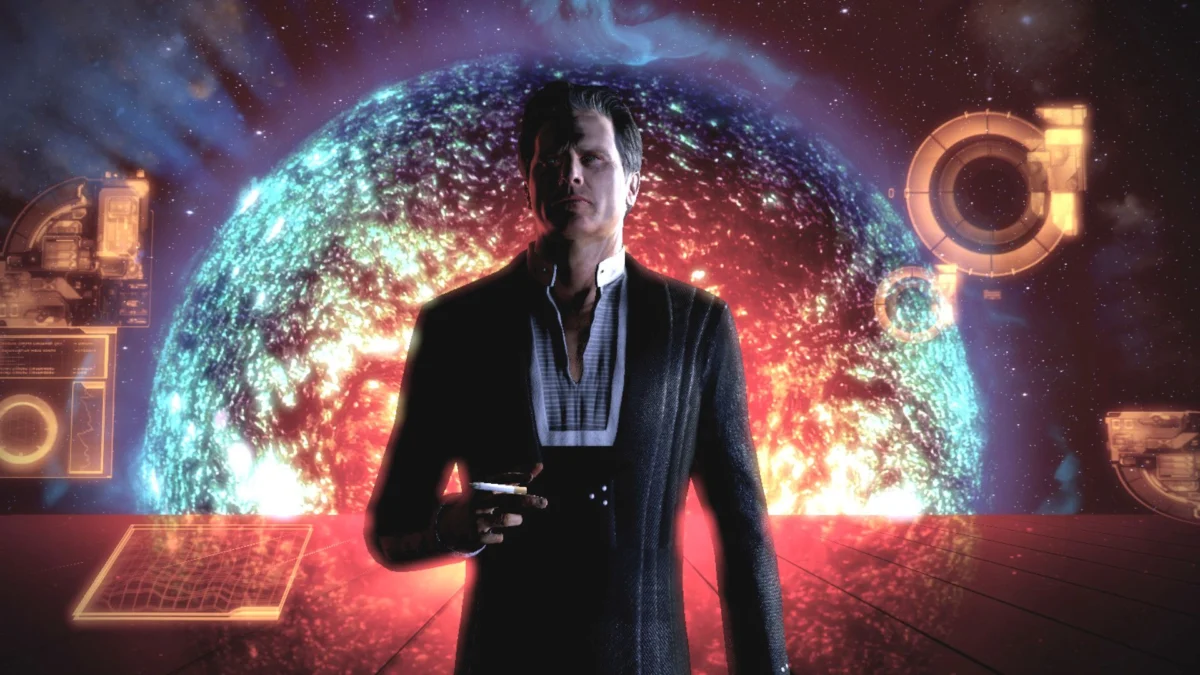
Originally explored through the critical lens of Edge Magazine, the journey of BioWare’s sophomore masterpiece remains one of the boldest gambles in interactive entertainment history—proving that a sequel can obliterate its predecessor’s identity and emerge all the better for it.
Main Facts: The Destruction of the Old and the Birth of a Masterpiece
With a signature, echoing sci-fi sound effect—"Vorp!"—BioWare did something practically unheard of in modern franchise building. In the opening moments of 2010’s Mass Effect 2, the developer tore apart the gleaming hull of the Normandy SR-1, cast its iconic crew to the cold vacuum of space, and neatly severed its burgeoning action-RPG franchise clean in two.
While save files from 2007’s original Mass Effect carried over modest rewards like experience point bonuses, a modest sum of credits, and a continuity of choices, the psychological reset was absolute. Rarely before or since has a studio pulled the emergency brake so swiftly, or so heart-wrenchingly, on its own intellectual property.

Yet, this calculated demolition was precisely what the series needed. The original Mass Effect, a former Xbox 360 exclusive, had arrived as a beacon of promise. Billed as a grand, ongoing space opera that would gracefully bypass binary morality systems to deliver a living universe distinct from Star Wars, it was undeniably grand in scale. However, it was also structurally austere. Beneath its sweeping lore lay an abundance of anodyne, flat-feeling shootouts and tedious vehicular exploration aboard the Mako, which frequently disrupted the momentum of its celebrated dialogue wheel.
As a conceptual pilot, the original game was endlessly tantalizing. But as the gaming landscape evolved—drowning in third-person, hyper-violent cover shooters following the 2006 breakout success of Gears of War—more of the same formula would not suffice. BioWare needed a reinvention. And so, millions watched the SR-1 burn, assumed temporary control of Commander Shepard for a harrowing, Dead Space-esque death sequence, and watched as a multi-billion-credit resurrection sparked a new era for the Milky Way.
Chronology: From Concept Piece to Intergalactic Opera
To understand the magnitude of Mass Effect 2, one must trace the evolutionary leap between the first two installments of the trilogy:

- 2007 (The Foundation): The release of the original Mass Effect. It established the universe, introduced the looming threat of the sentient machine race known as the Reapers, and pioneered the dialogue wheel. However, its combat mechanics felt stiff, inventory management was notoriously cumbersome, and planetary exploration lacked narrative depth.
- The Intermission (The Fall of the Normandy): In a shocking prologue, the Normandy SR-1 is ambushed by a mysterious new alien faction known as the Collectors. Commander Shepard sacrifices themselves to save the crew, asphyxiating in the vacuum of space.
- 2010 (The Resurrection and Reformation): Funded by the shadowy, pro-human organization Cerberus, Shepard is reconstructed over two years. Awakening in a crumbling laboratory, the Commander embarks on a dangerous "suicide mission" to assemble a specialized crew of misfits, mercenaries, and specialists across the galaxy.
- Post-Launch Legacy: Mass Effect 2 launched to near-universal critical acclaim, sweeping industry awards and setting a new benchmark for how player choice, character writing, and cinematic action could intersect in a video game.
Supporting Data: Refining the Mechanics of War
The transformation of Mass Effect 2 wasn’t merely narrative; it was mechanical, breathing kinetic energy into every facet of gameplay.
Fluidity and Movement
In the original game, Commander Shepard moved with a heavy, tank-like stiffness. In the sequel, movement was overhauled for absolute fluidity. Shepard could slide across Teflon floors and snap into cover with responsive grace. Even the baseline weaponry discarded its predecessor’s floaty, feedback-light gunplay in favor of punchy, satisfying ballistic feedback.
The Combat Sandbox and Shield Metas
BioWare completely restructured combat encounters by introducing a layered defense system. Enemies no longer hid behind uniform, opaque health bars. Instead, combatants possessed distinct layers:

- Shields: Vulnerable to sustained automatic fire from submachine guns.
- Barriers & Armor: Demanded specialized heavy weapons and tactical focus.
- Health: The final threshold, vulnerable once external layers were stripped away.
Coupled with aggressive enemy AI capable of flanking, setting up kill boxes, and utilizing area-denial tactics like flamethrowers, encounters required genuine tactical positioning.
The Power of Time Distortion
Regardless of character class or gender, every Shepard retained a secret superpower: the tactical pause wheel. While it allowed players to orchestrate spectacular physical displays—such as using biotic powers to fling enemies into the air before detonating them with physics-based combos—on higher difficulty settings, it transformed Mass Effect 2 into a deeply strategic, thinking-man’s cover shooter.
Official Responses and Critical Reception
Upon its release, Mass Effect 2 was lauded by critics and industry peers alike as a masterclass in sequel design. Reviewers frequently contrasted the game’s tight, focused character arcs with the sprawling, unfocused planetary exploration of its predecessor.

BioWare’s leadership and development team openly acknowledged the calculated risks they took in dismantling the first game’s systems. By shifting the focus away from generic loot collection and vast, empty planets, and funneling resources into bespoke, handcrafted cinematic missions, the studio realized its original vision.
Industry analysts noted that Mass Effect 2 served as a watershed moment for narrative-driven RPGs, proving that players would readily trade sprawling open-world bloat for deeply intimate, high-stakes character writing. Even as subsequent franchise entries—most notably Mass Effect 3—faced fan scrutiny regarding their narrative conclusions, the second installment remained a universally revered gold standard.
Implications: A Masterclass in Character-Driven Narrative
Ultimately, the reason Mass Effect 2 stands as the undisputed high point of the trilogy is that it is fundamentally a game about people, not abstract cosmic concepts.

The Ensemble Cast
Where else in gaming could a player assemble a crew consisting of:
- An assassin seeking absolution for a lifetime of bloodshed before his terminal illness claims him.
- A fiercely intense, tattooed outlaw (Subject Zero) grappling with the trauma of corporate experimentation.
- A sentient machine construct (Legion) housing nearly twelve hundred digital minds?
Every primary cast member carried profound emotional baggage. Miranda struggled against the crushing expectations of genetic perfection engineered by an overbearing father. Garrus wrestled with feelings of institutional impotence, carving out a gritty path of vigilante justice.
The Value of Loyalty
Rather than treating side quests as mundane chores, Mass Effect 2 tied its optional content directly to survival. The infamous "suicide mission" in the game’s climax demanded that players solve their companions’ inner crises. Success or failure in the final hours was a direct reflection of how deeply the player invested in the emotional well-being of their crew. If you neglected Jack’s trauma or failed to mend Garrus’s vendettas, they paid for it with their lives.

Redefining the Renegade
The uneasy alliance with Cerberus also solved a long-standing issue with roleplaying morality in video games. Often, "evil" paths in RPGs feel cartoonish or illogical—acting maliciously simply for the sake of cruelty. By framing Shepard as an operative for a ruthless, results-oriented human supremacist organization, the Renegade alignment finally made narrative sense. Choices carried weight: whether to use ruthless pragmatism to secure a tactical advantage or to intervene in everyday acts of systemic injustice on the Omega space station.
Conclusion
To replay Mass Effect 2 today is to remember what the most ambitious ongoing saga in video games set out to achieve. It proved that an established universe could be upended, its mechanics modernized, and its thematic focus sharpened without losing its soul. Backed by a studio operating at the absolute peak of its creative powers—and a delightfully disruptive sound effect—Mass Effect 2 remains an immortal testament to the power of reinvention.

