

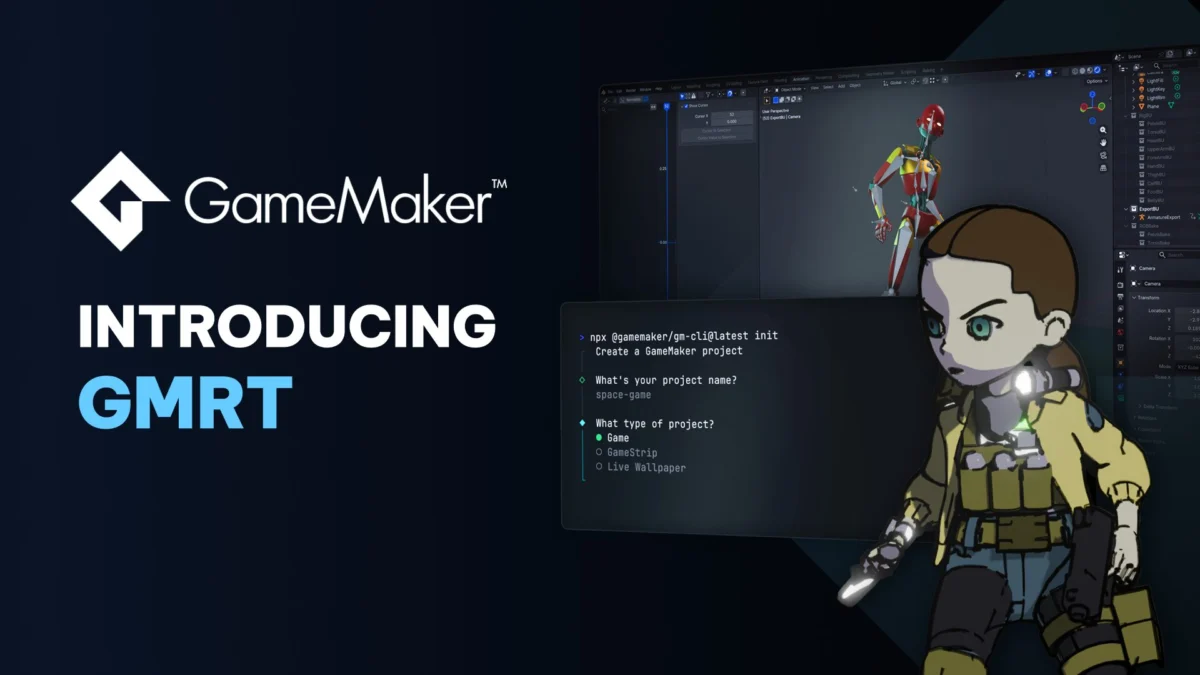
In a landmark decision that promises to reshape the landscape for independent game developers, GameMaker has announced a major shift in its business model. Starting January 1, 2027, the company’s "next-generation runtime" (GMRT) will be available for free commercial use. This strategic pivot removes significant financial barriers for creators, allowing developers to build and distribute their titles across desktop, mobile, and web platforms—including the GX Games portal—without the need for a professional license.
This move marks a definitive step in GameMaker’s ongoing mission to democratize game development. By lowering the entry threshold, the firm is positioning itself as a primary incubator for the next generation of indie talent, fostering an environment where innovation is prioritized over licensing fees.
A Chronology of the Transition: From GMS2 to GMRT
To understand the magnitude of this announcement, one must look at the evolution of GameMaker’s technical infrastructure over the past several years.
The Foundation: The GMS2 Era
For nearly a decade, GameMaker Studio 2 (GMS2) has been the gold standard for 2D-centric game development. Its accessible workflow and powerful scripting language, GML, empowered developers to produce breakout hits such as Undertale, Hyper Light Drifter, and Katana Zero. However, as hardware evolved, so did the need for a more performant, modern backend.
The Genesis of GMRT
The development of the "next-generation runtime" (GMRT) began as an effort to modernize the engine’s core. Unlike the GMS2 runtime, which carries the technical debt of legacy architecture, GMRT was designed from the ground up to offer superior performance, better memory management, and improved compatibility with modern operating systems and hardware.
The Beta Rollout
Throughout 2025 and 2026, GameMaker entered an aggressive beta testing phase for GMRT. By inviting the community to test the engine on various platforms, the company gathered essential feedback to refine the runtime’s stability. This period served as a testing ground for both the engine’s capabilities and the company’s internal roadmap for licensing.
The April 2026 Shift
Earlier this year, GameMaker began signaling its intent to open the engine further by providing developers with increased access to GMRT source code. This was the first major indicator that the company was moving away from a "walled garden" approach toward a more open, transparent ecosystem.
The 2027 Mandate
The announcement confirmed that January 1, 2027, will be the official "go-live" date for the new licensing model. On this date, the friction associated with commercial release disappears for those utilizing the new runtime, effectively turning GMRT into a public utility for game creators.
Supporting Data: What Changes and What Stays the Same?
The announcement has triggered a wave of questions regarding existing licenses and the future of GMS2. GameMaker has provided clarity on several key fronts:
- The Commercial License Shift: As of January 1, 2027, the requirement to purchase a professional license to distribute games commercially using GMRT will be abolished.
- Tiered Pricing Stability: Despite the massive reduction in barriers to entry, GameMaker has confirmed that its overall tier pricing structure will remain unchanged. This implies that while the engine is becoming "free" for GMRT users, premium features and support services will continue to be monetized.
- The Legacy of GMS2: Developers currently invested in GMS2 are not being abandoned. Those holding professional licenses will retain the ability to commercially distribute games built on the existing GMS2 runtime. Furthermore, the company is granting these users access to the GMS2 runtime source code, ensuring that their current projects remain viable and maintainable for years to come.
- The Console Exception: The one area where GameMaker remains strictly gated is console development. Due to the proprietary nature of SDKs from companies like Sony, Microsoft, and Nintendo, developers will still be required to hold an enterprise license and receive approval from the respective console manufacturers to export their titles.
Official Responses and Strategic Vision
The leadership at GameMaker has framed this move not merely as a marketing tactic, but as a core component of their company philosophy.
Russell Kay’s Perspective
"From the very beginning, GameMaker has been committed to making game development more accessible and flexible for every creator out there," said Russell Kay, Head of GameMaker. Kay, who has been instrumental in the transition, emphasizes that the company’s primary goal is to ensure that the technical limitations of a game engine never stand in the way of a creative vision.
"As GMRT continues to roll out in beta across platforms, we are widening the scope of what we provide to developers," Kay added. "We are excited to see what the community comes up with as we embark on this fresh chapter for GameMaker."
By providing source code access across every tier, GameMaker is acknowledging that today’s indie developers are more technically savvy than ever before. They want the ability to peek under the hood, optimize their builds, and tailor the engine to their specific needs—a request that the company is now officially granting.
Implications for the Indie Industry
The decision to make GMRT free for commercial use is set to have a ripple effect across the indie gaming industry.
Lowering the Barrier to Entry
Financial overhead is often the biggest hurdle for fledgling studios. By removing the cost of a professional license, GameMaker is effectively allowing developers to allocate their limited budgets toward other critical areas: art, sound design, marketing, and localization. This could lead to a higher quality of indie games reaching the market, as funds previously earmarked for software licensing can now be poured into production value.
Increased Competition
With the engine becoming more accessible, the volume of games produced using GameMaker is likely to rise significantly. While this creates a more competitive marketplace, it also raises the ceiling for what is possible with 2D development. As the community shares more open-source tools and assets built on the GMRT runtime, the "collective intelligence" of the GameMaker ecosystem will likely accelerate the speed of development for all users.
A New Standard for Engines
GameMaker’s move puts pressure on other engine providers to justify their own licensing models. In an era where Unity and Unreal Engine have faced public scrutiny regarding their pricing structures, GameMaker’s pivot to a more permissive, developer-friendly model serves as a stark, favorable contrast. This may force other companies to reconsider their own "free-to-use" tiers, potentially leading to a healthier overall market for independent developers.
The Long-Term Sustainability
Critics might ask: how does GameMaker survive if its core product is free? The answer lies in the enterprise tier and the broader ecosystem of the Opera-owned company. By fostering a massive, loyal user base, GameMaker positions itself as the default choice for the next generation of developers. Once these developers scale their operations and aim for console releases, the enterprise licensing model ensures the company remains profitable.
Conclusion: A New Chapter
The transition to a free-to-use GMRT by 2027 is a definitive statement of intent. GameMaker is betting on the idea that by empowering the developer, the engine becomes indispensable. By combining the power of a next-generation, high-performance runtime with an open, accessible business model, the company is stripping away the obstacles that have historically stifled creativity.
As the industry looks toward 2027, the focus will shift from "can I afford to make this game?" to "what can I build now that the engine is truly mine?" This shift, championed by Russell Kay and the team at GameMaker, marks the beginning of an era where the only limit on a game’s success is the developer’s imagination.

