

Main Facts
- Game Daumier: Lila & Ghost
- Genre: Cooperative-only puzzle adventure
- Platform: Meta Quest
- Release Date: October 15, 2026
- Developer: LingVision Games
- Publisher: Vision Bridge
- Price: $14.99 (includes a companion "buy-one-get-one" promotional copy via the developer’s Discord server during its launch month)
- Core Premise: A two-player VR experience relying on synchronized player actions, seasonal manipulation, and environmental puzzle-solving.
- Critical Consensus: While built on a strong conceptual foundation of cooperative play, the title suffers from severe design disconnects, obtuse logic leaps, rigid teleportation mechanics, and unengaging narrative framing.
Chronology of a Playtest: The Anatomy of a Nonsensical Puzzle
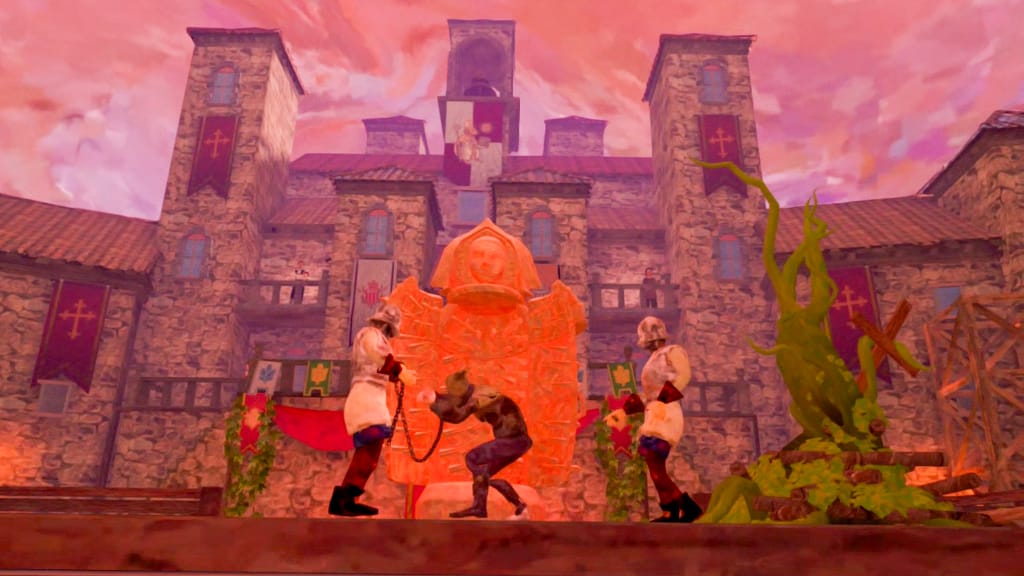
Halfway through the second chapter of Daumier: Lila & Ghost, a familiar and crushing realization set in during a hands-on review session. Playing as Lila alongside a colleague occupying the role of Ghost, the previous hour had already tested the limits of patience through unwieldy, disconnected two-player mechanics. Early trials involved manipulating bizarre dials to liberate a caged prisoner and dropping an inexplicable seed into a bucket of water to thwart a punitive pyre—postponing a medieval church’s execution.
Yet, none of these bizarre tasks prepared us for the surreal logic of the garden puzzle.
Transported to a strange courtyard, players find themselves observing three artists painting a woman under the watchful eye of a master named "Vinci." The narrative thread connecting this scene to the plague-ridden medieval city and bloody executions of the first chapter remains nebulous at best. Brief snatches of NPC exposition between chapters hint vaguely at a broader arc, potentially involving vampires, but the delivery is so disengaged that following the plot feels like an exercise in frustration.
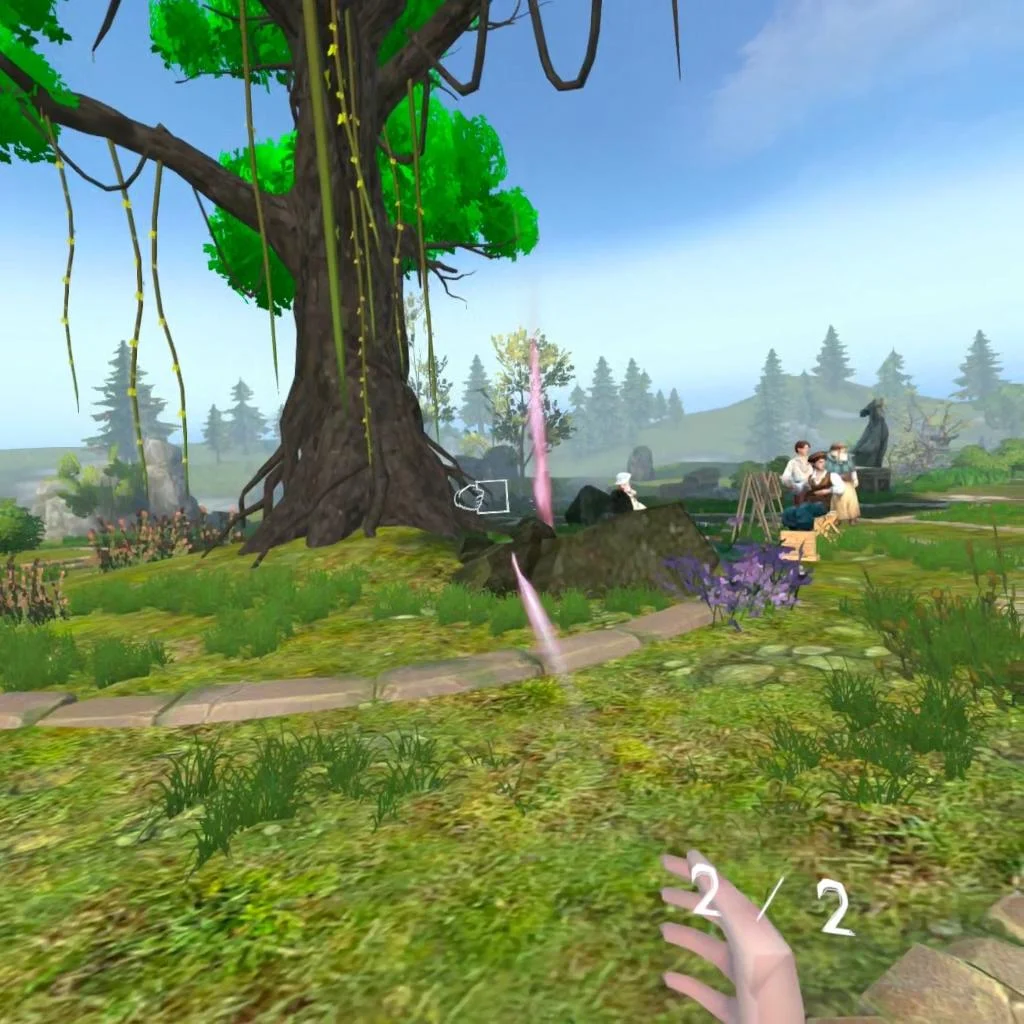
In the garden, Ghost’s primary ability is revealed: the power to advance and rewind the seasons. Manipulating this power causes a central tree to cycle through green spring vines, summer fruits, golden autumn leaves, and barren winter boughs. Cycling through these seasons causes an unnaturally massive leaf to fall. Lila is tasked with feeding this leaf to a caterpillar, then advancing the seasons once more to force the creature into a chrysalis. Returning to spring yields a fully formed, beautiful butterfly.
So far, standard fantasy logic applies. However, the puzzle rapidly spirals into incomprehensibility.
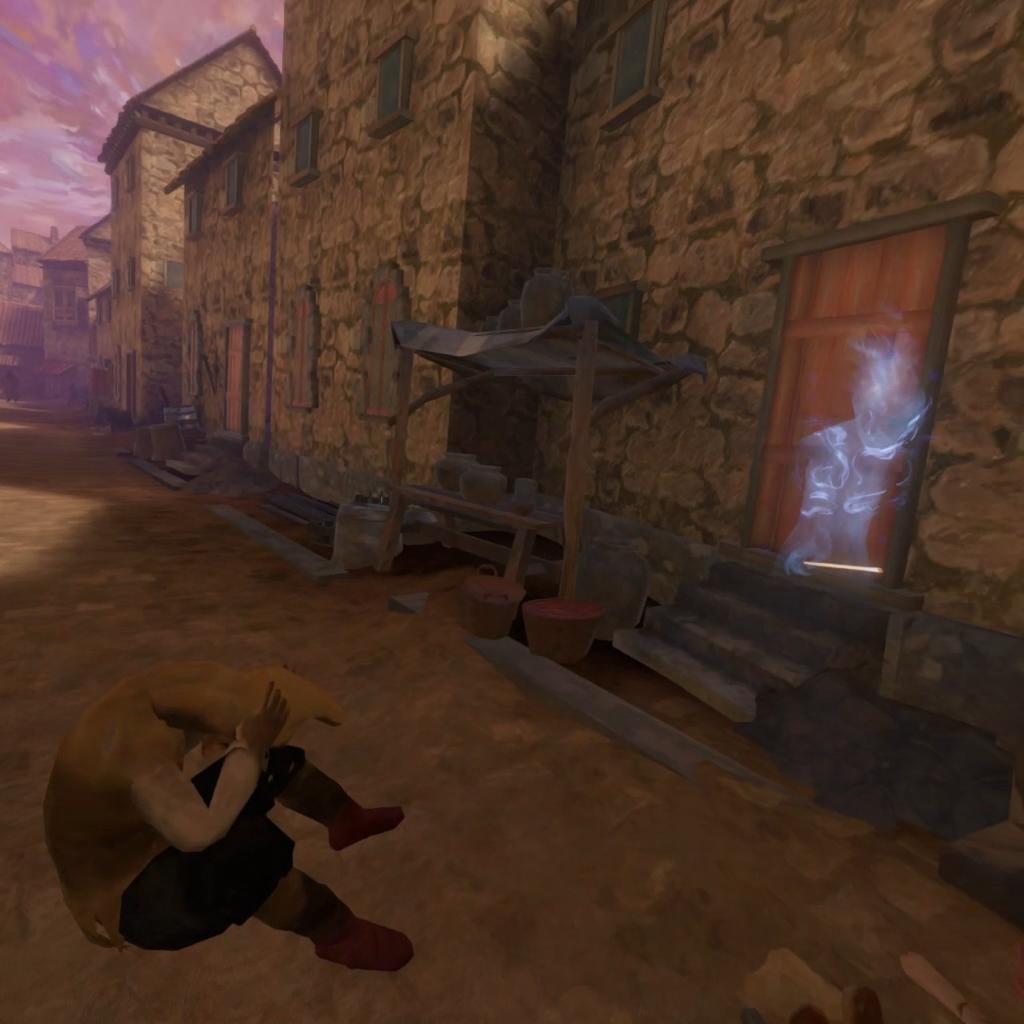
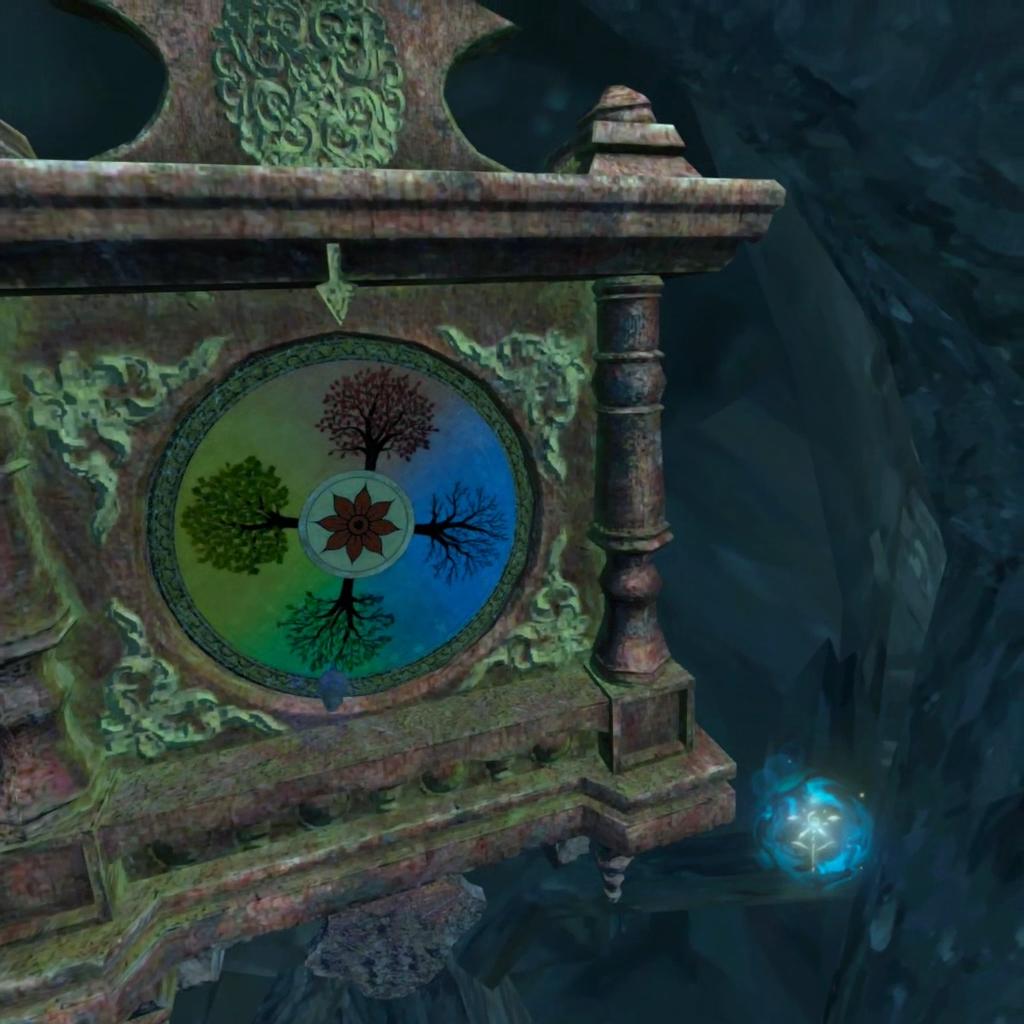
At some point during this biological metamorphosis, two shimmering orbs of liquid light materialize at the periphery of the garden. Because Daumier restricts movement entirely to rigid teleportation points rather than offering fluid exploration, approaching the orbs directly is impossible. Interaction with them is equally restricted. The origin, nature, and purpose of these floating lights remain entirely unexplained. Nevertheless, the newly hatched butterfly instinctively flies over to hover around them.
Left without clear instructions, players are forced into trial-and-error fumbling. After pacing between limited teleportation nodes and exhausting speculative ideas, the solution reveals itself through staggering illogic. Lila picks up the leaf previously chewed through by the caterpillar. Holding the leaf up to the virtual face reveals a small hole.
The leap from standard gameplay to the solution requires an impossible mental bridge: looking through the chewed hole of a leaf at shimmering orbs of light across the map magically solves the entire environmental puzzle. Peering through the foliage instantly clears the sequence, triggering a scene transition without explanation or earned satisfaction. The ensuing confusion between co-op partners encapsulates the fundamental design flaw of Daumier: solutions are stumbled upon by accident rather than deduced through clever reasoning.
Supporting Data and Technical Evaluation
Beyond its erratic puzzle design, Daumier: Lila & Ghost stumbles across nearly every metric of technical and artistic execution. A comprehensive breakdown of its features reveals a deeply undercooked product:

- Interactivity and Movement: Exploration is severely bottlenecked by a forced teleportation system that strips the virtual reality medium of its primary strength—spatial immersion. Manipulating physical objects within the game space frequently feels finicky, imprecise, and frustrating.
- Presentation and Localization: Character animations are distinctly subpar, failing to convey weight or intent. Subtitles are marred by distracting typos, while the voice acting swings wildly between stilted delivery and melodramatic caricature. While unintentional camp value might amuse niche audiences, it undercuts any serious dramatic tension.
- Onboarding and UI: Core gameplay mechanics are rarely, if ever, explained to the player. Crucial mechanics—such as the integrated hint system or an ephemeral paintbrush designed to facilitate non-verbal communication—were discovered entirely by accident through random button inputs.
- Cooperative Balance: Too many of the game’s challenges relegate one player to active problem-solving while the other is forced to stand idly by, waiting for their partner to finish. True collaborative moments are few and far between, failing to evoke the sense of intellectual synergy found in genre benchmarks.
Official Responses and Developer Context
LingVision Games and publisher Vision Bridge have positioned Daumier as an accessible, bite-sized co-op adventure tailored for pairs looking for virtual reality bonding experiences. To mitigate barrier-to-entry concerns, the companies implemented an aggressive launch promotion: anyone purchasing the $14.99 title on the Meta Quest platform during its first month of release receives a complimentary companion key for a friend, provided they join the official developer Discord server.
Despite these promotional efforts, community response on launch channels has underscored the friction caused by the game’s steep and often illogical learning curve. LingVision Games has not yet issued a formal statement addressing specific complaints regarding the title’s obtuse puzzle logic or movement restrictions, though patches addressing typographical errors and minor stabilization are anticipated.
Implications for the VR Puzzle Genre
The release of Daumier: Lila & Ghost highlights a persistent philosophical divide in modern VR game design. The medium holds immense potential for cooperative puzzle-solving, a space successfully inhabited by titles like Keep Talking and Nobody Explodes, We Were Here, and Moss. These games thrive on establishing a clear language of interaction, where players feel genuinely clever upon deciphering complex mechanics.
When puzzle design relies on arbitrary leaps in logic—such as looking through a caterpillar-chewed leaf at inexplicable orbs of light—the psychological contract between designer and player is broken. Instead of evoking wonder or intellectual satisfaction, the experience fosters alienation, boredom, and confusion.
For the Meta Quest ecosystem, Daumier serves as a cautionary tale about the pitfalls of rushing cooperative concepts to market without rigorous playtesting. While the developer’s inclusion of a "friend pass" promotional mechanic lowers the financial risk for pairs looking for weekend entertainment, the underlying execution suggests that future titles from LingVision Games will require a fundamental overhaul of their puzzle architecture and narrative cohesion if they hope to compete with industry standards.

