Main Facts: The Return of a Modern Classic to Streaming
For action movie enthusiasts seeking the ultimate weekend watch, 2014’s The Equalizer has officially arrived on Netflix, bringing its unique blend of gritty violence, calculated suspense, and suburban serenity back to the mainstream. Directed by Antoine Fuqua and starring two-time Academy Award winner Denzel Washington, the film revitalized a classic 1980s television premise, transforming it into a modern masterclass of vigilante cinema.
While the action genre is populated by countless variations of the "retired lethal operative" trope—from the bullet-ballets of the John Wick franchise to the relentless paternal fury of Taken and Nobody—The Equalizer occupies a distinct space. It trades hyper-stylized gunplay for methodical, environment-utilizing brutality. Following its recent addition to Netflix’s streaming library, the film is once again proving why Robert McCall stands tall as one of the most compelling, quietly terrifying protagonists in modern action history.
Chronology: From Small-Screen Spy to Big-Screen Vigilante
To understand the cultural and cinematic weight of 2014’s The Equalizer, one must trace its roots back through television history and examine how Antoine Fuqua and Denzel Washington translated the property for a modern audience.
1. The 1980s Origins
Created by Michael Sloan and Richard Lindheim, the original CBS television series The Equalizer ran from 1985 to 1989 and starred Edward Woodward as Robert McCall. In the television iteration, McCall was a disillusioned former covert operations agent—working for a shadowy intelligence organization simply known as "The Company"—who sought to atone for his past sins by offering his specialized services free of charge to ordinary people with nowhere else to turn.
2. The 2014 Cinematic Reboot
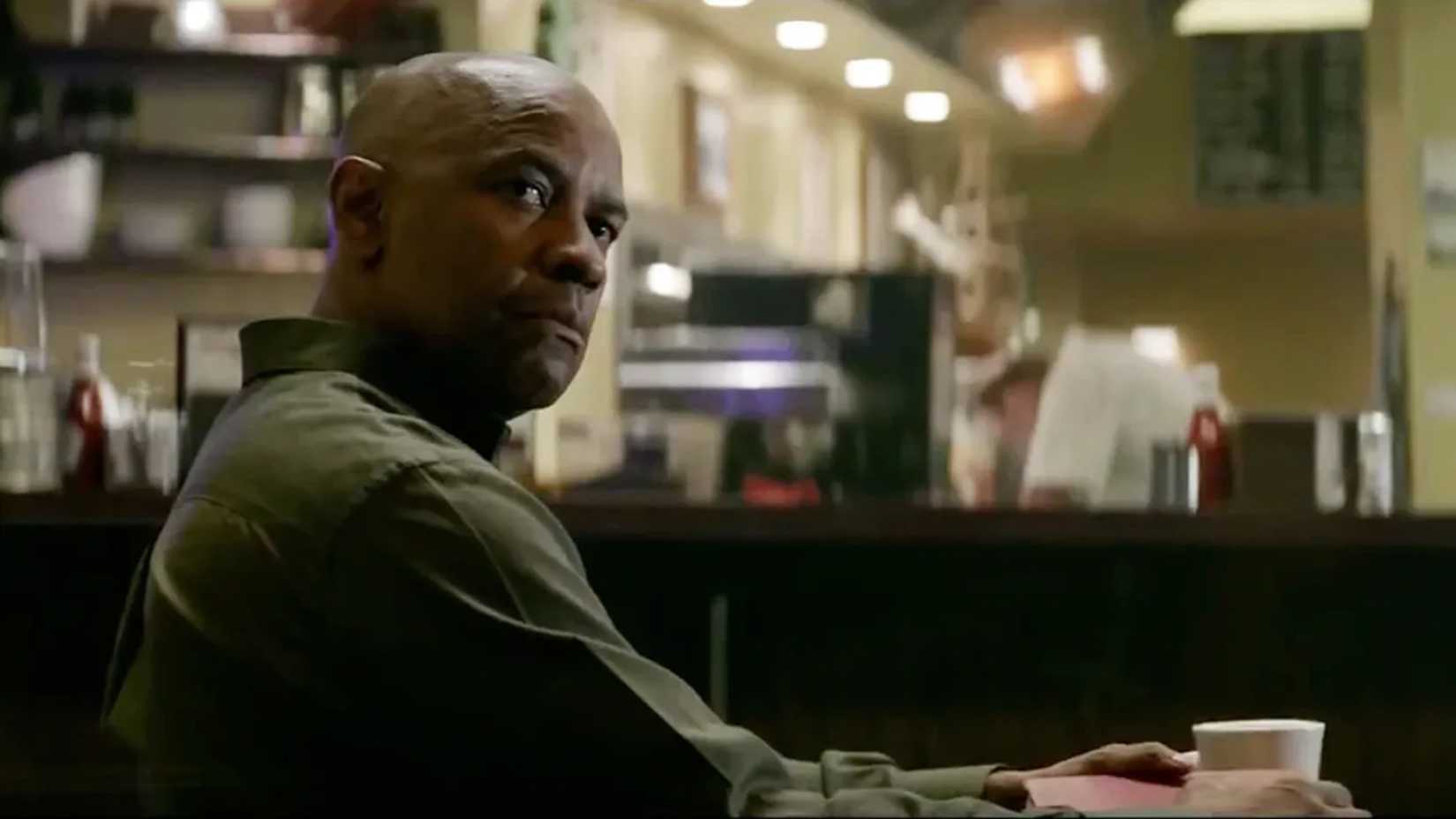
More than two decades after the series concluded, Columbia Pictures breathed new life into the IP. Reuniting Denzel Washington with director Antoine Fuqua—with whom Washington previously collaborated on his Oscar-winning turn in 2001’s Training Day—the cinematic reboot reimagined McCall. Instead of operating as an active private investigator, Washington’s McCall lives a meticulously structured, quiet life in Boston. He works a blue-collar job at a local home-improvement superstore, chats with coworkers, and spends his nights reading classic literature at a 24-hour diner.
3. The Escalation to Trilogy Status
The success of the 2014 original spawned a robust cinematic franchise, cementing the character’s longevity. The Equalizer 2 (2018) expanded McCall’s scope to a global and rideshare-driving local scale, while The Equalizer 3 (2023) transported the aging vigilante to the picturesque, dangerous coastline of Southern Italy. Though only the first installment has hit Netflix in this latest streaming wave, the trilogy stands as a rare modern action property that maintained its creative vision and critical engagement across three entries.
Supporting Data and Production Insights: Crafting the Myth of Robert McCall
What separates The Equalizer from standard popcorn fare is the deliberate pacing and psychological tension engineered by Fuqua and screenwriter Richard Wenk. The production relied heavily on practical effects, meticulous set design, and Washington’s magnetic screen presence to anchor the premise in reality.
The Box Office and Critical Footprint: Upon its theatrical release in September 2014, The Equalizer pulled in a stellar $34.1 million domestically during its opening weekend, eventually grossing over $192 million worldwide against a production budget of roughly $55 million.
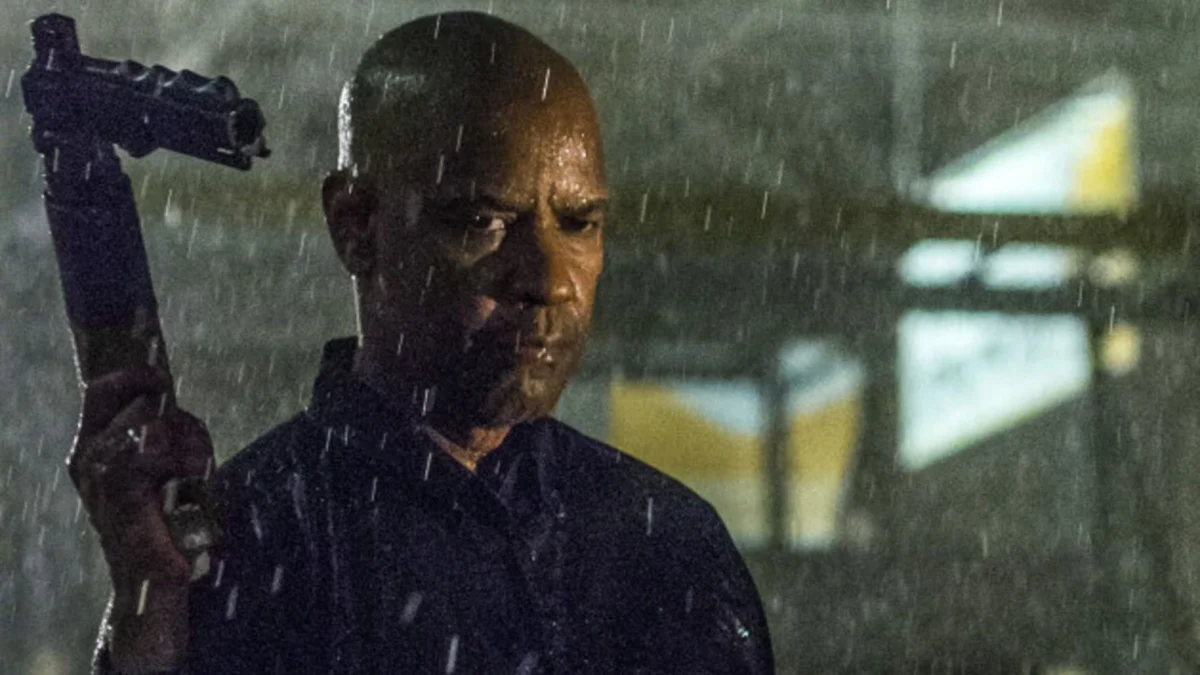
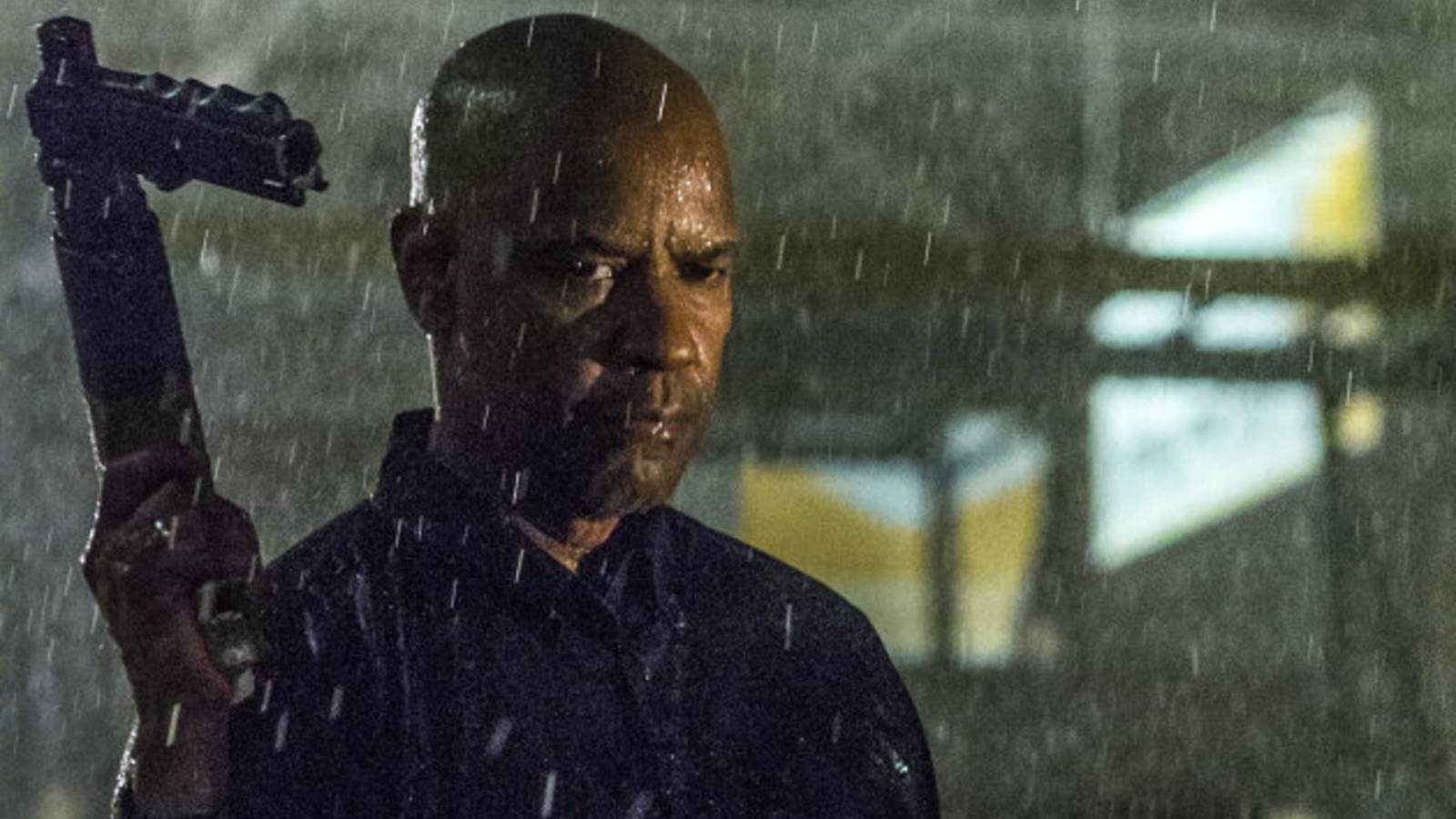
The Weaponized Environment: Unlike characters who rely primarily on firearms, McCall’s toolkit is infinitely more creative. According to behind-the-scenes breakdowns of the film’s climax, the production utilized an authentic, fully stocked hardware store set, allowing Washington to interact organically with everyday merchandise—transforming nail guns, power drills, thermal lances, and paint cans into instruments of calculated retribution.
The Antagonist Dynamic: The casting of Marton Csokas as Teddy Rensen provided a rare psychological match for Washington. Unlike generic mob heavies, Teddy is an ice-cold, highly trained Russian fixer who treats dismantling McCall’s world like a chess match, elevating the stakes of the film’s second and third acts.
Official Responses and Critical Reception
Upon its release, The Equalizer received generally positive notices from critics, who praised Washington’s commanding gravity even as some pointed out the familiar nature of the narrative arc.
Industry reviewers frequently highlighted how Washington elevated material that, in lesser hands, could have devolved into mindless B-movie schlock. Writing during the film’s theatrical run, prominent critics noted that Washington brought an emotional vulnerability to Robert McCall—showcasing a man genuinely trying to live a peaceful life of penance—which made his eventual, inevitable eruption of violence all the more cathartic.
Antoine Fuqua noted in retrospective interviews that developing the character required a balance of old-school Western tropes and modern thriller pacing:
"Denzel didn’t want McCall to just be a machine. He wanted him to be a man who drinks tea, reads books, and cares about the people around him. The violence only matters because you care about the quiet moments before it happens."
Implications: The Legacy of "Dad-Action" and Streaming Resurgence
The enduring popularity of The Equalizer on platforms like Netflix underscores significant shifts in modern viewing habits and the economics of mid-budget cinema.
1. The Dominance of Mid-Budget Star-Driven Action
In an era dominated by sprawling cinematic universes and intellectual property-driven CGI spectacles, The Equalizer represents a dying breed: the mid-budget, star-studded action thriller. It proves that audiences still crave grounded, character-driven narratives anchored by powerhouse performances. Denzel Washington does not need a cape or a laser-blasting weapon; his sheer stillness on screen communicates absolute danger.
2. The Power of Curated Streaming Discoveries
As streaming algorithms continually cycle through content, older action hits frequently find entirely new generations of fans. The Equalizer arriving on Netflix positions it perfectly for weekend viewings, serving as a cultural touchstone for families—frequently cited by viewers as the ultimate "dad movie" night pick. By blending wholesome domestic routines with over-the-top, vigilante justice, the film hits a sweet spot of comfort viewing mixed with visceral thrills.
Conclusion
Whether you are revisiting the Boston hardware store massacre for the fifth time or experiencing Robert McCall’s terrifying politeness for the first time on Netflix, The Equalizer remains a high-water mark for modern action cinema. It reminds us that patience, precision, and a well-timed stopwatch can make for some of the most satisfying cinematic retribution ever captured on film.