

The entertainment landscape is undergoing a seismic shift, one measured not in cinematic aspect ratios or theater seating capacities, but in the rapid, addictive cadence of the vertical feed. "Microdrama"—the shorthand for hyper-condensed, serialized scripted content—has officially graduated from a niche experiment to the industry’s most coveted format. As Hollywood studios scramble to find relevance in a landscape dominated by the scroll, TikTok has doubled down on its dominance, announcing a strategic partnership with Made By Us Studios to flood the platform with premium, creator-led scripted series.
This move marks a significant evolution for the creator economy, bridging the gap between social media personality-driven content and traditional, high-production-value narrative filmmaking.
Main Facts: The Made By Us x TikTok Collaboration
The partnership between TikTok and Made By Us Studios represents a deliberate effort to professionalize the "vertical storytelling" pipeline. Made By Us Studios, a venture powered by the management firm MADE BY ALL, is positioning itself as a "Hollywood-grade" powerhouse built specifically for the demands of modern social media.
The inaugural slate of this partnership features two distinct projects:
- "Player": Described as a high-stakes "romantic revenge thriller." The series is anchored by creator Hannah Stocking, a veteran of the digital space who is moving beyond short-form comedy to executive produce and star in the project.
- "The Knock": A genre-focused thriller—widely expected to lean into horror elements—starring TikTok comedian Adam Rose. Notably, the project is being produced in collaboration with Spooky Pictures, the same production house behind the high-profile, and famously divisive, SCP Foundation film project associated with A24.
These series will be distributed exclusively on TikTok and the dedicated streaming platform PineDrama, signaling a closed-loop ecosystem where social engagement feeds directly into a premium streaming experience.
Chronology: The Rise of the Microseries
The ascent of the microdrama did not happen overnight; it is the culmination of years of platform optimization and shifting audience attention spans.
- The Early Days of Viral Clips: In the mid-2010s, platforms like Vine and the early iteration of Musical.ly (later TikTok) introduced the world to the "loopable" narrative—a story that could be told in under 60 seconds.
- 2024-2025: The Institutional Buy-In: As audiences migrated to short-form video, traditional Hollywood began to take notice. Studios started hiring creators not just for cameos, but as showrunners, recognizing that the "creator language" was more resonant than traditional broadcast scripting.
- April 2026: The HOORAE Blueprint: TikTok struck a seminal deal with Issa Rae’s production company, HOORAE. The resulting series, Screen Time, acted as a proof-of-concept, garnering over 580 million views and setting the gold standard for vertical engagement.
- September 2026: Expansion of Production Networks: The industry saw increased involvement from boutique studios like Spooky Pictures, signaling that "micro" budgets were now attracting "macro" talent.
- October 2026: The Made By Us Deal: TikTok officially expands its roster by partnering with Made By Us Studios, moving from experimental one-offs to a sustainable slate of recurring, high-budget vertical content.
Supporting Data: Why Vertical Is Winning
The success of the microdrama is not merely anecdotal; the metrics provide a compelling case for this format’s longevity.
The Power of the "Vertical Hook"
Data from recent releases suggests that retention rates for vertical dramas significantly outperform traditional episodic television when marketed on social feeds. Because these shows are "designed for the feed"—meaning they feature immediate pacing, rapid visual cuts, and direct-to-camera or intimate framing—the drop-off rate is lower.
The "Screen Time" Benchmark
The success of Screen Time serves as the current benchmark for the industry. With over 580 million views, it has demonstrated that a series can achieve global reach without the friction of a traditional distribution window.
The Economics of Integration
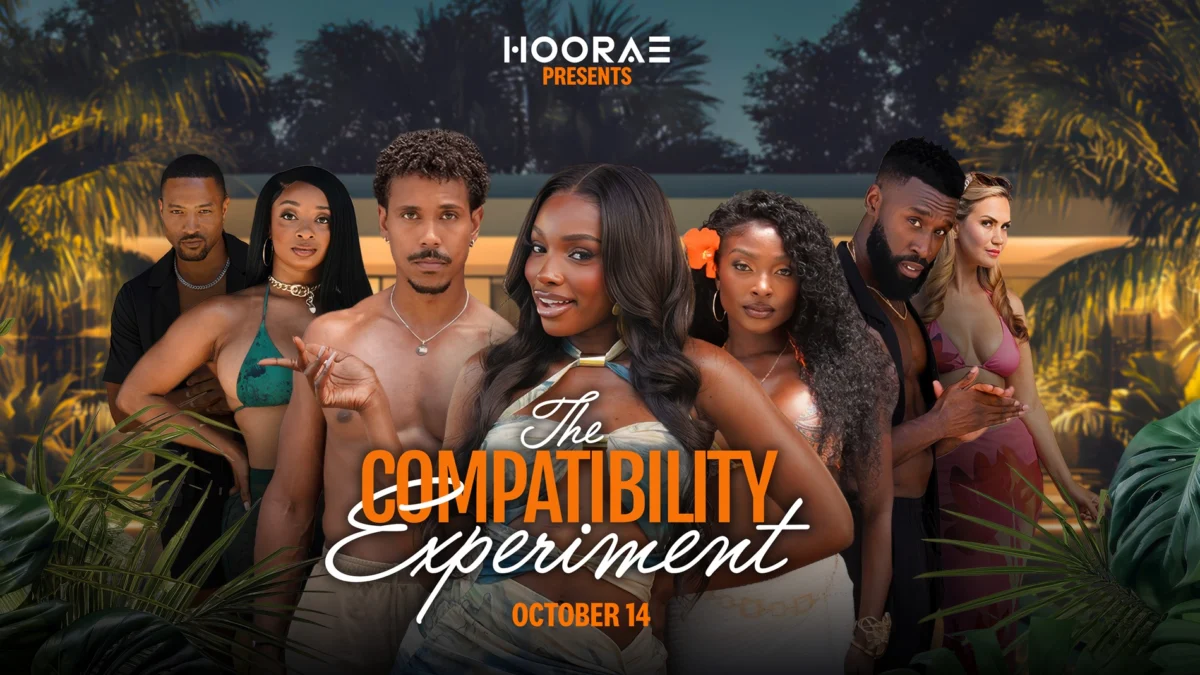
The business model is equally innovative. During the recent MIPCOM Cannes conference, the debut of The Compatibility Experiment highlighted the monetization potential. The 68-episode series, which boasts a total runtime of approximately one hour, successfully integrated brands like poppi and Sol De Janeiro. These are not traditional "ads" that interrupt the flow; they are woven into the narrative, proving that high-end storytelling can coexist with brand partnerships without alienating the audience.
Official Responses: The Philosophy of the Feed
The architects of this shift are clear about their objectives. Dawn Yang, TikTok’s Global Head of Entertainment & Microseries, articulated the platform’s vision in a recent statement:
"Micro-series are pioneering a new language of storytelling. We’re thrilled to partner with MADE BY US on a slate that puts creators at the center, alongside established producers and industry talent, to tell stories designed for the feed from the start. This is an exciting step forward in our continued investment in the next generation of premium vertical storytelling."
From the studio side, the sentiment is one of professionalization. Leanne Perice, co-CEO of Made By Us Studios, emphasizes that this partnership is about career longevity for the creators involved:
"I’ve worked with content creators for over a decade, and I’ve seen their ambitions to develop premium IP and build careers in Hollywood. Now, as a studio, we get to help bring those ambitions to life, working with them from the first idea through production. This partnership with TikTok opens an exciting new path for creators to develop scripted stories, take on leading roles, and help shape the projects they’re part of."
Implications: A New Era for Hollywood
The implications of this partnership are profound, touching on everything from creative labor to the future of the cinema industry.
The Democratization of IP
Traditionally, Hollywood has been a "gated" community. By partnering directly with creators who already possess massive, built-in audiences, TikTok and Made By Us are effectively bypassing the traditional pilot-season vetting process. They are betting on the creator’s ability to "test" concepts in real-time, using engagement metrics to determine which stories deserve a full, serialized run.
The Changing Definition of "Film"
We are witnessing a divergence in the definition of a "show." When a 68-episode series can be consumed in the time it takes to watch a single sitcom episode, the grammar of television is forced to change. Filmmakers are learning to prioritize "the beat"—a moment of narrative tension—over the traditional three-act structure. This creates a hyper-accelerated viewing experience that mirrors the speed of the modern digital user.
Brand Integration as Art
The seamless integration of brands like poppi and Sol De Janeiro into The Compatibility Experiment suggests that the future of television revenue will be driven by "shoppable storytelling." If the viewer can tap to purchase a product seen in a scene, the line between entertainment and e-commerce vanishes. For studios, this provides a lucrative alternative to the fluctuating subscription-based models of legacy streaming platforms.
The Future of Talent
For creators like Hannah Stocking and Adam Rose, this represents a transition from "influencer" to "auteur." As they take on roles as executive producers and lead talent, they are effectively building a new tier of Hollywood elite—one that derives its power not from studio contracts, but from the raw, quantifiable loyalty of millions of followers.
As the industry looks toward 2027, one thing is clear: the vertical screen is no longer a secondary window. It is the primary theater. Whether the "microdrama" will eventually evolve into feature-length formats remains to be seen, but for now, the creators have the floor, the studio, and the audience’s undivided attention. The question remains: can traditional Hollywood adapt to the speed of the scroll, or will it be left behind in the long-form past?

