

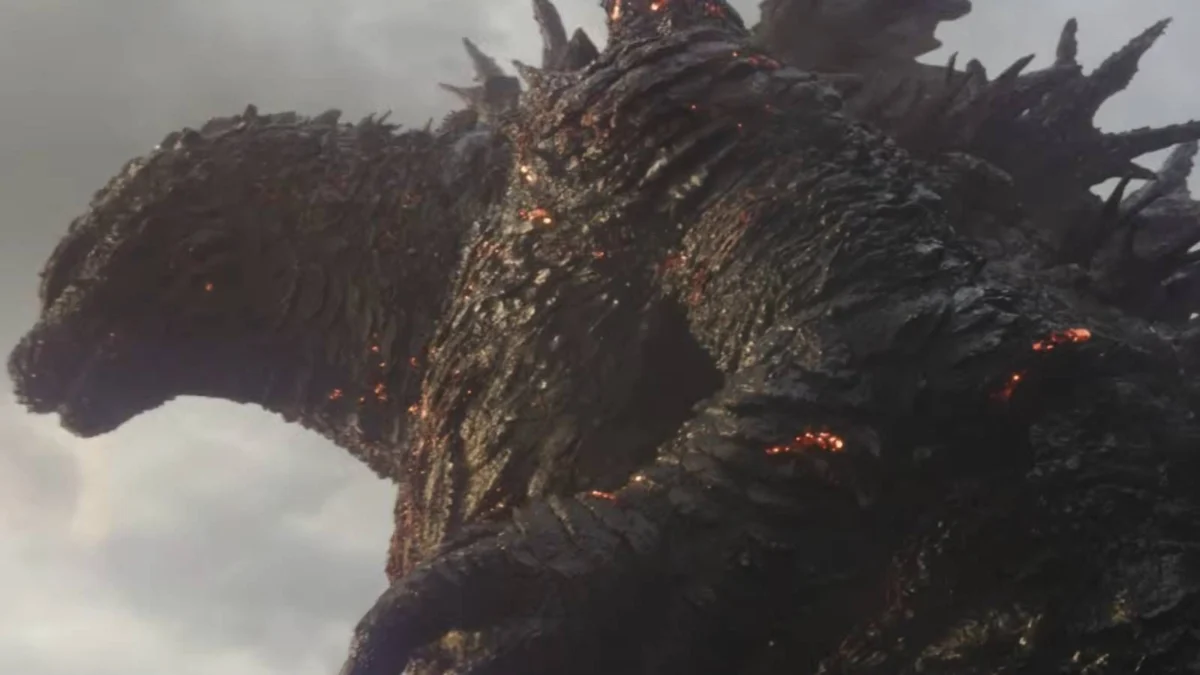
The ground is trembling, sirens are wailing, and the skyline of a recovering post-war Japan is once again shrouded in the shadow of a gargantuan, prehistoric terror. The "King of the Monsters" has returned, and this time, he is not merely facing the fragility of human civilization—he is being forced to defend his throne against a celestial, three-headed nightmare. The official trailer for Godzilla Minus Zero has sent shockwaves through the cinematic landscape, confirming that director Takashi Yamazaki is doubling down on the visceral, high-stakes storytelling that made Godzilla Minus One a global phenomenon.
As the sequel to the critically acclaimed Minus One, Godzilla Minus Zero promises to expand the scope of the narrative, moving from a localized tragedy of survival to an epic battle for supremacy. With the release date set for November 6, anticipation has reached a fever pitch, signaling what may be the most significant kaiju event in the franchise’s storied history.
Main Facts: A Clash of Titans
The premise of Godzilla Minus Zero picks up in the immediate, harrowing aftermath of the events seen in Minus One. Post-war Japan, still reeling from the devastation of atomic warfare and the subsequent rampage of Godzilla, is struggling to rebuild its infrastructure and social fabric. However, the fragile peace is shattered when the regenerative capabilities of the King of the Monsters are put to the test.
The core conflict arises with the arrival of King Ghidorah—a gargantuan, extraterrestrial adversary that threatens to eclipse Godzilla in both size and destructive capacity. Unlike previous iterations of the franchise where Godzilla was the sole primary antagonist, Minus Zero introduces a "clash of titans" dynamic. The film centers on the realization that for Godzilla to survive, he must engage in a brutal, city-leveling war of attrition against his most iconic rival. This is not just a fight for territory; it is a primal battle for dominance, with the human population caught in the crossfire of two god-like entities.
A Chronological Evolution of the Franchise
To understand the gravity of Godzilla Minus Zero, one must view it through the lens of the franchise’s recent evolution.
- The Origin of "Minus One": Released to massive critical acclaim, Godzilla Minus One stripped the creature back to his roots: an unstoppable, nuclear-fueled manifestation of human trauma and societal collapse. It eschewed the campiness of some mid-era entries for a grounded, period-accurate exploration of survivor’s guilt.
- The Bridge to "Minus Zero": Following the success of the 2023 release, TOHO Co., Ltd. signaled that they were not finished with this specific timeline. The transition from Minus One to Minus Zero represents a strategic expansion of the cinematic universe, moving from an intimate survival story to a grander, more operatic spectacle.
- The November 6 Release: With the marketing campaign now in full swing, the timeline concludes with the November 6 theatrical debut. This release window is critical, positioning the film as a major contender for the end-of-year box office charts and cementing the "Minus" series as a cornerstone of modern kaiju cinema.
Supporting Data and Production Excellence
The critical reception for this new installment has already been stellar, mirroring the success of its predecessor. Godzilla Minus Zero has debuted to near-perfect scores on major aggregator platforms like Rotten Tomatoes, reflecting a rare consistency in the franchise’s quality.
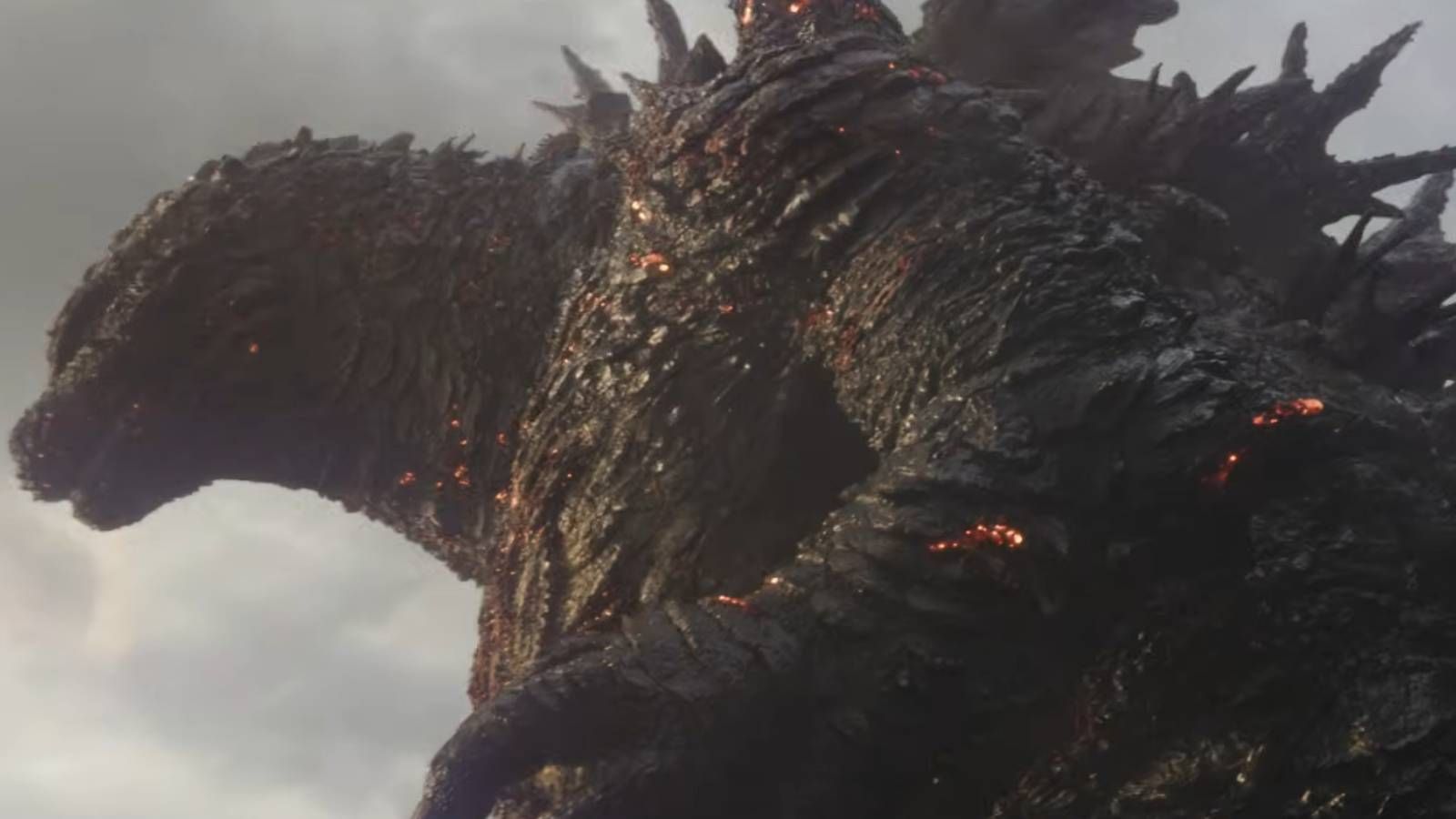
The production team, led once again by director Takashi Yamazaki, has retained the core cast that defined the emotional stakes of the first film. Returning actors include Ryunosuke Kamiki, Minami Hamabe, Hidetaka Yoshioka, Yuki Yamada, Kuranosuke Sasaki, Sakura Ando, and Miou Tanaka. These characters, who were fundamentally changed by the initial attacks in Minus One, now find themselves facing a more complex threat. To bolster the cast, the production has added powerhouse talent including Min Tanaka, Masami Nagasawa, and the legendary Jun Kunimura, ensuring that the human drama remains as compelling as the creature effects.
Technically, the film continues to push the boundaries of what is possible with visual effects on a focused budget. By prioritizing practical sets and high-fidelity digital compositing, Yamazaki has maintained the "weight" of the monsters, ensuring they feel like physical objects interacting with the environment rather than weightless CGI models.
Official Responses and Creative Vision
The most significant talking point surrounding the production is its commitment to an uncompromising, mature tone. Godzilla Minus Zero is officially classified as an R-rated film, a rarity for the franchise that underscores the darker, more violent path the narrative has taken.
Director Takashi Yamazaki has been vocal about his refusal to dilute the film’s intensity to secure a broader rating. In recent interviews, Yamazaki noted, "There were certain scenes that, for me as a director, were so essential to the film. Censoring it or cutting it was just not an option for me." This dedication to artistic integrity has resonated with both the studio and the fanbase. By embracing a mature rating, the production is able to depict the true, harrowing consequences of kaiju warfare—not just in terms of property damage, but in the toll taken on human life.
The studio, TOHO, has mirrored this sentiment, allowing the production team the creative freedom to treat the subject matter with the gravity it deserves. This partnership between director and studio has been the hallmark of the current era of the franchise, and it remains the primary driver behind the high levels of audience trust.
Implications: The Future of the Kaiju Genre
The release of Godzilla Minus Zero carries significant implications for the future of monster movies globally.
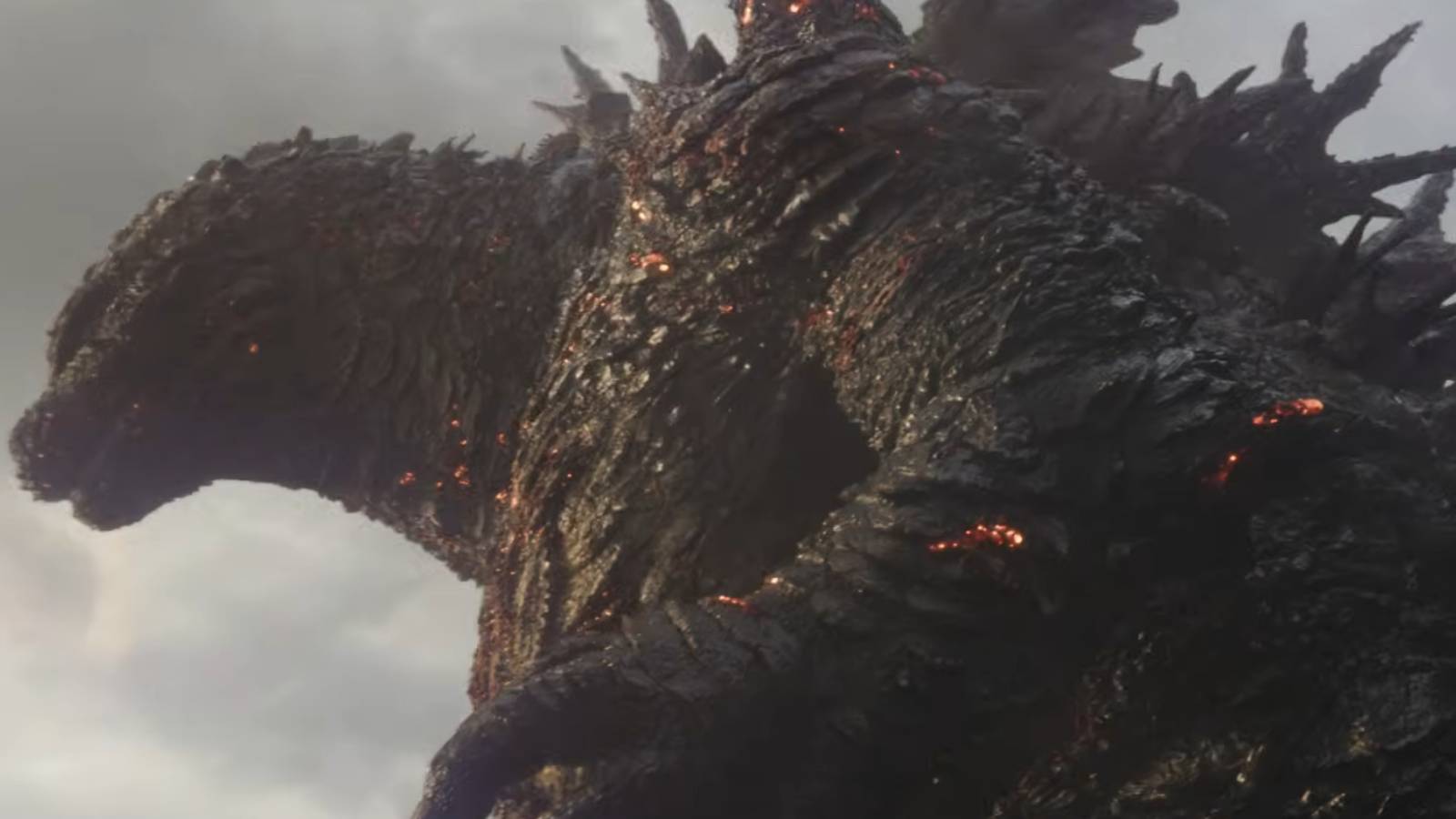
1. The Rise of "Serious" Kaiju:
The success of this series proves that modern audiences are hungry for "serious" monster films. By grounding the fantastical elements in historical reality and genuine emotional trauma, Minus Zero is setting a new industry standard. Future directors will likely look to this film as a blueprint for how to handle large-scale action without losing the human element.
2. A New Standard for Visual Effects:
The film’s reliance on a specific visual style—one that feels both classic and cutting-edge—suggests a shift away from the "everything is digital" trend. If Minus Zero succeeds financially, it could lead to a resurgence in practical effects-led filmmaking, where the tactile nature of the sets adds to the overall immersion.
3. Expanding the "Minus" Universe:
The success of these films opens the door for a wider exploration of the "Minus" timeline. Could we see spin-offs focusing on other classic kaiju integrated into this post-war landscape? The introduction of King Ghidorah alone creates a narrative bridge that could potentially link to other iconic monsters, creating a cohesive universe that is distinct from both the American MonsterVerse and the previous Japanese iterations.
4. The Cultural Impact:
Finally, Godzilla Minus Zero reinforces the enduring relevance of the character as a metaphor for existential anxiety. Whether it is the fear of nuclear annihilation in the 1950s or the complex anxieties of the 21st century, Godzilla remains the ultimate vessel for our collective fears. By keeping the narrative grounded in a specific, vulnerable moment in history, Yamazaki is ensuring that Godzilla remains not just a monster, but a mirror reflecting the human condition.
As November 6 approaches, the theater industry is bracing for what is expected to be a massive turnout. With the pedigree of the cast, the creative bravery of the direction, and the sheer spectacle of a Godzilla versus King Ghidorah showdown, Godzilla Minus Zero is poised to be more than just a summer-style blockbuster—it is set to be a definitive piece of contemporary cinema. The King is back, and he is ready to remind the world why he remains the undisputed master of the screen.

