

Main Facts
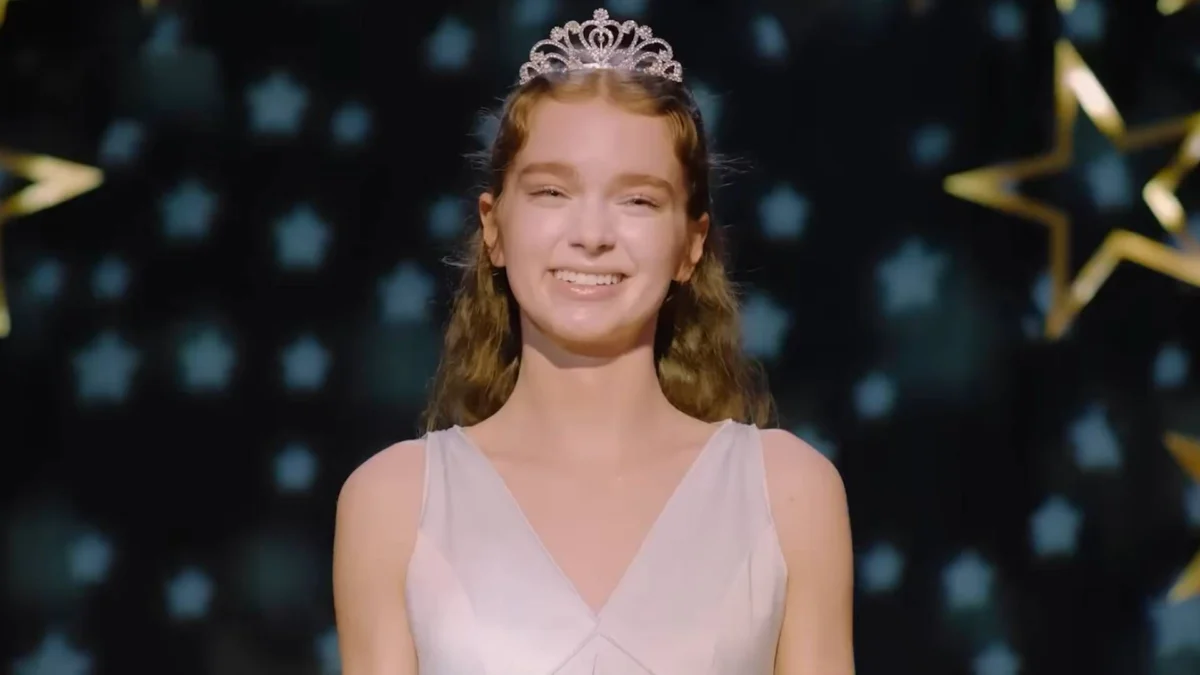
The landscape of horror television is preparing for a seismic shift as acclaimed auteur Mike Flanagan turns his lens toward Stephen King’s seminal 1974 debut novel, Carrie. Headed to Prime Video on October 7, the upcoming eight-episode limited series promises to break the mold of previous adaptations by offering a radically humanized, deeply psychological re-imagining of the telekinetic teenager and her fanatically religious mother.
Stepping into the blood-soaked shoes of Carrie White is young genre veteran Summer H. Howell, while Samantha Sloyan takes on the complex role of her mother, Margaret White. Unlike Brian De Palma’s legendary 1976 feature film or subsequent theatrical and television remakes, Flanagan’s version—spanning a full eight-episode television arc—dives deep into the nuances of modern adolescence, social media toxicity, and a fundamentally revised maternal bond.
Remarkably, this dramatic departure from King’s source material has earned the ultimate stamp of approval: Stephen King himself has publicly praised the project. Taking to social media platform Threads, the legendary author called Flanagan’s version "brilliant," specifically highlighting its harrowing and accurate commentary on modern social media culture. For an author famously protective of his literary canon, this endorsement signals that Flanagan’s creative risks have paid off in a major way.
Chronology: From 1974 Literary Phenomenon to Prime Video
To understand the weight of Mike Flanagan’s upcoming adaptation, it is essential to trace the journey of Carrie across half a century of pop culture history:
- April 1974: Stephen King publishes his fourth-written novel, Carrie, about a bullied, ostracized high school girl who discovers she possesses telekinetic powers. The book becomes an instant bestseller and launches King’s legendary literary career.
- November 1976: Director Brian De Palma releases the cinematic adaptation starring Sissy Spacek as Carrie and Piper Laurie as Margaret. The film becomes a critical and commercial masterpiece, earning Academy Award nominations and cementing the prom-bucket scene as a permanent fixture in horror history.
- 1999–2013: The Carrie legacy continues with a theatrical sequel (The Rage: Carrie 2 in 1999), a made-for-TV movie in 2002, and a cinematic reboot starring Chloë Grace Moretz in 2013. Each adaptation largely sticks to the familiar narrative beats of isolation, religious abuse, and explosive prom-night revenge.
- The Flanagan Era: Known for his elevated, character-driven horror work on Netflix (The Haunting of Hill House, Midnight Mass, The Fall of the House of Usher), Mike Flanagan signs on to helm a new television interpretation of Carrie for Prime Video.
- Present Day: Following early press previews, the cast and creators open up about the subversion of traditional character dynamics, setting the stage for the series premiere on October 7, when all eight episodes drop simultaneously.
Supporting Data and Production Insights
Bringing an eight-hour television series to life based on a tightly wound, compact novel requires an enormous amount of world-building and character expansion. In past cinematic outings, runtime constraints forced filmmakers to compress Carrie and Margaret White’s relationship into a straightforward dynamic of tyrannical abuse and terrified submission.
With an episodic structure, Flanagan has carved out space for a multi-dimensional psychological exploration. According to the production team, the narrative leans heavily into the claustrophobia of modern digital life, exploring how contemporary cyberbullying intersects with isolation.
- Format: 8-episode limited series.
- Release Date: October 7, streaming exclusively on Prime Video.
- Cast: Summer H. Howell (Carrie White) and Samantha Sloyan (Margaret White).
- Key Creative Force: Created, written, and guided by horror mastermind Mike Flanagan.
- Critical Response (Early Indicators): High emotional resonance, with early reviewers noting intense dramatic weight as early as the first episode.
Official Responses and Cast Perspectives
Speaking candidly with critics, the central actors have expressed their initial hesitation and ultimate excitement regarding Flanagan’s unique perspective on the material.
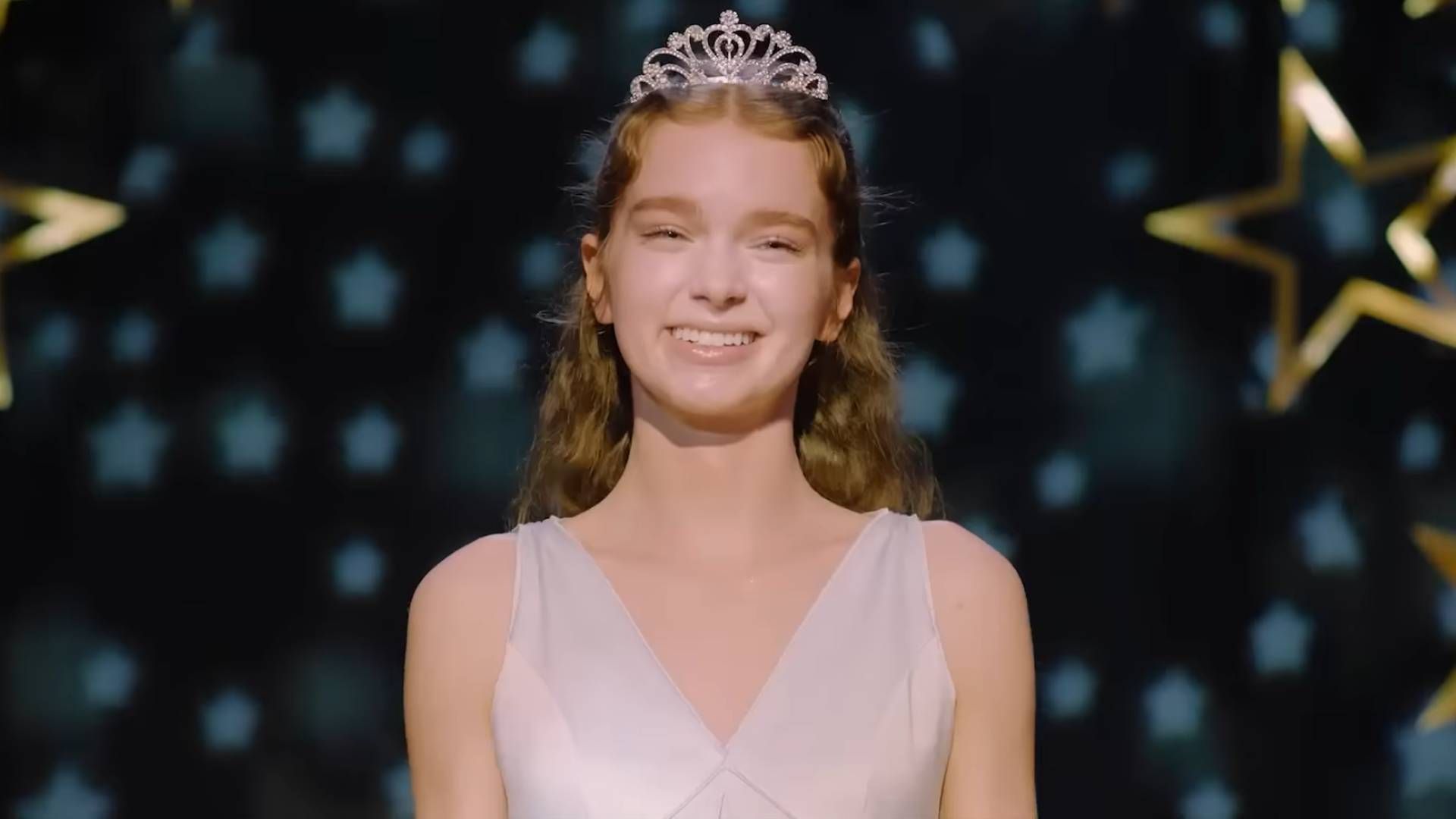
Summer H. Howell admitted that despite her extensive background in the horror genre—having worked in terrifying projects since she was eight years old—she was initially unfamiliar with the cultural footprint of Carrie.
"I hadn’t really heard of Carrie before, which I know, shocking," Howell shared. "I went into it knowing it had been made, asking, ‘Why are we doing it again?’ like everybody. But then reading the scenes and the scripts and seeing the humanity that Mike writes into these characters is just beautiful, and it made me want to be her so bad."
Samantha Sloyan echoed these sentiments, emphasizing that the dynamic between Carrie and Margaret has been completely rewritten to subvert audience expectations. Instead of a one-note tyrant, Sloyan’s Margaret is driven by a genuine, albeit deeply warped and suffocating, maternal love.
"When he talked to me about it, that was the first thing that he said. He’s like, ‘This isn’t the Margaret White that you recognize. They love each other,’" Sloyan explained. "And so that was so exciting because, one, it just freed me up to not have to compete with those performances and to give her so much more dimension… Once Summer and I met each other, I think that even deepened the connection more because we were able to bring the relationship that we truly have to the characters."
This collaborative energy was further validated by Stephen King himself. During a special Writers Guild of America (WGA) event attended by industry insiders, Mike Flanagan noted that King is historically resistant to drastic modifications of his stories. However, King’s public declaration that Flanagan’s take is "brilliant" and features "shocking and true" insights into social media confirms that this version dares to tread where no previous adaptation has gone before.
Implications for the Horror Genre and Stephen King Adaptations
Mike Flanagan’s Carrie arrives at a fascinating cultural crossroads for horror television. For decades, the genre has wrestled with how to adapt classic literary monsters and tragedies for modern audiences without falling into tired tropes of recycled nostalgia. By focusing heavily on the emotional architecture of the mother-daughter relationship and integrating the psychological terrors of modern internet culture, Flanagan is redefining what a Stephen King adaptation can achieve in the streaming era.
Furthermore, the decision to release all eight episodes at once on October 7 indicates that Prime Video is positioning the series as a binge-worthy dramatic event rather than a traditional week-to-week scare fest. If the early reactions hold true—that audiences may find themselves emotionally devastated within the first half-hour of the premiere—Flanagan may have successfully pulled off the impossible: making us sympathize with, weep for, and genuinely understand the tragedy of Carrie White in a completely revolutionary light.

