

For years, the "hidden object" genre has languished in the cultural basement of the gaming industry. Often dismissed as "vacuous" or "low-effort," these titles have historically been relegated to the periphery of gaming discourse. Critics and self-proclaimed "hardcore" gamers frequently characterize them as the quintessential "mom games"—a dismissive label suggesting they are mere pastimes for the non-gamer demographic, devoid of the technical complexity or narrative depth found in AAA titles.
However, a closer examination reveals that this reputation is not only outdated but fundamentally misaligned with the current state of interactive entertainment. As the gaming landscape diversifies, the hidden object genre has evolved, proving itself to be a legitimate, varied, and deeply satisfying category of design. It is time to move past the shame and recognize that there is profound value in the quiet, meditative art of observation.
A Legacy of Misunderstanding: The Evolution of the Genre
To understand the current stigma, one must look back at the industry’s perception of "serious" gaming. For decades, the dominant narrative in PC gaming has been defined by high-octane competition: the twitch-reflex demands of Call of Duty, the tactical depth of Dota 2, or the sprawling, violent simulations of Grand Theft Auto. In this environment, anything that lacks a health bar or a kill-death ratio is often treated as "lesser."

In 2016, an anonymous article published on PC Gamer titled "My shameful obsession with hidden object games on Steam" perfectly encapsulated this pervasive insecurity. The author’s choice to remain anonymous—a tongue-in-cheek nod to the "humiliation" of enjoying these titles—underscored a real sentiment. The genre was seen as a relic, a proto-slop that predated the modern AI-generated content era.
Yet, this perspective ignores the foundational appeal of the genre. My own introduction to hidden object games came in 2009 via Find Your Own Way Home, an "advergame" for an REO Speedwagon album. While it was a marketing tool, it was also a remarkably competent piece of software. It offered a relaxed, undemanding, and genuinely fun experience. It functioned as a palate cleanser in a market saturated with high-stress titles. If we can accept that "gaming" includes driving a bus, managing a professional cycling team, or collecting mushrooms in a simulator, why is the act of focused observation treated as beneath us?
The Mechanics of Stillness: Why We Play
At their core, modern hidden object games operate on a psychological principle that is increasingly rare in modern media: focused, low-stress engagement. In an era of "always-on" connectivity and constant dopamine hits from competitive leaderboards, these games offer a sanctuary of stillness.

Unlike titles that demand constant alertness, the best hidden object games invite the player to settle in. They rely on visual storytelling and atmospheric immersion. The lack of timers, click limits, or punitive failure states in many contemporary titles—such as the Find My Frogs series—is not a sign of "easy" design, but a deliberate choice to prioritize the user’s mental state. This is, in effect, interactive ASMR. The ambient audio, the subtle day/night cycles, and the hand-painted environments are designed to induce a "flow state" where the player is fully present, yet entirely unburdened by pressure.
A Taxonomy of the Modern Hidden Object Game
The genre has expanded significantly, moving well beyond the simple "list of items to find" format of the early 2000s. Today’s titles showcase a remarkable range of innovation:
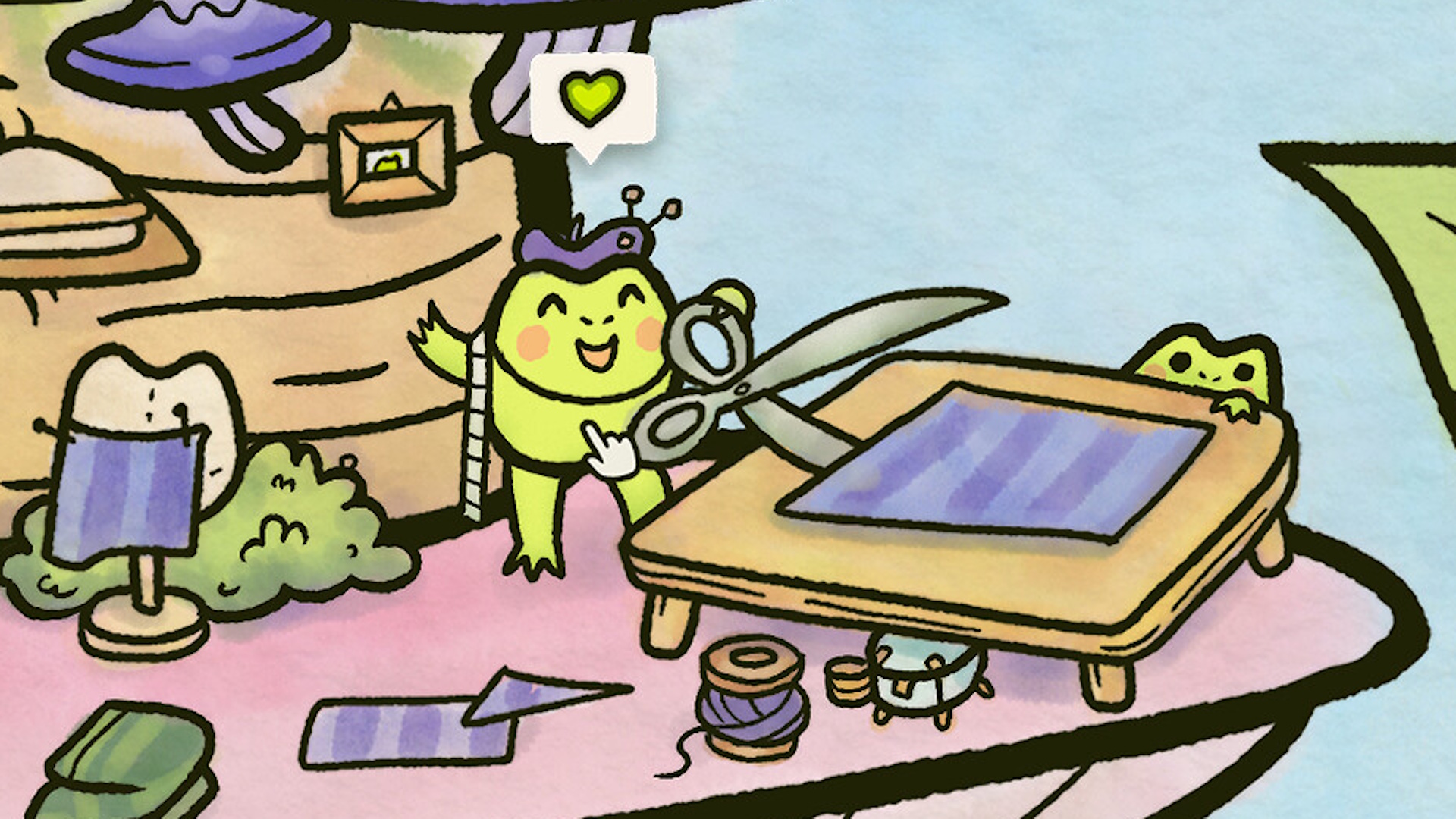
1. The Wholesome Exploration: Find My Frogs
Developed by My Eye Studio, Find My Frogs and its sequel, Find My Frogs: Branches, represent the pinnacle of the "chill" aesthetic. These games eschew traditional game-over mechanics. Instead, they offer a lush, interactive diorama. The game’s appeal lies in the discovery of tiny, hidden details, providing a sense of quiet accomplishment that is rarely found in more frantic titles.
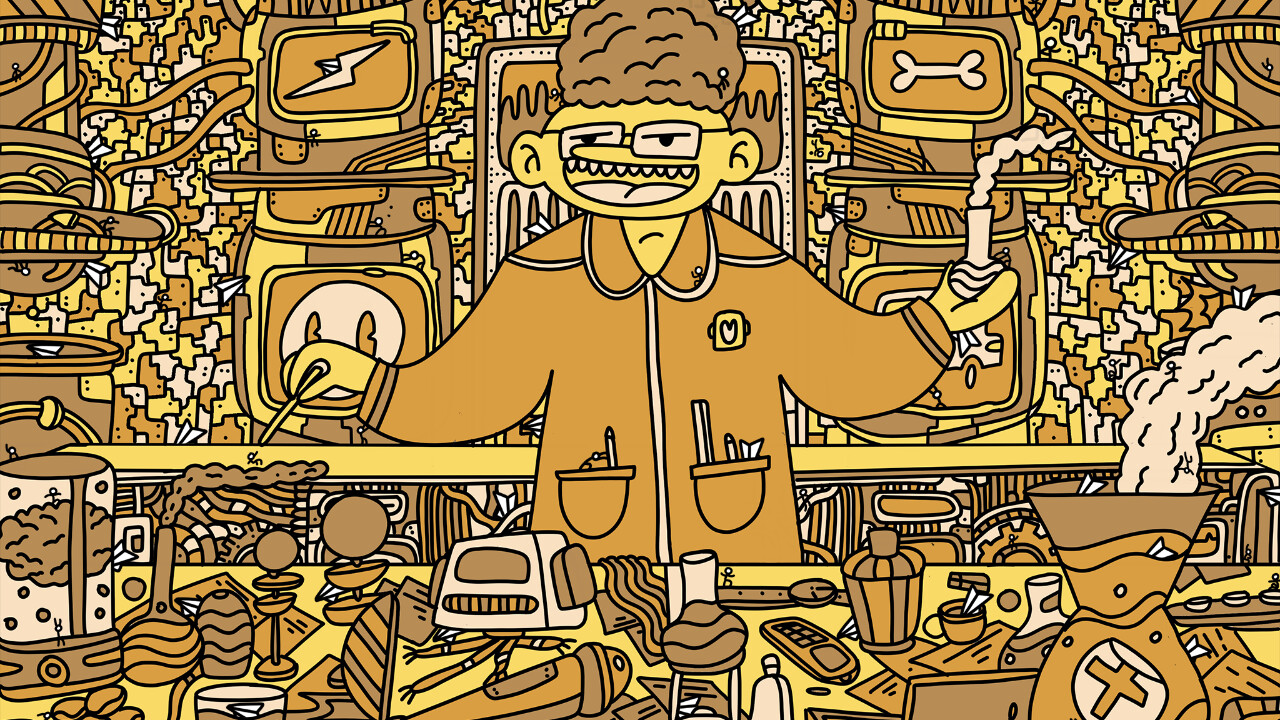
2. The Zen Precision: I Commissioned Some Bees
The I Commissioned Some series (which includes cats, dogs, mice, and unicorns) represents a more focused, meditative approach. These games feature massive, crowded scenes that encourage "effortless focus." Here, the world around the player tends to fade away, leaving only the task at hand. It is a testament to the genre’s versatility that it can cater to both the "super-chilled" player and the "perfectionist" looking for a challenging visual hunt.
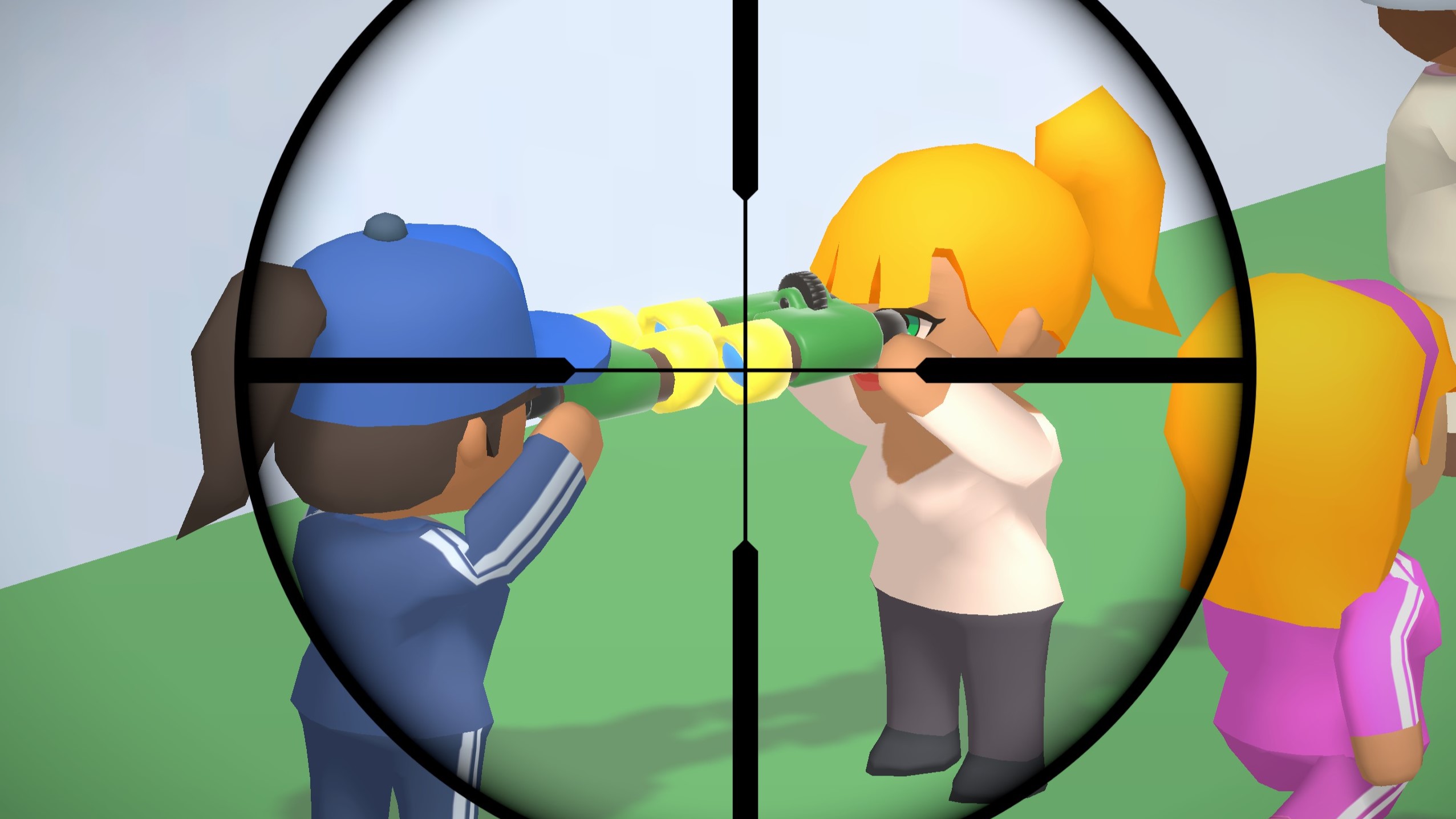
3. The Genre-Bending Hybrid: Sniper Dan
Perhaps the most compelling argument for the genre’s evolution is Sniper Dan. By taking the mechanics of a first-person shooter—usually associated with destruction—and repurposing them for acts of helpfulness, the game creates a "symbiotic relationship" between two disparate genres. In Sniper Dan, you are not killing; you are fixing broken objects, tending to gardens, and solving environmental puzzles. It is a brilliant subversion of expectations.
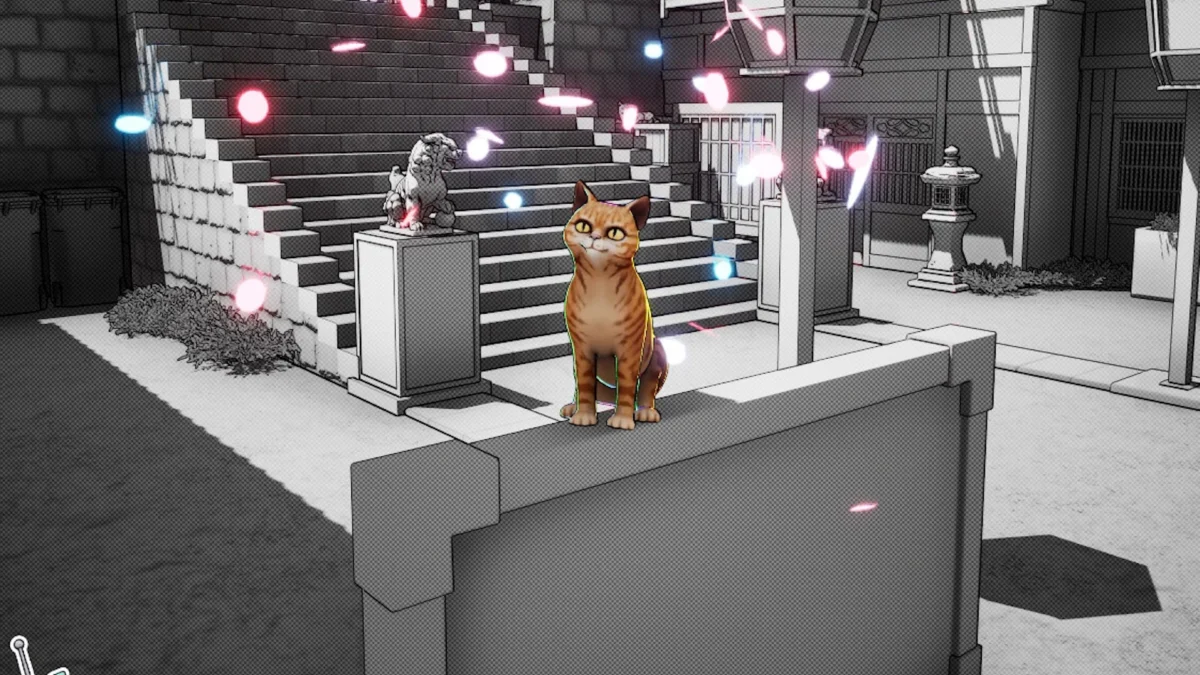
4. The 3D Frontier: Cat Me If You Can
Innovation is also moving into the third dimension. Cat Me If You Can forces players to move through an environment, looking under and behind objects to spot their targets. This adds a spatial reasoning component that bridges the gap between traditional hidden object games and modern walking simulators, proving that the genre is capable of technical complexity.
The Economic and Social Implications
The market data supports this shift. The sustained success of these titles on platforms like Steam—often at very low price points or even for free—demonstrates a massive, underserved demand. These games are not just "mom games"; they are "anyone" games. They serve as a bridge, bringing in players who might otherwise be intimidated by the mechanical barrier to entry of a modern RPG or FPS.
Furthermore, the "Classic" titles, such as Mystery Case Files: The 13th Skull, continue to hold value. These games are effectively the "pulp novels" of the gaming world—spooky, narrative-driven mysteries that offer a complete, contained experience. Their persistence in the market proves that they provide a specific, enduring form of entertainment that has not been rendered obsolete by modern graphics or physics engines.
Conclusion: A Call for Respect
It is time to stop apologizing for the games we play. The stigma against hidden object games is a relic of an elitist mindset that values mechanical complexity over the quality of the player experience.
If you are a self-described "serious gamer," consider this an invitation to broaden your horizons. Try the demo for Find My Frogs. Spend twenty minutes with I Commissioned Some Bees. See if you can resist the satisfaction of spotting a hidden detail you missed on your first pass.
We don’t need to convince 30% of the gaming populace to change their minds overnight. If we can reach even 3%—if we can get a few more people to set aside their controller-based biases and appreciate the quiet brilliance of a well-designed observation game—then the goal has been achieved. Hidden object games are real games, they are valid, and they are, quite simply, good. It is time to put the shame aside and let ourselves enjoy the search.

