

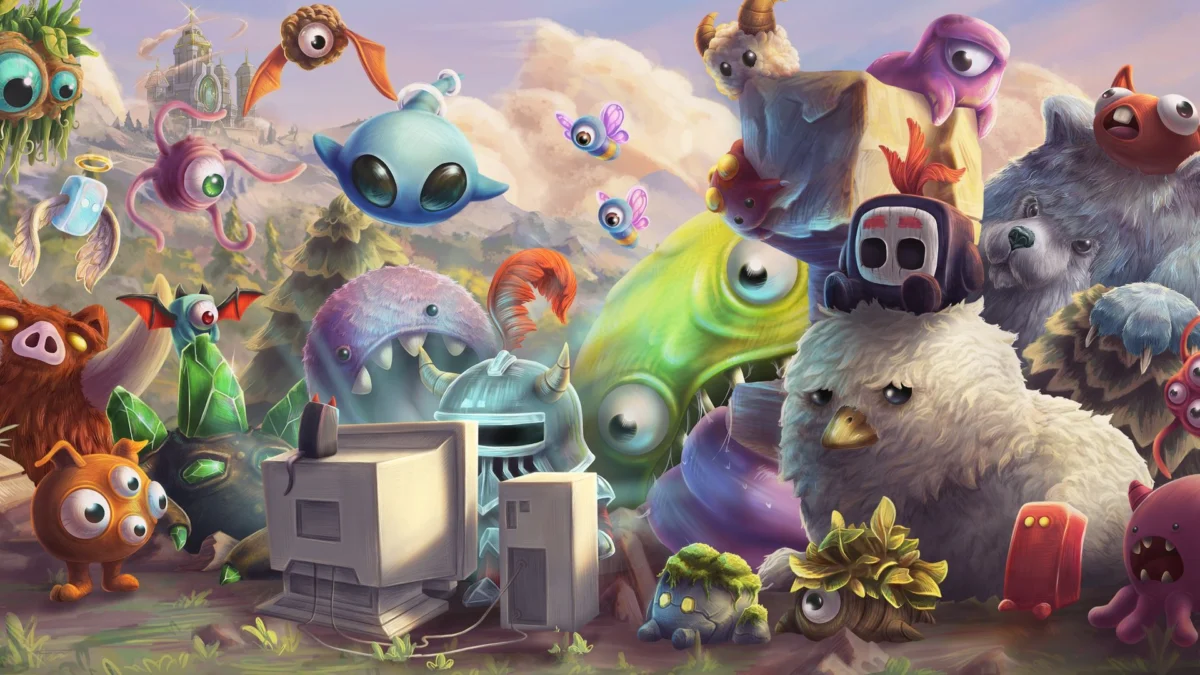
In the pantheon of management simulation games, few titles capture the sheer, unadulterated absurdity of professional life quite like the upcoming Let’s Build a Dungeon. Developed by Springloaded—the studio behind the hit Let’s Build a Zoo—this new project is not merely a game about dungeon crawling. It is a comprehensive, often grueling, and deeply humorous simulation of the entire video game development industry.
For many, the dream of “making my own game” is a romanticized notion involving late-night coding sessions and artistic breakthroughs. Let’s Build a Dungeon peels back the curtain to reveal the reality: spreadsheets, investor meetings, crunch culture, hardware limitations, and, occasionally, well-meaning text messages from your mother.
The Premise: More Than Just a Dungeon Crawler
At its core, Let’s Build a Dungeon operates on two distinct layers. The first is the creative suite: a robust engine that allows players to design dungeons, populate them with intricate traps, unique monsters, and enticing loot, and craft compelling quest lines. You are essentially building a game within a game. The simulation tracks how "NPC players" interact with your creation, and—in a stroke of meta-brilliance—the title will allow you to share these creations with real-world players, effectively turning the simulation into a platform for user-generated content.
However, the second layer—the simulation of the studio environment—is where the game truly distinguishes itself. You are not just a dungeon master; you are a CEO. You must manage a team of developers, navigate the volatile waters of gaming journalism, handle PR crises, and balance the books against the looming threat of bankruptcy.
A Chronology of Chaos: From CGA to Modern Development
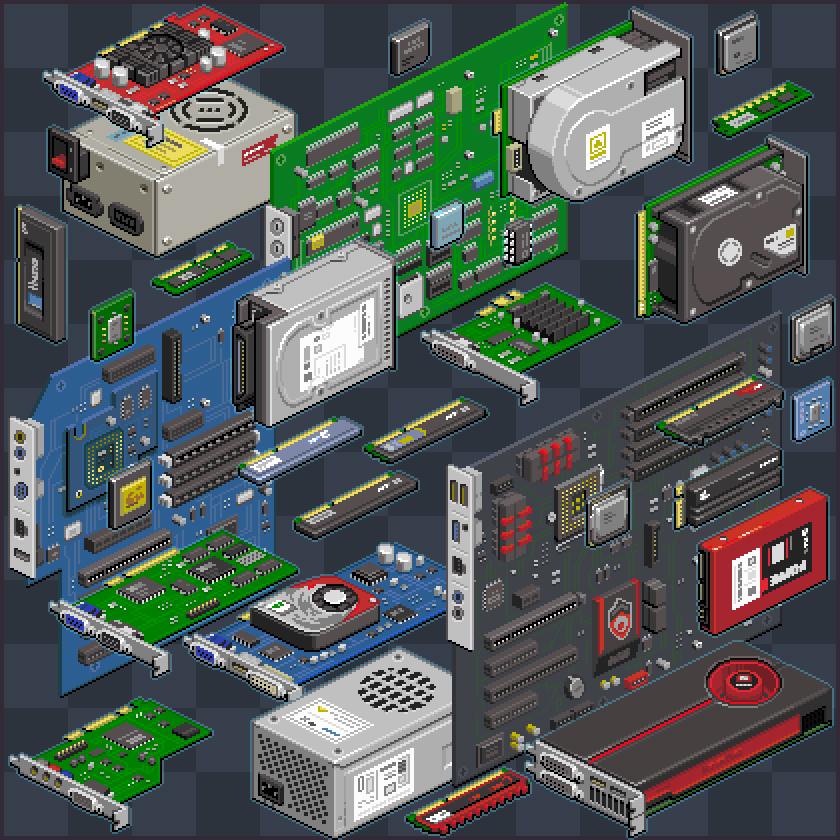
One of the most impressive features of Let’s Build a Dungeon is its commitment to historical accuracy regarding the evolution of computing. As the player progresses through the game’s timeline, they are forced to contend with the shifting landscape of PC hardware.
“When you go from CGA to VGA, you have to upgrade some of your computers,” explains James Barnard, founder of Springloaded and lead developer of the project. “Then the size of everything expands and becomes bigger, so suddenly you need more hard drive space because all your assets are now high resolution.”
This is not a cosmetic change. The game simulates the technical bottlenecks of the era. Barnard notes that the team has painstakingly hand-drawn approximately 150 individual computer components, spanning the entire history of modern computing. This evolution affects every aspect of your workflow, from the storage capacity of your machines to the audio output. Players will notice a distinct change in the game’s soundtrack based on the sound cards they have “installed” in their virtual studio—a level of detail that highlights the studio’s dedication to the simulation genre.
Supporting Data: The Economics of the Industry
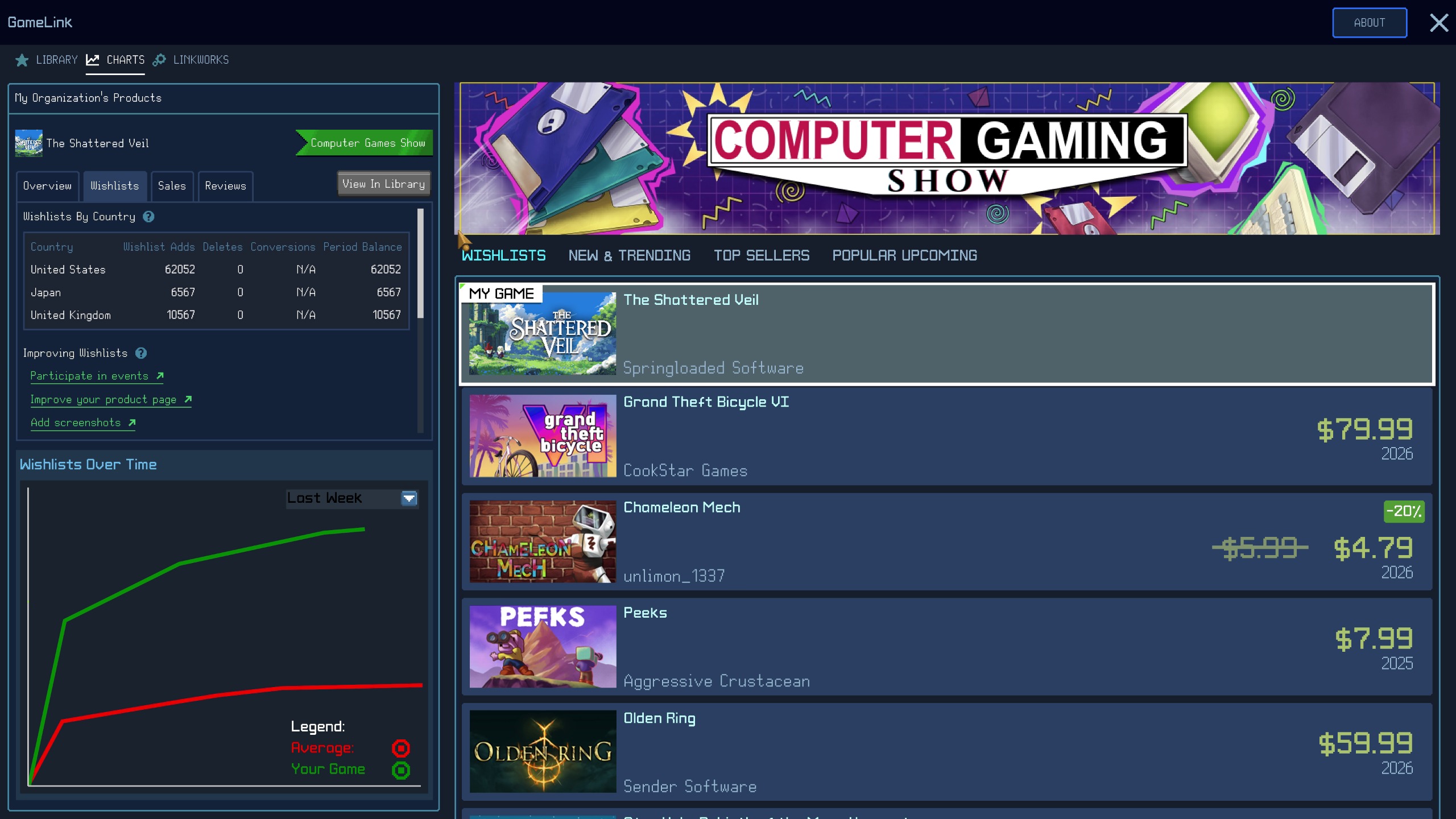
Let’s Build a Dungeon serves as a mirror to the actual video game industry. It simulates the backend of platforms like Steam and data-aggregation sites like SteamSpy, providing players with real-time metrics on how their fictional titles are performing in a saturated market.
Barnard emphasizes that the game is designed to teach players about the rigors of market visibility. “We really use the impressions, click-through rate, conversions, wishlists, and all of that stuff [to] feed into the chart,” he says. The objective is to secure slots at industry events, which grant massive spikes in visibility. However, success is never guaranteed; it is a complex balancing act of marketing spend versus development time.

The scale of this simulation is staggering. The game includes a library of over 700 fictional titles that populate the marketplace alongside your own. These are not merely text entries; they are illustrated, fleshed-out concepts that provide context for the competition you face. “We have, like, 700 fictional games or something, and the list keeps on getting longer,” Barnard says. “Our concept artist—poor guy—spent his whole life drawing these things.”
Official Insights: The Logistics of Representation
Beyond the development of the game itself, Let’s Build a Dungeon turns the mundane logistical nightmares of studio management into a “ridiculous minigame.”
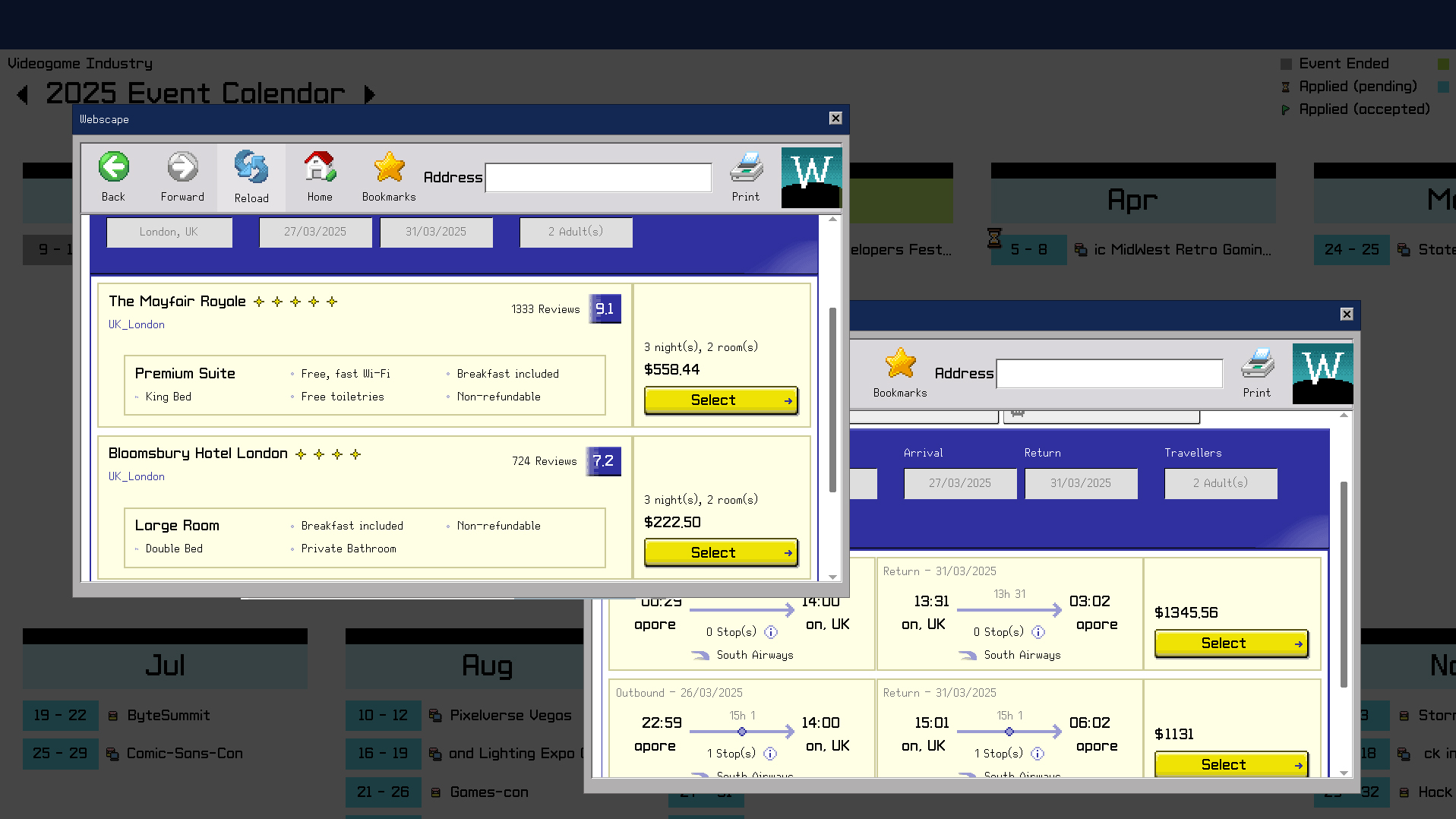
Attending game showcases, for example, is not as simple as clicking a button. Players must book flights and hotels for their staff. This requires considering the location of their home office relative to the event, with the game calculating travel times, potential layovers, and fluctuating costs.
“The flights kind of curve up in price as you get closer to the day,” Barnard explains. “We calculate where you started your company and where the event is. We actually calculate the distance and how long it takes and we do the stopovers in the right cities. So, if your office is in London, EGX Rezzed is just down the road for you.”
This system forces the player to make strategic sacrifices. When your top developers are at an event, they aren’t working on the game. Their absence from the design board can "fuck up your schedule," forcing players to decide if the exposure is worth the potential delay in production.
Implications: The Human Element of Development
Perhaps the most charming, yet surreal, aspect of the simulation is the inclusion of "Mom." In an industry often characterized by high-pressure stakes, the game introduces personal, low-stakes interactions that provide a much-needed emotional anchor.
Your mother calls to ask if you’ve eaten, shares pie recipes, and sends cat videos. While this might seem like a distraction, it serves a mechanical purpose. “She gives you a pie, and then she sends you the recipe,” says Barnard. “Then you get inspired, and you add the ability for your designers to come up with a pie recipe… and then you get a pie that you can put in the game, and the players can eat.”
However, the game also deals with darker realities. One such threat is the "Cyberleek" incident, where a malicious hacker monitors your investors’ travel patterns, analyzes your financials, and eventually holds your game hostage. You may be forced to leak your own project or integrate the hacker into the game itself—a tongue-in-cheek reference to the very real threat of data breaches and leaks that plague modern studios.
The Future of the Simulation
As Let’s Build a Dungeon approaches its early access release in February, it stands as a testament to the complexity of the industry it portrays. Whether players choose to engage with the deep, stressful, and rewarding management simulation or simply use the tools to create their own dream dungeon, the game offers an unprecedented level of depth.
For those who want to get a head start, a demo is currently available on Steam. It is a rare opportunity to step into the shoes of a developer and see that while the dream of making a game is grand, the reality is a chaotic, beautiful, and deeply personal journey.
In a gaming landscape that often ignores the mechanics behind the curtain, Springloaded has decided to make the curtain the entire show—and it is all the better for it.

