

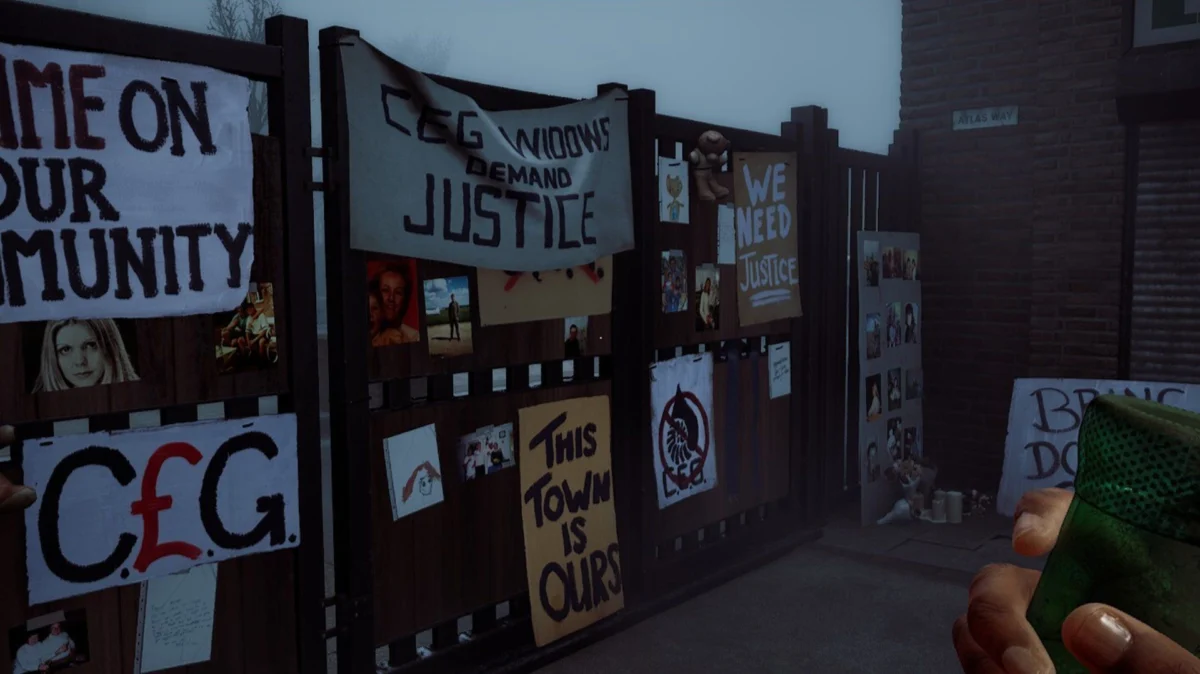
Silent Hill: Townfall, the latest expansion into the legendary Konami-owned franchise, is more than just a survival-horror entry; it is a profound exploration of human frailty, hubris, and the cyclical nature of violence. Developed as part of the broader Silent Hill revival, Townfall offers a suffocating, atmospheric experience that forces players to confront the consequences of their own survival strategies. By examining the narrative arc of the character Richard, players are thrust into a moral quagmire that challenges the traditional "power fantasy" often associated with weapons in the horror genre.
The Illusion of Pacifism in a Hostile Landscape
For many veterans of the genre, the hallmark of a true horror experience is the scarcity of resources. The instinct to conserve, to hide, and to avoid confrontation is what gives titles like Silent Hill their tension. In Townfall, the player is encouraged to embrace this philosophy of restraint. During the initial stages of the game, one can navigate the oppressive, shadowed corridors by relying on stealth and environmental awareness. Forcing oneself to eschew firearms—or even makeshift melee weapons like pipes and planks—turns the gameplay into a tense, psychological endurance test.
However, the game expertly manipulates the player’s breaking point. The narrative design hinges on the transition from the "hunted" to the "hunter." When the player eventually secures a shotgun, the game pivots from a survival simulator to something far more sinister. This shift is not merely a change in combat mechanics; it is a deliberate narrative trap. The moment the player realizes they have the upper hand, the game tests their moral fortitude, asking: Do you use this power to survive, or to exert control over a world that has already taken everything from you?
Chronology of a Descent: The Ten-Story Descent into Madness
The "Richard" sequence serves as the narrative anchor for this moral exploration. The player is tasked with ascending a ten-story office building—a structure that functions as a microcosm for the character’s internal decay.
The Escalation of Conflict
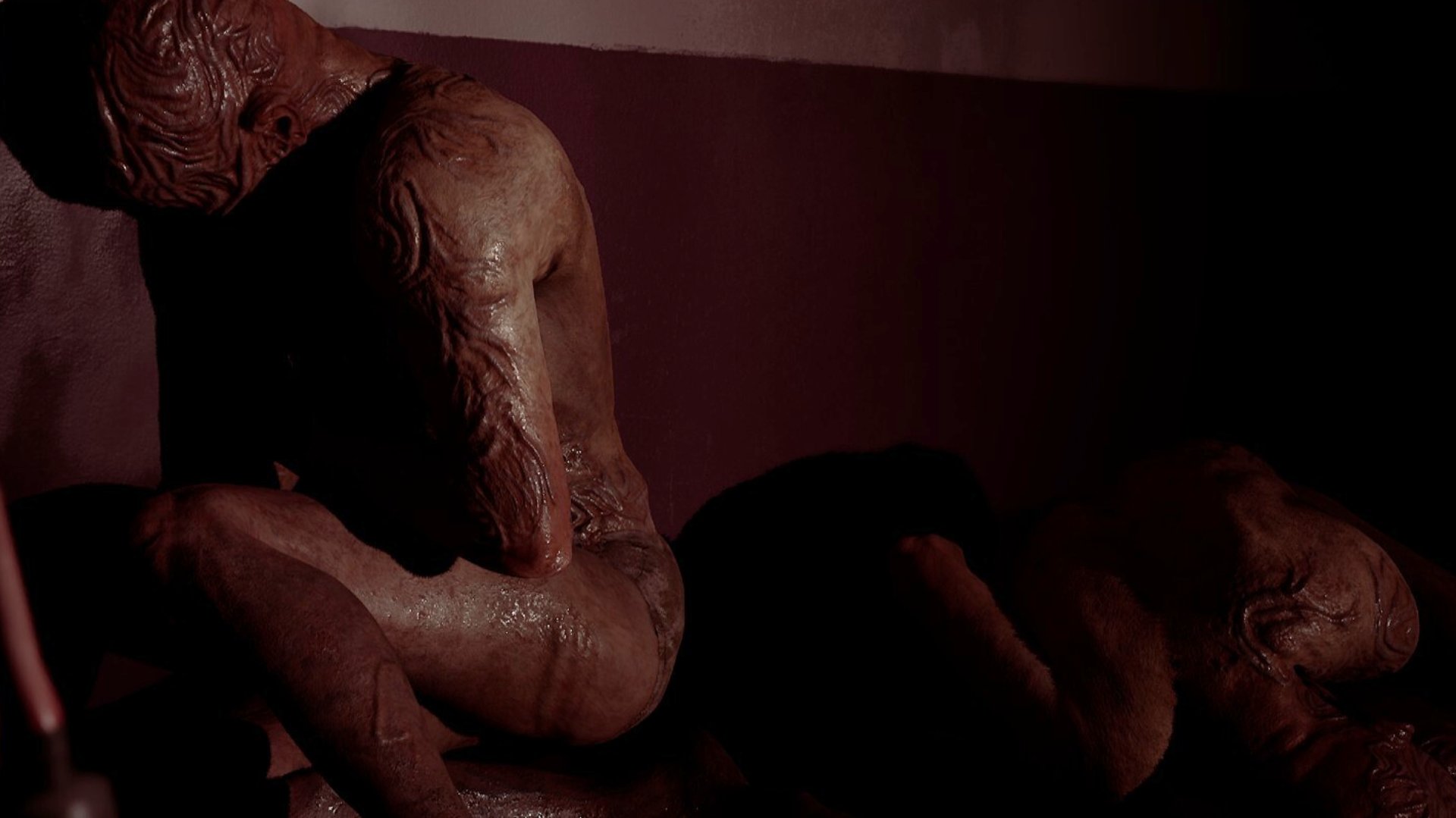
The primary antagonists of this section are the "Widows." These nightmarish entities are defined by their shroud-like, flesh-covered faces and their hit-and-run combat tactics. Initially, they are merely obstacles—a source of minor, manageable damage that can be avoided through careful positioning.
The Turning Point
The player’s patience is tested through a series of interruptions. As the player attempts to scavenge for resources—a mechanic that highlights the player’s greed and desire to optimize their survival—the Widows repeatedly interfere. This persistent harassment serves as the catalyst for the player’s descent. Frustrated by the disruption of their loot-hunting, the player is presented with the option to deploy their accumulated ammunition.
The Aftermath
The transition from defense to offense is swift. Within moments, the floors are littered with the remnants of the Widows. It is only in the silence following the carnage that the realization hits: the player has not just cleared a path; they have perpetuated the very cycle of trauma that maintains the town’s grip on its inhabitants.
Supporting Data: The Cost of Hubris
A closer examination of the defeated enemies reveals the game’s true narrative brilliance. Upon inspecting the bodies of the Widows, players discover photos of deceased loved ones stapled to their flesh. These are not merely monsters; they are the physical manifestations of grief, tethered to the world by their loss.
The player’s realization—that their character’s actions have contributed to this cycle of misery—is a masterstroke of environmental storytelling. The game does not explicitly punish the player with a "Game Over" screen; instead, it offers a "moral failure" that manifests in the narrative conclusion. By choosing to eliminate the Widows rather than finding a way to coexist or navigate around them, the player inherits the sins of the character they represent.
This is a recurring theme in the Silent Hill franchise: the monsters are rarely external threats. They are mirrors of the protagonist’s inner turmoil, guilt, and buried secrets. In Townfall, the shotgun serves as the ultimate corrupting influence, transforming the player from a victim of the environment into its primary architect of suffering.
Official Perspectives and Creative Intent
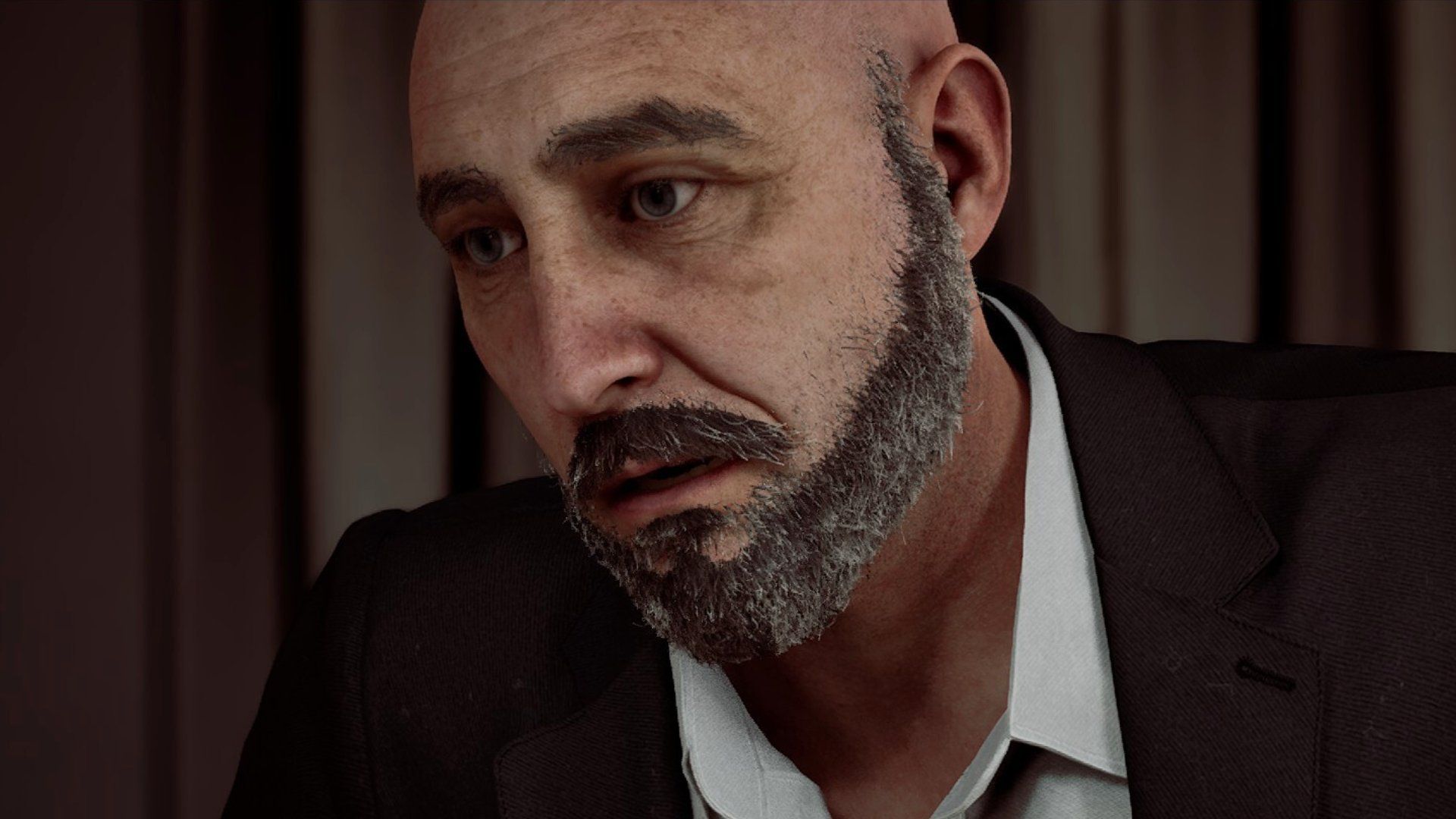
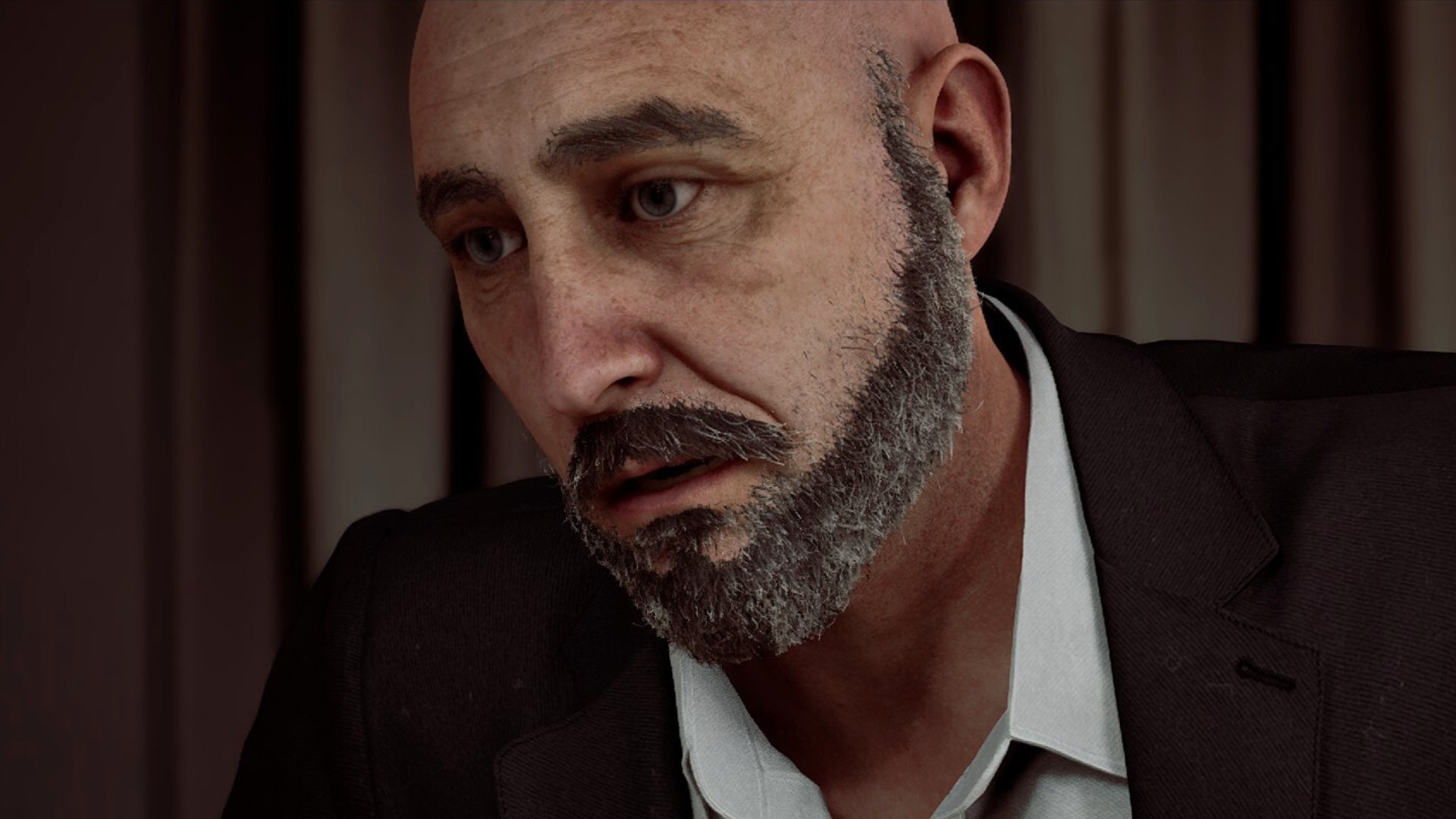
While Konami and the developers at Screen Burn have kept the finer details of the overarching plot under wraps, the design of the Richard section speaks volumes about their creative intent. Richard is intentionally written as an antagonist who operates under the delusion of righteousness.
Throughout this segment, players are led to believe that they are "clearing the way" for a higher purpose. The brilliance of the writing lies in how it convinces the player of this necessity. The game makes the player feel that their aggression is justified—that the environment is simply too hostile to tolerate. It is a psychological manipulation that mirrors how real-world leaders or individuals justify horrific actions under the guise of necessity or "the greater good."
By the time the player realizes Richard is not a hero, but a deeply flawed, perhaps even villainous, figure, the damage is already done. This narrative choice forces the player to empathize with a character they would otherwise despise, creating a complex, uncomfortable bond between the user and the avatar.
Implications for the Genre
Silent Hill: Townfall raises significant questions regarding the evolution of horror games. As technology allows for more immersive and emotionally resonant storytelling, developers are moving away from simple jump-scares toward deeper, systemic examinations of morality.
The Death of the Power Fantasy
By turning the shotgun—a staple of the genre—into a symbol of moral failure, Townfall subverts expectations. It suggests that the "power fantasy" of being able to fight back is, in the context of Silent Hill, a trap. If a player feels powerful, they are likely doing something wrong. This inversion of the standard gaming loop is a bold step that challenges players to re-evaluate how they interact with hostile environments.
The Legacy of the Curse
The implication is clear: the curse of Silent Hill is fueled by the baggage that people carry into it. Richard’s story is just one of many, but it is a potent reminder that the town does not create monsters—it reveals them. The turmoil, the rage, and the regret that Richard harbors are not unique to him; they are human universals that, when left unchecked, can destroy everything in their path.
Conclusion: A New Standard for Psychological Horror
The experience of playing Silent Hill: Townfall is one that lingers long after the credits roll. It is a rare game that forces the player to look at their own actions and wonder if they are the hero, or if they have simply become another cog in the machine of the town’s suffering.
The section involving Richard is a highlight of the title, demonstrating that even a short, focused sequence can convey more depth than a sprawling open-world epic. While it is unlikely that any player will look at a shotgun in a horror game the same way again, that is precisely the point. Townfall does not want to be a comfort zone; it wants to be a mirror. And for those willing to look closely at what they see in that reflection, the experience is as rewarding as it is terrifying.
As we look toward the future of the Silent Hill franchise, it is clear that the focus has shifted back to what made the original games so iconic: the intersection of the supernatural and the deeply personal. If Townfall is any indication, the future of the series is in safe, albeit deeply unsettling, hands.

