

Valve’s latest foray into the competitive arena, Deadlock, is officially described as an "urban fantasy setting." Yet, to call it urban fantasy is like calling Limp Bizkit an "American rock band"—technically accurate, perhaps, but it fails to capture the visceral, specific, and chaotic energy at play. Deadlock is not just a fantasy city; it is a love letter to the grit, rhythm, and distinct archetypes of New York City, filtered through a prism of occult magic and industrial decay.
As the game continues to dominate headlines—and Steam charts—it is becoming increasingly clear that Deadlock is doing something fundamentally different from the established titans of the MOBA genre. It is moving away from the "action figure" design philosophy that has defined the space for two decades, opting instead for a world that feels lived-in, culturally resonant, and narratively dense.
The Evolution of the "City Never Sleeps" Update
The recent "City Never Sleeps" update serves as a landmark moment for the game’s development. Valve has introduced a fresh roster of heroes that lean heavily into the game’s unique identity. These are not merely high-fantasy warriors or generic sci-fi soldiers; they are the living, breathing manifestations of New York’s cultural tapestry.
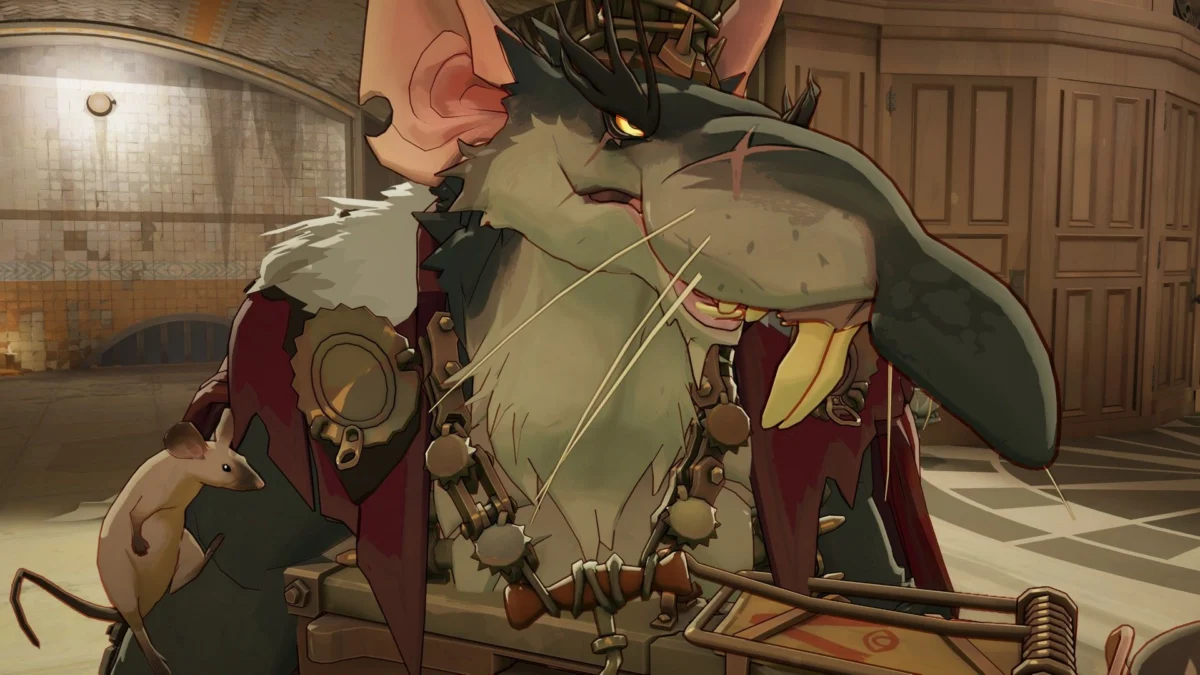
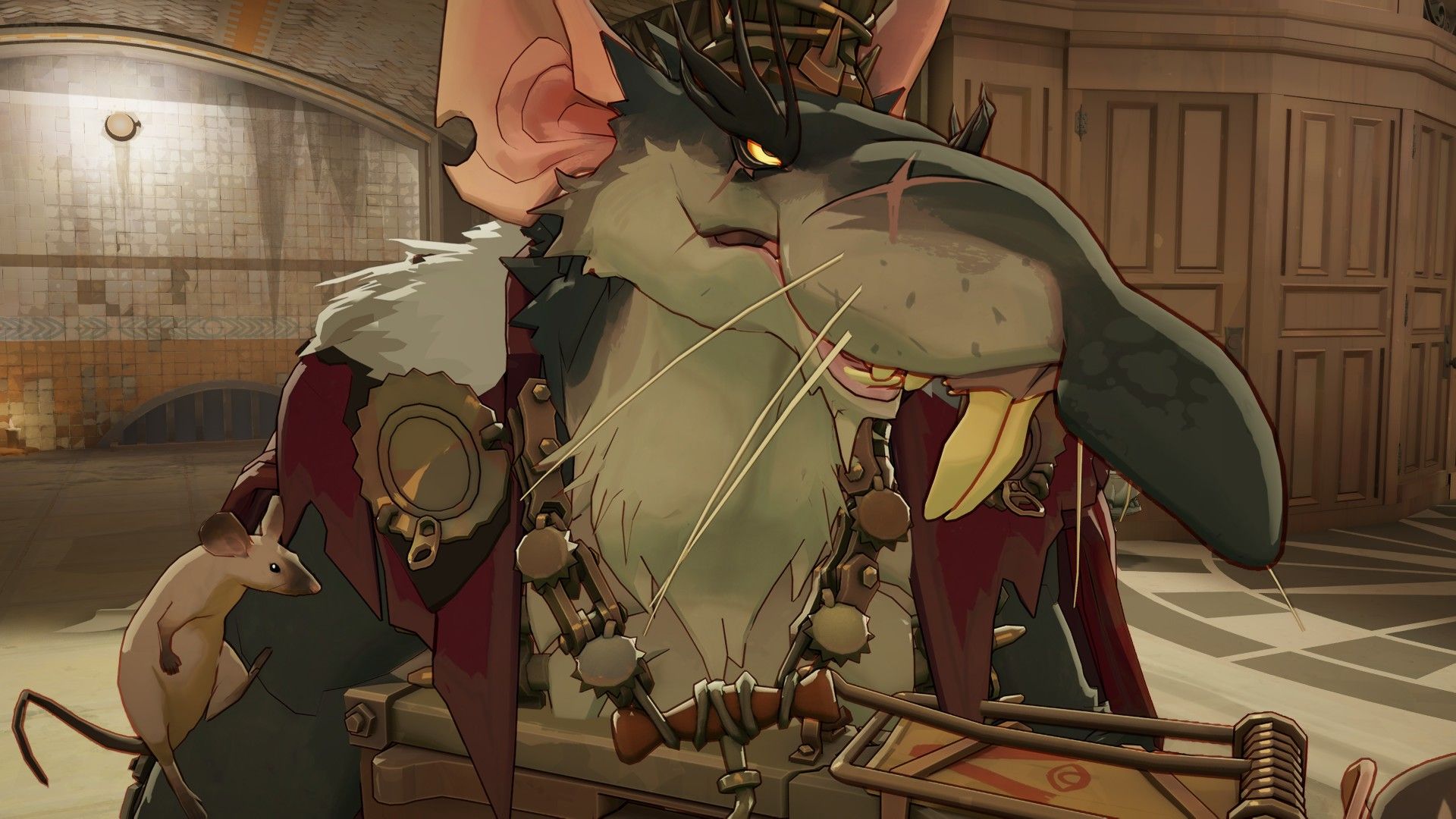
Take, for instance, Solomon. On the surface, he is a chessboard-wielding wizard. In practice, he is the quintessential old man playing chess in a public park, a fixture of the city’s concrete landscape. Then there is Baba, a character who takes the trope of the grandmother feeding pigeons and injects it with a subversive, Slavic-folklore twist. Perhaps the most emblematic of this new direction is the Rat King—a character that perfectly encapsulates the "floor pizza" aesthetic of a city that never stops moving.
These character designs represent a departure from the industry standard. Where traditional MOBAs often rely on tropes inherited from Warcraft or generic high-fantasy lore, Deadlock looks to the sidewalks, the subway platforms, and the fire escapes of the real world for its inspiration.
Chronology: A New Standard for MOBA Lore
To understand why Deadlock feels like a breath of fresh air, one must look at the history of the MOBA. The genre’s progenitor, DotA, was built on the foundation of Warcraft III. Its successors, including Dota 2 and League of Legends, struggled for years to shed the skin of their predecessors.
- The Era of Inheritance (2003–2010): The genre began as a mod, heavily constrained by the assets and narrative archetypes of existing RTS titles.
- The Era of Expansion (2010–2018): Games like League of Legends and Heroes of the Storm moved toward standalone titles, but their character rosters remained largely functional, with lore often retrofitted years after the initial designs.
- The Current Shift (2024–Present): With Deadlock, Valve has flipped the script. Instead of starting with an archetype and painting a story over it, the developers appear to be building the story into the mechanics.
The community response has been staggering. Unlike typical game forums, where discussion often centers solely on meta-balancing or "buff/nerf" requests, Deadlock’s community is obsessed with the world-building. Fan concepts—such as the viral reimagining of a construction worker as Sun Wukong—show a player base that is deeply invested in the "New York" identity of the game.
Supporting Data: Why Players Are Staying
The success of Deadlock is not just anecdotal; the numbers reflect a growing hunger for this specific brand of world-building. According to recent data from SteamDB, the game has continued to hit all-time concurrent player peaks, even while remaining in a "private" playtest state.
This momentum is being sustained by a commitment to depth. Valve recently added over 10,000 non-ping voice lines to the game, a move that provides an unprecedented level of character-to-character interaction. For context, most MOBAs rely on a few hundred lines to convey hero personality. By injecting thousands of lines of dialogue, Valve is creating a web of relationships—like the complex dynamic between the cackling villain Seven and the gentle, goo-like Viscous—that makes the game feel like a serialized drama rather than a simple arcade match.
Official Responses and Developer Philosophy
While Valve is famously tight-lipped, the sheer density of the recent updates suggests a deliberate pivot. The development team has signaled that they are uninterested in the "action figure" school of design, where heroes are defined solely by their ability to deal damage.
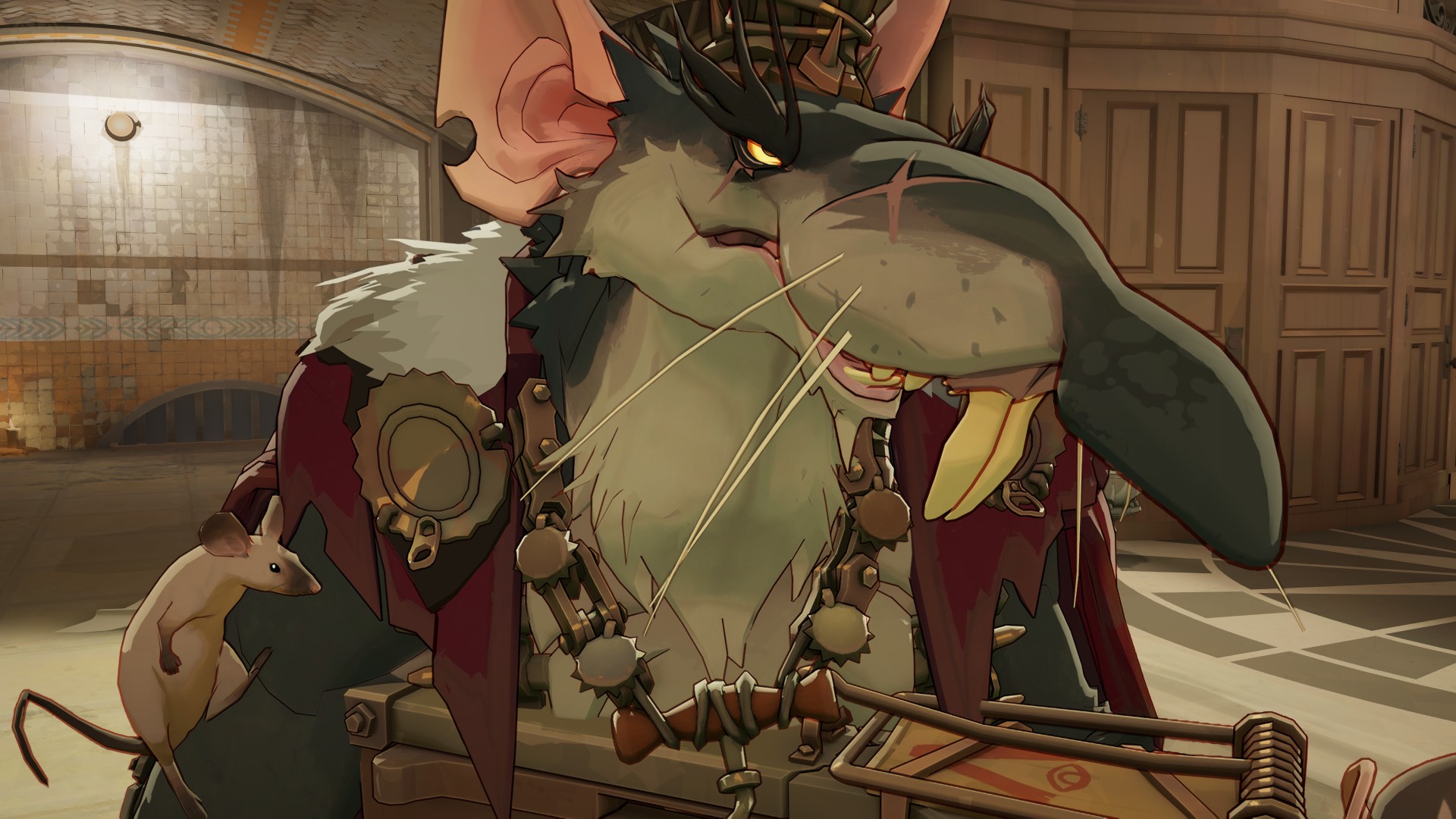
Instead, the design team is focusing on "narrative-first" mechanics. Each hero is given a backstory that feels anchored in the gritty, noir-inspired aesthetic of the game. When a developer adds a new hero like the Rat King, they aren’t just adding a new moveset; they are adding 100 unique voice lines dedicated to the specific citizens of his rat colony. This level of granular detail acts as a hook, drawing players into the lore and keeping them engaged beyond the standard "win-loss" loop.
Implications for the Future of MOBAs
The success of Deadlock has significant implications for the future of competitive multiplayer gaming. If a game can succeed by leaning into a specific, hyper-local setting—in this case, an exaggerated, supernatural version of New York—it creates a blueprint for other developers to move away from the "generic high fantasy" trap.
1. The Death of the "Generic Hero"
The industry may see a shift toward characters who are defined by their cultural and personality quirks rather than their combat archetypes. Deadlock proves that players are more interested in a character who feels like a person—or a monster with a personality—than a generic "tank" or "DPS."
2. The Narrative-Driven Playtest
Valve has turned the "private playtest" model into a community-building exercise. By allowing the game to grow organically with community input, they have created a sense of ownership among the player base. The fans aren’t just waiting for the next update; they are contributing to the lore, creating fan art, and speculating on the next neighborhood or "borough" to be explored in the game.
3. A Challenge to Competitors
For established games like League of Legends and Dota 2, Deadlock serves as a warning. It shows that even in a saturated market, there is space for a game that prioritizes identity and atmosphere. Players are no longer content with "Thrall, but red." They want world-building that feels authentic, even when it is completely absurd.
What Lies Ahead: The Future of the "Cursed Apple"
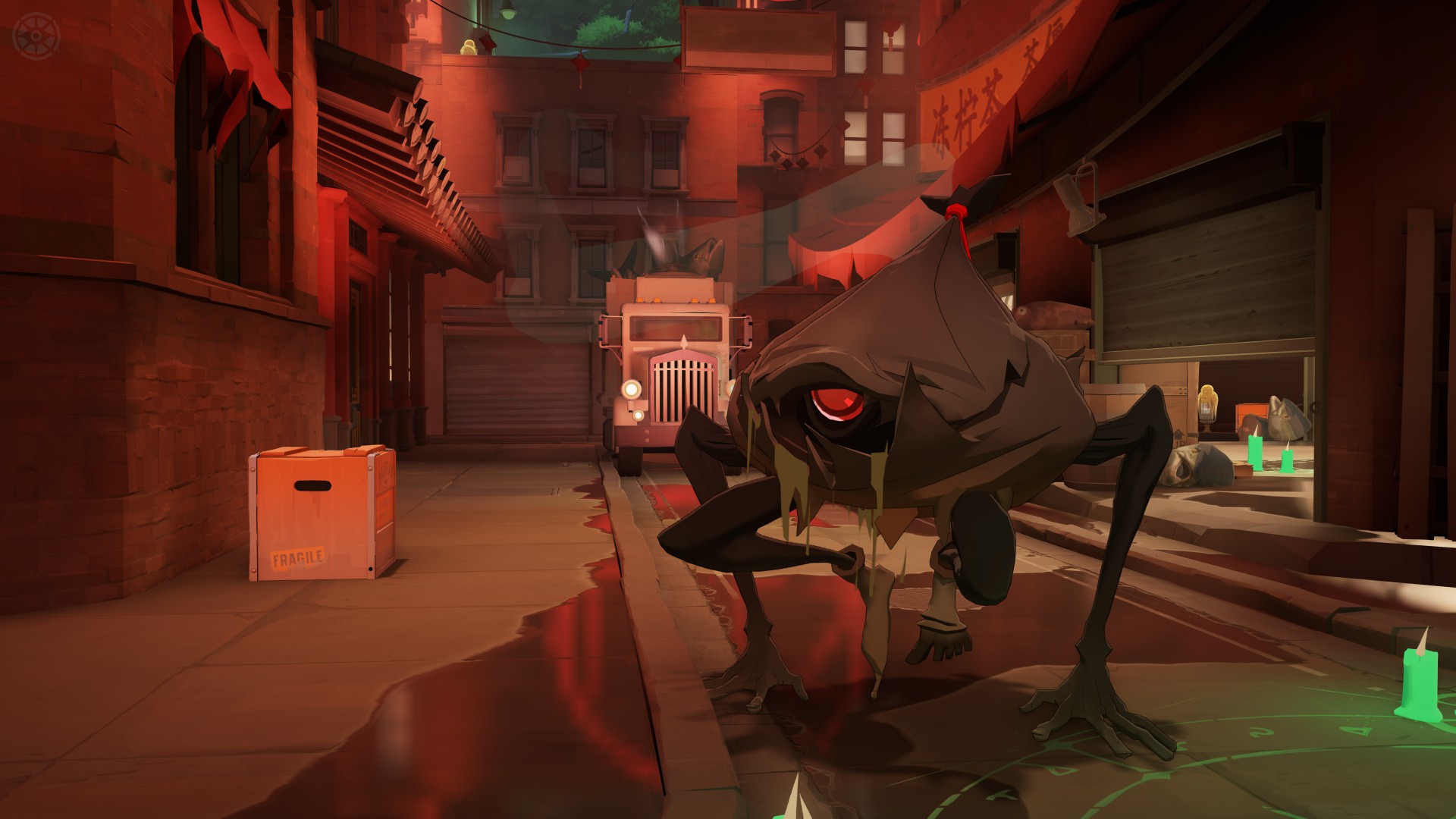
As we look toward the future of Deadlock, the potential for expansion is limitless. The game’s focus on New Yorkian archetypes opens the door for a variety of new characters: a ghostly muckraker journalist, a witch with a hot dog cart, or a corrupt landlord who demands "soul rent."
Unlike other crossover fighting games or hero shooters that often feel like massive advertisements for other properties or existing franchises, Deadlock feels singular. It is a celebration of the city—a place of winding alleyways, wild-card characters, and macabre magic. It is, ultimately, a triumph of tone.
By refusing to settle for the standard industry templates, Valve has managed to make a game that feels fresh, ambitious, and deeply human. Whether it becomes the next massive esport or simply remains a cult classic, Deadlock has already achieved something remarkable: it has made the MOBA genre interesting again, not by changing the mechanics of how we play, but by changing the depth of the world we play in.

