

Main Facts
Valve Corporation’s highly anticipated, invite-only MOBA shooter Deadlock has received its second major developmental overhaul, titled the "City Never Sleeps" update. This sweeping patch marks a critical milestone in the game’s pseudo-early access lifecycle, introducing a drastically sharpened visual identity, an entirely redecorated map, six uniquely designed upcoming heroes, and a comprehensive overhaul of core gameplay mechanics.
The update transforms the game’s cursed metropolitan setting into a richly layered, atmospheric battleground split into three distinct aesthetic zones: a bright city center, a haunted university, and a shadowy stock exchange. Alongside these environment shifts, Valve has introduced four distinct sub-districts—including a steampunk theater district managed by literal stage hands and a Chinatown zone featuring a contested soul-fountain bell tower.
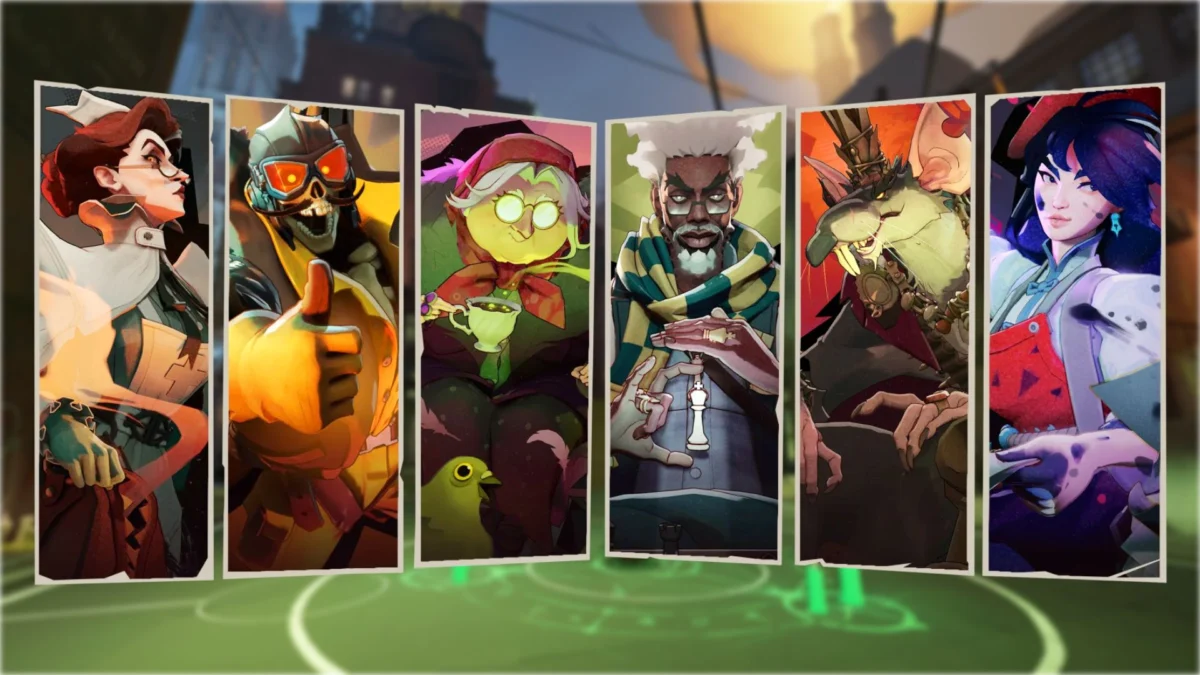
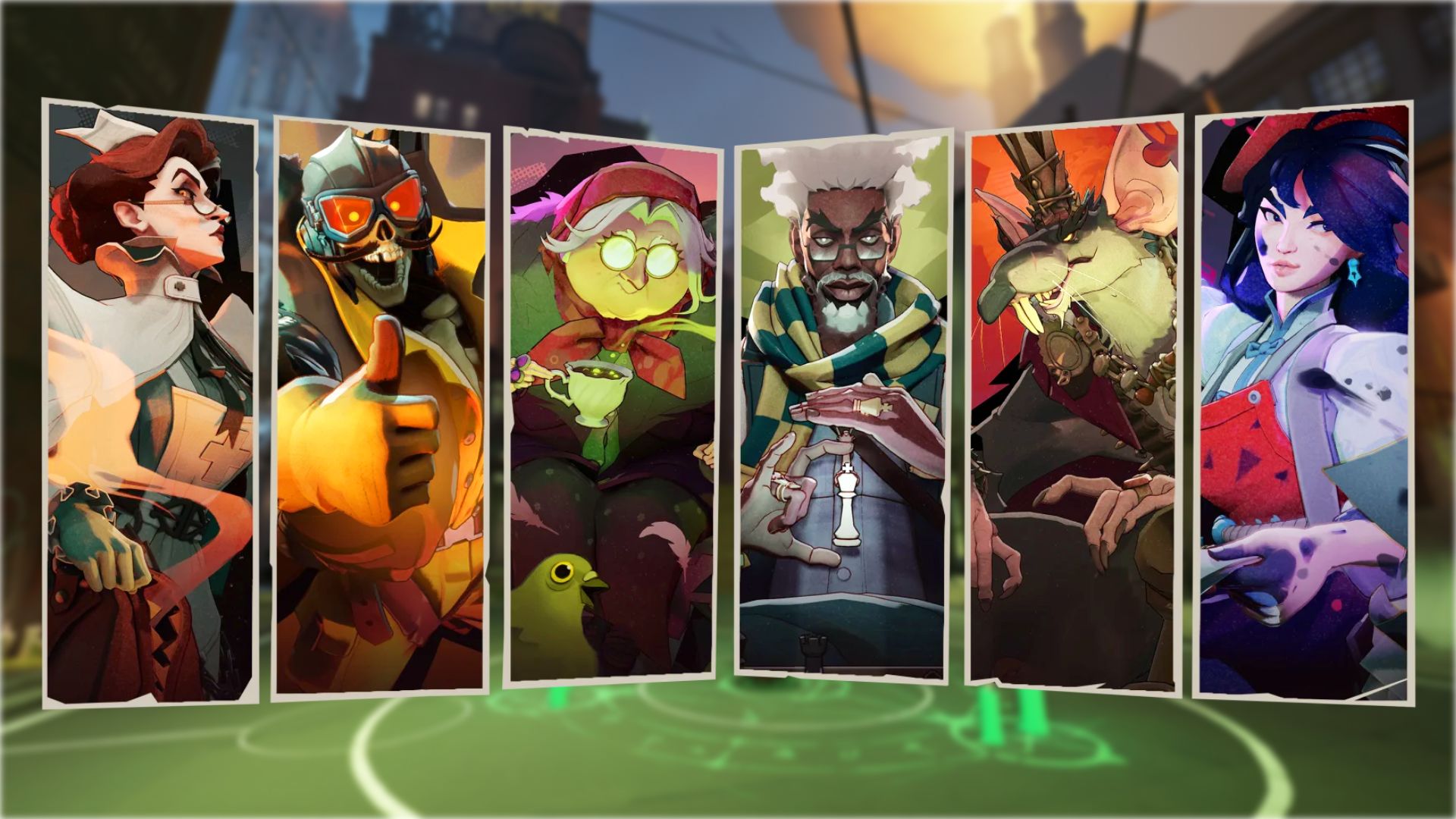
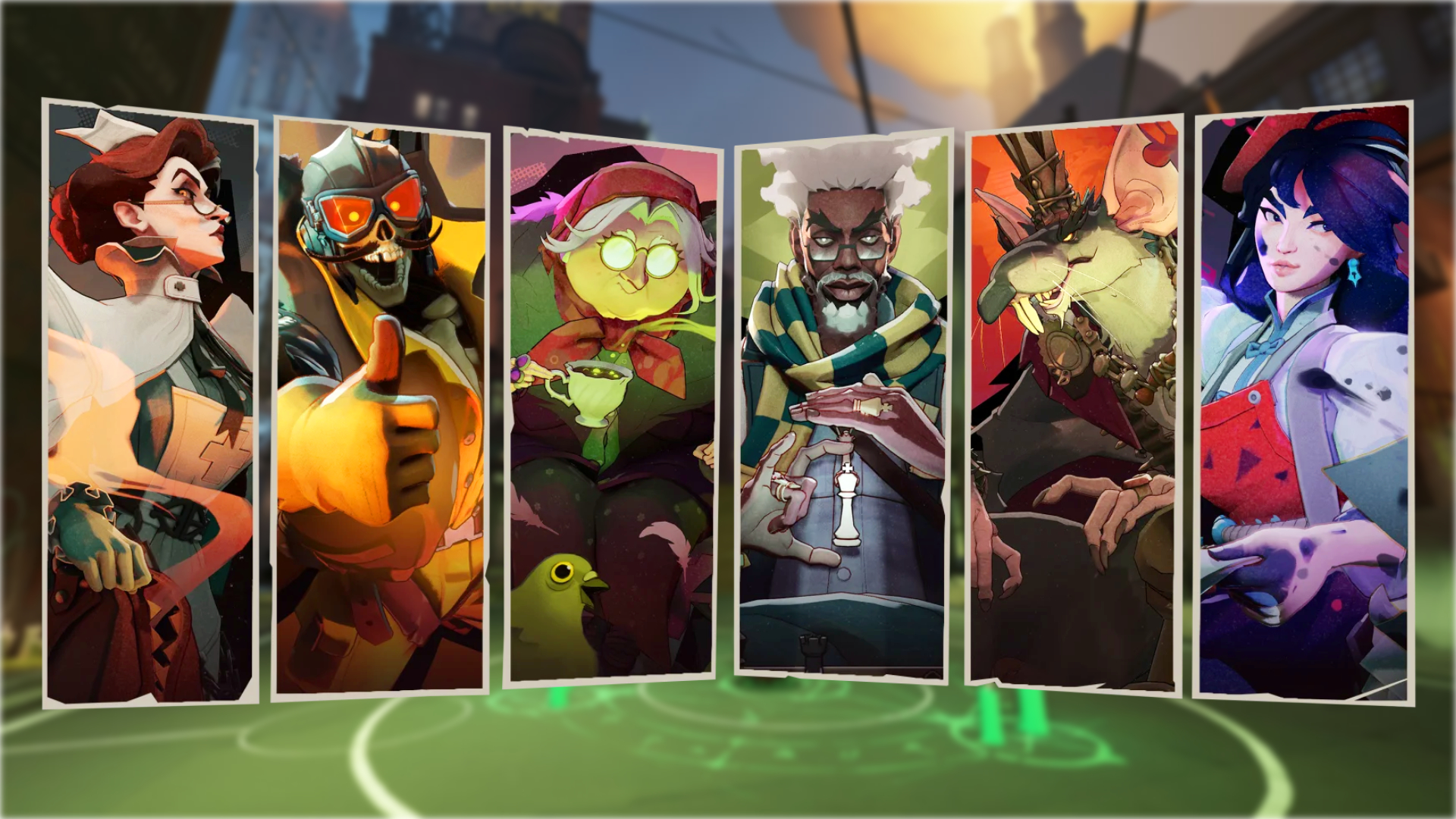
Keeping with community engagement trends, the six new heroes will be rolled out weekly based on a player-voting system. The roster features an eclectic mix of concepts, ranging from fan favorites like the meme-spawned "Rat King" to a combat nurse, a floating chess master, a rocket-wielding skeleton, a suspicious old witch, and a young artist wielding a paintbrush. Despite the massive influx of content, Deadlock remains firmly behind an invite-only barrier, leaving the gaming community to wonder when Valve plans to open the floodgates for a full public release.
Chronology of the Update and the Evolution of Deadlock
To understand the weight of the "City Never Sleeps" update, one must look at the rapid and unconventional trajectory of Deadlock’s development.
- The Whisper Phase (Late 2023 – Early 2024): Initially whispered about under codenames like Citadel, Valve’s secret third-person shooter MOBA hybrid began leaking across internet forums. Early playtests were strictly confidential, relying on a peer-to-peer friend-invite system that naturally manufactured an air of exclusivity.
- The Accidental Public Secret (Mid 2024): As tens of thousands of players gained access, Deadlock stopped being a secret. Valve leaned into the open secret, establishing official community hubs and launching a bare-bones client that prioritized mechanical testing over visual fidelity. The map was largely grayboxed, featuring placeholder assets and minimal thematic dressing.
- The First Wave of Overhauls (Late 2024): Valve began introducing structural updates, tweaking hero abilities, and testing narrative elements. These early updates proved that the developer was listening closely to community meta-strategies and meme culture—famously drawing inspiration from unexpected places, including a Domino’s Pizza prediction trend that successfully forecasted a major content drop.
- The "City Never Sleeps" Drop (Current): The latest patch represents the most dramatic visual and environmental overhaul to date. Moving away from the generic grey aesthetics of early builds, the map now tells a visual story. Over the coming weeks, the rollout of the six new heroes—starting on Friday—will mark the next phase of live-play testing, with weekly drops keeping the meta unstable and exciting.
Supporting Data and Environmental Breakdown
The architectural redesign of the Deadlock map is not merely skin-deep; it fundamentally alters spatial awareness, lane management, and tactical play. The environment has been sub-divided into deliberate thematic zones:
- The Three Core Zones:
- The Bright City Center: Defined by high visibility and bustling urban architecture, serving as the neutral heart of the map.
- The Haunted University: A gothic, eerie academic sector that changes line-of-sight dynamics with towering halls and tight courtyards.
- The Shadowy Stock Exchange: A corporate-gothic nightmare zone characterized by narrow alleyways and high-stakes verticality.
- Lane-Specific Creeps and Hazards:
- Left Lane: Dominated by slimy trashbag monsters that match the urban decay aesthetic.
- Right Lane: Guarded by sentient, flying stacks of books that patrol the academic corridors.
- Map Center: Features bizarre environmental storytelling touches, such as mutated pickle jars with growing hands lurking in alleyways.
- District-Specific Mechanics:
- The Theater District: Populated by steampunk automatons manipulated by literal stage hands hanging from the rafters.
- Chinatown: Anchored by a central bell tower perched above the district. Here, rival teams can contest a fountain of souls to secure a vital currency advantage during high-pressure, late-game stalemates.
- Resource Management: Even minor environmental interactions have been upgraded; destructible wooden crates are now heavily padlocked and bolted shut, changing how fast players can farm early-game resources.
- The New Hero Roster:
- The Rat King: Born from a Reddit fan concept a year ago, this crowned rodent has evolved from a community meme into a legitimate contender for the first wave of unlocks.
- The Combat Nurse: Wields a medical syringe modified to function like a high-powered firearm.
- The Chess Master: Utilizes levitation mechanics reminiscent of Overwatch’s Zenyatta, suggesting high-mobility tactical play.
- The Skeletal Grenadier: A classic undead archetype equipped with a heavy-duty rocket launcher.
- The Coddling Witch: An ostensibly cozy old spellcaster whose friendly exterior masks unpredictable combat capabilities.
- The Young Artist: Employs a magical paintbrush to shape the battlefield.
Official Responses and Community Reactions
Valve’s development philosophy for Deadlock has always favored organic discovery over rigid patch notes. True to form, the studio has intentionally left a significant portion of the "City Never Sleeps" update undocumented, forcing players to explore, experiment, and reverse-engineer the new secrets hidden within the cursed city streets.
The community response has been overwhelmingly ecstatic. On platforms like Reddit and the official Deadlock Discord servers, players have spent hours dissecting screenshots of the new districts, debating the viability of the upcoming heroes, and tracking the voting system that dictates the release order.
Industry analysts and veteran MOBA players have noted that Valve’s approach—combining closed-alpha exclusivity with massive, lore-rich environmental overhauls—is a masterclass in modern hype generation. By treating the game as a living, breathing urban canvas, Valve has managed to cultivate a deeply loyal player base that treats every map tweak and asset change as an interactive ARG (Alternate Reality Game).
Implications for the Future of Deadlock and the MOBA Genre
The "City Never Sleeps" update signals much more than just a fresh coat of paint for Valve’s rising star; it has profound implications for the future of the game and the broader multiplayer landscape:
1. Elevating Aesthetic Identity
Early criticisms of Deadlock often centered on its murky, uninspired visual direction—a common side effect of games built in early functional graybox states. By infusing the map with distinct cultural, architectural, and supernatural motifs (from steampunk theater hands to haunted university stacks), Valve has established an unmistakable visual identity that stands out in a crowded hero-shooter market.
2. Deepening Tactical Complexity
The addition of mechanics like the Chinatown soul-fountain bell tower proves that Valve is actively experimenting with secondary map objectives. In traditional MOBAs, games can occasionally stagnate in predictable lane farming. By introducing contested zones that offer economic advantages tied directly to architectural set-pieces, Deadlock encourages aggressive, dynamic team fights outside of standard lane pushes.
3. The Enigma of the Invite-Only Model
Perhaps the most pressing question remaining is when Valve plans to lift the velvet rope. While the invite-only system has successfully protected the game from premature mainstream burnout and allowed the developers to iterate safely, the sheer scale of the "City Never Sleeps" update suggests that Deadlock is rapidly approaching feature completeness.
As Valve continues to layer polish, introduce heroes, and flesh out its haunted city, the pressure for a public open beta or official release grows stronger. Until then, the cursed city remains locked to the chosen few—a sprawling, ever-evolving playground waiting for its next wave of victims.

