


Even though Valheim officially left Early Access with its 1.0 release less than a month ago, the creative spirit of its community remains as indefatigable as a Viking in a storm. While the base game offers a sprawling, atmospheric sandbox, the modding scene has already begun to push the boundaries of what is possible within the game’s procedural engine. Among the most transformative additions to hit the community hubs is the "Seasons" mod, created by developer Shudnal. By introducing a dynamic cycle of time that affects all of Valheim’s biomes, this mod is fundamentally altering how players engage with the game’s world, building mechanics, and survival loop.
The Evolution of the Tenth World: A Chronology
When Valheim first launched into Early Access in early 2021, it captivated millions with its minimalist yet hauntingly beautiful aesthetic. The game’s world is divided into distinct biomes—Meadows, Black Forest, Swamp, Mountains, Plains, Mistlands, Ashlands, and the Deep North—each with a static climate and visual identity. For years, the Meadows remained a perpetual spring, and the Mountains were the only place where snow could be found.
As the game matured, players began demanding more environmental variety. Following the full 1.0 release, the modding community recognized a gap in the game’s atmospheric depth. The "Seasons" mod did not appear overnight; it is the culmination of iterative efforts to introduce time-based variables into a game engine that was originally designed to remain static. Since its recent update to accommodate the 1.0 version of the game, the mod has seen a surge in popularity, becoming a staple for players looking to freshen up their long-term survival runs.
Breaking the Static Mold: How the Seasons Mod Works
The core functionality of Shudnal’s creation is deceptively simple: it applies a rotating cycle of four seasons—Spring, Summer, Autumn, and Winter—to every biome in the game. In the vanilla experience, if you wanted to build a winter cabin, you were essentially forced to endure the harsh, mob-infested, and structurally difficult terrain of the Mountain biome.
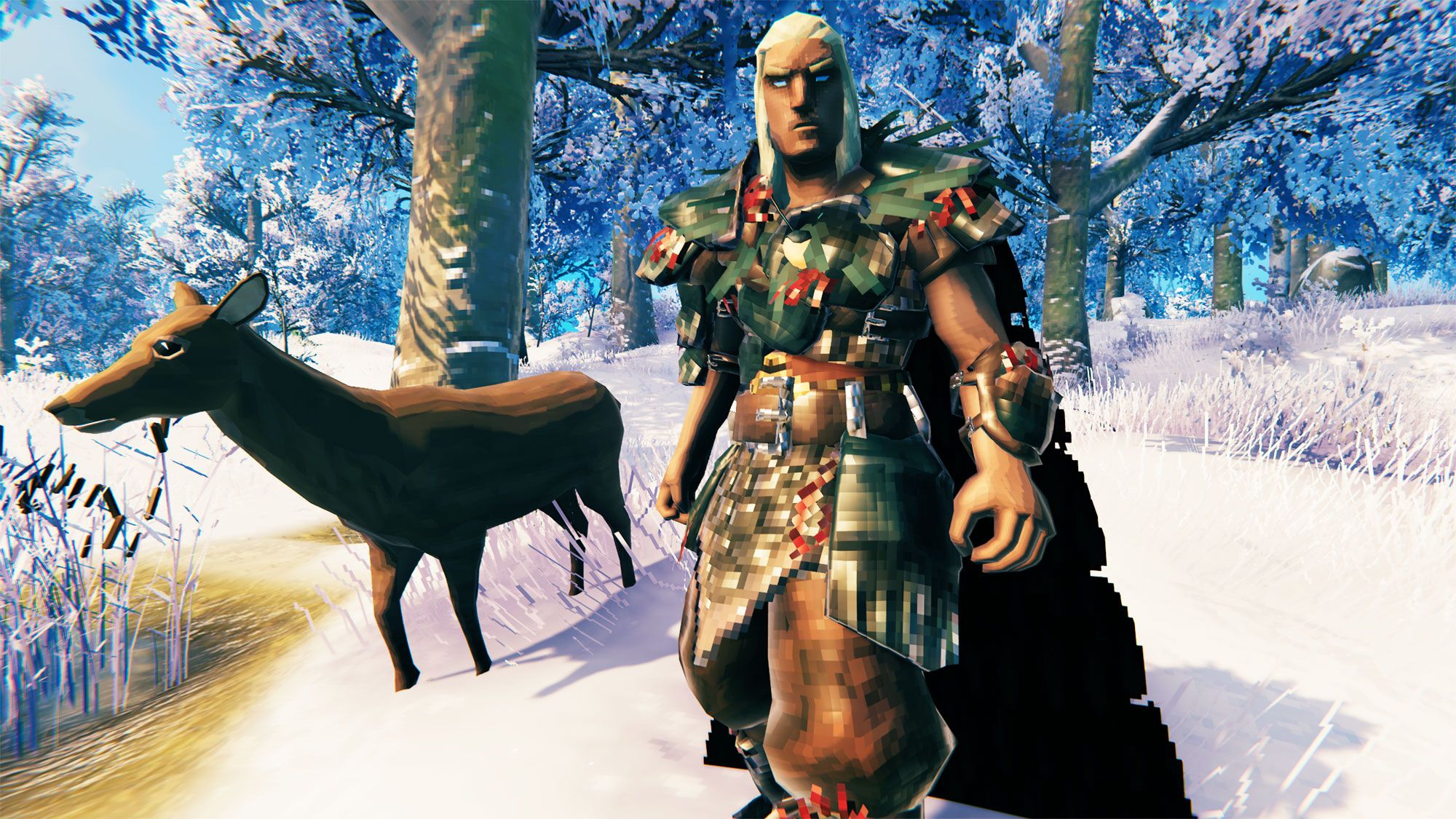
With this mod installed, the entire world shifts. The familiar green hills of the Meadows undergo a visual metamorphosis. Spring brings a vibrant, lush bloom. Summer introduces a harsh, drying heat that turns the grass into a parched yellow, creating a stark contrast to the verdant start of the game. Autumn brings the atmospheric decay of falling leaves, darker evenings, and an orange-hued palette that completely recontextualizes the game’s lighting engine. Finally, Winter blankets the world in snow, turning the once-safe starting area into a picturesque, frozen wilderness.
Technical Implications and Gameplay Nuances
The implications for gameplay are significant. Survival in Valheim is largely dictated by environmental hazards. By bringing the snow—and the visual cues associated with winter—into the Meadows, the mod changes how players manage their warmth and visibility.
Furthermore, the mod is not merely a visual skin. It manages to integrate these changes seamlessly into the existing environmental data, meaning that the world feels alive. The transition from one season to the next is gradual, preventing the jarring "snap" often found in lesser-quality environmental mods. The aesthetic impact is particularly profound for those who treat Valheim as a building simulator. The ability to create a "winter wonderland" base without having to deal with the freezing debuff or the constant threat of Drakes and Gammeltrolls makes for a much more relaxing, creative experience.
Supporting Data: Why Players Are Turning to Mods
The rapid adoption of the Seasons mod highlights a recurring theme in modern PC gaming: the "Lifecycle of the Sandbox." According to community analytics and download metrics on platforms like Nexus Mods, Valheim continues to enjoy one of the highest player retention rates for a survival-crafting title. A significant portion of this is attributed to the "Quality of Life" (QoL) modding community.
While official updates from Iron Gate Studios focus on balance, new bosses, and biome expansions, the community mods focus on the granular details of the "living world." The Seasons mod serves as a perfect companion to other popular mods that manage inventory, map exploration, and building precision. By allowing players to customize the climate, they are essentially given the keys to the developer’s engine, fostering a sense of ownership over their specific world seed.
Official Stance and Community Reception
While Iron Gate Studios has maintained a supportive stance toward the modding community, they have not officially commented on integrating seasonal cycles into the base game. Historically, the developers have prioritized core stability and the completion of the roadmap over "fluff" features. However, the success of mods like Seasons suggests that players are hungry for more dynamic world-state changes.
The community reception has been overwhelmingly positive. On various forums, players have shared screenshots of their "seasonal" bases, ranging from cozy autumn huts nestled in amber-colored forests to sprawling winter estates in the heart of the Meadows. The common sentiment is that the mod makes the world feel "larger" and more lived-in. Even the minor quirks—such as the humorous, high-speed bleating of the deer that seems to occur during transitions—have been embraced by the community as charming, if slightly unholy, additions to the experience.
Implications for the Future of Valheim
The success of the Seasons mod raises an interesting question about the future of Valheim. If a fan-made mod can effectively overhaul the environmental logic of the entire game, does it create pressure for developers to implement similar features natively?
- Player-Led Innovation: The modding scene often acts as an R&D department for game developers. Features that start as mods frequently become industry-standard expectations.
- Longevity: By introducing seasonal cycles, the mod extends the "replayability" of the game. A player might return to their world just to see how their base looks under a blanket of winter snow, effectively resetting their engagement with the game without needing new content updates.
- Hardware Considerations: As mods become more complex, the strain on the game’s engine increases. While the Seasons mod is relatively lightweight, it demonstrates that the Valheim engine is capable of handling more than the developers initially provided.
Conclusion: A New Way to See the Tenth World
The Valheim community has always been defined by its ingenuity, and the Seasons mod is a testament to that spirit. By allowing players to witness the passage of time through the changing leaves and falling snow, Shudnal has provided more than just a visual update; they have provided a new rhythm to the game.
Whether you are a seasoned Viking looking for a new aesthetic for your longhouse, or a newer player who finds the static nature of the Meadows a bit repetitive, the Seasons mod offers a compelling reason to step back into the Tenth World. As we look toward the future of Valheim and the inevitable post-1.0 patches, one thing is clear: the community’s ability to reshape the world is just as powerful as the game’s original vision. With the added depth of seasons, the cycle of life, death, and rebirth in Valheim feels more complete than ever.
If you are planning to try the mod, ensure your game version is synced and always back up your world saves. The transition to a seasonal world is a permanent change to the atmosphere that you won’t want to lose—even if the deer sound a little bit weirder than they used to.

