

Main Facts
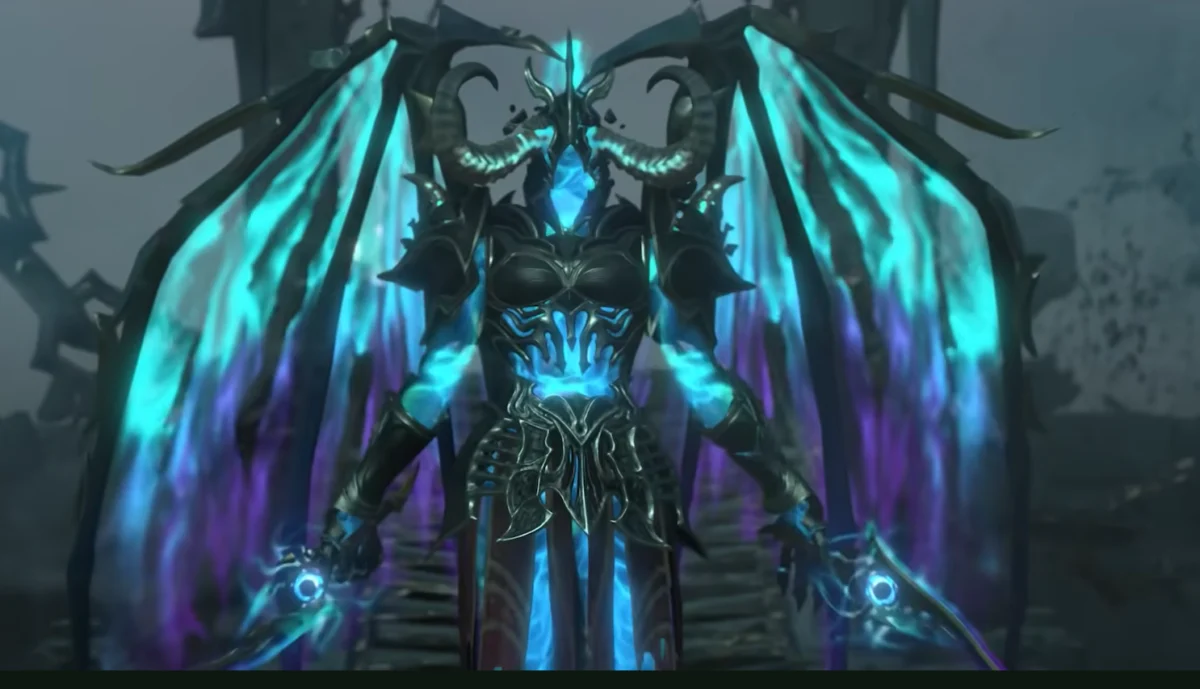
The landscape of Blizzard Entertainment’s flagship action-RPG franchise is shifting dramatically. At BlizzCon 2026, developers shocked the gaming community with the official, surprise announcement of Diablo 5. Billed as the darkest and most atmospheric entry in the series since the original 1996 title, the upcoming sequel has immediately captured the imagination of gothic fantasy fans worldwide.
However, this massive leap forward comes with significant changes for the franchise’s current flagship title, Diablo 4. Blizzard has officially confirmed that Diablo 4: Lord of Hatred will serve as the game’s final major expansion. Leadership within the studio explained that the core development team is shifting its primary focus toward bringing Diablo 5 to life, driven by narrative necessities—specifically, the demand to give the titular Lord of Terror himself a dedicated, standalone game commensurate with his iconic stature in dark fantasy lore.
Despite the halt on future expansions for Diablo 4, Blizzard has reassured its player base that the game will not be left out in the cold. Game Director Brent Gibson confirmed in an interview with Icy Veins that seasonal content will continue to support Diablo 4, provided the community maintains its active engagement. Drawing comparisons to the long-term support seen in Diablo 2 and Diablo 3, Blizzard intends to keep the servers alive, the events running, and the community engaged for years to come.
Chronology of Events
To understand how Blizzard arrived at this critical juncture, it is helpful to trace the timeline of the Diablo franchise’s modern era and the evolution of its development strategy:
- June 2023: Diablo 4 launches to critical acclaim, introducing a sprawling open world, a return to gothic horror aesthetics, and a live-service seasonal model designed to keep players returning every few months.
- Late 2024 – 2025: Blizzard rolls out consecutive seasons alongside early development announcements for major standalone content. The team experiments heavily with nostalgic content, culminating in massive seasonal events—such as Season 15’s intricate recreation of the original Diablo 1 campaign, taking players from the Tristram Cathedral down into the fiery depths of Hell.
- BlizzCon 2026: In a stunning turn of events that catches industry analysts and fans completely off guard, Blizzard reveals Diablo 5. Early teaser footage and developer panels emphasize an unprecedented return to bone-chilling, oppressive horror, moving even further into dark fantasy territory than its predecessor.
- Post-BlizzCon 2026: Blizzard confirms that Diablo 4: Lord of Hatred will be the final expansion for the three-year-old game. Leadership clarifies that while major paid expansions are ending to allow resources to pivot to Diablo 5, the live-service seasonal cycle for Diablo 4 will transition into a sustainable long-term support model.
Supporting Data and Context
The decision to wind down Diablo 4 expansions in favor of Diablo 5 is rooted in the immense logistical and financial demands of modern AAA game development. Crafting massive campaigns, introducing entirely new regions, designing complex itemization systems, and balancing character classes require vast amounts of studio bandwidth. Even for a gaming giant backed by Microsoft and Xbox, maintaining two simultaneous, fully resourced mainline Diablo teams producing premium expansion content at the same time is a monumental challenge.
Historically, Blizzard has shown a strong commitment to legacy maintenance. Both Diablo 2 and Diablo 3 have enjoyed remarkably long lifespans well past their initial development windows. Diablo 2 received surprising updates and even a brand-new class addition years after its initial heyday, while Diablo 3 successfully transitioned into a predictable, rotating seasonal model.
Diablo 4, however, operates on a much grander scale than its predecessors, with dense, highly ambitious seasonal updates that frequently incorporate sweeping mechanical overhauls and mini-campaigns. Recreating nearly all of Diablo 1 within a Diablo 4 seasonal activity demonstrated the creative heights the team could reach, but it also underscored the intense labor required to sustain such a high-output live-service model while building a next-generation sequel.
Official Responses and Developer Insights
The transition has prompted candid commentary from the studio’s leadership regarding why the team felt compelled to fast-track Diablo 5 rather than continuing to iterate on Diablo 4 indefinitely.
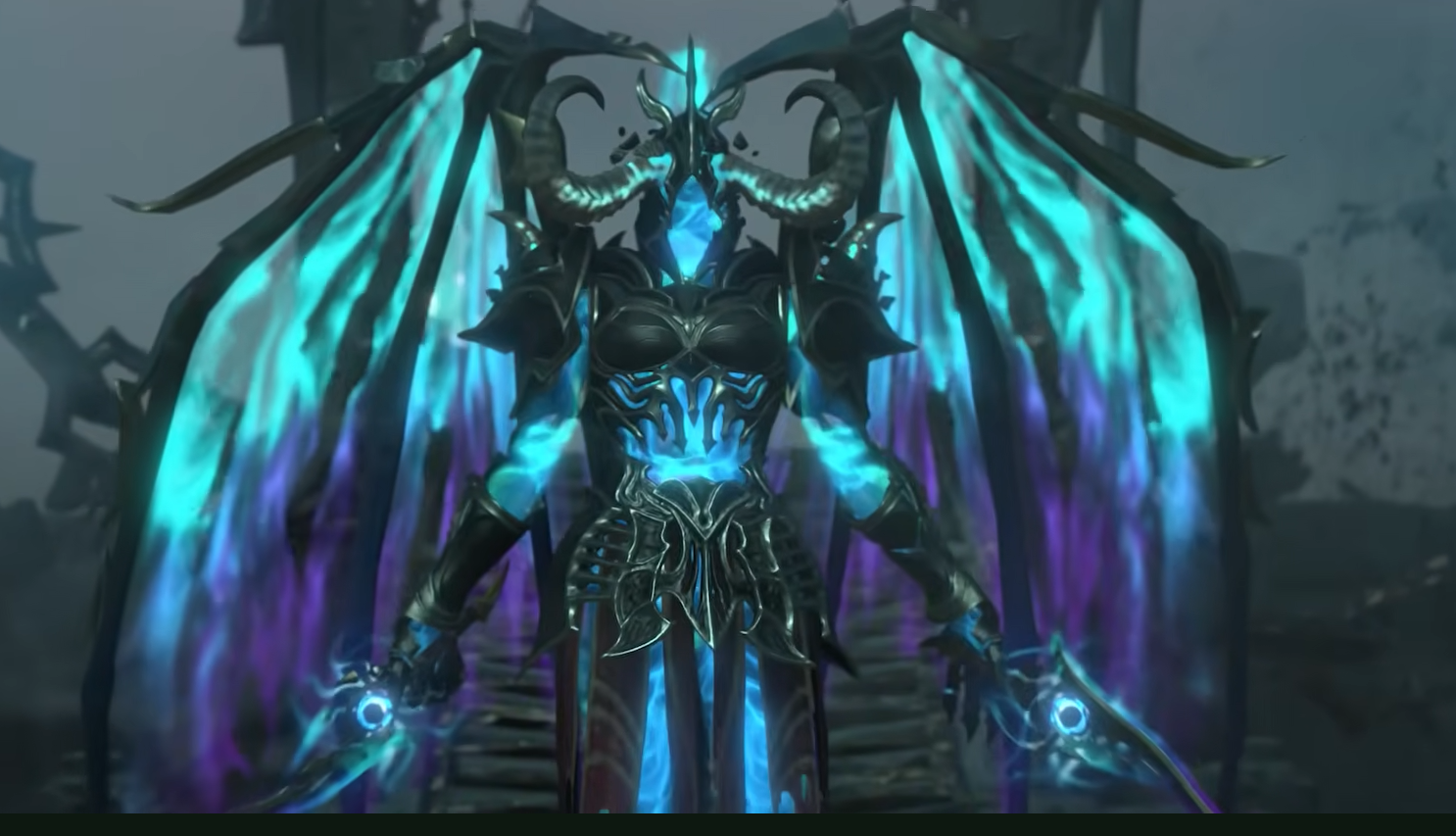
According to project leads, the narrative weight of the universe demanded a radical shift. The decision to pivot to Diablo 5 instead of drafting another post-launch expansion for Diablo 4 boils down to a singular antagonist: Diablo himself. As project leads noted, the Lord of Terror required a canvas large enough to center an entire game around his direct presence and apocalyptic influence, necessitating a standalone sequel rather than supplemental chapters tacked onto the current game’s storyline.
Addressing the immediate future of Diablo 4, Game Director Brent Gibson provided clarity on how the team plans to handle the game’s twilight phase once the primary focus shifts fully to the sequel.
"We are planning on supporting seasons as long as the community continues to show up for D4," Gibson told Icy Veins. "Similar to what we have in D2 and D3. There are still people who play those games, and as long as you’re showing up, we’re going to continue to be making content."
Industry experts interpret these comments to mean that Diablo 4 will eventually enter a curated maintenance phase similar to its predecessors—rotating through fan-favorite past seasonal themes and maintaining live servers, rather than pumping out entirely fresh narrative arcs and expansive new zones on a quarterly basis.
Implications for the Community and the Industry
The announcement has left the Diablo community experiencing a profound mix of excitement and melancholy. On one hand, the prospect of Diablo 5—promising a return to the deepest, most terrifying roots of the franchise—has ignited intense speculation and enthusiasm. The dark fantasy community is eager to see how modern gaming hardware and design philosophies can elevate the horror elements that originally defined the series.
On the other hand, cutting Diablo 4’s expansion lifecycle short after only three years has raised questions about the sustainability and lifecycle expectations of modern live-service games. Fans who invested heavily in the ongoing narrative arc of Diablo 4 may feel that the story is wrapping up prematurely to clear the runway for its successor.
Nevertheless, Blizzard’s commitment to keeping Diablo 4’s servers active and running recurring seasons ensures that Sanctuary will remain populated. As long as players continue to log in, slay demons, and chase loot, the fires of the Burning Hells will continue to burn brightly across both past and future generations of the franchise.

