

By Entertainment Desk
Published: September 2024
Main Facts: A Tricycle Rolls Again, But Questions Linger
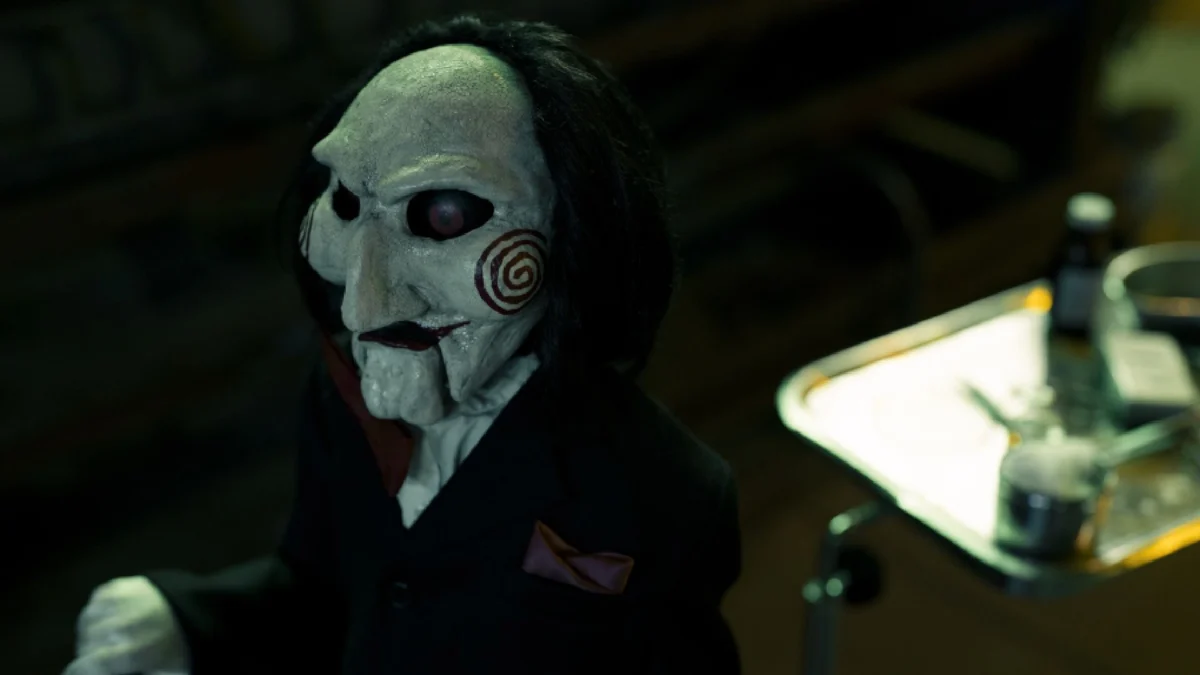
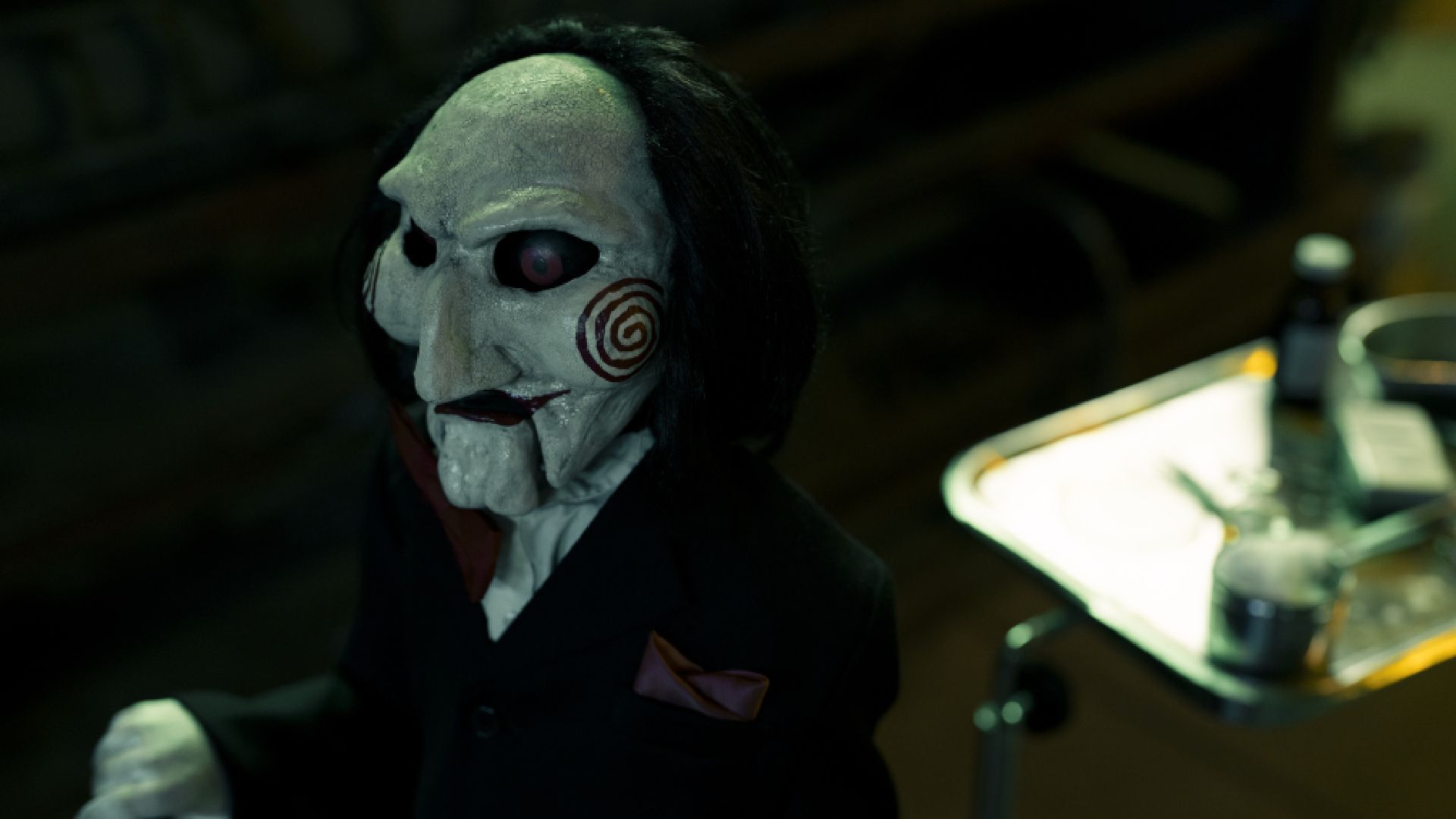
The iconic, squeaky tricycle has once again echoed across social media, signaling that Billy the Puppet has officially risen from the dead. On September 24, the official Saw franchise accounts sent shockwaves through the horror community by announcing that a brand-new film in the iconic torture-porn and psychological thriller saga is officially moving forward.
However, rather than rallying around a straightforward celebration of a confirmed sequel, the fandom has been plunged into a vortex of speculation, detective work, and skepticism. The primary point of contention? The newly revealed script cover art simply bears the title Saw, noticeably omitting the expected "XI" or "11."
Accompanied by a chilling, teaser-style video featuring the unmistakable puppet uttering the franchise’s hallmark phrase—"the game continues"—the announcement also introduced a major creative shift behind the scenes. Franchise newcomer Mike P. Nelson has been tapped to direct the project. Yet, eagle-eyed fans scouring the teaser for clues were quick to point out discrepancies, noting everything from a subtly altered vocal delivery for Jigsaw to the clean, numerical-free title page. This has left the horror community asking a pivotal question: Is this actually Saw 11, or are we looking at a complete soft reboot, a spinoff, or something entirely unexpected under Blumhouse’s new stewardship?
Chronology of Chaos: From Saw X Success to Studio Shake-Ups
To understand the confusion surrounding this latest announcement, one must trace the tumultuous timeline of the Saw franchise following the theatrical release of Saw X in late 2023. Directed by Kevin Greutert, Saw X was a surprise critical and commercial darling. By taking the narrative back to between the events of Saw and Saw II, and by placing Tobin Bell’s John Kramer front and center as a sympathetic (albeit deeply unhinged) anti-hero, the film breathed new life into a nearly two-decade-old property.
Riding high on this momentum, Lionsgate and Twisted Pictures officially announced Saw 11 in December 2023, initially slating it for an aggressive late 2024 release. Early plans indicated that Greutert would return to the director’s chair, with a script designed to pick up a mere 30 seconds after the credits rolled on Saw X. Fans anticipated another deep dive into Kramer’s intricate philosophy, trap designs, and psychological torment.
However, the production pipeline quickly hit a brick wall. The late 2024 release date slipped into 2025 before the project was quietly shelved altogether. Behind-the-scenes reports later revealed that intense creative squabbling between the studio and producers had stalled momentum, leading to the cancellation of Greutert’s planned narrative.
Simultaneously, a massive corporate shift occurred behind the scenes. In a landmark deal, Blumhouse Productions acquired Twisted Pictures’ half of the franchise, bringing Saw "back home" to creators James Wan and Leigh Whannell. Blumhouse—which also houses Wan’s production banner, Atomic Monster—immediately signaled its intent to push the legendary IP forward in unexpected ways. This studio merger effectively wiped the slate clean for future installments, paving the way for the cryptic September 24 announcement and the hiring of Mike P. Nelson.
Supporting Data: Franchise Longevity and Creative Shifts
The Saw franchise remains one of the most resilient and profitable intellectual properties in modern cinematic history. Launched in 2004 on a microscopic budget by James Wan and Leigh Whannell, the series quickly expanded into a multi-million-dollar pop-culture behemoth.
- Box Office Resilience: Across ten released features, the franchise has grossed over $1 billion worldwide. Saw X proved that audience appetite for the property remains strong, pulling in stellar reviews and respectable box office returns by prioritizing character work and emotional stakes over pure, unmotivated gore.
- The Directorial Lineup: The franchise has historically relied on a tight-knit circle of directors, including James Wan, Darren Lynn Bousman, Kevin Greutert, and Michael Spierig and Peter Spierig. Bringing in Mike P. Nelson represents a distinct departure from this tradition. Nelson is best known for his work on the gritty Wrong Turn reboot (2021) and the slasher homage Silent Night, Deadly Night remakes, showcasing a penchant for isolated, brutal environments and survival horror.
- The Blumhouse Factor: Blumhouse’s acquisition changes the financial and creative ecosystem of the franchise. Known for mid-budget horror hits (Insidious, The Purge, Halloween), Blumhouse specializes in maximizing profitability while giving filmmakers specific creative sandboxes.
Official Responses and Fan Theories
As expected, the announcement has sparked intense debate across social media platforms like X (formerly Twitter) and Reddit. Fans have dissected every frame of the teaser video released on September 24.
"I like how everyone is just assuming that this announcement is Saw 11," noted prominent horror fan account @TheOgIronWolf, summing up the prevailing sentiment. They pointed out three distinct red flags:
- The title on the script reads strictly as Saw, mirroring the naming convention of recent legacy-sequels/reboots like 2018’s Halloween or 2022’s Scream.
- The recruitment of Mike P. Nelson signals a clean break from the established house style of recent sequels.
- The audio mixing for Billy the Puppet and Jigsaw’s voiceover sounds noticeably different from previous entries, suggesting a tonal shift.
Meanwhile, franchise creators James Wan and Leigh Whannell have previously articulated a desire to reshape the future of the property. In interviews following the Blumhouse acquisition, Wan expressed a desire to "make John Kramer scary again" and steer the franchise away from exhausting narrative loops, focusing instead on exploring Jigsaw’s complex psychology and internal philosophy.
Furthermore, Wan has repeatedly emphasized a desire to take the saga back to its psychological roots—reminiscent of the original 2004 film—by dialing back the gratuitous torture porn elements that dominated the mid-tier sequels (Saw III through Saw VII) in favor of tense, claustrophobic mind games.
Implications: What a Saw "Soft Reboot" Means for the Future
The decision to title the upcoming film simply Saw carries massive implications for the trajectory of the horror franchise.
If this project is indeed a soft reboot rather than a direct continuation of Saw XI, it suggests that Blumhouse and Lionsgate are targeting a broader, mainstream audience that may be intimidated by ten previous chapters of dense, overlapping continuity. Much like David Gordon Green’s Halloween trilogy ignored every sequel following John Carpenter’s original masterpiece, a stripped-down, re-titled Saw could wipe away years of convoluted mythology—cults of Jigsaw apprentices, secret tapes, and decades of timeline gymnastics—to focus on pure, unadulterated psychological terror.
However, alienating the hardcore fanbase remains a distinct risk. Saw enthusiasts have spent twenty years tracking the complicated lore of John Kramer, Amanda Young, and Detective Hoffman. Discarding the direct continuation of Saw X—especially after fans were promised a resolution to its cliffhanger—could cause friction among the franchise’s most loyal supporters.
Ultimately, Mike P. Nelson’s involvement offers a thrilling wildcard. Known for his ability to craft atmospheric, visceral survival horror, Nelson could inject a fresh, kinetic energy into the traps and trials. Whether this new chapter serves as Saw 11 in disguise or an entirely new entry point for the Jigsaw legacy, one thing is certain: the traps are set, the rules have changed, and the game is far from over.

