

Main Facts: The Intersection of Gaming and Olfactory Tech
In the ever-expanding universe of PC gaming peripherals, consumer excess has long transcended mere utility. Modern battle stations are illuminated by a dazzling array of RGB lighting embedded in keyboards, memory sticks, and cooling fans; graphics cards feature custom anime aesthetics and proprietary cooling vapors; and high-end audio setups deliver spatial soundscapes that mimic real-world physics. Yet, a persistent frontier has largely remained untouched by mass-market adoption: the sense of smell.
Enter the Scentbar, a novel peripheral showcased at this year’s Gamescom convention that attempts to bridge the gap between sight, sound, and scent. Developed as a desktop-mountable, soundbar-shaped device, the Scentbar uses visual-recognition software to analyze real-time gameplay on a monitor. Once the system detects specific environmental triggers or action cues on screen, it releases corresponding aromas into the player’s immediate environment.
While previous attempts at "smell-o-vision" gaming peripherals—such as the widely criticized GameScent—have historically fallen flat, the Scentbar represents a surprising, albeit perplexing, technical leap forward. Equipped with up to 10 interchangeable cartridges filled with specialized scent pellets, the device is capable of accurately parsing in-game environments ranging from a quiet bakery to a bustling automotive garage. Despite its undeniable novelty and the absurdity of its core premise, the device forces a critical question: Can olfactory immersion transition from a technological gimmick into a viable component of the modern gaming experience?

Chronology: The Long, Bumpy Road to Digital Aromas
The concept of integrating scents into media is far from new. Throughout the 20th century, various inventors attempted to introduce synchronized smells to cinema, most notably with the 1960 development of "Smell-O-Vision," which pumped odors into movie theaters via a network of pipes. Unfortunately, technical malfunctions frequently meant scents arrived seconds late or lingered unpleasantly long after the relevant scene had passed, relegating the technology to a historical footnote.
When the digital era arrived, the idea inevitably migrated to video games. Over the decades, various boutique developers and hardware start-ups experimented with USB-powered scent generators, fan-driven vaporizers, and scented controllers. However, these early consumer prototypes were plagued by high costs, limited software support, and a lack of intelligent automation. Users were typically required to manually program scents or rely on rigid, developer-coded scripts that rarely matched the dynamic nature of open-world gameplay.
The timeline shifted significantly in the early 2020s with the integration of real-time machine learning and AI-driven image recognition. Rather than relying on rigid, pre-programmed code embedded directly into a game’s files, modern iterations like the Scentbar bypass software integration entirely. By analyzing the visual data on the screen on the fly, current-generation devices can dynamically interpret what is happening in a game—whether a player is wandering through a pine forest or navigating an urban warzone—and dispense the appropriate fragrance within fractions of a second. The Scentbar’s debut at Gamescom marks the latest milestone in this evolutionary timeline, demonstrating that while the hardware has finally caught up to the concept, the cultural appetite for scented gaming remains deeply polarized.

Supporting Data: Hardware Mechanics and Olfactory Engineering
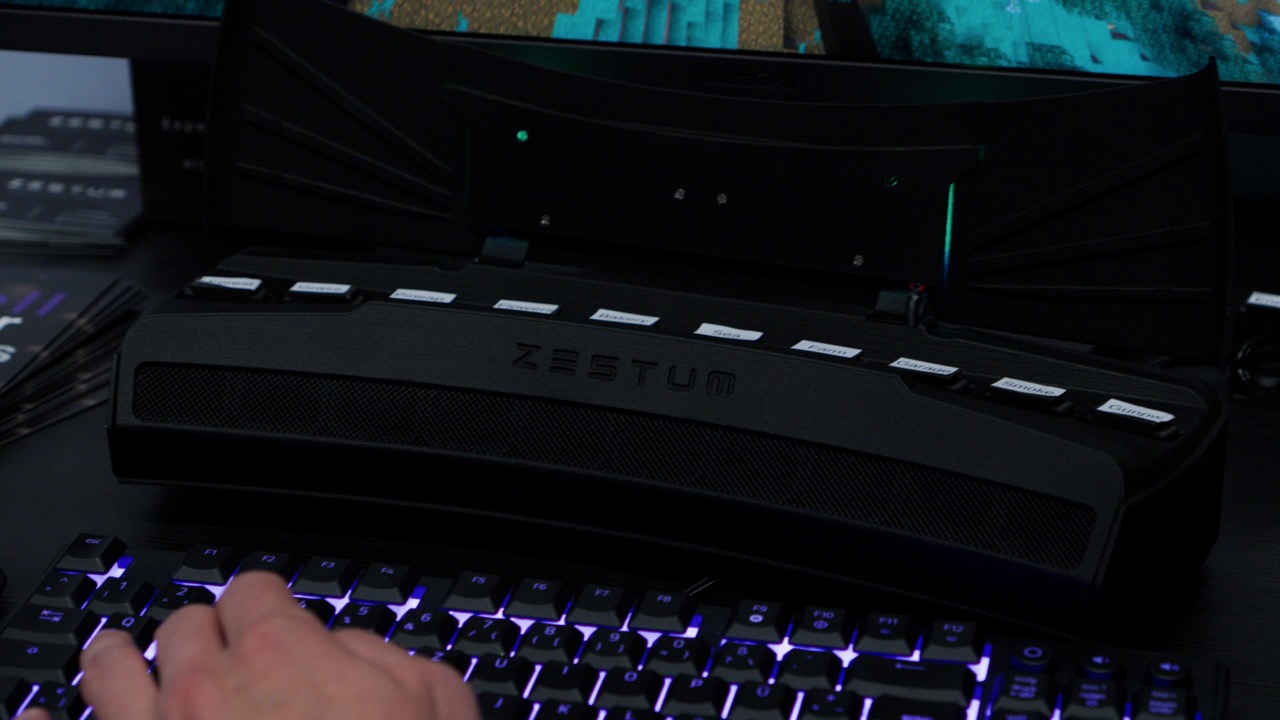
To understand how the Scentbar operates, one must examine its mechanical underpinnings. The device is housed in a compact, sleek chassis designed to sit unobtrusively beneath a standard PC monitor, closely mimicking the footprint of a traditional audio soundbar. Inside this housing lies a sophisticated array of miniature dispersion fans and cartridge slots capable of holding up to 10 discrete scent profiles.
At Gamescom, the demonstration unit was loaded with a curated palette of ten distinct aromas:
- Forest
- Grass
- Pineapple
- Flowers
- Bakery
- Sea
- Farm
- Garage
- Smoke
- Gunpowder
The engineering feat behind these scents lies in the formulation of miniature white pellets engineered by specialized scent-makers. According to demonstrations, these pellets are capable of releasing remarkably accurate representations of complex environments—such as the distinct, metallic and rubbery aroma of a "garage"—without overwhelming the room or lingering uncomfortably long after the visual stimulus has changed.
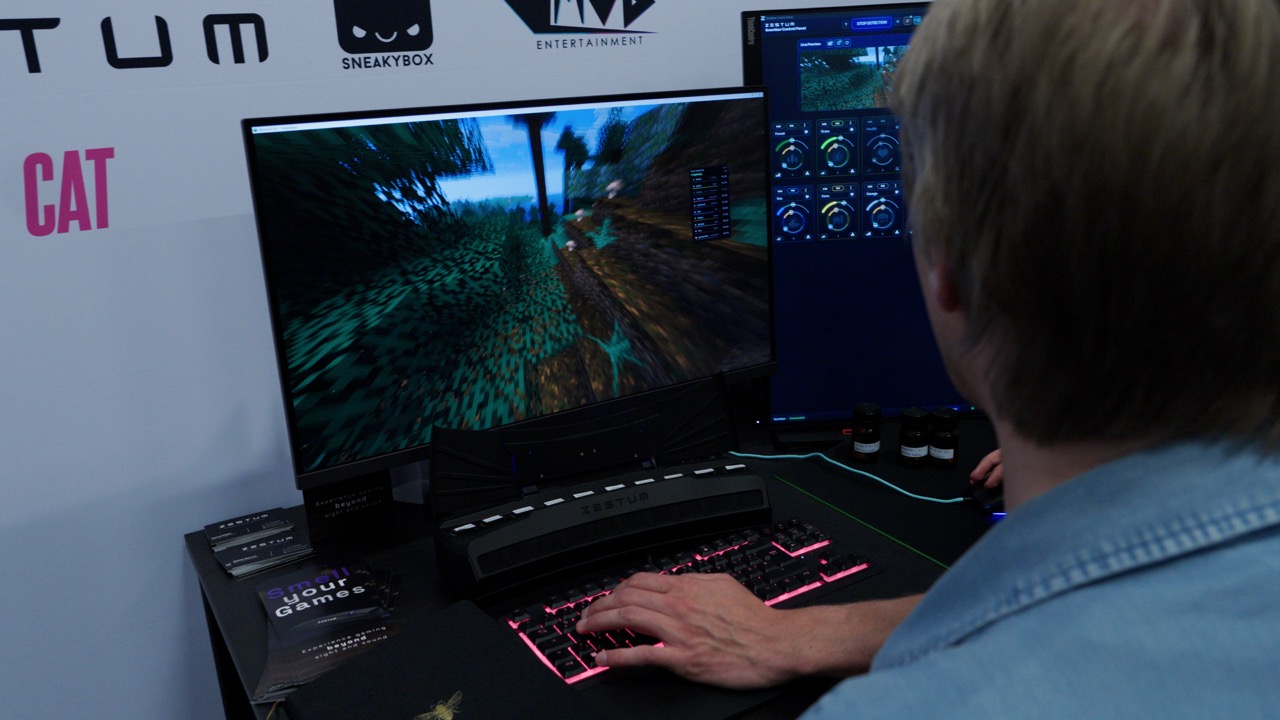
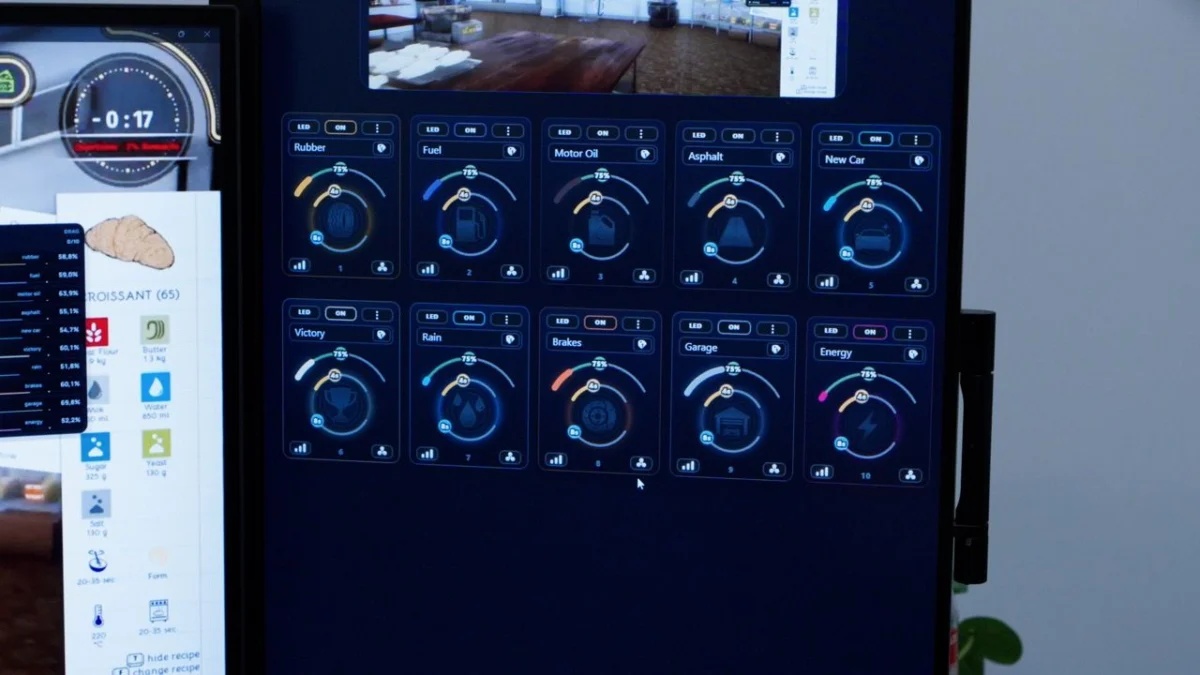
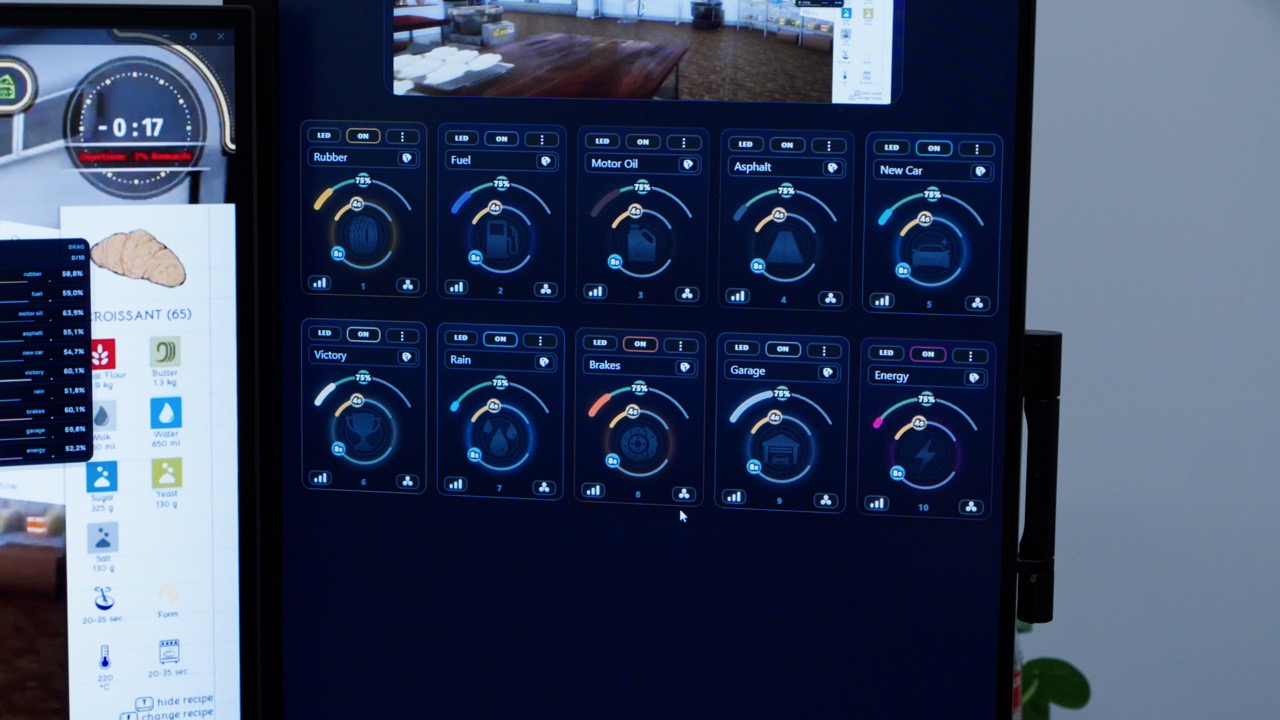
Crucially, the system’s sensitivity is fully adjustable via companion software managed by the user. Gamers can calibrate the AI’s threshold of recognition. For instance, a player can configure the device to release the scent of gunpowder at the slightest visual hint of a firearm, or adjust the settings so that the AI requires absolute certainty before triggering an aroma. This level of granular control ensures that players are not continuously bombarded by competing scents during fast-paced, visually chaotic gameplay sequences.
Official Responses: Developer Insights and Safety Boundaries
Salomo Bertram, the visionary behind the Scentbar project, has been vocal about the technical challenges and design philosophies driving the device. During his presentations at Gamescom, Bertram emphasized that the primary goal was to create an individualized, highly customizable sensory experience rather than a forced gimmick.
"You can set it up to your preferences and individualize your experience," Bertram explained, highlighting the software’s calibration sliders that allow users to dictate how aggressive or subtle the scent-matching AI should be.
However, developing a consumer-grade scent dispenser comes with strict regulatory and safety limitations. When questioned about the possibility of users creating and uploading custom scents, Bertram noted that current iterations restrict this capability due to strict "safety issues." Inhaling unregulated chemical compounds vaporized in a closed room presents significant health and safety liabilities, meaning users must currently rely exclusively on manufacturer-approved cartridges.
Furthermore, the curation of the scent library involves careful moderation. While standard environmental odors like forestry, ocean spray, and baked goods were fully operational during the convention, more extreme or unpleasant sensory options—such as fish or organic waste—were intentionally left out of the public demo kit. Similarly, when testers maneuvered characters near open flames or burning structures, the device successfully emitted a general scent of fire, while avoiding ethically and aesthetically dubious additions like "burning flesh." These selective omissions underscore the fine line manufacturers must walk between achieving total immersion and maintaining a comfortable, domestic living environment.
Implications: The Future of Immersion vs. Consumer Excess
The unveiling of the Scentbar invites a broader philosophical debate regarding the trajectory of PC gaming hardware. On one hand, the device is a testament to the staggering pace of modern engineering. The fact that an AI-driven peripheral can watch a monitor, correctly identify a blocky forest in Minecraft or a baking sequence in a cozy game, and instantly fill a room with the appropriate scent is undeniably impressive. It proves that the technology works, functioning with a level of precision that previous generations of developers could only dream of.
On the other hand, the Scentbar epitomizes the apex of consumer excess within the hobby. PC gaming has long thrived on a culture of optional luxury—from mechanical keyboards with custom actuation forces to ultra-wide curved monitors. Yet, introducing olfactory elements to a medium historically defined by sight and sound crosses into uncharted territory that many consumers may find unnecessary, intrusive, or fundamentally absurd.
The core dilemma facing products like the Scentbar is not whether they work, but whether gamers actually want them to work. While a gentle hint of bakery goods or fresh grass during a gaming session can be a charming novelty, the prospect of smelling gunpowder, smoke, or worse during hours of intense competitive play quickly loses its appeal. For the vast majority of players, the Scentbar remains an ingenious solution to a problem nobody asked to solve. Nevertheless, as a technological exercise showcased on the convention floor, it serves as a fascinating reminder that the boundaries of digital immersion are still being pushed—even if those boundaries occasionally leave a strange smell in the air.

