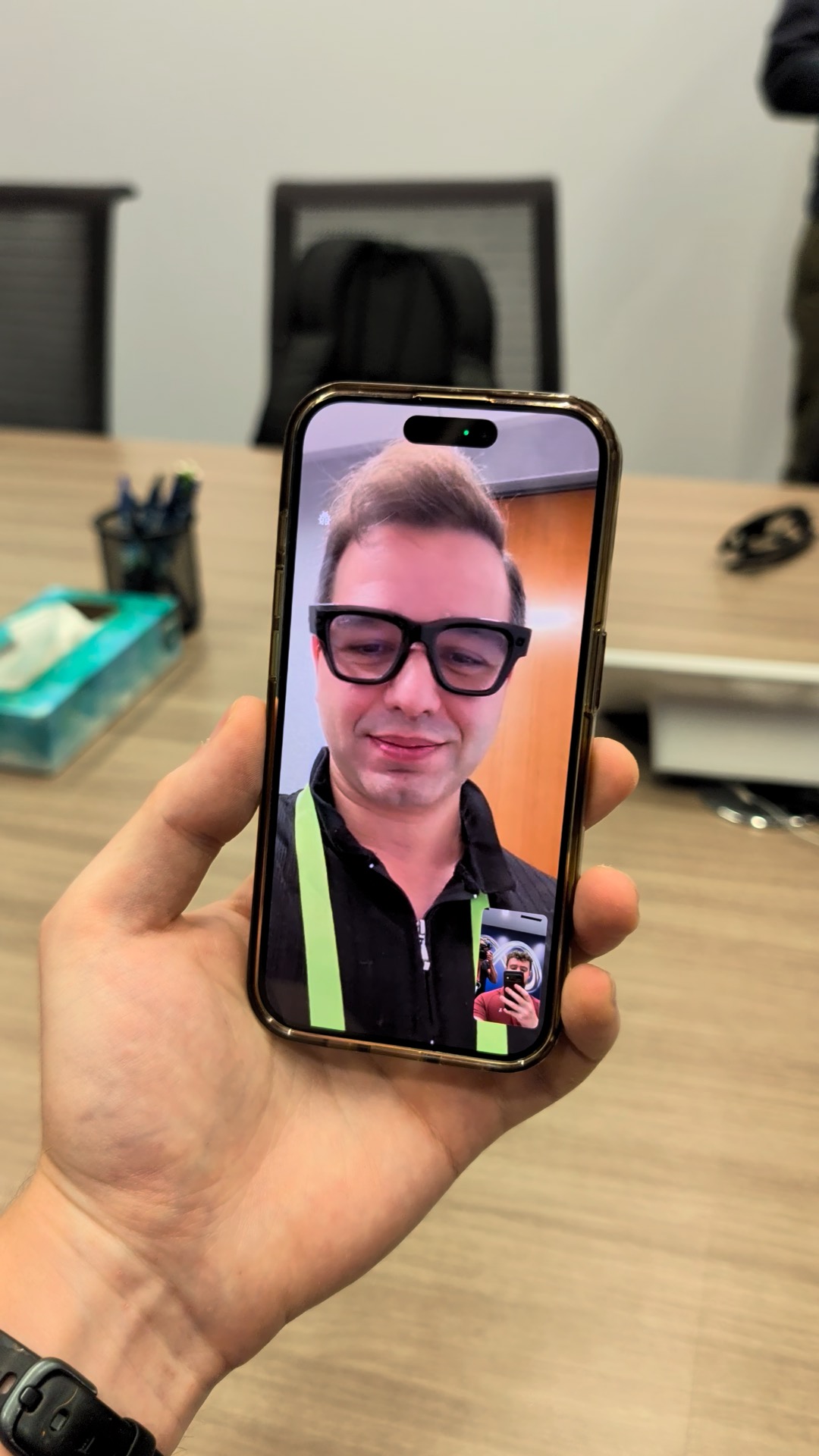
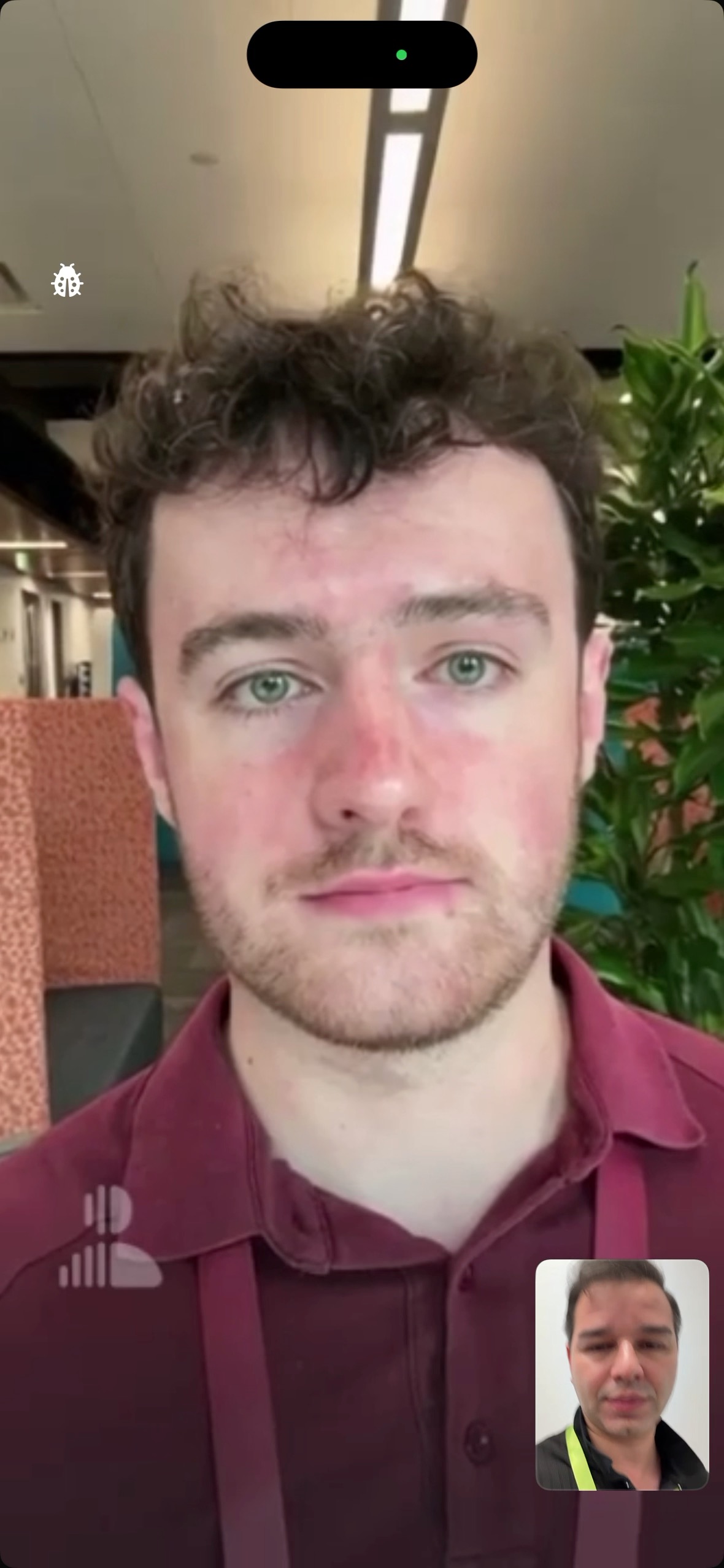
SAN JOSE, Calif. — For more than seven years, Meta has teased the tech world with glimpses of "Codec Avatars"—a research project aimed at rendering photorealistic, volumetric digital twins of people for virtual and augmented reality. Yet, despite years of incremental research breakthroughs, consumers interacting within Meta’s digital ecosystems have remained tethered to cartoonish, often-ridiculed digital stand-ins across Horizon Worlds and various Quest applications.
That long-standing disconnect between corporate research and consumer reality is finally drawing to a close. At Meta Connect 2026, the company established a concrete, highly anticipated timeline to ship realistic digital avatars under a new commercial banner: Holograms. Serving as Meta’s direct answer to Apple Vision Pro’s "Personas," Holograms represent a radical pivot in how the company approaches digital identity. However, as hands-on demonstrations reveal, Meta’s initial rollout relies not on complex volumetric laser scans, but on a clever, real-time generative artificial intelligence (AI) pipeline.
Main Facts: What Are Meta’s Holograms?
The launch of Holograms is split into two distinct hardware phases, beginning this fall and culminating in the spring of 2027.
Phase 1: Meta Ray-Ban Display HUD Glasses (Fall 2026). A shoulders-up version of Hologram will debut in Early Access in the United States, integrated directly into WhatsApp video calls on Meta’s upcoming heads-up display (HUD) glasses.
Phase 2: Meta VR Glasses (Spring 2027). A full-body version of the avatar system will launch alongside the newly announced $1,300 Meta VR Glasses, bringing life-sized digital representations into virtual reality spaces.
Crucially, the launch version of Hologram is not a volumetric implementation of Codec Avatars. Instead, it utilizes a real-time generative AI diffusion model running on Meta’s cloud servers. For the Ray-Ban Display integration, the system ingests an audio stream from the glasses’ microphones, driving a generated 2D video stream of the user that is transmitted to the recipient.
Setting up a Hologram requires minimal friction: users open the Meta AI app on their smartphone, follow simple prompts to turn their head and smile, and answer a series of open-ended questions to capture natural vocal and facial expressions. After a few minutes of server-side processing, the synthetic twin is ready. Notably, the initial setup bakes in the user’s clothing and physical background, meaning wardrobe and environmental curation must be considered prior to every call.
Chronology of the Quest for Photorealism
To understand the magnitude of Meta’s announcement, one must trace the timeline of the company’s digital avatar initiatives over the past decade:
2019 (The Research Era): Then-Facebook first showcased early prototypes of "Codec Avatars," utilizing massive, multi-camera dome rigs to capture volumetric data of individuals. While visually stunning, the technology required room-sized equipment, making consumer adoption impossible.
2021–2024 (The Cartoon Phase): Meta pushed forward with standardized, stylized "Meta Avatars" across its Quest lineup and social platforms. While optimized for mobile and standalone VR hardware performance, users frequently criticized the lack of legs and overly simplistic, cartoonish aesthetics.
2024 (The Apple Catalyst): Following Apple’s introduction of the Vision Pro and its realistic "Personas," industry pressure mounted on Meta to accelerate its timeline for photorealistic enterprise and consumer communication tools.
Fall 2026 (Meta Connect): Meta officially announces Meta VR Glasses (shipping Spring 2027 for $1,300) and debuts the first consumer-facing implementation of Holograms for Meta Ray-Ban Display glasses.
Spring 2027 and Beyond: Full-body Holograms are scheduled to launch on Meta VR Glasses, with future promises of true volumetric rendering and developer SDK integrations that will ultimately sunset the older cartoon-avatar framework.
Supporting Data and Technical Architecture
Under the hood, Hologram technology bypasses traditional 3D graphics rendering pipelines in favor of generative AI models.
When utilizing the Meta Ray-Ban Display HUD glasses, the technical loop operates as follows:
Audio-Driven Animation: The recipient sees a synthetic 2D video stream where facial expressions are entirely derived from the caller’s voice picked up by the glasses’ microphones.
Generative Diffusion: A server-side real-time AI diffusion model interprets the audio stream and synthesizes the video output.
Future Hardware Integration: Meta plans to upgrade the model to utilize the glasses’ internal Inertial Measurement Unit (IMU) chip, allowing the gyroscope to drive head rotations dynamically, alongside AI-generated dynamic backgrounds and text-prompt clothing changes.
When moving to Meta VR Glasses, the technical implementation expands to a stereoscopic 3D video pixel stream:
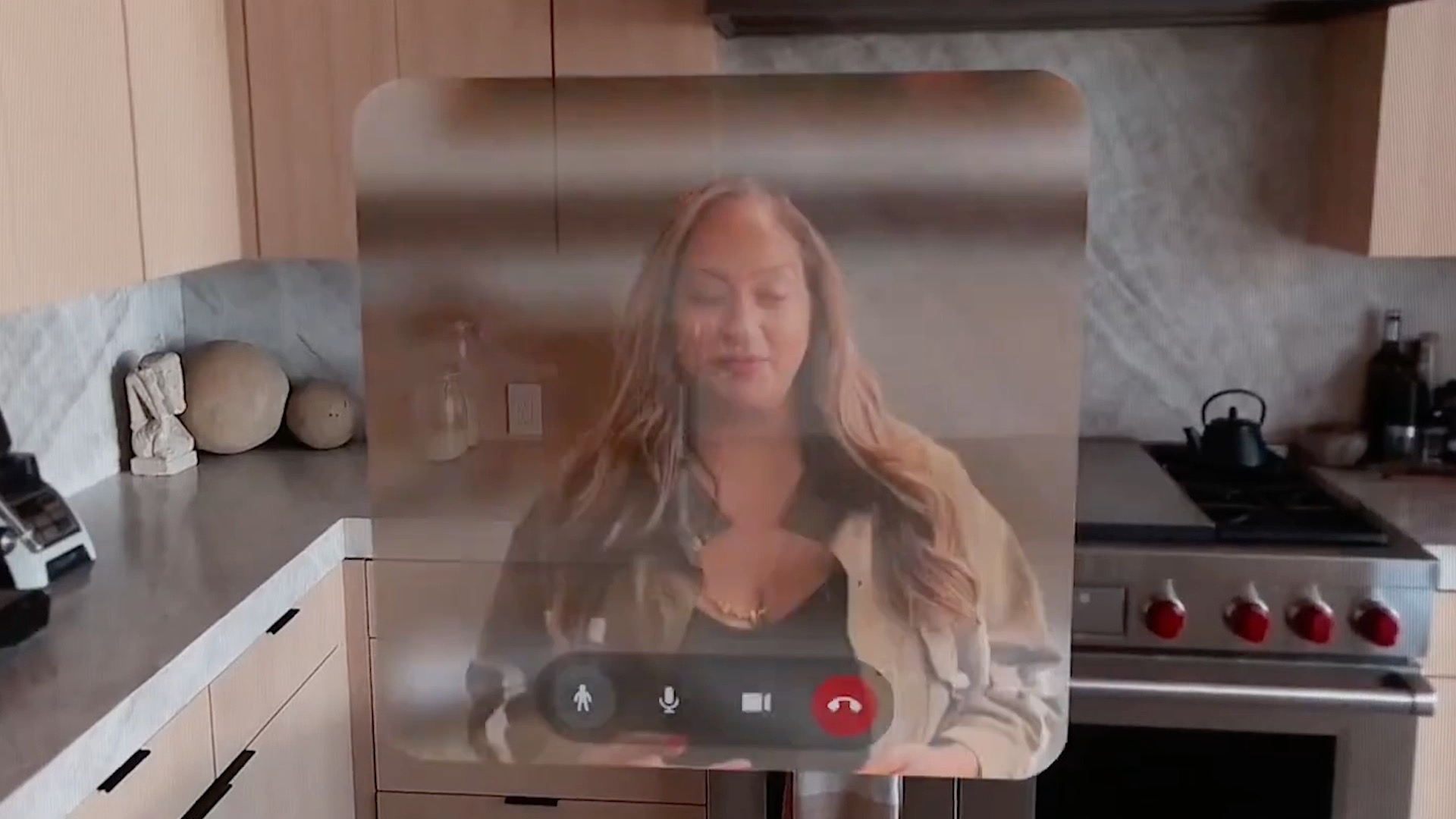
The 3D Window Transition: When a Meta VR Glasses user calls another via WhatsApp, the avatars initially appear within a 3D window. Tapping a side button switches the call to a full-scale, full-body mode.
The "Billboard" Limitation: Because the full-body Hologram is fundamentally a stereoscopic 3D video plane rather than a true volumetric object (like a Gaussian splat or point cloud), it relies on a facing algorithm. If a user stands up, stays seated, or looks straight ahead, the illusion is remarkably compelling. However, if a user physically walks toward or circles the avatar, the illusion breaks: the 2D/3D sprite rotates to continuously face the viewer, behaving identically to a 2D billboard sprite in classic video games.
Hardware Specs: The Meta VR Glasses powering these experiences feature 2.4K micro-OLED displays, weigh roughly 100 grams, and run on a tethered processing puck powered by Qualcomm’s Snapdragon Reality Elite chipset.
Official Responses and Hands-On Impressions
Industry analysts and journalists attending Meta Connect 2026 experienced the technology firsthand, reporting a mix of genuine astonishment and practical skepticism.
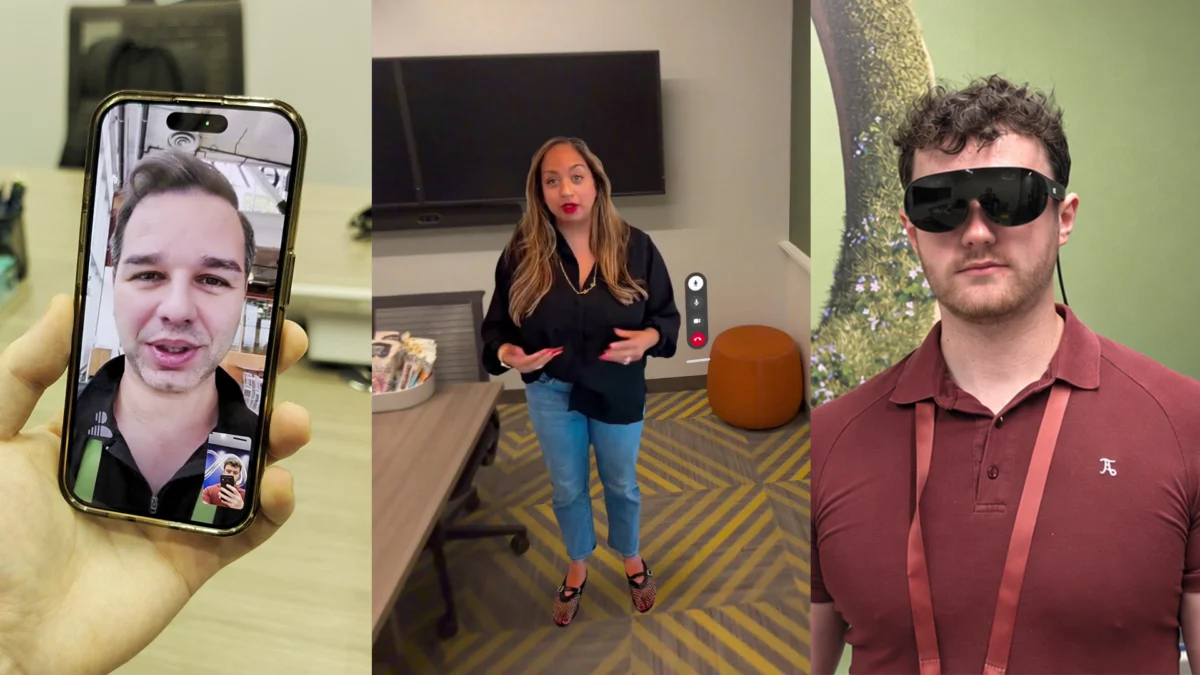
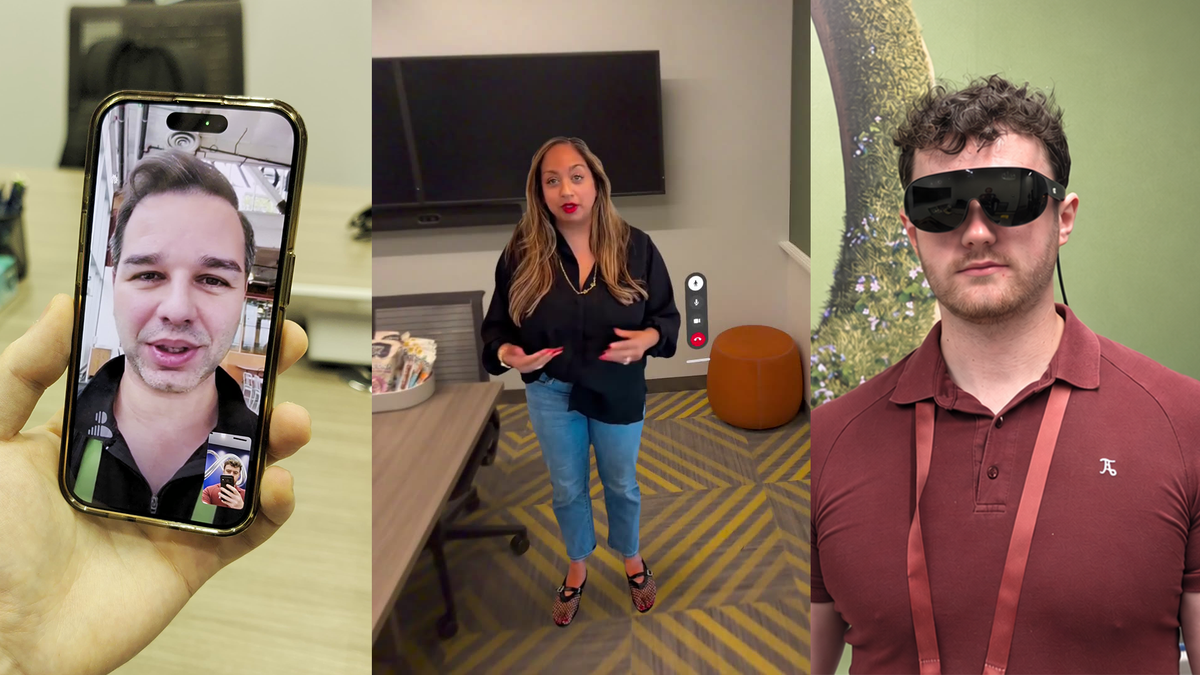
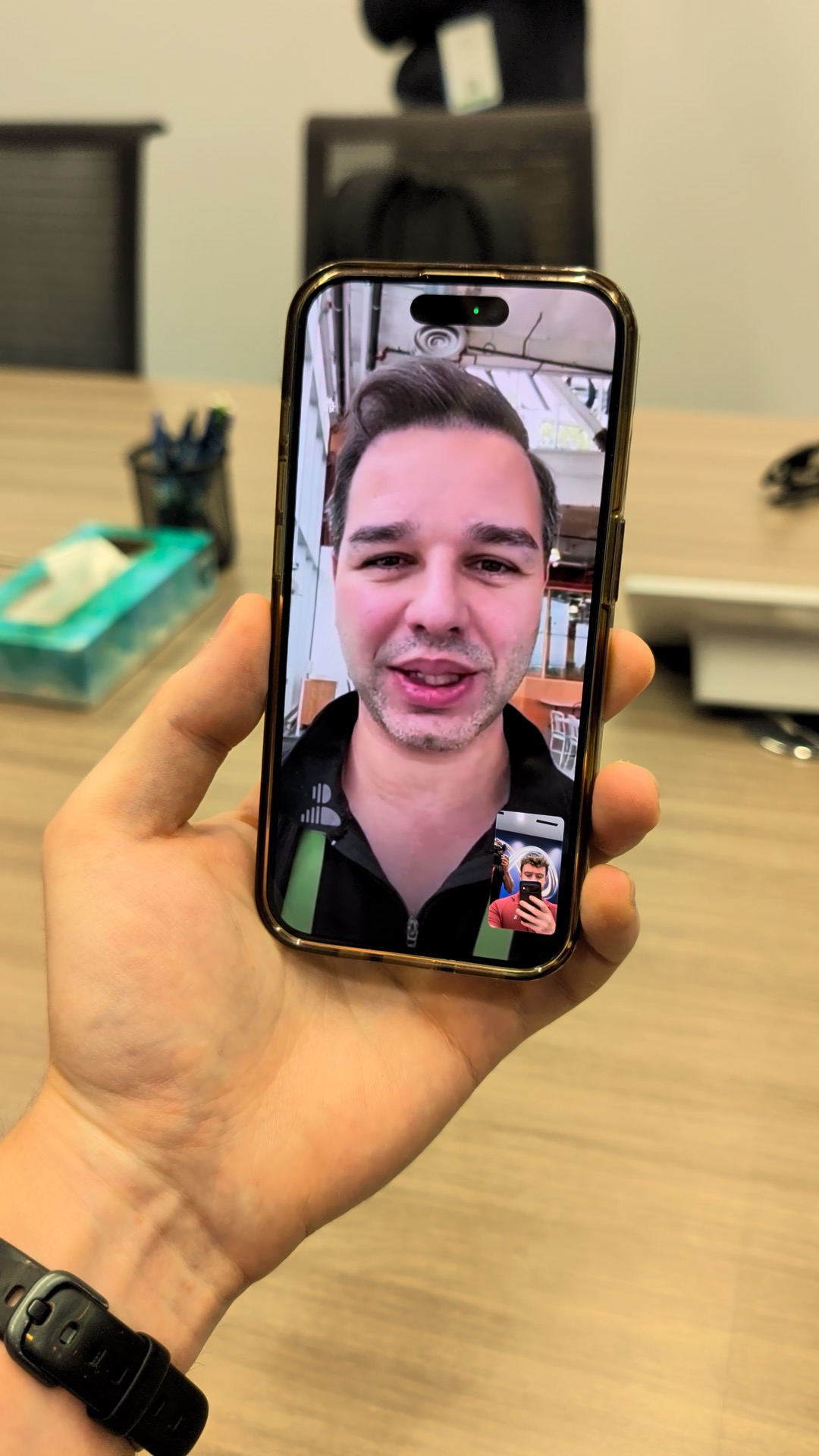
During a live demonstration, a Meta staffer walked out of the room, initiated a WhatsApp video call to a phone using only the Ray-Ban Display glasses, and left observers initially believing they were looking through a standard smartphone selfie camera.
"It’s hard to shock me these days. I’ve seen a lot of impressive demos," noted early testers. "Upon picking up the phone… for the first few seconds I assumed he simply hadn’t put the glasses on yet. I thought I was seeing the view from his phone’s selfie cam. But I wasn’t. I was seeing his Hologram, driven entirely by his voice."
However, critical flaws were also noted. When testers viewed their own Holograms, minor discrepancies in facial matching became apparent. Furthermore, during full-body VR demonstrations, fine details such as the avatar’s eyes occasionally appeared blocky—a byproduct engineers attributed to heavy Wi-Fi congestion across thousands of attendees on the conference campus.
Meta leadership, including CTO Andrew Bosworth and CEO Mark Zuckerberg, emphasized that Holograms are foundational to the company’s long-term vision of presence. Yet, leadership acknowledged that the current generation is a stepping stone.
Industry Implications and the Road Ahead
The introduction of Holograms carries significant weight for the consumer electronics and spatial computing markets, signaling both a major technological milestone and a strategic gamble for Meta.
1. The Death of Cartoon Avatars
Meta confirmed that once true volumetric rendering is perfected and opened to third-party developers, the legacy cartoon Meta Avatars SDK will be officially abandoned. For years, the cartoonish aesthetic was a frequent target of criticism; moving toward generative realism represents a maturation of Meta’s virtual ecosystem.
2. Form-Factor Friction
Critics have questioned the utility of bringing synthetic 2D avatars to flat smartphone screens via Ray-Ban HUD glasses, where the immersive benefits of spatial computing are absent. Shoehorning spatial identity systems into traditional video calls may face consumer friction until AR and VR hardware achieves mass-market ubiquity.
3. The Promise of True Volumetrics
While the launch version of Holograms relies on clever AI diffusion tricks and stereoscopic video streams rather than true volumetric depth, Meta has confirmed that a true volumetric upgrade is in development. Once completed—though currently lacking a firm release date—this upgrade will deliver the long-awaited promise of Codec Avatars, enabling true co-presence, multi-person group conversations, and open developer integration.
As Meta prepares to ship the $1,300 Meta VR Glasses in the spring of 2027, Holograms stand as the company’s bridge between the present era of flat screens and a future where digital presence feels indistinguishable from reality.