

In the high-stakes world of digital content creation, the focus often remains squarely on the talent—the faces in the thumbnail and the voices behind the microphone. Yet, a silent revolution is taking place behind the scenes. As YouTube matures from a platform of hobbyists into a legitimate media powerhouse rivaling traditional television, the role of the video editor has transcended technical assembly to become a creative cornerstone of the medium.
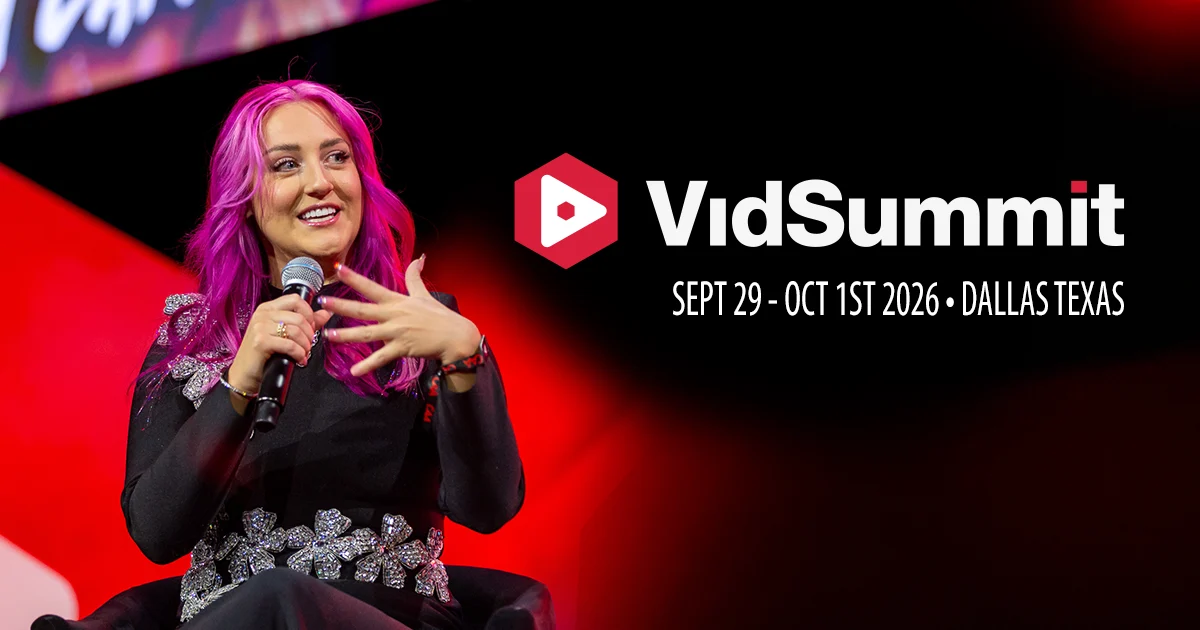
At this year’s VidSummit, taking place from September 29 to October 1 at the Irving Convention Center in Texas, the spotlight shifts to these indispensable architects. YouTube veteran HopeScope and her collaborator Tyler Allen are set to command the keynote stage for a panel titled Beyond the Timeline: The Editors Behind YouTube’s Biggest Channels. This session promises an unprecedented deep dive into the craft, strategy, and artistry of post-production.
The Panel: Redefining the Editorial Craft
The panel assembles a trifecta of industry heavyweights: Rachel Kisela, founder of EditHers and former lead video editor for MrBeast; Mariah Zenk, lead editor for MKBHD; and Olive Oaking, director of post-production for Quenlin Blackwell.
The mantra for the session is simple yet profound: "Great videos aren’t discovered in the edit. They’re built there." This sentiment encapsulates the evolving reality of the creator economy. Today’s top-performing videos are not merely captured; they are constructed through complex narrative pacing, psychological retention tactics, and the seamless integration of humor and visual language.
Attendees can expect a masterclass on the nuances of the profession, including the art of the cut, the science of viewer retention, and the delicate interpersonal dynamics required for successful creator-editor collaborations.
Chronology of a Shift: From Hobbyist to Professional
To understand why this panel is a landmark event, one must look at the trajectory of the editing profession within the creator space.
In the early 2010s, "editing" for YouTube was largely a solo act. Creators were often responsible for their own filming, lighting, and assembly. However, as the platform exploded in popularity and monetization opportunities surged, the "creator-as-an-island" model became unsustainable.
The shift began in earnest around 2018-2020. As the pandemic forced a global pivot to digital entertainment, demand for high-quality, long-form content skyrocketed. This era saw the rise of the "YouTube Editor" as a specialized career path. Editors like Rachel Kisela and Mariah Zenk emerged not just as technicians, but as creative partners who could shape a brand’s identity.
For Kisela, the transition from imitating her favorite YouTubers in middle school to cutting for the industry’s most prominent channels was a journey of professionalization. "I noticed a bunch of TikTokers were blowing up during the pandemic and not building a longform audience," she recalls. "So I started sending out tons of emails asking if they needed help with their editing." That proactive approach eventually led her to the MrBeast team, a crucible of high-intensity, high-stakes content creation.
The Data Behind the Art: Why Editing Matters
The impact of professional editing on channel performance is no longer anecdotal; it is quantifiable. Creators who employ skilled editors see exponential growth in viewer retention—the "holy grail" of YouTube’s algorithm.
As Olive Oaking notes, the editorial style is often the differentiator that makes a channel "stick." Oaking, who manages post-production for Quenlin Blackwell, highlights that her work has become a blueprint for others. "I’m constantly being reached out to by creators who are trying to emulate the editorial style they’ve found in Quen’s videos," Oaking explains. "Because they see how much it adds to her comedy and want to replicate it for themselves."
The data suggests that the "editorial voice"—the specific rhythm, sound design, and pacing—is now as recognizable as the creator’s own personality. This branding through editing is what keeps audiences coming back to channels that have mastered the art of the long-form watch.
Official Perspectives: Q&A with the Industry Leaders
In anticipation of their keynote, the panelists sat down to discuss the current state of the industry and what they bring to the table at VidSummit.
Bridging the Gap
Rachel Kisela emphasizes that the future of the industry relies on a mutual understanding between talent and editor. "I find that creators and editors BOTH produce their best work when they understand and respect each other creatively," she says. Her organization, EditHers, serves as a testament to this, acting as a networking and educational hub for women editors, now boasting over 400 members.
The Full-Circle Experience
Mariah Zenk’s career path underscores the democratization of the industry. After studying media production and spending years in direct-to-consumer video marketing, she saw a call for editors on Twitter from Marques Brownlee. Despite competing against 10,000 applicants, her professional rigor landed her the position. Today, she is one of the only people in the world trusted to edit for the tech-review titan. "It’s an incredible full-circle experience to now be the only other person besides Marques himself to have ever edited one of his videos," Zenk shares.
The "For the Plot" Philosophy
Olive Oaking brings a refreshing, unpretentious perspective to the panel. Admitting that she doesn’t see herself as a "technically advanced" editor in the traditional corporate sense, she leans into her comedic instincts. "Where I excel is instead in my distinct comedic voice and style," she explains. For Oaking, the audience connection is more important than technical perfection—a lesson that many aspiring creators would do well to learn.
The Future of Content: Implications for the Next 18 Months
As the industry looks ahead, the panelists identified several key trends that will define the next two years of YouTube content.
1. The Rise of "TV-Style" YouTube
Kisela notes a fascinating shift in how audiences consume content. "I used to be very mindful of how graphics are sized and legible on a phone screen, and now I’m much more in the mindset of editing for TV," she explains. Creators are successfully testing longer, more immersive formats that outperform shorter, traditional clips by significant margins.
2. Adaptation vs. Algorithm
Mariah Zenk warns against becoming a slave to data. While analytics are critical, they shouldn’t dictate every creative move. "One mistake I see creators make is allowing the platform to dictate what they create," she says. "I find media that doesn’t conform neatly to a box, expectation, or set of rules to be some of the most interesting."
3. Scaling Post-Production
For Oaking, the evolution has been about management. As channels scale, the role of the editor shifts from "doing" to "directing." Her transition to Director of Post-Production reflects a broader trend where YouTube channels are essentially becoming mini-studios, requiring project management, oversight, and a collaborative editorial team to maintain consistency.
Conclusion: Join the Conversation at VidSummit
The Beyond the Timeline panel represents a significant milestone for the creator economy. By elevating the editor from a behind-the-scenes technician to a creative partner, VidSummit is acknowledging the sophisticated nature of modern digital media.
Whether you are an aspiring editor, an established creator looking to scale your production, or a brand marketer attempting to understand the mechanics of viral success, this session offers a rare glimpse into the engine room of the internet’s largest video platform.
The insights shared by Kisela, Zenk, and Oaking serve as a reminder that while tools and technology will continue to evolve, the core of successful content remains the same: a clear creative vision, a deep respect for the audience, and the editorial courage to build something unique.
To see these experts in person and gain exclusive access to their methodologies, attendees can register for the event at VidSummit.com. As the industry enters a new, more professionalized era, the lessons learned at this year’s summit may well define the next generation of digital storytelling.

