

For as long as modern graphics cards have been able to push millions of polygons per second, developers have sought to add an extra layer of "cinematic" flair to our digital worlds. From the subtle, ethereal glow of bloom to the disorienting smear of motion blur, post-processing effects are the final polish applied to a rendered image. Yet, for every gamer who views these effects as essential for immersion, there is another who considers them an invasive nuisance, a "hellspawn of graphics design" that obscures the crisp fidelity of their high-end hardware.
Today, we reopen the debate. It is time for a final reckoning: which post-processing effects actually enhance the player experience, and which should be permanently relegated to the "off" toggle in the graphics settings menu?
The Anatomy of the Debate: Understanding Post-Processing
Post-processing effects are visual filters applied to a frame after it has been rendered by the GPU but before it reaches your monitor. They are designed to mimic the imperfections of real-world photography and cinematography—lens flares, focus shifts, and light bleeding.
However, in the world of PC gaming, where clarity, input latency, and high refresh rates are paramount, these cinematic aspirations often clash with gameplay requirements. While a film director wants a specific aesthetic to tell a story, a competitive gamer wants to see the enemy pixel behind a crate at 300 yards. This tension is the core of the ongoing conflict in PC gaming settings menus.
A Chronology of Controversy
The evolution of these effects tracks closely with the rise of programmable shaders.
- The Early 2000s: Bloom became the defining "next-gen" feature. After Half-Life 2 and early Unreal Engine titles popularized it, games began to look like they were being viewed through a dream-like haze.
- The 2010s: As hardware grew more capable, developers shifted toward more complex effects like Depth of Field (DoF) and Chromatic Aberration. These were intended to provide a "film-look," but often resulted in blurring the very things players needed to see.
- The Present Day: We are currently in an era of hyper-realism. Modern titles like Cyberpunk 2077 and Gray Zone Warfare push these effects to their absolute limits, using them to hide low-resolution textures or to create atmospheric tension, leading to a new wave of player frustration.
Key Contenders in the Graphics Arena
To understand why these settings spark such heated debate, we must examine the primary offenders.
Depth of Field (DoF)
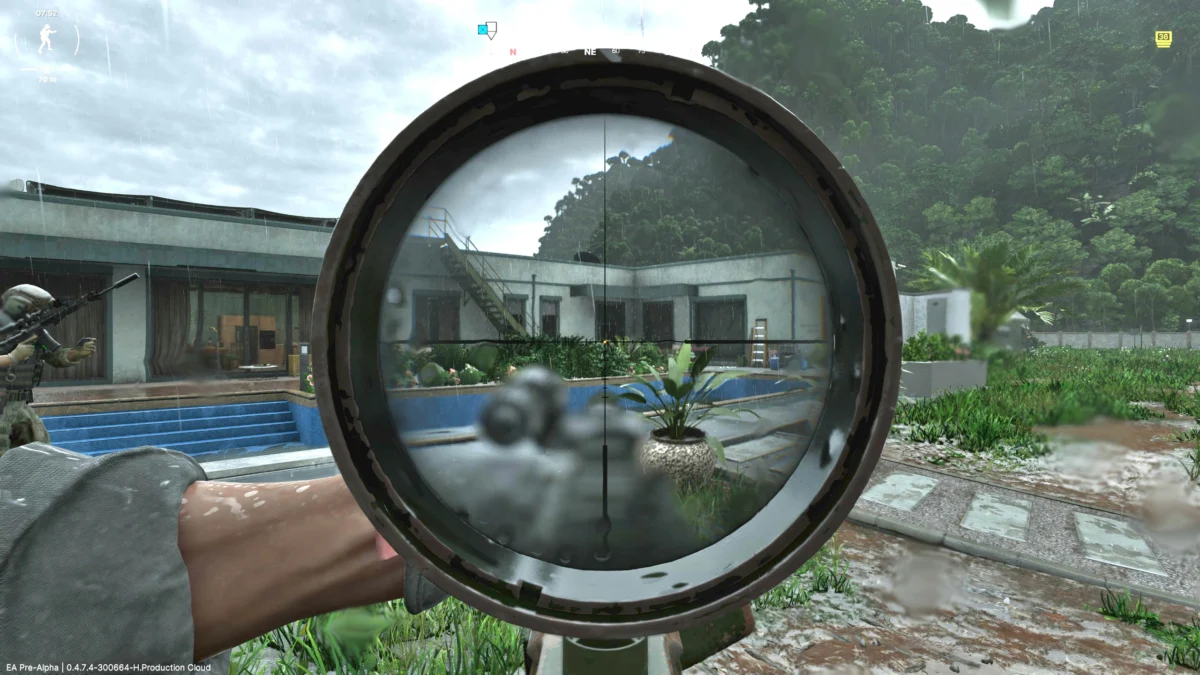
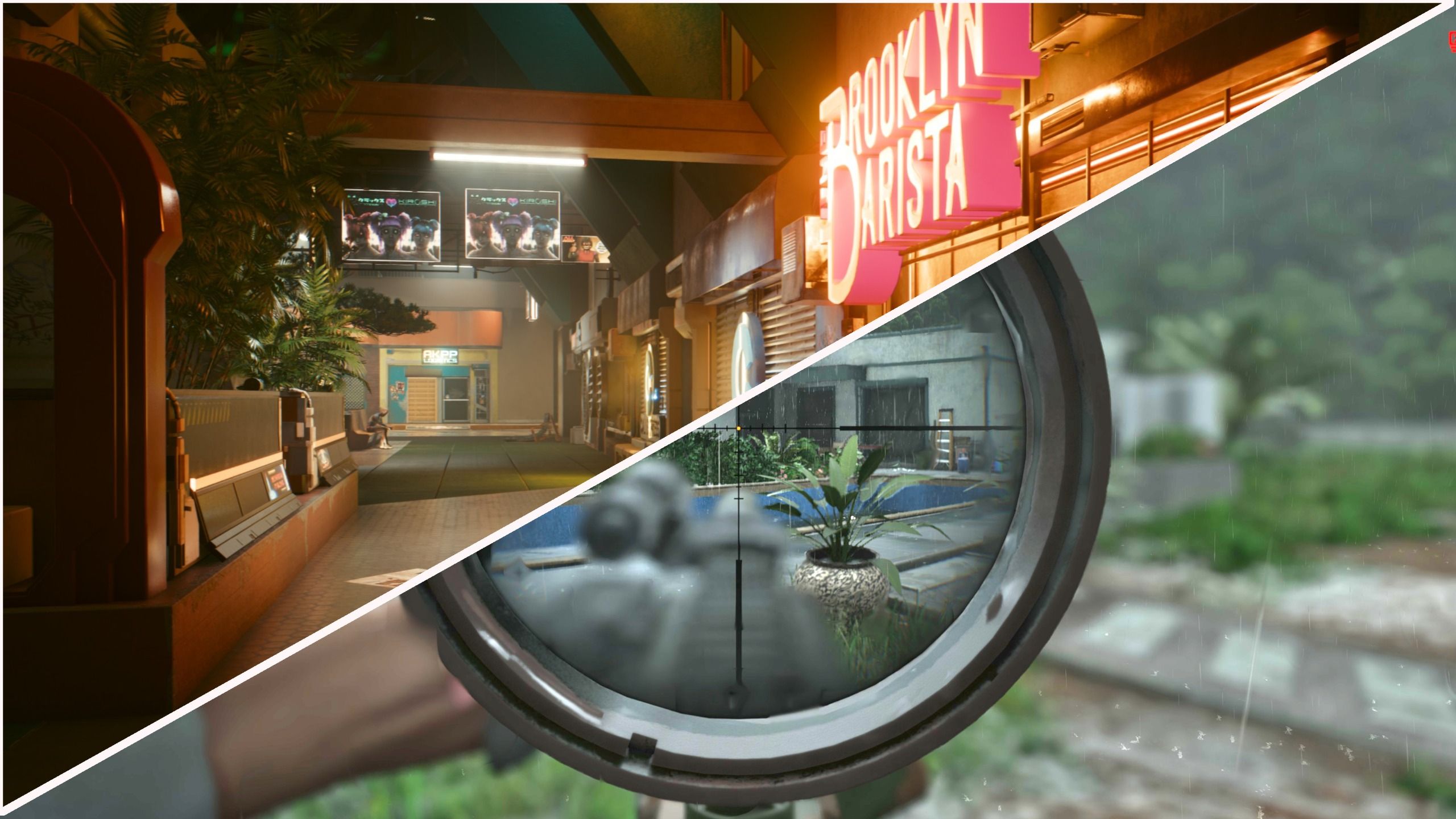
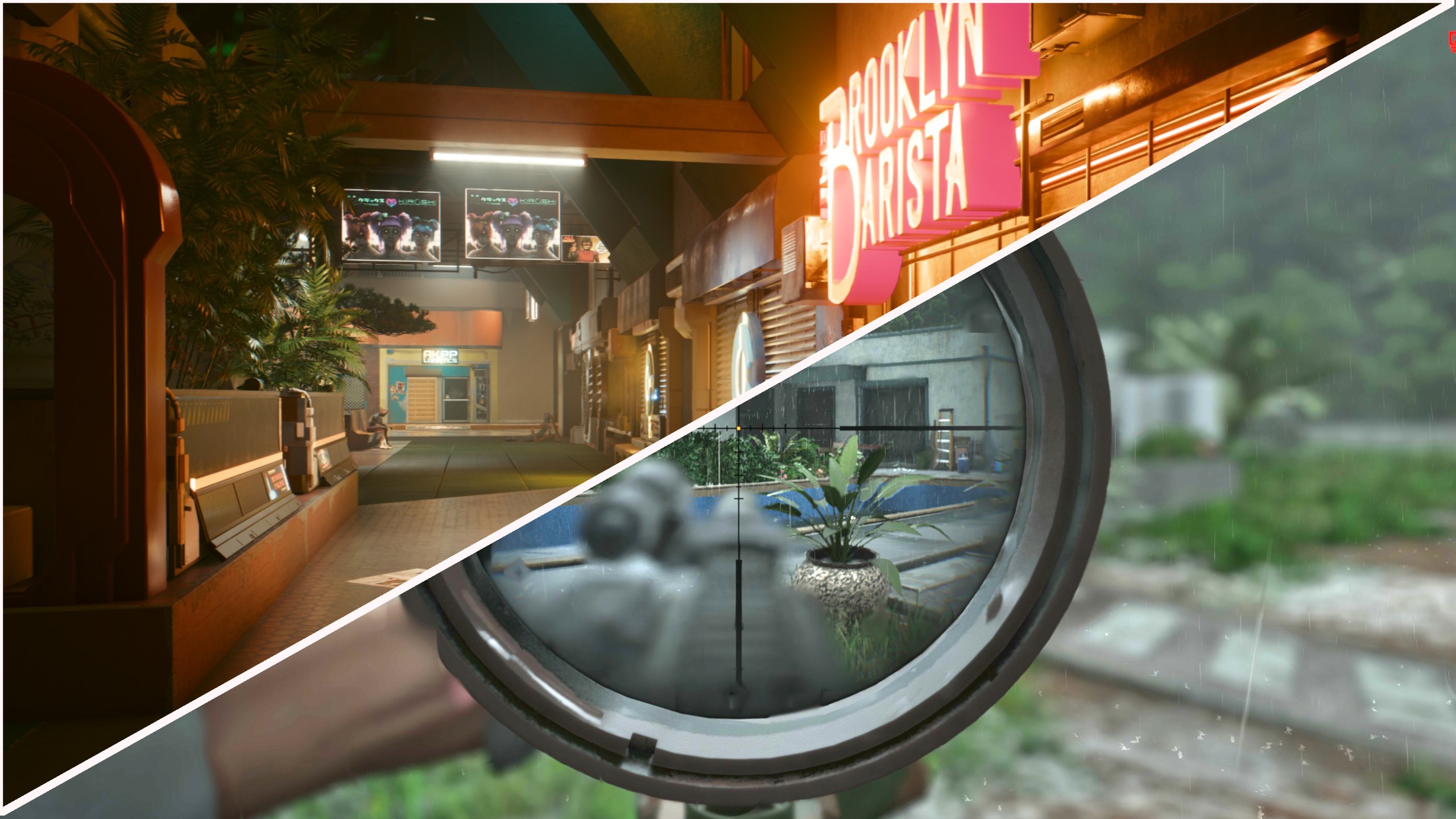
Often seen in First-Person Shooters (FPS) like Gray Zone Warfare, DoF mimics the physical limitations of a camera lens. When you aim down your sights (ADS), the background blurs, simulating a focal plane. Proponents argue it increases immersion; detractors argue it creates unnecessary visual clutter and induces eye strain during prolonged play sessions.
Vignette
Commonly found in titles like Cyberpunk 2077, a vignette darkens the corners of the screen to draw the player’s gaze toward the center. While effective in cinematic cutscenes, it can feel claustrophobic during gameplay, effectively shrinking the player’s field of view and making it harder to spot peripheral threats.
Motion Blur
Perhaps the most controversial of all. Designed to smooth out lower frame rates by smearing pixels in the direction of camera movement, it is often loathed by high-refresh-rate monitor users. For those playing at 144Hz or higher, motion blur often feels like a degradation of the crisp, fluid image they spent thousands of dollars to achieve.
Chromatic Aberration
This effect simulates the failure of a lens to focus all colors to the same convergence point. It creates a "color fringe" at the edges of objects. While it provides a "gritty" aesthetic, many gamers find it simply looks like a blurry, low-resolution mess that causes headaches.
Supporting Data: Why Gamers Turn Them Off
The PC gaming community is data-driven. When looking at performance metrics and accessibility, the arguments against these effects are grounded in more than just personal taste.
- Input Latency: While post-processing is generally "cheap" for a GPU to compute, excessive layers of filters can contribute to frame time inconsistencies.
- Visual Clarity: In competitive titles, "visibility" is a meta-stat. Anything that obscures the screen—be it bloom, film grain, or chromatic aberration—is statistically detrimental to performance.
- Physical Comfort: A significant portion of the player base suffers from motion sickness. Intense motion blur and aggressive depth of field are primary triggers for vestibular discomfort in first-person titles.
Official Responses and Developer Philosophy
Developers often defend these features as "artistic intent." In discussions with studio leads, the sentiment is consistent: they are building a world, not just a spreadsheet of pixels.
"We want the player to feel like they are inhabiting a filmic space," says a lead engine developer from a major AAA studio. "When we implement a vignette or chromatic aberration, we are trying to convey a specific tone—a sense of unease or technological decay. We recognize that power users want to strip these away for raw performance, but our goal is to maintain the integrity of the art direction as we conceived it."
Conversely, some developers have begun to offer more granular control. Titles that allow players to adjust the intensity of motion blur rather than just a binary "on/off" switch are becoming the gold standard, acknowledging that one size does not fit all.
The Implications for Future Game Design
The future of graphics settings lies in customization. As hardware continues to advance, the "one-size-fits-all" approach to visual effects is rapidly becoming obsolete. We are moving toward a paradigm where "Accessibility" and "Visual Fidelity" are not mutually exclusive.
If a developer forces a heavy vignette or blur effect without an option to disable it, they risk alienating a significant portion of their audience. The industry is trending toward transparency; gamers now expect a "settings menu" that acts as a toolkit, not a set of rigid instructions.
Conclusion: The Final Reckoning
Ultimately, the debate over post-processing is a reflection of the core dichotomy in PC gaming: the desire for an immersive, cinematic experience versus the desire for competitive, clinical perfection.
There is no "correct" way to play. If you enjoy the hazy, filmic quality of a game with all the bells and whistles enabled, you are playing as the developer intended. If you prefer to strip away the "hellspawn" effects to achieve a sharp, pixel-perfect view, you are playing as the hardware demands.
The most important takeaway from this debate is not which effect is better, but the importance of choice. As we look toward the next generation of gaming, the developers who provide the most robust, granular control over these effects will ultimately be the ones who satisfy the most players.
Now it’s your turn. Do you embrace the cinematic flair of bloom and depth of field, or is your first act in any new game to hit the settings menu and kill the post-processing? The debate continues in the comments.

