

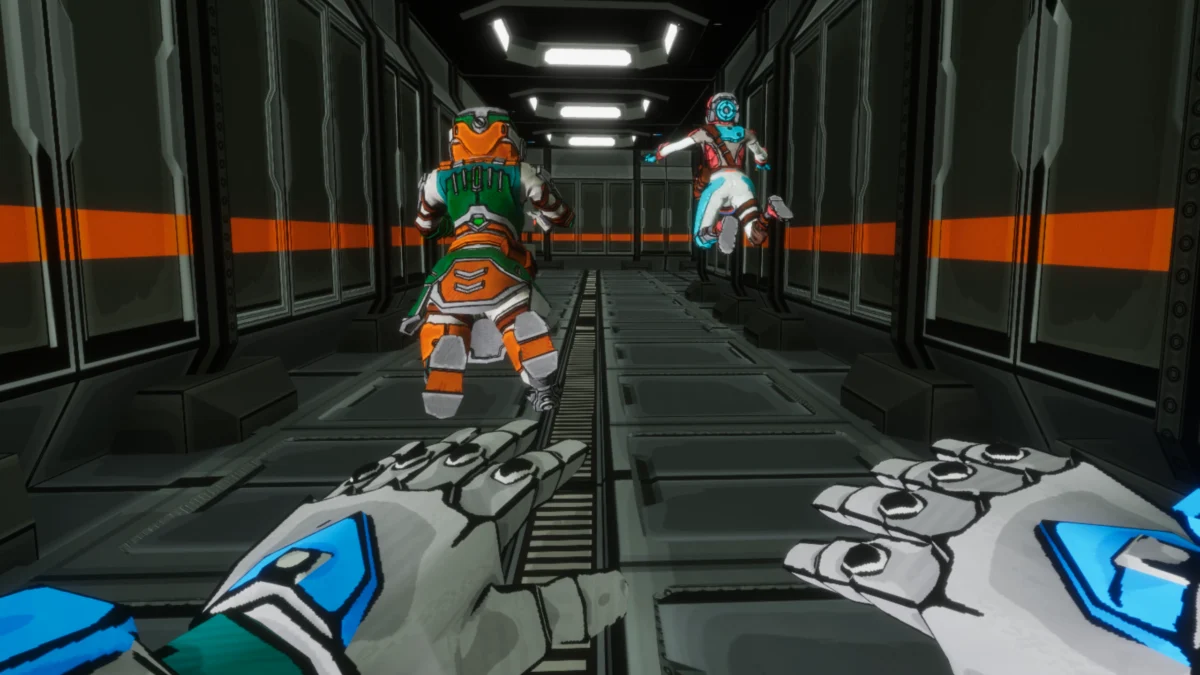
The virtual reality landscape has seen no shortage of roguelikes over the years, spanning dungeon crawlers, wave shooters, and fast-paced spatial action titles. Yet, developers continually find ways to innovate within the genre. Enter Singular Perception, an independent studio preparing to launch its ambitious space-faring co-op action roguelike, Sol Protocol. Designed from the ground up for multiplayer synergy, the game aims to redefine how players coordinate, survive, and conquer the cosmos together in a fully immersive environment.
While initial impressions suggest that Sol Protocol is a dense and occasionally overwhelming experience, peeling back its outer layers reveals a rock-solid foundation. As the virtual reality industry matures, titles that prioritize true cooperative dependency—rather than simply tacking multiplayer onto a single-player framework—stand out. Sol Protocol does precisely this, demanding seamless coordination, split-second decision-making, and absolute trust among crewmates.
Main Facts
- Game Sol Protocol
- Developer: Singular Perception
- Genre: Co-op Action Roguelike
- Platforms: Meta Quest 3/3S (Previewed) and Steam
- Early Access Release Dates: September 19, 2026 (Meta Quest); October 2026 (Steam)
- Pricing: $11.99 USD
- Core Mechanics: Multi-crew starship management (Captain, Pilot, Gunner), zero-gravity spatial movement, resource harvesting, upgrade systems, and randomized structural puzzles.
Chronology and Development Timeline
The path to Sol Protocol’s early access release has been marked by careful iteration and minor schedule adjustments. Developer Singular Perception initially targeted a mid-September debut for the Meta Quest platform before issuing a brief update.
- Late Summer 2026: Singular Perception announces final preparations for the early access rollout, showcasing early builds to select press and VR enthusiasts to gauge interest in its multi-crew mechanics.
- September 12, 2026: Technical previews and gameplay capture sessions highlight the game’s unique zero-gravity traversal and cockpit mechanics on the Meta Quest 3 hardware.
- Mid-September 2026: Singular Perception notifies media outlets, including UploadVR, of a minor scheduling shift. The official Meta Quest release date is nudged by two days, moving from September 17 to September 19, 2026.
- September 19, 2026: Sol Protocol officially launches into Early Access on Meta Quest 3 and Quest 3S hardware, priced accessibly at $11.99.
- October 2026 (Upcoming): The developer plans to expand the game’s reach by launching the Early Access version on Steam, opening the experience to PC VR users.
Supporting Data and Gameplay Mechanics
At its core, Sol Protocol is unapologetically focused on cooperative multiplayer. Solo players looking for a standalone experience will find virtually nothing here; the entire gameplay loop is structurally anchored to teamwork.
The Tri-Seat Cockpit Experience
Most of a crew’s playtime centers on operating their vessel from a cockpit equipped with three distinct stations:
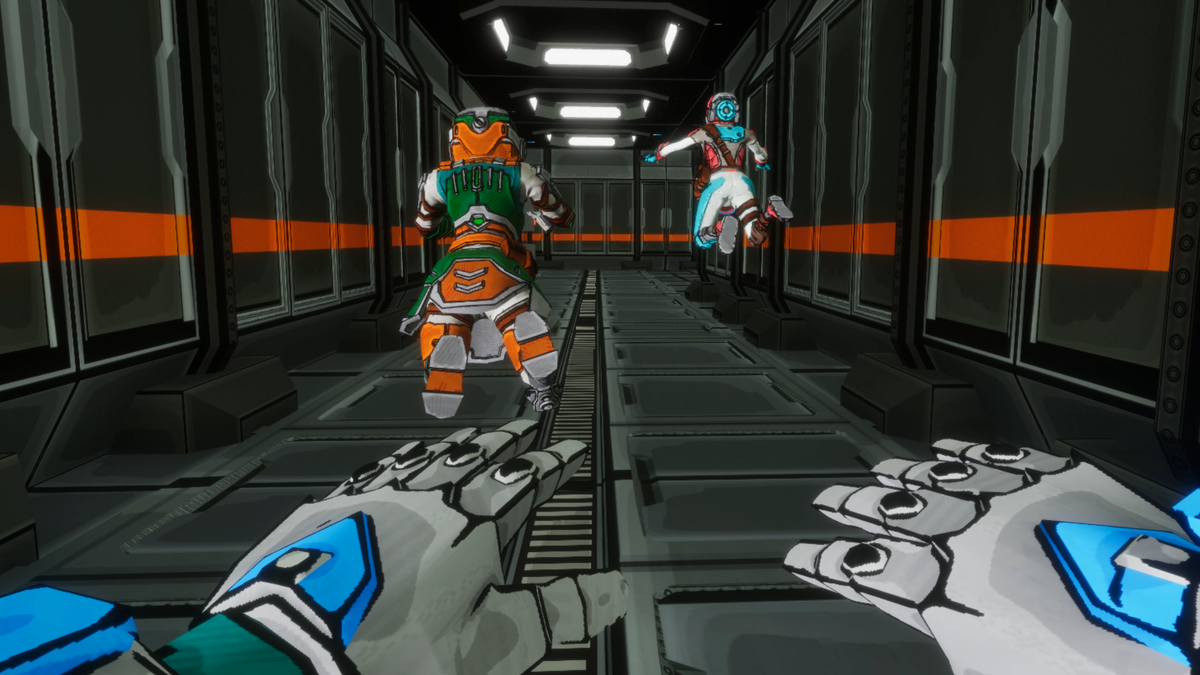
- The Captain: Tasked with resource and energy management. The captain must dynamically allocate the ship’s limited power reserves across vital sub-systems, including shields, main engines, warp drives, and offensive weaponry.
- The Pilot: Responsible for spatial navigation, steering the ship through hazardous star maps, and evading incoming hostile fire during high-stakes dogfights.
- The Gunner: Utilizes a specialized head-tracking visor to acquire targets, track fast-moving enemy vessels, and lay down suppressive fire.
The Gameplay Loop
Players begin by evaluating the star map to identify promising sectors and points of interest. Once a destination is selected, the captain allocates energy to the warp drive, the pilot aligns the vessel, and the jump is initiated.
Upon entering a new galaxy, the crew searches for vital resources, structural remnants, and potential threats. Salvageable materials include ship repair components, supplementary defense systems (such as auxiliary shields), and high-capacity energy cells. Installing these cells directly into the ship’s hold expands its maximum available power pool, allowing the crew to survive longer in more perilous, high-tier regions.
Zero-Gravity Traversal and Extravehicular Activity
When it’s time to leave the safety of the cockpit to scavenge wrecked crafts, derelict satellites, or mysterious floating structures, Sol Protocol shifts into an intense zero-gravity movement model:
- Strafe & Elevation: The left analog stick handles horizontal strafing, while the right stick utilizes boosters for vertical elevation changes.
- Rotation Controls: Face buttons on the left Quest controller adjust forward and backward pitch, while clicking either analog stick executes clockwise or counterclockwise rolls.
While navigating these environments, players must closely monitor their oxygen and health reserves—easily checked with a quick glance at their left wrist—while solving randomized movement puzzles inherent to deep space exploration.
Official Responses and Accessibility Features
Given the intense nature of zero-gravity simulation in virtual reality, motion sickness and spatial disorientation are primary concerns for developers. Singular Perception has proactively integrated several comfort features into the early access build.
Comfort and Customization Options
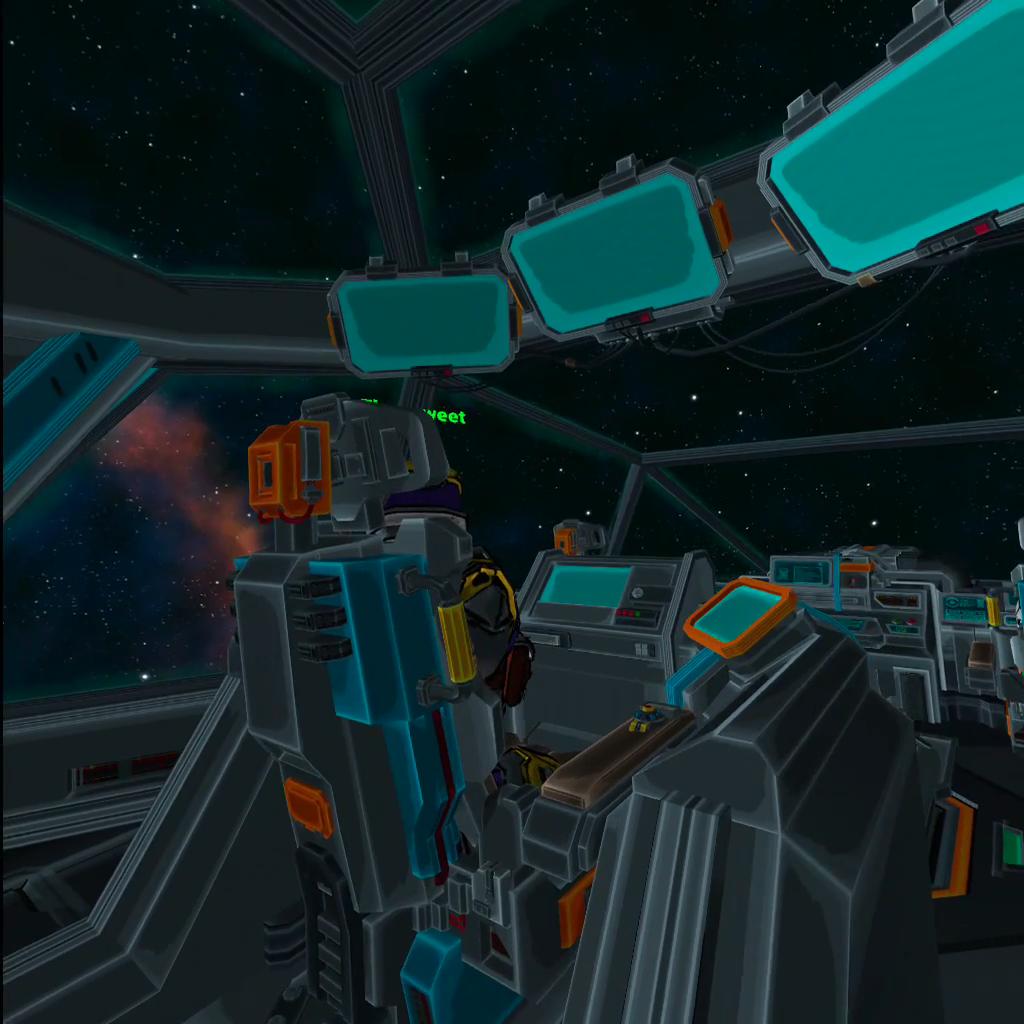
- Optional Vignetting: By default, the game implements dynamic peripheral darkening to mask sudden orientation changes, significantly reducing jarring visual feedback for players still adapting to VR movement.
- Turning Preferences: Users can seamlessly toggle between smooth locomotion and snap-turning to suit their personal comfort thresholds.
Technical Performance and Optimization Notes
Early previews of the Quest 3 build have drawn attention to both the game’s potential and its current technical hurdles. While Sol Protocol boasts clean art direction and an appealing aesthetic, performance in the current early access build leaves room for improvement. Reviewers have noted noticeable frame rate drops and occasional reprojection artifacts during heavy combat and complex spatial loading sequences.
Singular Perception has acknowledged that optimization is an ongoing priority, with performance patches anticipated in the coming weeks and months as community feedback rolls in.
Implications for the VR Roguelike Ecosystem
The release of Sol Protocol arrives at a fascinating crossroads for standalone and PC-accessible virtual reality. By demanding strict cooperation and leaning heavily into role-dependent mechanics, Singular Perception is carving out a distinct niche that distances itself from generic wave shooters.
1. Re-Evaluating Cooperative Design
Many multiplayer VR games attempt to accommodate both solo and group play, often diluting the design to make single-player viable. Sol Protocol takes the opposite approach, treating teamwork not as an optional mode, but as the fundamental physics of its universe. If a crew lacks communication or fails to balance energy distribution under fire, failure is swift and absolute. This design philosophy could inspire future VR titles to embrace radical interdependence.
2. Micro-Budget Early Access Viability
At a price point of $11.99, Sol Protocol lowers the barrier to entry for early adopters willing to weather rough performance edges in exchange for ground-floor participation. The success of its Quest launch in September, followed by the upcoming Steam release in October, will serve as a crucial barometer for how budget-friendly, highly cooperative indie VR titles perform in a crowded marketplace.
3. Technical Iteration as a Standard
As developers continue to push standalone hardware like the Meta Quest 3 and 3S to their absolute limits, balancing visual fidelity with stable frame rates remains a persistent challenge. How swiftly Singular Perception can resolve the frame drops and reprojection issues noted in early previews will set an important precedent for other independent studios aiming to deliver complex, multi-crew experiences on mobile-powered VR chipsets.
As Sol Protocol establishes its foothold in Early Access, the VR community will be watching closely to see how Singular Perception expands upon this promising, gravity-defying foundation.

