

Main Facts
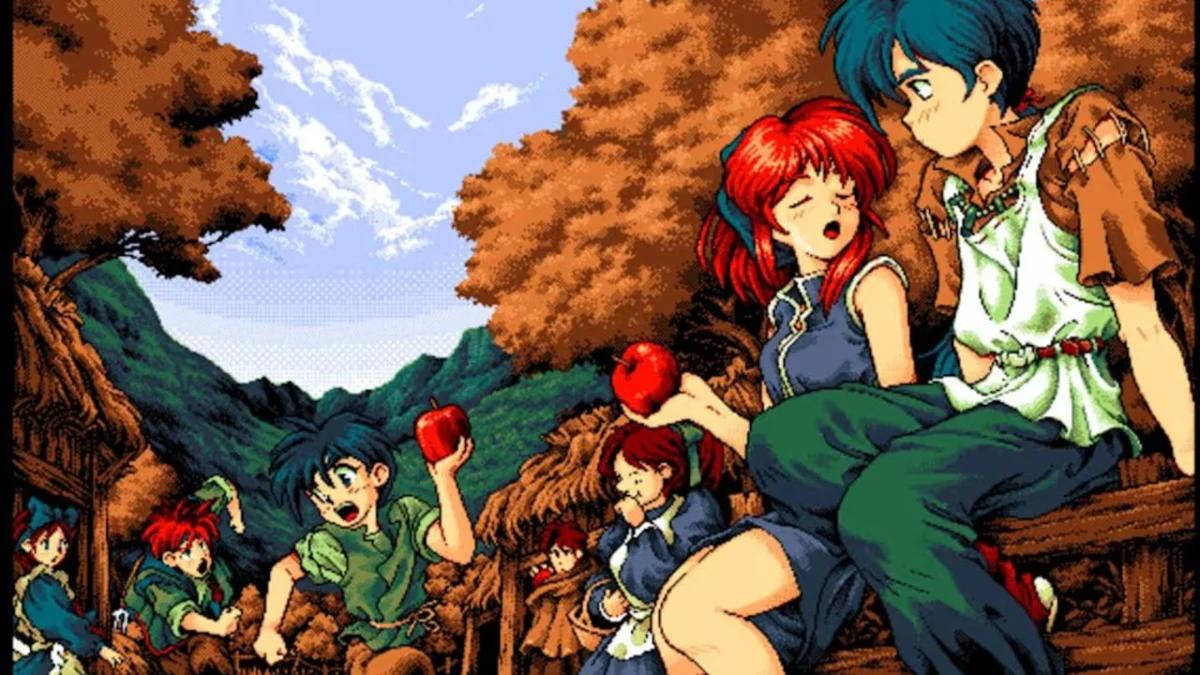
In a surprising and deeply nostalgic announcement for fans of classic Japanese Role-Playing Games, publisher Neowiz—the creative force behind the critically acclaimed Soulslike hit Lies of P—has partnered with legendary developer Nihon Falcom. Together, they are embarking on a major "revival and recreation" project of the 1994 cult classic The Legend of Heroes 3: The White Witch.
Slated for release across modern PC and home console platforms at an as-yet-undisclosed date, this upcoming project aims to breathe new life into a title that has been largely inaccessible to mainstream Western audiences for nearly two decades. While official details regarding the scope of the recreation—whether it will be a full-scale 3D remake or a polished HD-2D style remaster—remain tightly under wraps, Neowiz has confirmed that the goal is to deliver an updated adaptation that respects the emotional core of the original release while making it playable for a contemporary audience.
For longtime fans of Japanese RPG history, the project is a dream come true. The White Witch has languished in relative obscurity outside of Japan, plagued by confusing localization histories, platform limitations, and a release order that tied the hands of English-speaking players. Now, thanks to Neowiz’s investment, one of the foundational pillars of the broader The Legend of Heroes franchise is finally getting the modern spotlight it deserves.
Chronology: A Tangled Historical Timeline
To understand why this revival is such a momentous occasion for the gaming community, it is necessary to untangle the messy, labyrinthine chronology of The Legend of Heroes series, particularly how its early entries made their way (or failed to make their way) to Western shores.
The Early Days of Nihon Falcom (1989–1994)
- December 1989: Nihon Falcom releases Dragon Slayer: The Legend of Heroes for the NEC PC-8801. While technically part of the broader Dragon Slayer series, this title proves so popular that it spawns its own standalone franchise, The Legend of Heroes.
- 1992: The Legend of Heroes II: Prophecy of the Moonlight Witch (known in Japan simply as The Legend of Heroes II) launches, continuing the narrative foundation of the early universe.
- March 1994: The Legend of Heroes III: The White Witch launches in Japan on the PC-9801. Developed as the final chapter of the "Gagharv Trilogy," the game is universally praised for its emotionally resonant storytelling, memorable characters, and atmospheric world-building. It is later ported to systems like the Sega Saturn, PlayStation, and Microsoft Windows.
The Western Localization Nightmare (2005–2006)
- 2005: North American publisher Bandai releases The Legend of Heroes IV: A Tear of Vermillion in the West. However, due to localization oversight and a misguided attempt to rebrand the series for Western audiences, the game is stripped of its numeral and released simply as The Legend of Heroes.
- 2006: The actual third game in the trilogy—The Legend of Heroes III: The White Witch—finally receives an official English translation and release in North America. Because the fourth game arrived first bearing the parent series’ name, the third game is ironically and confusingly titled The Legend of Heroes II on the PlayStation Portable (PSP).
The Modern Era and Platform Purgatory (2010s–Present)
- Following the PSP release, the official English localization of The White Witch becomes trapped on Sony’s aging handheld hardware. Physical UMD copies command high prices on the aftermarket, and the digital version becomes increasingly difficult to access as PlayStation Storefronts shift across generations.
- In Japan, D4 Enterprise eventually brings a retro port of the original PC version to the Nintendo Switch eShop via their EGGCONSOLE series, but it includes only Japanese text with optional English menu translations.
- Today: The official English localization remains confined to the PSP, and online fan communities have frequently debated the awkward phrasing and translation quirks of that 2006 release. Neowiz’s upcoming project officially breaks this decades-long deadlock.
Supporting Data: Understanding the Context and Scale
To contextualize the importance of this announcement, one must examine the current landscape of the JRPG genre, the legacy of Nihon Falcom, and the track record of Neowiz.
The Gagharv Trilogy Connection
- The White Witch is the centerpiece of the Gagharv Trilogy, which comprises:
- The Legend of Heroes III: The White Witch (1994)
- The Legend of Heroes IV: A Tear of Vermillion (1996)
- The Legend of Heroes V: Cagesong of the Ocean (1999)
- Though these games predate the modern Trails series (Trails in the Sky, Trails of Cold Steel), they established the deep lore, detailed world-building, and character-driven narratives that define Nihon Falcom’s development philosophy to this day.
The Rise of Modern JRPG Remakes
- The announcement arrives during a golden age for retro JRPG revivals. Square Enix set a high-water mark with games like Final Fantasy VII Remake and the widespread adoption of the HD-2D aesthetic seen in Octopath Traveler.
- Concurrently, Nihon Falcom’s own modern iterations are enjoying massive critical acclaim. For instance, the remake series for Trails in the Sky—spearheaded by Trails in the Sky 2nd Chapter—has been dominating critical reception charts, frequently outperforming major Western and Japanese AAA releases upon launch.
Neowiz’s Strategic Expansion
- Historically known as a prominent South Korean publisher and developer of online and mobile titles, Neowiz achieved global critical and commercial breakthroughs with the release of Lies of P in 2023.
- By securing the rights to a treasured Nihon Falcom property, Neowiz is signaling a strategic pivot toward investing in globally recognized single-player narrative RPGs, bridging the gap between Korean publishing muscle and classic Japanese game development pedigree.
Official Responses and Statements
The announcement of the White Witch revival has generated significant excitement among industry watchers, underlined by statements highlighting mutual respect between the companies involved.
A representative for Neowiz issued a formal statement emphasizing the enduring legacy of the property and the studio’s dedication to honoring its roots while modernizing the experience:
"The White Witch has been cherished by RPG fans worldwide for over 30 years," reads the statement from a Neowiz spokesperson. "We want to bring a polished experience that recaptures the emotional experience of the original game, while inviting new and old players to immerse themselves in an updated adaptation. With this agreement, we are looking forward to building a strong partnership with Nihon Falcom."
While Nihon Falcom has historically handled its own publishing and licensing relationships with care—often partnering with companies like NIS America or XSEED for Western releases—handing a classic property over to a powerhouse like Neowiz marks an intriguing new collaborative chapter for the Tokyo-based developer. Fans are eager to see how Neowiz’s production values will elevate the timeless fantasy adventure originally envisioned by Falcom’s creators three decades ago.
Implications: What This Means for the Future of Classic JRPGs
The partnership between Neowiz and Nihon Falcom to recreate The Legend of Heroes 3: The White Witch carries several profound implications for the gaming industry, heritage preservation, and the future of the broader Legend of Heroes universe.
1. Breaking the Barriers of Retro Inaccessibility
For decades, many foundational milestones of the JRPG genre have remained locked behind archaic hardware, language barriers, or subpar localizations. By giving The White Witch a proper multi-platform "revival and recreation," Neowiz and Falcom are setting a powerful precedent. If this project succeeds, it could open the floodgates for similar treatments of A Tear of Vermillion and Cagesong of the Ocean, finally allowing the entire Gagharv Trilogy to be experienced globally in a uniform, high-quality format.
2. Broadening the Horizon for Neowiz
Following the triumph of Lies of P, Neowiz proved it could successfully construct a world-class action-RPG adhering to the rigorous standards of modern dark fantasy. Tackling a classic, dialogue-heavy, narrative-driven JRPG presents a completely different set of design challenges. Successfully navigating this project will cement Neowiz not just as a one-hit wonder in the Soulslike genre, but as a versatile, premier global publisher capable of handling treasured historical IPs with grace and reverence.
3. Deepening Appreciation for the Trails Lineage
Many modern fans of the Trails series—such as Trails through Daybreak or Trails into Reverie—may be entirely unaware of the roots from which their favorite sprawling universes grew. By bringing The White Witch back into the public consciousness, developers have an unprecedented opportunity to educate a new generation of gamers on the evolutionary history of turn-based and tactical combat, atmospheric storytelling, and serialized character arcs.
As the industry awaits further details, gameplay trailers, and a concrete release window, one thing is certain: the legacy of The White Witch is far from frozen in the past. With Neowiz and Nihon Falcom joining forces, this 30-year-old masterpiece is poised to charm a whole new generation of adventurers.

