

Main Facts
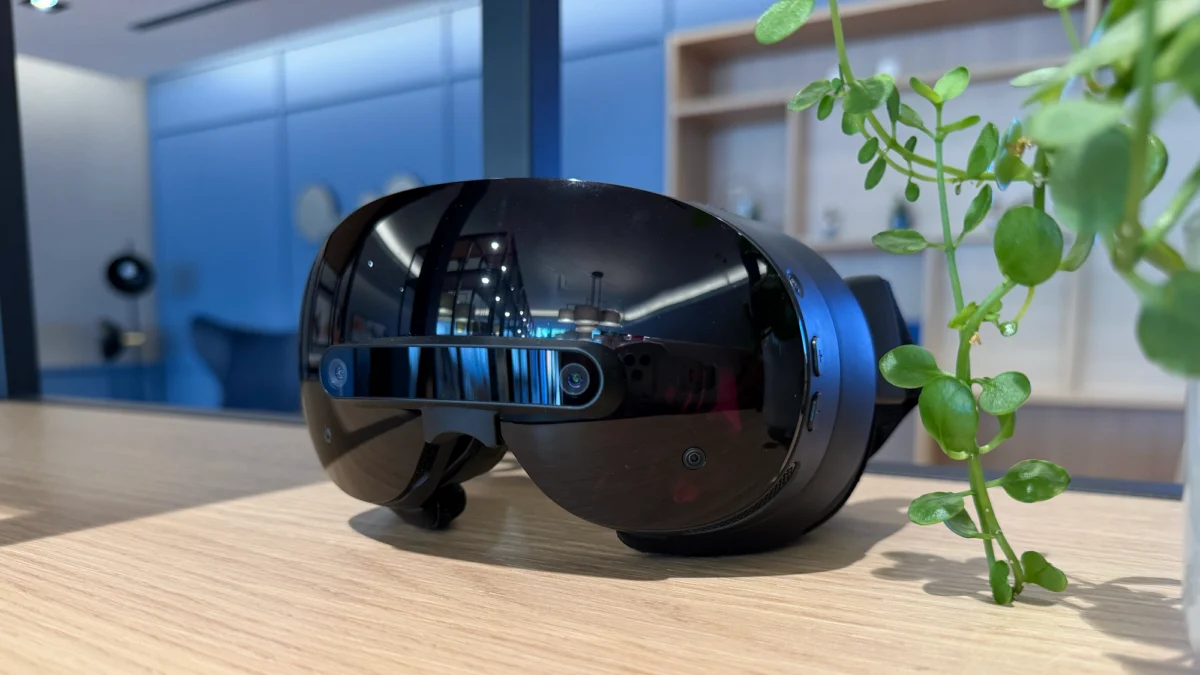
The landscape of virtual and mixed reality is undergoing a seismic shift with the arrival of Valve’s Steam Frame. Out of the box, the base headset ships with a serviceable yet basic monochrome passthrough—a grayscale view featuring a configurable tint that offers sharper angular resolution than the aging Meta Quest 2, though falling significantly short of the visual clarity provided by the Quest 3 and lacking true color capabilities entirely.
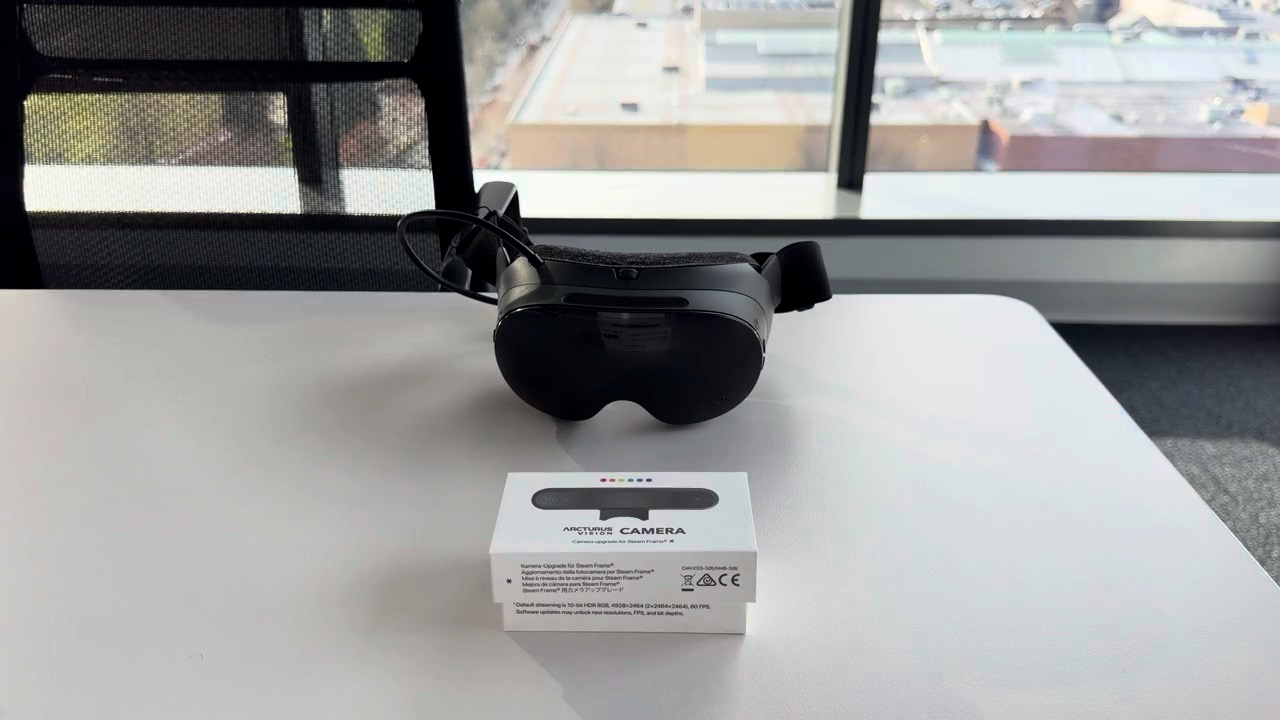
Enter the Arcturus Vision Camera, a featherlight $149 hardware peripheral developed by startup Arcturus Vision (formerly known as Arcturus Industries). Weighing a mere 10 grams, this compact accessory physically attaches directly to the Steam Frame’s built-in PCI-E expansion port. Once connected, it fundamentally upgrades the host device by introducing high-fidelity, true-color 6-megapixel-per-eye passthrough.
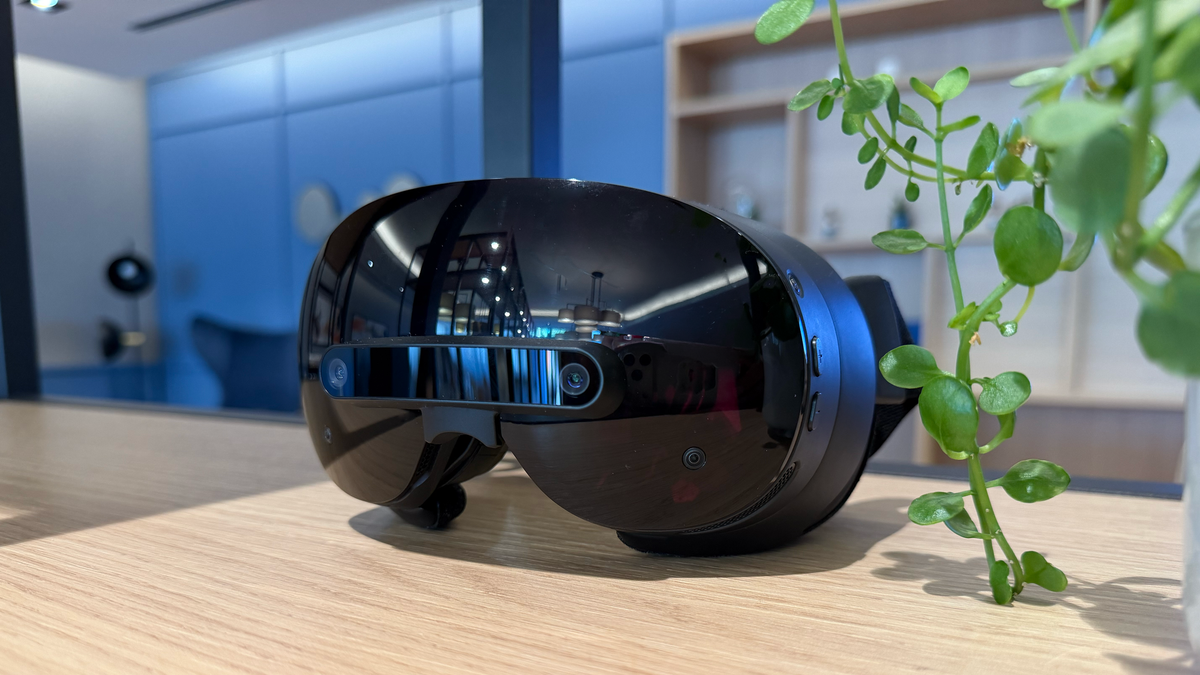
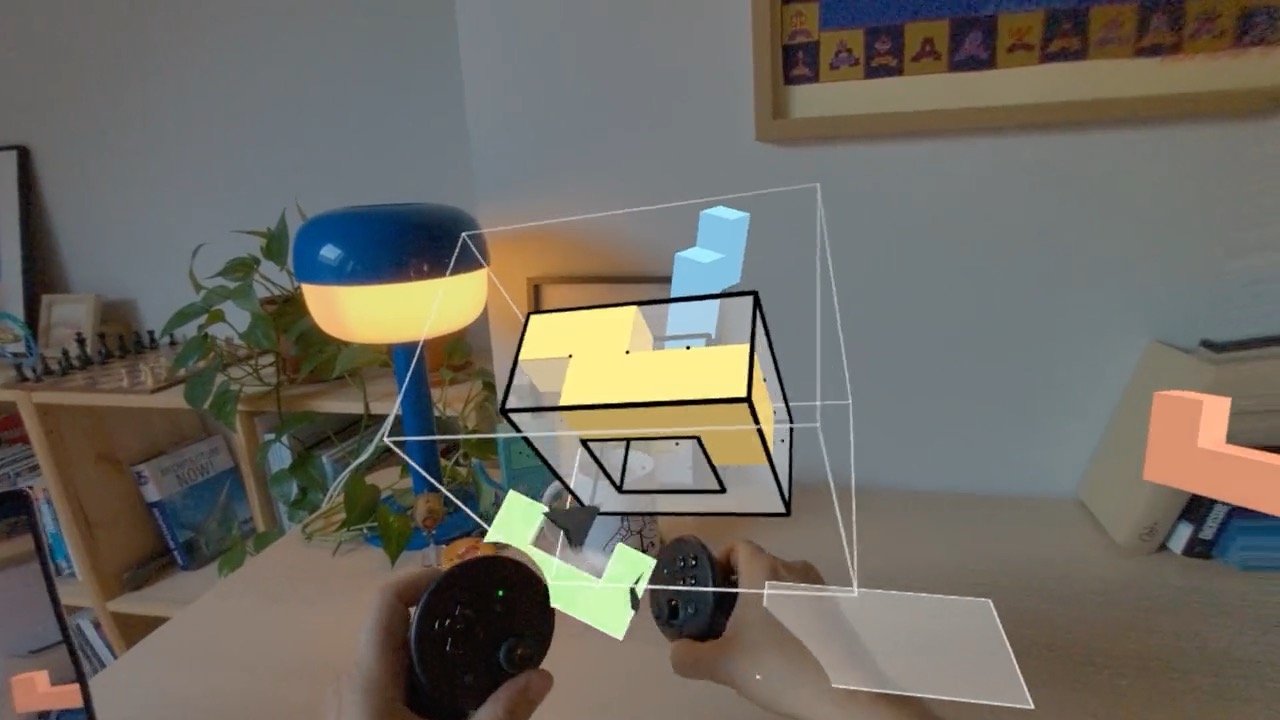
Beyond merely correcting the lack of native color passthrough in the Steam Frame’s home environment and mixed reality titles like Cubism, Puzzling Places, and Table Space, the Arcturus Vision Camera acts as a powerful spatial recording suite. It empowers users to capture tracked 3D stereoscopic video and natively view advanced 3D Gaussian splats, bridging the gap between consumer-grade VR and professional-grade spatial computing workflows.
Chronology: A Six-Year Hardware Partnership
To understand how the Arcturus Vision Camera came to fruition, it is vital to examine the longstanding, collaborative relationship between Valve and Arcturus.

- 2020: Arcturus first made waves in the XR community by collaborating with Valve on an innovative project for the Valve Index. By integrating specialized software and depth-sensing configurations, the companies brought a depth-correct 3D passthrough mode to the legacy tethered headset, proving that community-driven and startup-led hardware integrations could dramatically extend the lifespan and capabilities of Valve’s ecosystems.
- Early 2026: Valve officially unveiled the pricing structure for the Steam Frame, opened registration reservations, and confirmed that every unit would bundle a standalone-capable version of the critically acclaimed Half-Life: Alyx. However, early technical deep-dives revealed that Valve had opted for a monochrome grayscale passthrough solution to preserve internal processing overhead and hit aggressive pricing targets.
- Late 2026: Recognizing a clear market demand for a true-color alternative, Arcturus Vision finalized its strategic partnership with Valve to launch the Arcturus Vision Camera. Designed specifically to exploit the Steam Frame’s hardware architecture via its PCI-E expansion slot, the peripheral launched alongside proprietary companion software on Steam, immediately establishing itself as the premier hardware upgrade for the ecosystem.
Supporting Data and Technical Specifications
The Arcturus Vision Camera is a masterclass in hardware miniaturization. Despite weighing just 10 grams, it packs dual 32-megapixel Sony RGB sensors spaced 64 milimeters apart, closely mirroring the average human interpupillary distance (IPD) to ensure natural stereoscopic alignment. For real-time passthrough and recording, the system utilizes roughly a quarter of that raw sensor resolution to optimize processing pipelines.
To contextualize where the Steam Frame lands with and without the Arcturus peripheral, consider the following performance and hardware breakdown across major consumer headsets:
| Headset / Configuration | Passthrough Color Fidelity | Resolution per Eye (Megapixels) | Native Refresh Rate |
|---|---|---|---|
| Meta Quest 2 | Grayscale | 0.3 MP | 72Hz / 90Hz |
| Meta Quest Pro | Colorized Grayscale | 1.3 MP | 90Hz |
| Valve Steam Frame (Base) | Grayscale (Tintable) | 1.3 MP | 90Hz |
| Meta Quest 3 | True Color | 4.0 MP | 90Hz / 120Hz |
| Steam Frame + Arcturus Vision | True Color | 6.1 MP | 60Hz / 120Hz |
| Apple Vision Pro | True Color | 6.5 MP | 90Hz / 96Hz / 100Hz |
As the data highlights, the base Steam Frame sits firmly in the entry-to-mid tier regarding passthrough fidelity. However, when paired with the Arcturus Vision Camera, the device leaps past the Meta Quest 3, rivaling the fidelity of elite spatial computing headsets like the Apple Vision Pro while maintaining an open, PC-tetherable, and SteamOS-driven infrastructure.
Recording Performance and Limitations
In terms of capture capabilities, the companion Arcturus Vision Camera app on Steam enables users to record:
- High-Quality Cinematic Mode: 2464 × 2464 per eye (6MP total) at 60fps utilizing 10-bit HLG HDR.
- High-Frame-Rate Mode: 1232 × 1232 per eye (1.5MP total) at 120fps.
Arcturus has issued a technical advisory regarding lighting constraints: running the passthrough and capture pipelines at higher refresh rates under artificial indoor lighting can occasionally introduce visual flickering or banding. Consequently, the developers recommend natural lighting environments to achieve optimal cinematic clarity. Furthermore, early hardware testing indicates that driving the extra external camera sensors places an additional load on the Steam Frame’s power system, creating a noticeable battery life tradeoff that users will need to manage during extended untethered sessions.
Official Responses and Ecosystem Integration
While Valve has not officially mandated the accessory, the hardware architecture of the Steam Frame—specifically the inclusion of an accessible PCI-E expansion port—strongly signals that Valve anticipated modular, third-party add-ons.

Representatives from Arcturus Vision have emphasized that the device was engineered to be completely plug-and-play. Upon physical installation, the Steam Frame automatically recognizes the peripheral, instantly routing the higher-bandwidth data streams into the operating system’s compositing layer. This allows the enhanced color passthrough to function seamlessly not just within dedicated mixed-reality applications, but also inside the Steam home environment and even while floating 2D flatscreen games (such as Portal) in a virtual window within your physical room.
Tracked 3D Video Capture & Stabilized Immersive Playback
One of the most innovative features championed by Arcturus is its approach to spatial video. While Apple and Meta capture stereoscopic memories, the Arcturus Vision Camera goes a step further by logging the exact, tracked physical coordinates of the headset during every single frame of a recording.
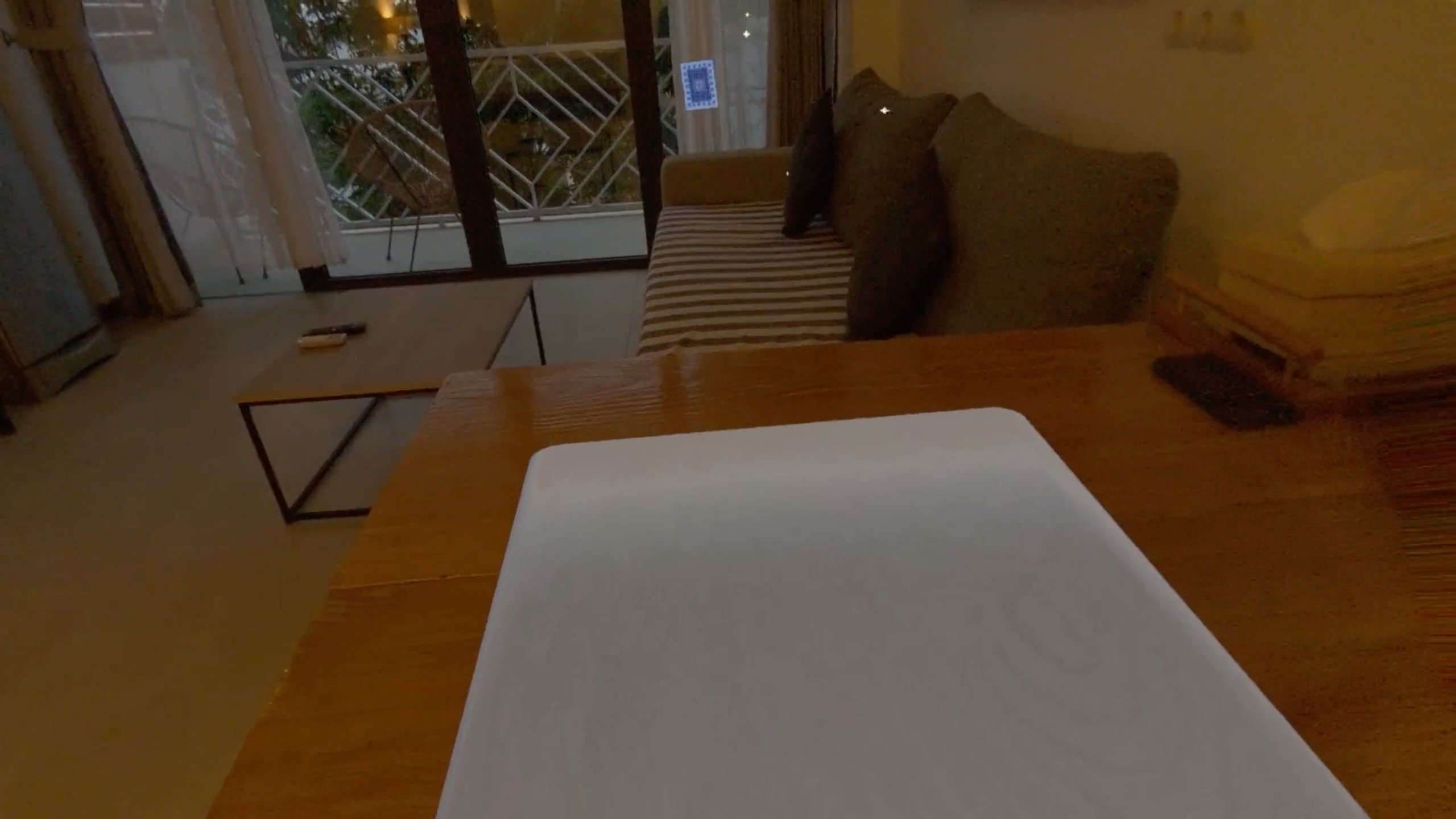
This unlocks a revolutionary viewing modality known as Stabilized Immersive Playback. Instead of watching a static 3D video file where your head movement feels artificially restricted or untethered from reality, the recorded 3D video dynamically moves and adapts around your viewpoint based on the actual recorded motion data of each frame. Early industry evaluators have hailed this as the most compelling realization of first-person 3D spatial video yet brought to market.
For users wishing to share their memories outside the Steam ecosystem, the startup provides the Arcturus Vision Sync tool. This utility transcodes captured files into formats compatible with the Apple Vision Pro, Meta Quest series, and other platforms, though exporting the file naturally strips away the proprietary Stabilized Immersive Playback metadata.
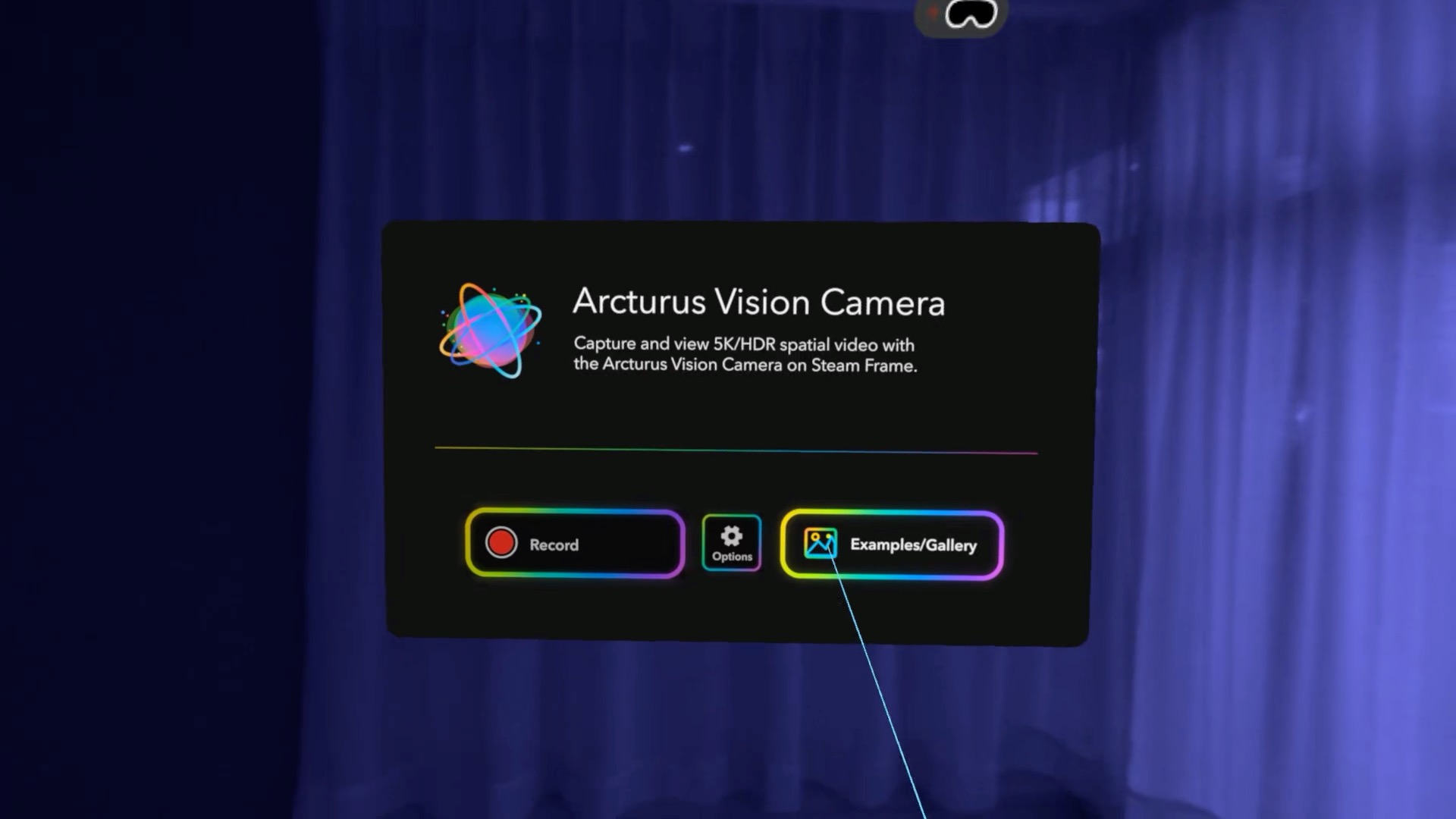
Gaussian Splatting and 3D XR Viewer
The continuous pose-tracking data logged during recordings also serves as a robust foundation for 3D Gaussian Splatting. While Arcturus does not currently offer a simplified, one-click mobile GUI pipeline comparable to Meta’s Horizon Hyperscape tool, they provide a powerful ecosystem alternative.
The company distributes Arcturus Vision Gaussian XR, an on-device viewer optimized explicitly for the Steam Frame. The application automatically scans internal storage directories to discover, catalog, and render .PLY and .SOG files directly in VR. For users wanting to generate their own splats from raw footage captured by the Arcturus camera, the company outlines a professional workflow leveraging open-source utilities running on a Linux workstation equipped with an Nvidia GPU.

Implications for the XR Industry
The release of the Arcturus Vision Camera carries profound implications for the trajectory of the Steam Frame and the broader modular VR hardware market.
- Modular Upgradability vs. All-in-One Constraints: Major headset manufacturers typically lock consumers into monolithic hardware cycles. If a user buys a headset with subpar passthrough, their only remedy is to purchase an entirely new device generational cycle later. By embracing a modular expansion port design and partnering with agile startups like Arcturus, Valve has demonstrated that consumer hardware can remain modular, adaptable, and long-lasting.
- Bridging PC VR and Standalone Mixed Reality: Historically, PC-focused VR platforms lagged behind standalone ecosystems (like Meta Horizon OS or visionOS) in mixed-reality integration, hand-tracking fidelity, and spatial video features. By injecting enterprise-grade color sensors and spatial capture utilities into the Steam ecosystem for a modest $149 price point, Arcturus effectively closes this feature gap overnight.
- The Battery Management Dilemma: As headsets become more versatile, power consumption remains the ultimate bottleneck. The admission that the Arcturus Vision Camera impacts an already stretched battery life profile highlights the ongoing engineering compromises required in standalone computing. Future iterations of modular accessories will undoubtedly need to explore pass-through charging or auxiliary battery attachments built directly into the peripheral housing.
As professional reviewers and early adopters continue to put the Steam Frame and the Arcturus Vision Camera through rigorous real-world testing, one conclusion is already clear: for anyone investing in Valve’s latest hardware ecosystem who values pristine passthrough clarity, spatial video recording, and advanced Gaussian splat exploration, the Arcturus Vision Camera is rapidly transitioning from a nice-to-have gadget into an absolute necessity.

