

Main Facts
- Game Fire Emblem: Fortune’s Weave
- Developer: Intelligent Systems
- Publisher: Nintendo
- Platform: Nintendo Switch 2
- Review Score: 8/10
- Total Playtime: 161 hours for a full completionist playthrough
- Setting: The land of Dagda, sharing a continuity with Fire Emblem: Three Houses
- Core Structure: Split across four protagonist paths (Cai, Dietrich, Theodora, and Leda) participating in the Heroic Games in the capital of Dagsion five years prior to the main apocalyptic threat of the underworld lord Balor.
Chronology of an Epic: From Setup to Burnout
When evaluating modern role-playing games, a distinct category has emerged: the "super game"—massive, structural behemoths engineered to consume a player’s free time for months on end. While the genre sweet spot typically hovers between 80 and 100 hours, Fire Emblem: Fortune’s Weave shatters that ceiling entirely. Clocking in at a staggering 161 hours for a complete playthrough, it stands as arguably the longest and most mechanically complex tactical RPG in the franchise’s storied history.
The journey begins with the creation of a customizable Avatar tasked with pulling an apocalyptic world back from the brink of despair. Following a concise tutorial, players are thrust backward in time into the capital city of Dagsion. Here, the narrative splits into four distinct paths centered on the "Flame Lords": Cai, Dietrich, Theodora, and Leda. Each protagonist competes in the Heroic Games—a tournament offering a wish to the victor—while attempting to correct causality and gather warriors for the ultimate campaign against the dark lord Balor.
The first leg of the adventure, the Heroic Games, represents the peak of the experience. Each protagonist’s individual path is tightly scoped—taking anywhere from 20 to 35 hours—and offers varied gameplay mechanics. Cai focuses on crafting and material gathering; Dietrich tracks down high-level dungeon bosses to duel for combat arts; Theodora utilizes a boat for overworld exploration and commands recruitable Battalions; and Leda leverages her status as a dancer to perform in towns and craft stat-boosting beverages.
However, as the game transitions into its second act, structural friction begins to show. While the tactical map design remains exceptional, players are tasked with repeating missions across multiple paths with minimal narrative divergence. By the final 15 hours of the 161-hour runtime, the immense density of the gameplay loop eventually exhausts its welcome, leading to a noticeable onset of late-game fatigue.
Supporting Data and Technical Performance
Visuals and Audio Integration
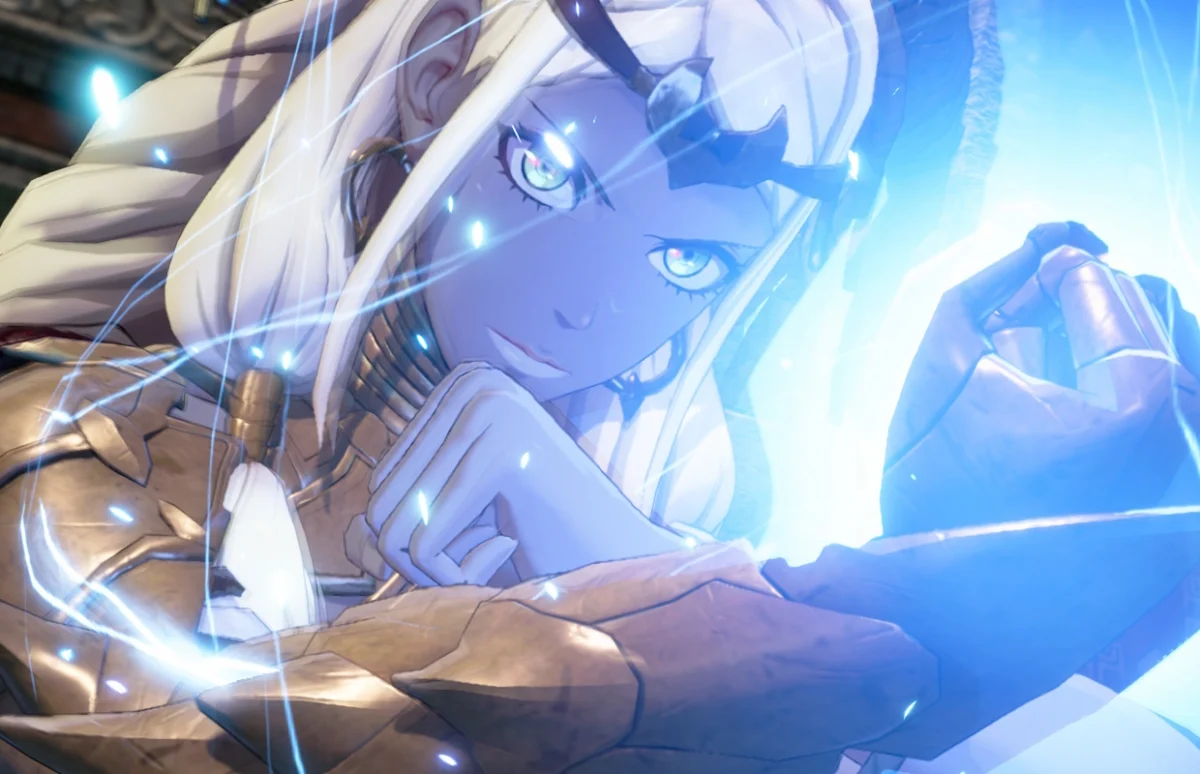
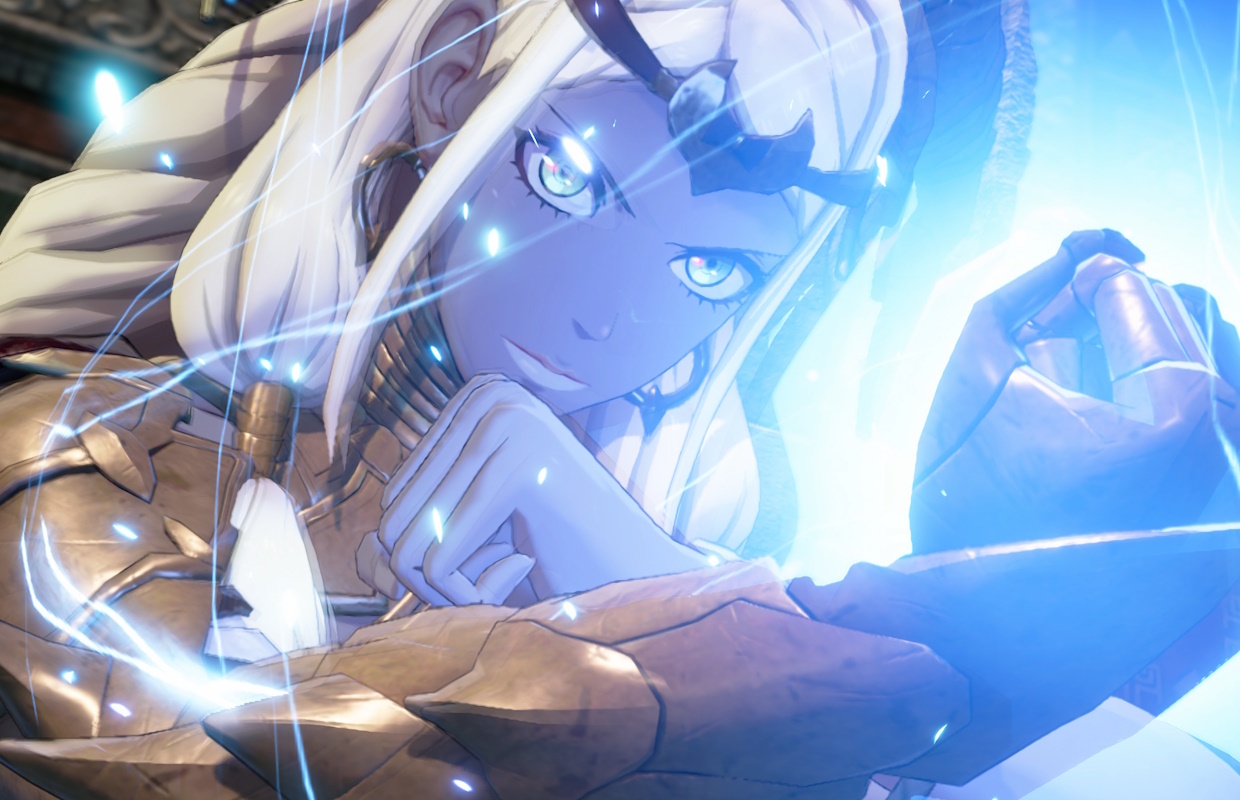
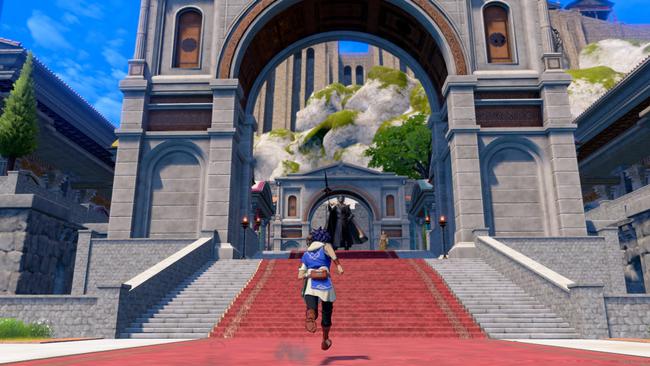
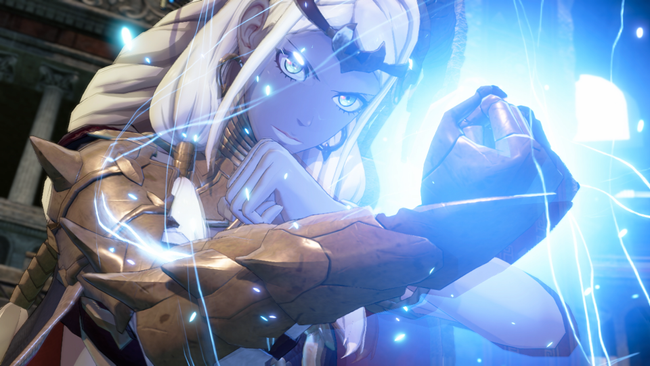
Leveraging the hardware capabilities of the Nintendo Switch 2, Intelligent Systems has delivered a gorgeous strategy RPG. Building on the artistic strengths of Three Houses and the technical cleanliness of Engage, Fortune’s Weave runs smoothly in both handheld and docked modes. Character artist Chinatsu Kurahana’s designs translate brilliantly into stylized 3D models. Environments are exponentially larger, maps feature grander scales, and loading times are kept to an absolute minimum.
Progression, Systems, and Renown
Progress is deeply tied to Renown, a currency and metric earned through good deeds, town exploration, and side quests. Recruiting mercenaries requires balancing Renown with specific Support levels achieved through meal sharing and gift-giving.
Furthermore, the game integrates a robust New Game+ equivalent via an in-memory achievement system. Points can be spent at the "Boons of Salvation" shop for bonuses like discounted shop items or up to a 50% experience gain rate increase.
Tactical Combat and Overworld Exploration
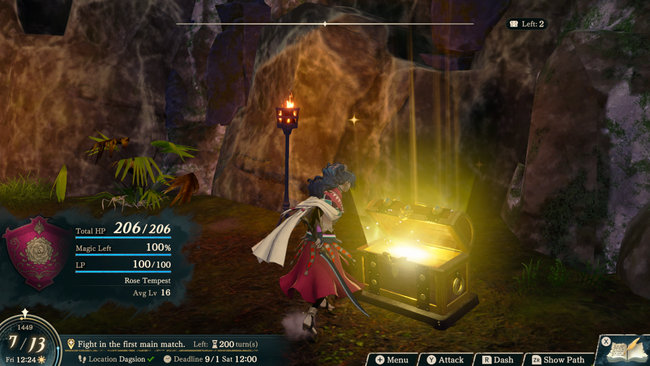
Fortune’s Weave blends traditional tactical grid-based skirmishes with overworld exploration reminiscent of classic RPGs. Players manage a turn-based free-time system in Dagsion, moving across a dot-connected map filled with dungeons, towns, and resource nodes.

- Dungeons: Taking cues from Shadows of Valentia, dungeons are streamlined 5-to-10-minute excursions utilizing turn-based combat where parties share a health pool and manage Limited Points (LP).
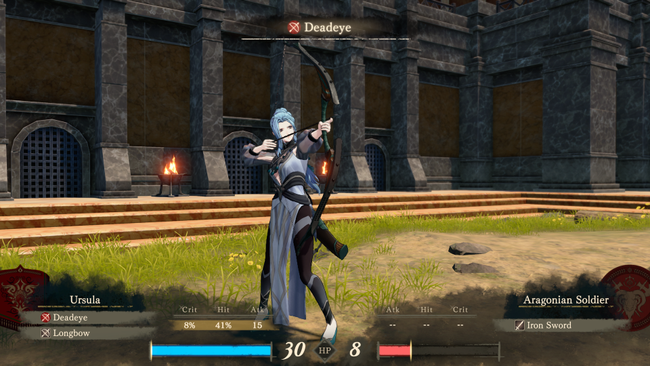
- Weapons and Classes: The traditional weapon triangle is replaced by a nuanced boon/bane system. Swords excel at follow-ups, spears counter cavalry, axes guarantee baseline damage, bows target flying units, and gauntlets boast high avoidance (AVO). Class seals purchased in towns facilitate deep customization across five equippable active skills per unit.
- Blaze Arts and Risk/Reward: Flame Lords feature a specialized "Blaze" meter. Pushing the meter into the "Overblaze" sweet spot grants buffs and extra skills, but overfilling it incurs health penalties, adding a thrilling risk/reward dynamic to combat.
Official Responses and Developer Intent
Intelligent Systems has been remarkably transparent regarding their design philosophies, particularly concerning the criticisms leveled at Three Houses. While Three Houses offered four massive routes, players frequently reported fatigue when attempting subsequent playthroughs due to identical mechanical flows and solved gameplay loops.
With Fortune’s Weave, the developers sought to address this by making individual routes shorter and mechanically distinct, while introducing an automated skip option for Part 2 missions to mitigate repetitive grinding.
Moreover, the studio took bold risks with the game’s lore, expanding significantly upon the world-building established in Three Houses—even introducing advanced technologies like laser guns into the fantasy setting. While these choices risk dividing long-term fans, they reflect a creative team eager to break free from traditional constraints.
Implications for the Fire Emblem Franchise
Fire Emblem: Fortune’s Weave represents an inversion of the strengths seen in its predecessor. Whereas Three Houses triumphed through its ideological drama, character dynamics, and political intrigue, its tactical gameplay felt secondary. Conversely, Fortune’s Weave delivers some of the most polished, challenging, and mechanically satisfying tactical gameplay in the series’ history, while stumbling with a disjointed and occasionally hollow main narrative.
Key Takeaways:
- Pacing and Scale: The game proves that the Nintendo Switch 2 can handle massive, sprawling SRPGs, but it also sounds a cautionary note regarding content bloat and late-game burnout.
- Narrative Ambition vs. Cohesion: While the character writing and individual party banters shine, the overarching plot suffers from awkward time skips and missing narrative connective tissue.
- Future Experimentation: Intelligent Systems’ willingness to alter core systems—such as removing the weapon triangle and introducing high-concept lore elements—signals that the franchise will continue to evolve unpredictably in future entries.
Ultimately, Fortune’s Weave earns an 8/10 as an exceptionally strong tactical RPG that demands immense patience, rewarding those willing to weather its structural excesses with some of the finest strategy gameplay available on modern hardware.

