

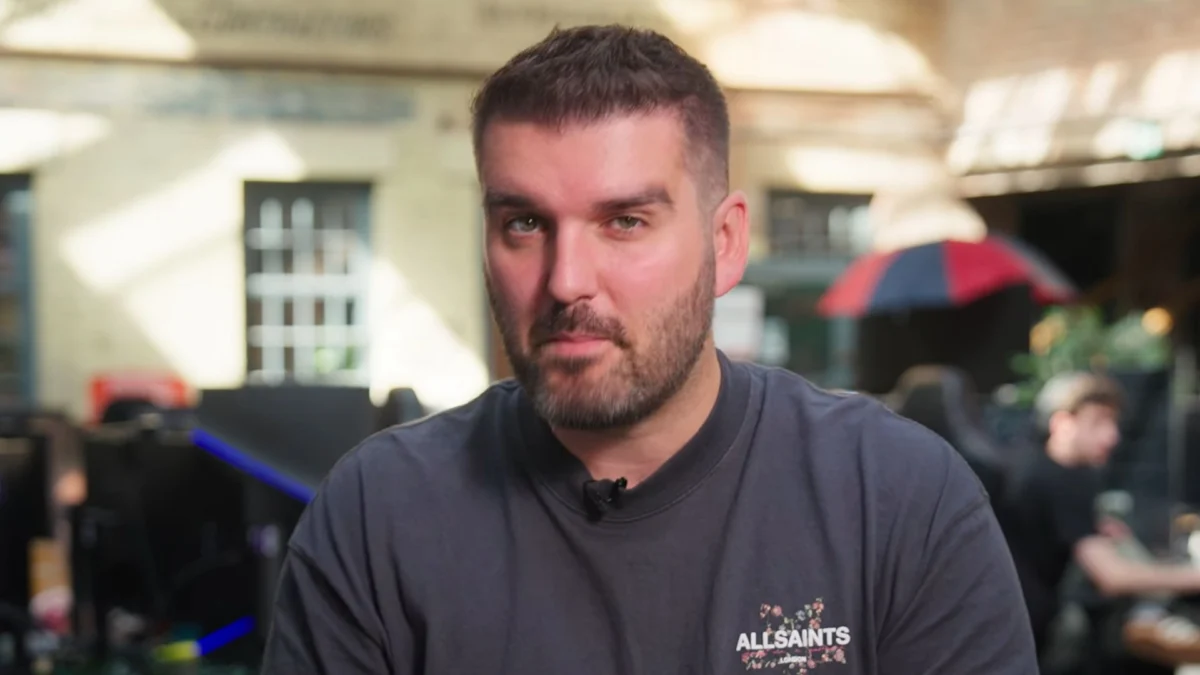
LONDON — The video game industry is once again reckoning with its deep-seated labor practices following candid, controversial remarks made by Bulkhead CEO Joe Brammer. In a recent appearance on The Game Business Show, Brammer openly defended his studio’s reliance on mandatory crunch, acknowledging that applicants who publicly criticize overwork on social media are systematically screened out during the hiring process.
The comments come on the heels of a massive commercial success for the independent studio, whose shooter title Wardogs—previously abandoned by Chinese tech giant Tencent—surpassed two million sales over its debut weekend. However, rather than inspiring universal celebration, the game’s launch has catalyzed a fierce debate across the games sector regarding management accountability, labor exploitation, and the romanticization of exhaustion.
Main Facts: The Controversy at a Glance
Bulkhead, an independent developer based in the United Kingdom, has found itself at the center of a public relations storm following CEO Joe Brammer’s interview with host Christopher Dring.
Key details of the situation include:
- The Hiring Screen: Bulkhead actively reviews candidates’ social media profiles. Individuals who post anti-crunch sentiment or argue that overwork should be eliminated are routinely rejected from the hiring pool.
- The Justification: Brammer argues that crunch is an inevitable reality at the studio, framing it as a measure of dedication. In his view, employees who care deeply about their craft will feel valued, while those who oppose mandatory overtime will feel "slave-driven."
- The Reality on the Ground: During the frantic launch window for Wardogs, team members reportedly prioritized the project over their family lives for three consecutive months. On launch day, Brammer shared footage of studio spaces featuring air mattresses deployed for employees working overnight to resolve server instability.
- The Pushback: Prominent developers, producers, and consultants took to platforms like Bluesky to condemn the comments, pointing to academic studies demonstrating that crunch decreases long-term productivity, damages morale, and reflects systemic management failures.
Chronology: From Tencent Abandonment to Viral Backlash
The trajectory of Wardogs and the subsequent labor controversy follows a high-pressure timeline marked by corporate pivots, frantic development cycles, and public missteps.
Phase 1: The Tencent Abandonment
Originally backed or associated with industry titan Tencent, the project that would become Wardogs faced significant turbulence when corporate strategies shifted, leaving the game effectively abandoned by its massive financial benefactor. Left without major publisher security, Bulkhead pivoted, reclaiming creative and operational independence to push the shooter across the finish line.
Phase 2: The Final Push and Launch Weekend
In the months leading up to release, the development team entered a brutal phase of mandatory overtime. Brammer later noted that the intensity required employees to sacrifice large portions of their personal and family lives for a consecutive three-month stretch. On launch day, Brammer posted studio tours on X (formerly Twitter) showcasing the "war room" environment, which included air mattresses laid out for staff pulling all-nighters to fix critical server infrastructure issues.
Phase 3: Commercial Triumph and the Podcast Confession
Wardogs defied expectations, racking up a staggering two million sales over its initial weekend on the market. Capitalizing on this momentum, Brammer appeared on The Game Business Show. During the interview, he detailed Bulkhead’s unorthodox and unapologetic approach to labor culture, admitting that anti-crunch advocates are actively filtered out of their recruitment pipeline.
Phase 4: Social Media Firestorm
Within hours of the interview’s publication and subsequent coverage by outlets like Game Developer, the comments circulated widely across industry spaces. Developers and industry veterans on Bluesky and X pushed back en masse, characterizing Brammer’s statements as an outdated and toxic defense of poor planning.
Supporting Data: The Human and Economic Cost of Crunch
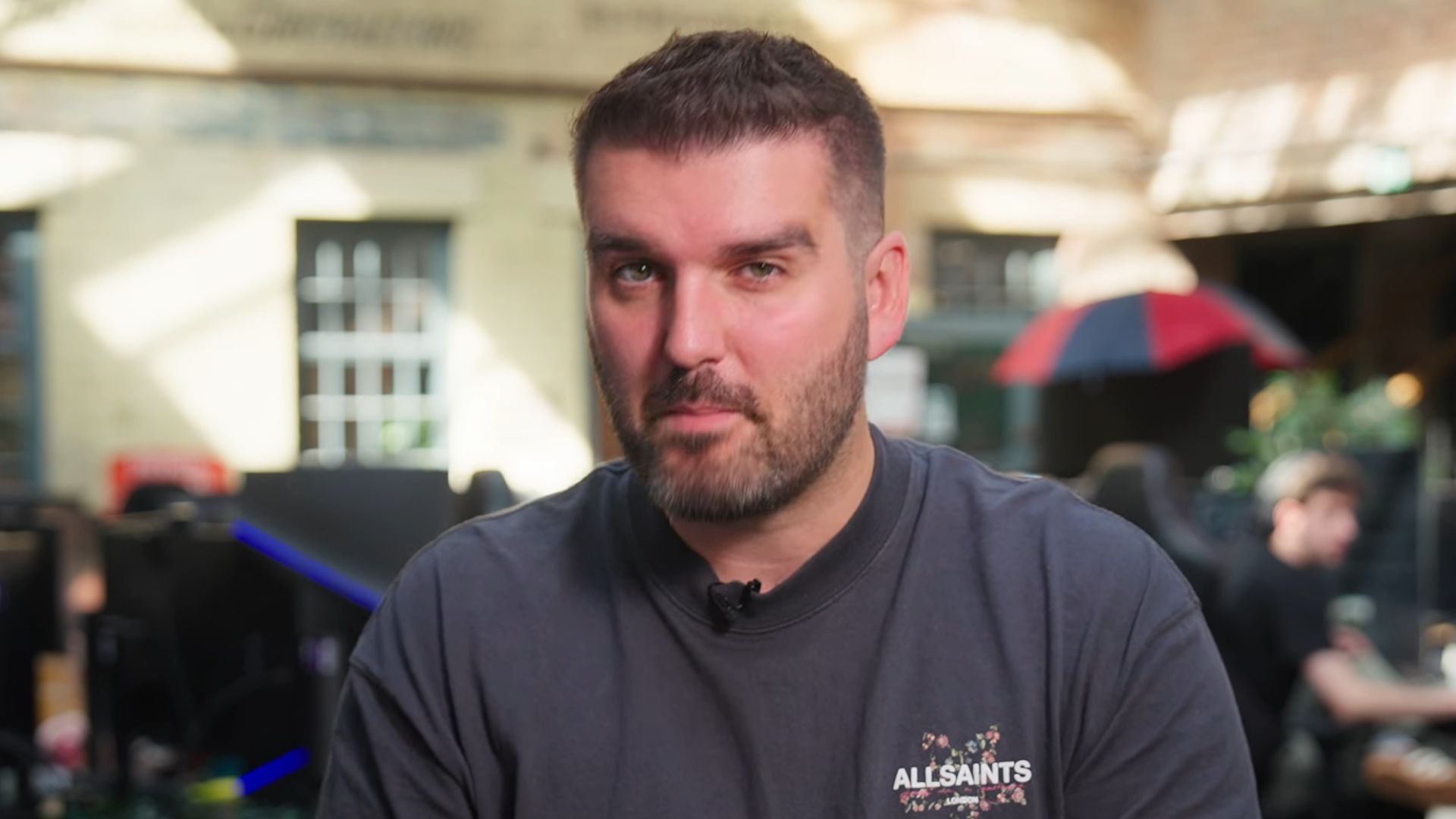
Brammer’s defense of crunch flies in the face of a decade’s worth of labor research, investigative journalism, and industry restructuring. Over the past ten years, outlets like Kotaku and PC Gamer have extensively documented the human toll of crunch culture across major studios—from BioWare and Rockstar Games to CD Projekt Red.
The industry has slowly recognized that chronic overwork leads to:
- Severe Burnout and Attrition: Talented developers frequently leave the games industry entirely after enduring consecutive crunch cycles, stripping studios of vital institutional knowledge.
- Diminishing Returns: Numerous peer-reviewed management and economic studies indicate that sustained overtime drastically reduces cognitive output, increases bug density, and ultimately harms long-term profitability.
- The Management Failure Factor: As industry critics have repeatedly pointed out, crunch is rarely a sign of passion; rather, it is a glaring symptom of poor scoping, unrealistic milestone planning, and absent producer leadership.
Despite offering financial incentives and bonuses to a subset of his staff to "balance the scales," Brammer’s policy suggests that monetary compensation is a sufficient trade-off for physical and psychological exhaustion—a premise that modern labor advocates firmly reject.
Official Responses and Industry Reactions
The reaction from the broader game development community was swift, unified, and overwhelmingly critical. Industry professionals used alternative social platforms like Bluesky to dismantle Brammer’s justifications point-by-point.
- bplane (Game Developer): Emphasized the empirical data disproving the efficacy of overwork, writing, "There’s an endless mountain of peer reviewed, double-blind studies that show this shit doesn’t work and negatively impacts profits, but the facade of looking like you’re a big tough special boy is more important."
- Nazih Fares (Producer and Consultant): Offered a succinct assessment of the root cause of the studio’s troubles, stating bluntly, "Tell me you need a producer without saying you need a producer."
- Michael Howe (Studio Gobo): Criticized the glamorization of exhaustion disguised as work ethic: "Imagine being proud of your attitude towards crunch and calling it ‘hard work.’ Crunch is a result of bad planning and poor management. This [interview] stinks of lies and excuses to drag devs through the grinder, may this kind of lead never find me."
Brammer, for his part, attempted to position Bulkhead’s approach as a form of transparent honesty. By advertising upfront that the studio demands intense dedication, he argued that employees know what they are signing up for. Furthermore, Brammer claimed to have pushed back against external pressures to rush the upcoming console ports, stating, "Everyone’s pushing us to get [the console version] out earlier, and we’ve said, ‘No, that’s not how it’s going to work. We can’t push them more.’"
However, critics were quick to note that drawing a line at console ports rings hollow when staff have already spent three months sacrificing their family lives and sleeping on office air mattresses to salvage a troubled PC launch.
Implications: What This Means for the Future of Independent Development
The Wardogs controversy highlights a deepening ideological rift within the video game industry. On one side are legacy-minded executives and founders who view game development as an existential, high-stakes crucible requiring personal sacrifice, grit, and round-the-clock devotion. On the other side is a growing movement of developers, unions, and advocates pushing for sustainable labor practices, mental health awareness, and humane working conditions.
For Bulkhead, the immediate future is financially secure following the runaway success of Wardogs. Yet, the studio’s aggressive stance on hiring—specifically the screening of applicants based on their social media history regarding labor rights—raises serious ethical and legal questions.
As the industry continues to professionalize and grapple with the dark history of crunch, statements like Brammer’s serve as a stark reminder that the fight for sustainable labor standards is far from over. While Wardogs may have won the sales race over its opening weekend, the long-term cost to Bulkhead’s reputation—and the broader cultural health of its workforce—may prove far more difficult to repair.

