

By PC Gaming News Desk
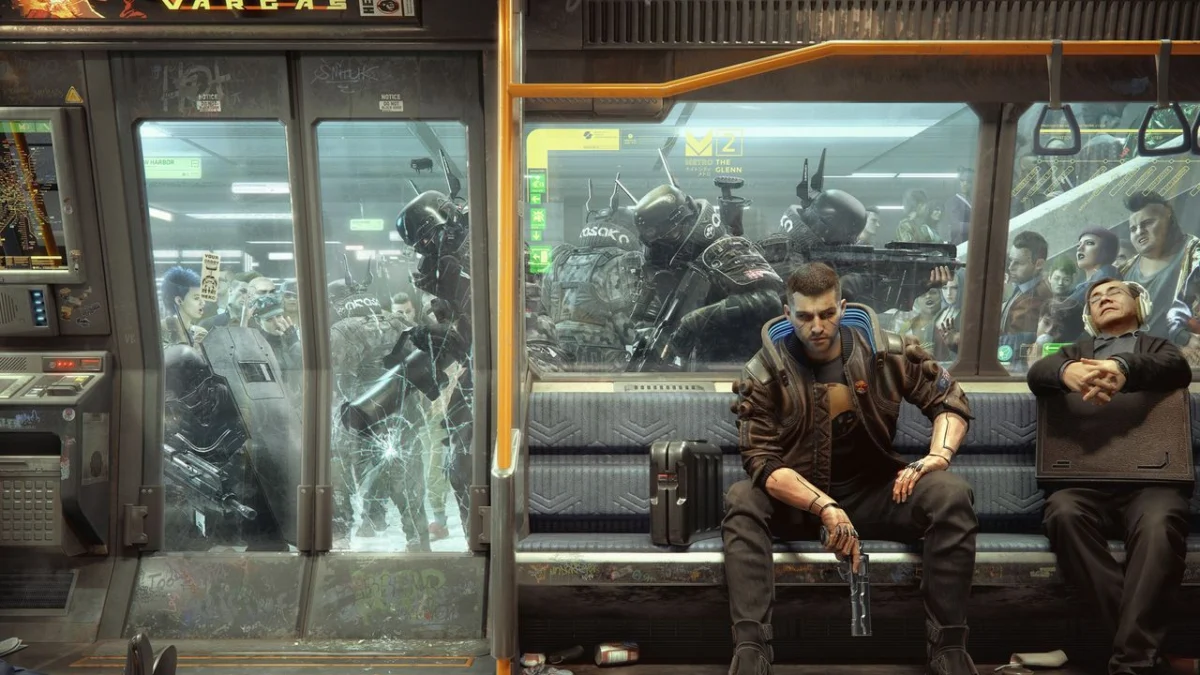
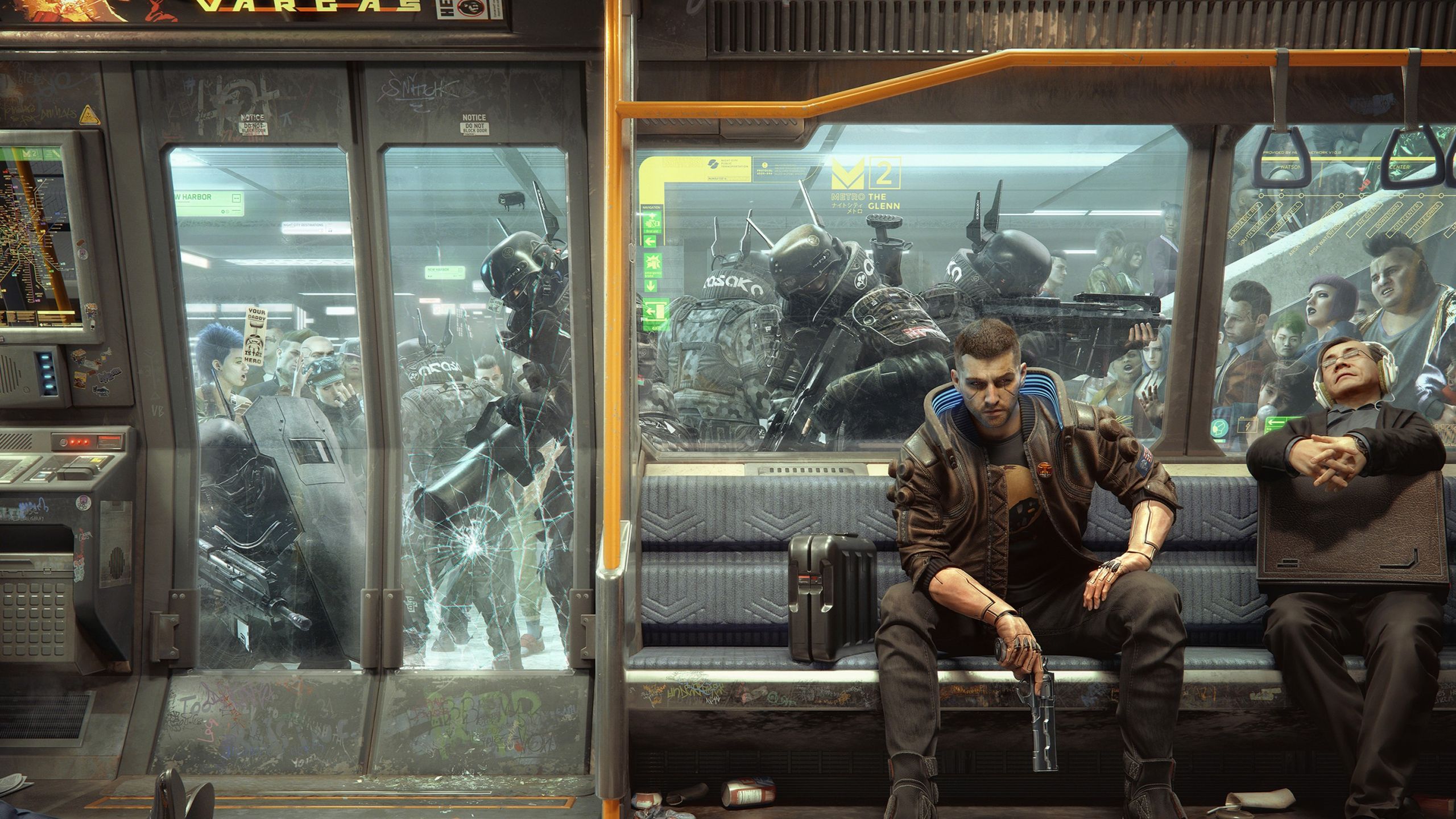
In a strategic alignment that continues to blur the lines between major digital storefront ecosystems, industry giants Blizzard Entertainment and CD Projekt Red have announced an unexpected expansion of their collaborative efforts. Speaking at BlizzCon, executives confirmed that CD Projekt Red’s sprawling sci-fi RPG, Cyberpunk 2077, alongside its critically acclaimed expansion Phantom Liberty, will launch on Blizzard’s proprietary platform, Battle.net, later this year.
This announcement follows an earlier reveal at GamesCom, where it was confirmed that the upcoming remastered version of The Witcher 3: Wild Hunt would also find a home on Battle.net. While the PC gaming landscape has largely gravitated toward Valve’s Steam as a centralized hub, this high-profile cross-pollination signals that traditional, publisher-specific launchers are attempting to reinvent themselves as curated cross-platform spaces rather than mere necessities for first-party titles.
Main Facts: The Battle.net Expansion
The core development is straightforward yet strategically significant: Cyberpunk 2077 and The Witcher 3 are officially integrating into the Battle.net ecosystem.
- The Integration: Players will soon be able to purchase, launch, and manage Cyberpunk 2077 directly through Battle.net, placing it alongside Blizzard heavyweights like World of Warcraft, Diablo, and Overwatch.
- Cross-Promotional Incentives: The partnership extends beyond simple storefront availability. To celebrate the cross-platform union, CD Projekt Red and Blizzard are introducing cross-franchise cosmetics. Players who pre-purchase The Witcher 3‘s upcoming Songs of the Past DLC via Battle.net will unlock an exclusive Geralt of Rivia skin for the Diablo 4 Barbarian class.
- Future Collaborations: Additional "Witcher-themed content" is slated to arrive across Blizzard titles through 2027. Meanwhile, fans of CD Projekt Red’s animated universe can look forward to Edgerunners-themed cosmetics coming to Overwatch next year, neatly coinciding with the premiere of the show’s second season on Netflix on October 20.
Chronology: How the Publishing Partnership Evolved
The relationship between Blizzard and CD Projekt Red with regard to storefront distribution has shifted notably over the past few years, moving from insular digital ecosystems to open collaboration.
- Early 2020s: Blizzard maintained a strict first-party policy on Battle.net, ensuring the launcher remained exclusively dedicated to franchises like Diablo, StarCraft, Warcraft, and Overwatch.
- The Steam Pivot: In a major strategic shift, Blizzard began bridging the gap to Valve’s platform, bringing legacy and modern titles—such as Diablo 2: Resurrected, Diablo 4, and Overwatch—over to Steam to capture a broader audience and facilitate better Steam Deck compatibility.
- GamesCom (Earlier This Year): During the GamesCom convention, the two companies surprised industry analysts by revealing that The Witcher 3‘s remastered edition would break exclusivity boundaries and launch on Battle.net.
- BlizzCon (Present Day): The announcement is officially expanded to include Cyberpunk 2077, cementing a multi-title, multi-year content exchange program between the two development powerhouses.
Supporting Data: Storefront Landscapes and Catalog Availability
The decision by CD Projekt Red to bring its flagship titles to Battle.net highlights the ongoing fragmentation and tactical positioning within the PC storefront market. While players often voice a preference for a unified library—frequently pointing out how nice it would be if Blizzard’s deep catalog of classic titles were natively available on Steam to run smoothly on the Steam Deck—publishers continue to test alternative models.
Currently, the traffic flow between Steam and Battle.net remains asymmetrical:
- Blizzard Games on Steam: Diablo 2: Resurrected, Diablo 4, and Overwatch represent the primary Blizzard offerings accessible outside the Battle.net ecosystem.
- Classic Preservation: While the original Diablo remains available on GOG, the classic Warcraft titles (Warcraft I and II) were notably delisted from GOG when Blizzard released their respective remasters. GOG has since leaned into its preservation program to maintain historical availability where possible.
- Non-Blizzard Additions: Cyberpunk 2077 and The Witcher 3 will now join an eclectic, albeit niche, group of non-Blizzard titles historically hosted or associated with the launcher’s broader ecosystem experiments, sitting alongside titles like Sea of Thieves, Tony Hawk’s Pro Skater 3+4, and The Outer Worlds 2.
Official Responses and Industry Context
Neither Blizzard nor CD Projekt Red has framed the move as an attempt to rival Steam directly. Instead, company representatives at BlizzCon positioned the collaboration as a celebration of PC gaming diversity and a way to reward loyal communities with unique crossover events.
The introduction of the Geralt Barbarian skin and upcoming Edgerunners cosmetics for Overwatch points to a sophisticated cross-promotional strategy. By tying tangible in-game rewards across different IPs to specific purchase platforms, the publishers are incentivizing users to experiment with alternative storefronts.
Industry analysts note that while Battle.net may not command the sheer market share of Steam, its highly engaged, core-RPG audience—largely cultivated by decades of Diablo and World of Warcraft—represents an ideal demographic for mature, narrative-driven epics like Cyberpunk 2077 and The Witcher 3.
Implications: What This Means for PC Gamers
For the average consumer, the arrival of Cyberpunk 2077 on Battle.net raises several key questions regarding convenience, performance, and ecosystem loyalty.
1. Fragmentation vs. Choice
While many PC gamers prefer keeping their libraries consolidated in a single launcher (typically Steam), the presence of major third-party games on alternate platforms means users must weigh the benefits of exclusive cross-promotional rewards against the friction of managing multiple applications. For instance, a Diablo 4 player who desperately wants the Geralt skin must engage directly with Battle.net’s purchase ecosystem for The Witcher 3.
2. The Evolution of Battle.net
For years, Battle.net was viewed purely as a utility launcher—a digital hurdle required to play World of Warcraft or StarCraft. By introducing critically acclaimed third-party masterpieces like Cyberpunk 2077, Blizzard is attempting to transform the launcher into a more generalized destination for premium gaming experiences, echoing the trajectory seen by platforms managed by Epic Games, Electronic Arts, and Ubisoft.
3. Future Cross-Platform Collaborations
With more content drops promised through 2027—including the Cyberpunk/Overwatch crossover wave—this partnership could serve as a testing ground for future publisher alliances. If the cross-pollination of cosmetic items and storefront integration proves financially lucrative, other major publishers may look to bypass traditional exclusivity models in favor of bilateral ecosystem sharing.
As the release window for Cyberpunk 2077 on Battle.net approaches later this year, all eyes will be on how the community responds to these digital crossover initiatives and whether convenience or exclusive in-game loot ultimately dictates where players choose to open their wallets.

