

By Francesco Cacciatore
Published September 2, 2026
Main Facts
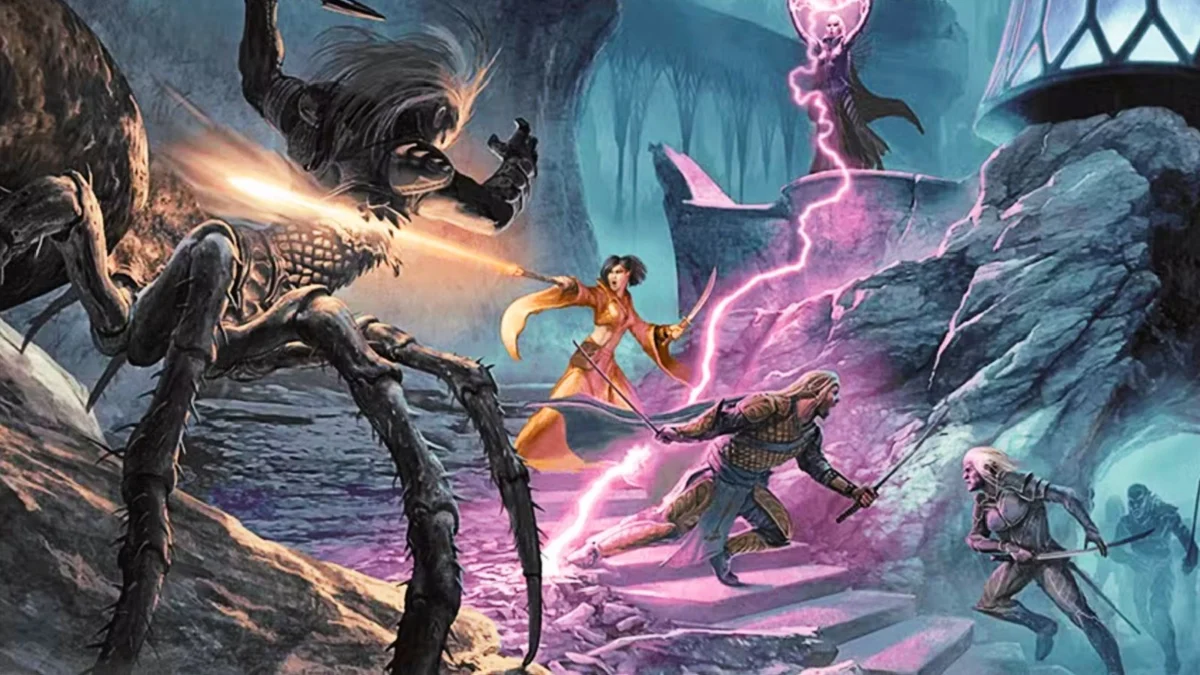
Whispers and subtle hints are echoing from the deepest, lightless caverns of the Multiverse, pointing toward a major upcoming Dungeons & Dragons product focused squarely on the Underdark. For decades, the subterranean realms of the Forgotten Realms, Greyhawk, and other classic settings have served as the ultimate proving ground for desperate adventurers. Teased by recent Unearthed Arcana playtest material and sparked by major announcements at Gen Con 2026, evidence suggests that Wizards of the Coast is preparing to resurrect its most perilous subterranean domain.
At the center of this speculation is the newly announced "D&D Icons" initiative, spearheaded by actor, producer, and lifelong tabletop enthusiast Joe Manganiello. This high-profile creative endeavor brings together legendary designers and authors from the game’s rich, half-century history to craft original sourcebooks and adventures. While figures like Margaret Weis, Tracy Hickman, and Luke Gygax are attached to Dragonlance and Greyhawk projects respectively, the role of legendary fantasy author R.A. Salvatore remains officially unconfirmed. However, given Salvatore’s lifelong association with the Underdark and its most famous resident, the drow ranger Drizzt Do’Urden, industry watchers and fans alike consider an Underdark collaboration an open secret.
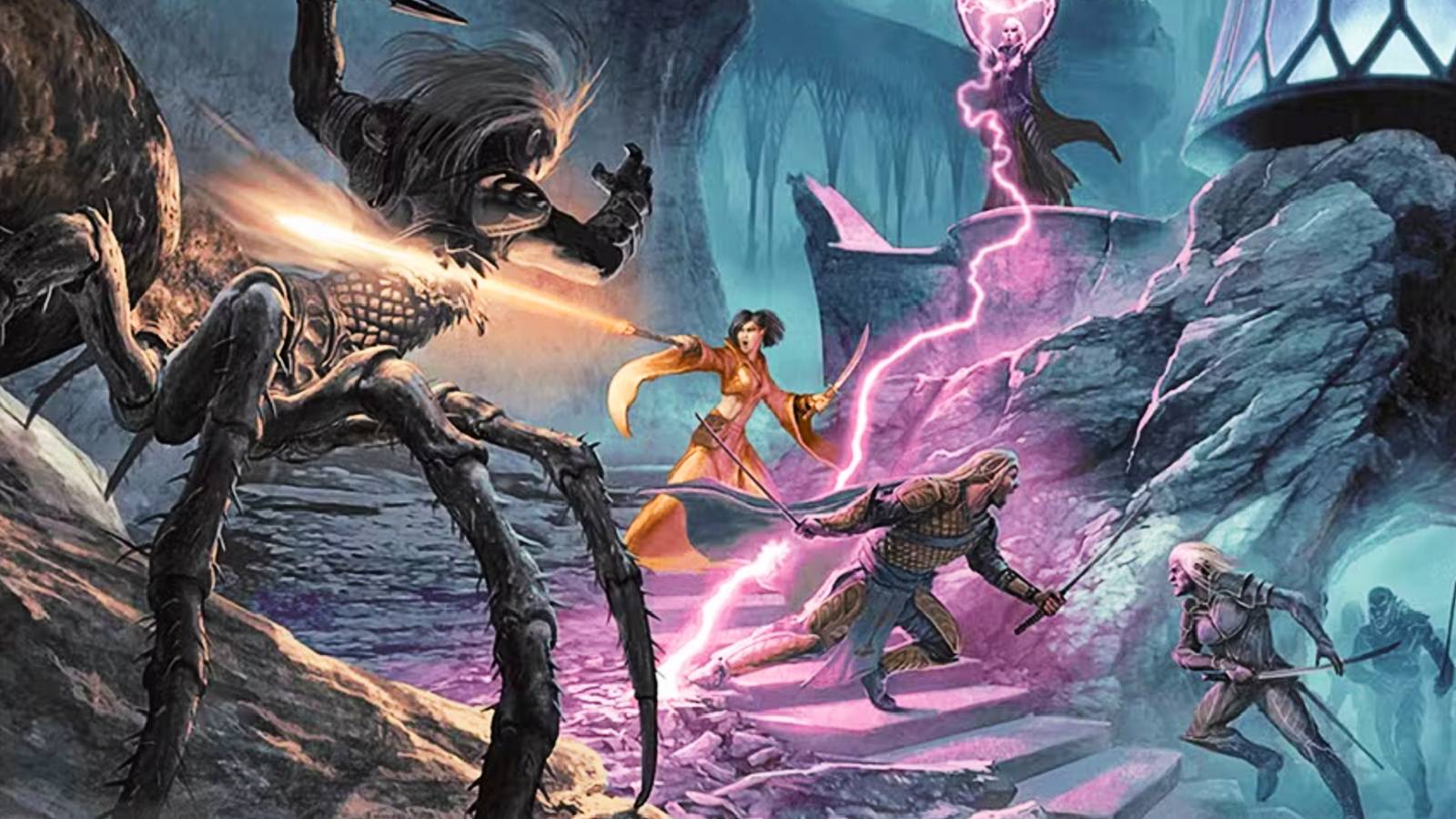
Complementing these creative shifts, recent playtest packets have introduced "Underdark Options"—featuring rules for the mysterious, low-light magic known as "unlight" and spotlighting the isolated subterranean city of Deep Imaskar. As the community digests these mechanical additions, the tabletop landscape is buzzing with theories about what an updated, modern exploration of the Underdark will look like for Dungeons & Dragons.
Chronology: A History of the Lightless Realms
To understand the weight of a potential new Underdark publication, one must trace the evolutionary history of D&D’s most unforgiving subterranean expanse.
- 1978: The conceptual foundations of the Underdark appear in Gary Gygax’s adventure module Hall of the Fire Giant King, introducing players to the sprawling subterranean corridors beneath the surface world.
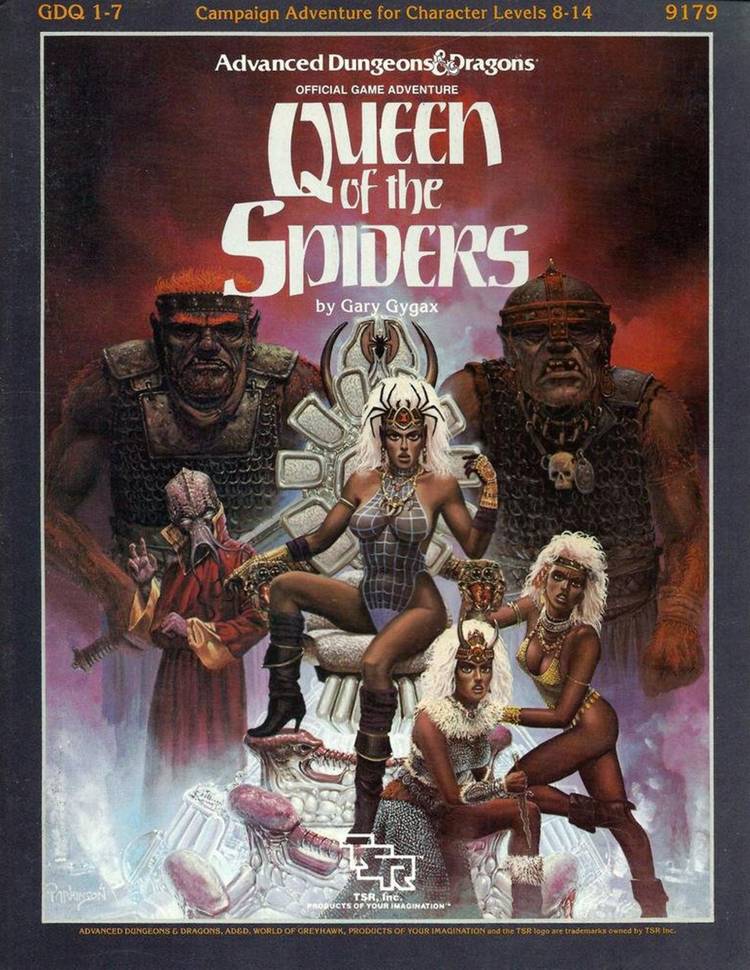
- Late 1970s – Early 1980s: Gygax solidifies these dark realms with the classic "D-series" of adventure modules, culminating in the monumental Queen of the Spiders compiled super-module.
- 1986: Author Douglas Niles officially names and details the subterranean setting in the Dungeoneer’s Survival Guide, giving the Underdark its distinct identity within the Forgotten Realms.
- 1988: R.A. Salvatore introduces the dark elf (drow) ranger Drizzt Do’Urden in The Crystal Shard. Drizzt’s breakout popularity leads to The Dark Elf Trilogy, providing the definitive literary blueprint for Underdark society, matriarchal drow houses, and the city of Menzoberranzan.
- 2015: Wizards of the Coast releases Out of the Abyss, a fifth-edition campaign that tasks players with surviving a demonic invasion while attempting to escape drow captivity in the Underdark. This remains the last major mainline product explicitly dedicated to the setting.
- 2026: Gen Con 2026 introduces the "D&D Icons" initiative led by Joe Manganiello, while online playtests reveal the "Underdark Options" packet, reigniting community excitement after a decade-long hiatus.
Supporting Data: The Ecology and Lore of the Underdark
The enduring appeal of the Underdark lies in its stark contrast to traditional fantasy tropes. Unlike typical campaigns where players bounce between safe taverns, bustling cities, and friendly NPCs, the Underdark is a completely hostile environment where survival itself is the primary game loop.

The Abiotic and Biotic Hazards
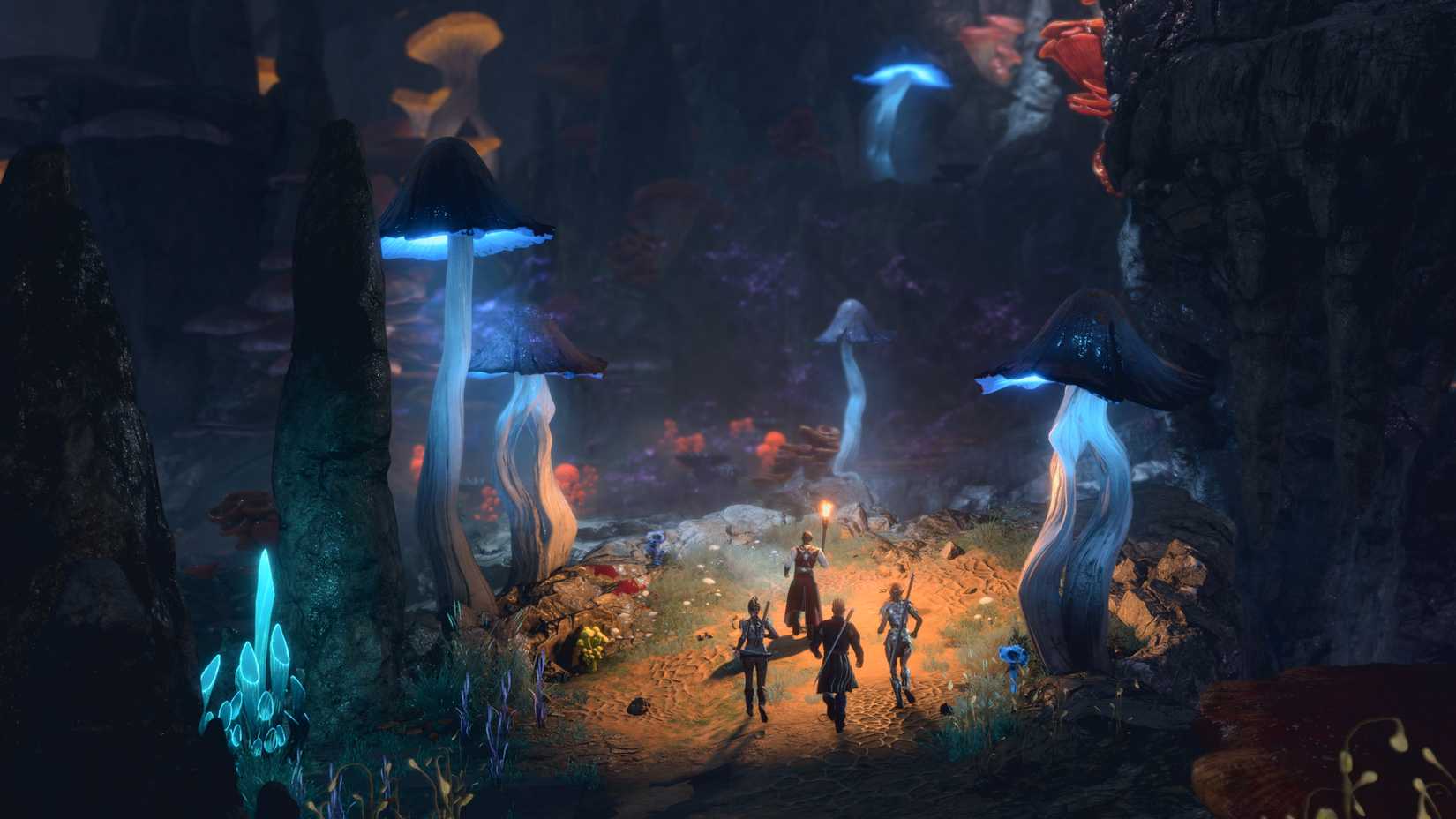
The ecology of the Underdark is famously lethal. Phos-phosphorescent fungi cast eerie, shifting hues across massive caverns, while entire civilizations thrive away from the warmth of the sun. The region is the native habitat of D&D’s most iconic and terrifying monsters, including:
- Mind Flayers (Illithids): Psionic horrors that feed on the brains of intelligent creatures.
- Beholders: Paranoid, floating aberrations composed of central eyes and lethal magical stalks.
- Drow (Dark Elves): Culturally complex, historically ruthless matriarchal societies traditionally bound to the Spider Queen, Lolth.
- Duergar: Grim, cynical subterranean dwarves hardened by centuries of enslavement and isolation.
The Mechanics of "Unlight"
In the recent Unearthed Arcana playtest materials, Wizards of the Coast turned its lens toward Deep Imaskar—a utopian magical city hidden away in the deepest reaches of the subterranean world. The playtest introduces "unlight," a specialized magical energy developed by the original settlers of Deep Imaskar to establish a safe haven. By codifying unlight and expanding character subclasses through the "Underdark Options" packet, the design team is laying systemic groundwork that extends far beyond simple lore updates, signaling a structural mechanical framework ready to support a full-scale publishing effort.
Official Responses and Industry Insights
Wizards of the Coast has carefully managed expectations regarding the roadmap for future releases, but the breadcrumbs left across public events and playtests speak volumes.
During the D&D Vision Keynote at Gen Con 2026, Joe Manganiello emphasized that the newly minted "D&D Icons" line is designed to grant legendary creators unprecedented creative freedom. By pulling veterans out of retirement or securing partnerships with modern masters of fantasy fiction, the publisher is targeting long-term, dedicated fans who value deep world-building and narrative fidelity.
While representatives have yet to officially confirm R.A. Salvatore’s specific assignment within the D&D Icons lineup, the association is practically undeniable given the roster. Margaret Weis and Tracy Hickman are confirmed to be tackling Dragonlance, while Luke Gygax anchors the Greyhawk materials. By process of elimination—and given Salvatore’s 40-novel tenure expanding the lore of Menzoberranzan, the Outer Dark, and the surface-dweller-turned-hero Drizzt—an Underdark-centric project bearing his creative stamp aligns perfectly with the initiative’s mission statement.
Implications: What a New Underdark Book Means for the Future of D&D
The announcement of the D&D Icons initiative and the systematic rollout of subterranean playtest options carry significant implications for the direction of the tabletop roleplaying game.
A Shift in Product Format
Based on modern design trends for fifth-edition and newer rulesets, a massive, punishing mega-adventure in the exact vein of Out of the Abyss is unlikely. Instead, industry analysts predict a dedicated campaign setting sourcebook. Such a product would likely feature:
- A Detailed Gazetteer: Focusing on key Underdark locations, trade routes, and surviving settlements like Deep Imaskar or Blingdenstone.
- Expanded Character Options: Integrating the "Path of Unlight" and other subterranean subclasses seamlessly into modern rulebooks.
- Narrative-Driven Modules: Shorter, highly atmospheric adventures that lean into psychological horror, resource management, and isolation.
Catering to Veteran and New Audiences Alike
For veterans, the return of classic creators like Salvatore represents a nostalgic validation of the lore they grew up reading. For newer players—many of whom discovered the subterranean horrors of the Sword Coast through digital adaptations like Baldur’s Gate 3—a modern Underdark sourcebook bridges the gap between video game experiences and tabletop execution.
Ultimately, whether the upcoming product takes the form of an exhaustive gazetteer, an anthology of subterranean survival tales, or a narrative tour de force penned by the creators who defined the genre, the message to players is clear: dust off your darkvision, check your oil flasks, and prepare to descend once more into the heart of the world.

