

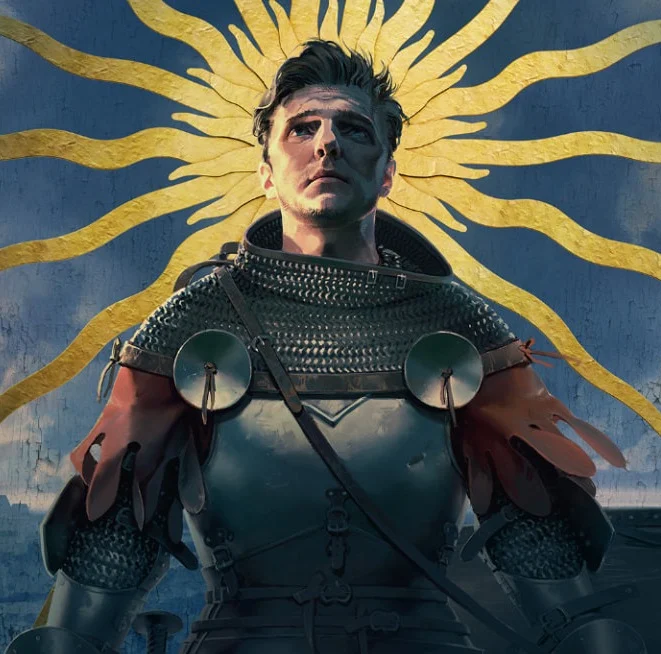
Polyarc, the celebrated indie video game development studio renowned for redefining virtual reality platforming through the critically acclaimed Moss franchise, has officially announced it is closing its doors. The shutdown comes just three months after the studio released its final title on Steam, bringing a definitive end to a twelve-year journey that left an indelible mark on the immersive gaming landscape.
The studio’s leadership shared the heartbreaking news in a professional update posted to LinkedIn, marking the conclusion of an era for a team that pioneered emotional storytelling and tactile interaction in the nascent medium of virtual reality.
"After nearly 12 years riding the joyous rollercoaster of emotions that is making video games, our time together has come to an end," the studio wrote in its farewell message. "As we wind down active development, we are saying our farewells to each other."
The closure impacts the remaining 30 developers who survived an earlier, devastating wave of layoffs earlier this year. To support the displaced workforce, Polyarc has published a public "reverse-recruiting" tracker via a Google spreadsheet, providing direct contact information for the talented engineers, artists, and designers seeking new opportunities in the gaming sector.
Chronology of a Dream: From 2015 Startup to VR Pioneers
Foundation and the Birth of Quill (2015–2018)
Founded in 2015 by industry veterans aiming to explore the uncharted potentials of virtual reality, Polyarc quickly established a culture focused on deep character connection and rich, environmental world-building.
In 2018, the studio made its explosive industry debut with Moss (later retroactively designated as Moss: VR). Initially launched as a PlayStation VR (PSVR) exclusive before expanding to Steam and other headsets, the game introduced players to Quill, a courageous young mouse wearing a distinct red scarf.
What set Moss apart from contemporary VR titles was its unique blending of perspectives. While traditional VR games heavily favored first-person immersion, Polyarc engineered a brilliant hybrid approach. Players simultaneously controlled Quill’s agile movements through classic third-person action-adventure mechanics while acting as an ethereal entity—"the Reader"—within the game’s living storybook diorama. Utilizing motion controllers, players could physically manipulate in-game objects, solve intricate puzzles, and even interact directly with Quill, offering comfort and high-fives along her journey.
Critical Acclaim and Expansion (2019–2022)
The innovative gameplay loop, coupled with breathtaking art direction and an emotional orchestral score, resonated deeply with both critics and consumers. Moss rapidly cemented its status as a system-seller for early virtual reality platforms, proving that VR could support narrative-driven, third-person platformers just as effectively as high-octane shooters.
Building on this momentum, Polyarc released the eagerly anticipated sequel, Moss: Book II, in 2022. The follow-up expanded the scope of the world, introduced new combat mechanics, weapons, and traversal tools, and deepened the emotional bond between the player and their murine companion.
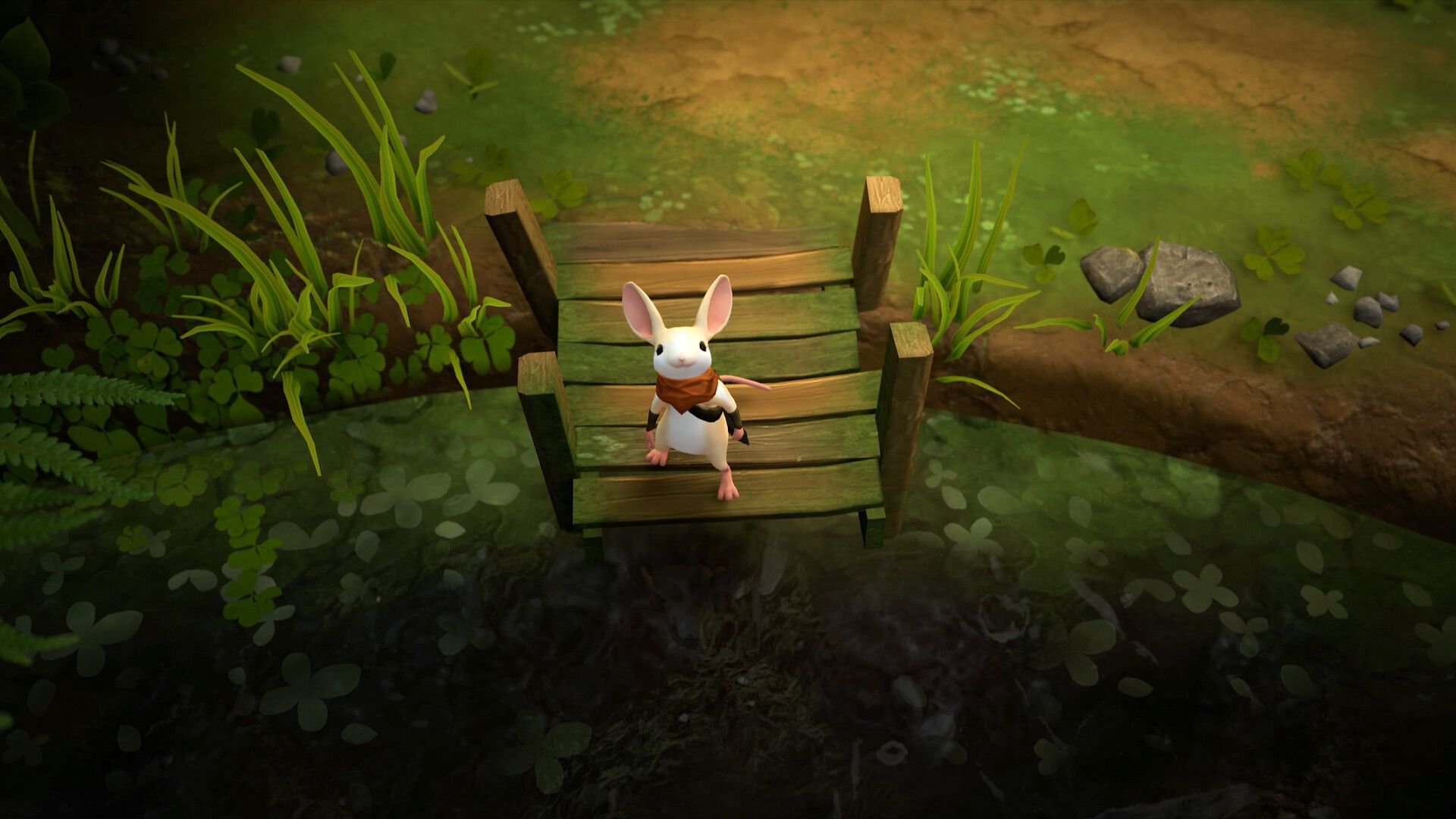
Together, the Moss duology accumulated over 160 industry awards and nominations, establishing Polyarc as a premier name in immersive entertainment and securing a fiercely loyal player base, particularly across Meta platforms.
Pivot, Financial Strain, and Layoffs (2025)
Despite the critical adoration, the financial realities of independent game development caught up with the studio. In 2025, Polyarc attempted to diversify its portfolio with Glassbreakers: Champions of Moss, a competitive PvP strategy spinoff set within the same universe. However, the title failed to capture a sustainable audience in a crowded multiplayer market.
Compounding these struggles, Polyarc suffered a catastrophic blow later that year when an in-development mid-project lost its primary funding. A subsequent attempt to secure a "hail mary" publishing deal with a third-party partner fell through. Facing insurmountable cash flow issues, the studio was forced to lay off two-thirds of its staff earlier this year, setting the stage for the complete wind-down announced today.
The Final Chapter: The Forgotten Relic (July 2025)
Polyarc’s swan song arrived in July 2025 with the release of Moss: The Forgotten Relic. Developed in collaboration with co-developer Blackbird Interactive, this final project took a bold and unexpected departure from the studio’s VR roots.
The Forgotten Relic served as a comprehensive compilation, bundling the original two Moss games alongside the first game’s Twilight Garden expansion, and completely reworking them into traditional, non-VR experiences for standard desktop displays and consoles.
While the conversion was widely praised for successfully translating Quill’s charm to a standard screen, the title failed to generate the massive commercial windfall required to rescue the studio from its mounting financial liabilities.
Supporting Data and Portfolio Impact
Polyarc’s body of work represents a masterclass in design efficiency and creative ambition, though it struggled against the broader economic contractions currently plaguing the tech and gaming sectors.
- Total Active Lifespan: 12 years (2015–2025).
- Major Releases: Moss: VR (2018), Moss: Book II (2022), Glassbreakers: Champions of Moss (2025), and Moss: The Forgotten Relic (2025).
- Critical Reception: Over 160 awards and nominations globally across the Moss franchise.
- Final Staff Impact: 30 remaining developers affected by the final closure, supported by a specialized recruitment tracking document.
- Current Promotions: In a parting gesture, Polyarc has discounted its digital library on Steam. The Forgotten Relic is currently marked down by 20%, while the definitive VR versions of Moss and Moss 2 are available at a 50% discount.
Official Responses and Industry Reactions
The gaming community has responded to Polyarc’s closure with an outpouring of grief, gratitude, and fond remembrances. Industry peers, journalists, and fans alike took to social media platforms to honor the studio’s contributions to narrative design and virtual reality.
In their official statement published on LinkedIn, the studio reflected on the privilege of bringing joy to millions of players worldwide:

"Working together over all of these years has been an honor. Bringing surprise and delight to those who played our games has been a privilege. Thank you to everyone at Polyarc, our work is now finished."
Industry analysts have highlighted Polyarc as a prime example of the high-risk environment facing independent developers who push the boundaries of new technology. Developing hardware-specific games—particularly in niche markets like virtual reality—requires substantial upfront capital with long return horizons. When unexpected funding partnerships dissolve, even critically beloved studios with multiple award-winning IPs can find themselves vulnerable to sudden market shifts.
Broader Implications for the Gaming and VR Industry
The closure of Polyarc sends a sobering message across the video game industry, particularly regarding the viability of independent virtual reality development.
1. The Fragility of the Mid-Sized Studio
Polyarc occupied a coveted space in the ecosystem: an independent studio large enough to produce AAA-quality polish, yet small enough to maintain creative agility. Their demise underscores the growing squeeze on mid-sized developers ("AAA-indies"). With escalating development costs, longer production cycles, and diminishing venture capital or publisher risk appetite, the margin for error has become razor-thin. When a single publisher deal falls through, entire legacies can be wiped out in a matter of months.
2. The Ongoing Struggle for VR Commercialization
Despite incredible technological advancements in hardware—such as lighter headsets, higher-fidelity lenses, and untethered processing—VR continues to face challenges regarding mass-market monetization. While titles like Moss proved that VR could deliver elite, emotionally resonant experiences, the total addressable market for dedicated VR headsets has not expanded quickly enough to sustain high-budget, narrative-driven development teams over long production cycles.
3. The Human Cost and Industry Solidarity
As studios increasingly face downsizing and closures, the emergence of developer-driven tracking tools—such as the Google spreadsheet published by Polyarc—has become a bittersweet hallmark of the modern games industry. These crowdsourced lists represent both the devastating human toll of corporate and financial contractions and the tight-knit solidarity of developers working together to ensure their peers find safe harbor in other studios.
Epilogue: The Legacy of Quill
As the servers remain active and Polyarc’s catalog goes on farewell discount, the gaming community is left to reflect on the legacy left behind by a brave little mouse and the visionary team that brought her to life. While Polyarc as a corporate entity has ceased active development, the emotional resonance of reaching into a storybook world to guide, protect, and befriend Quill will endure as a defining milestone in the evolution of interactive art.

