

For years, the fighting game genre has existed in a precarious state of accessibility. For the uninitiated, games like Street Fighter, Tekken, or Mortal Kombat can feel like a walled garden—a fortress guarded by complex "motion inputs," frame-data memorization, and the crushing reality of being combo-locked by an opponent who has spent a decade honing their craft. Many potential players gaze at the spectacle of these titles, only to bounce off the steep learning curve, ultimately settling into a cycle of "fumbling the controls" and frustration.
However, the recent reveal of Marvel Tākon: Fighting Souls during Sony’s 2025 State of Play, followed by the rollout of its initial PC playtest, suggests a tectonic shift in design philosophy. By blending the high-octane spectacle of the Marvel Universe with a simplified, standardized control scheme, Arc System Works may have finally created a "gateway drug" for the fighting game genre.
The Barrier to Entry: A New Design Paradigm
The primary deterrent for newcomers in the fighting game space is the sheer variety of inputs required. In many traditional fighters, learning one character—like Scorpion in Mortal Kombat—is only half the battle; switching to a new character requires entirely re-learning muscle memory. Marvel Tākon dismantles this barrier through a revolutionary approach to universal controls and automated combo systems.
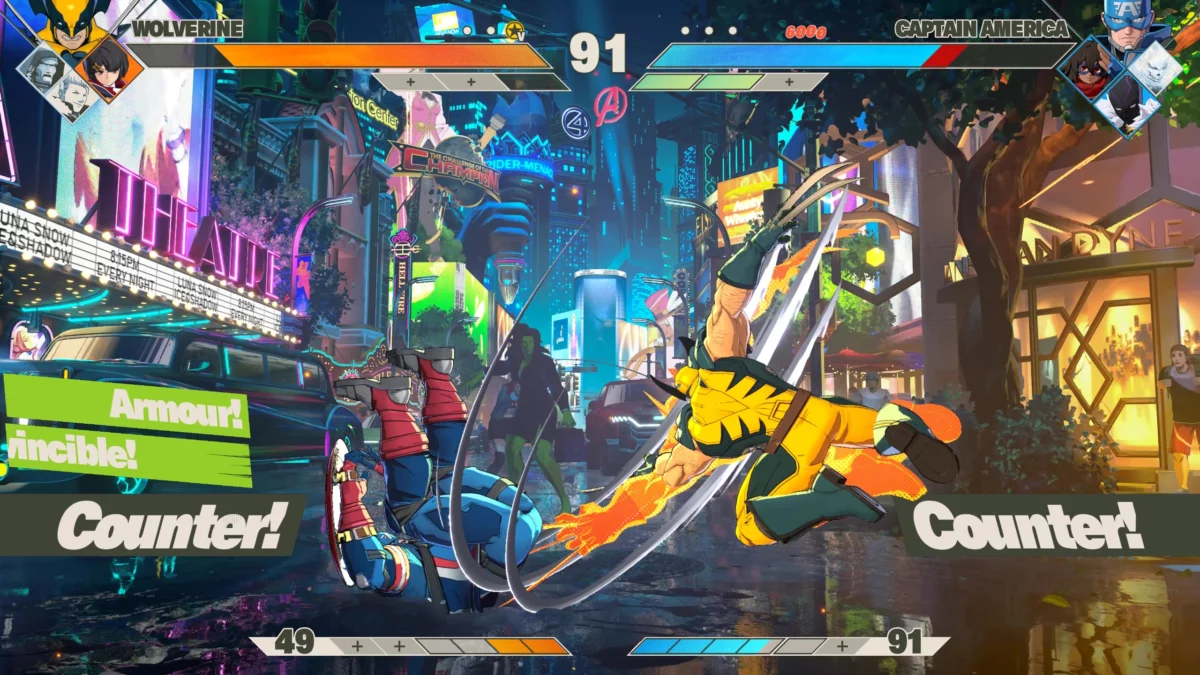
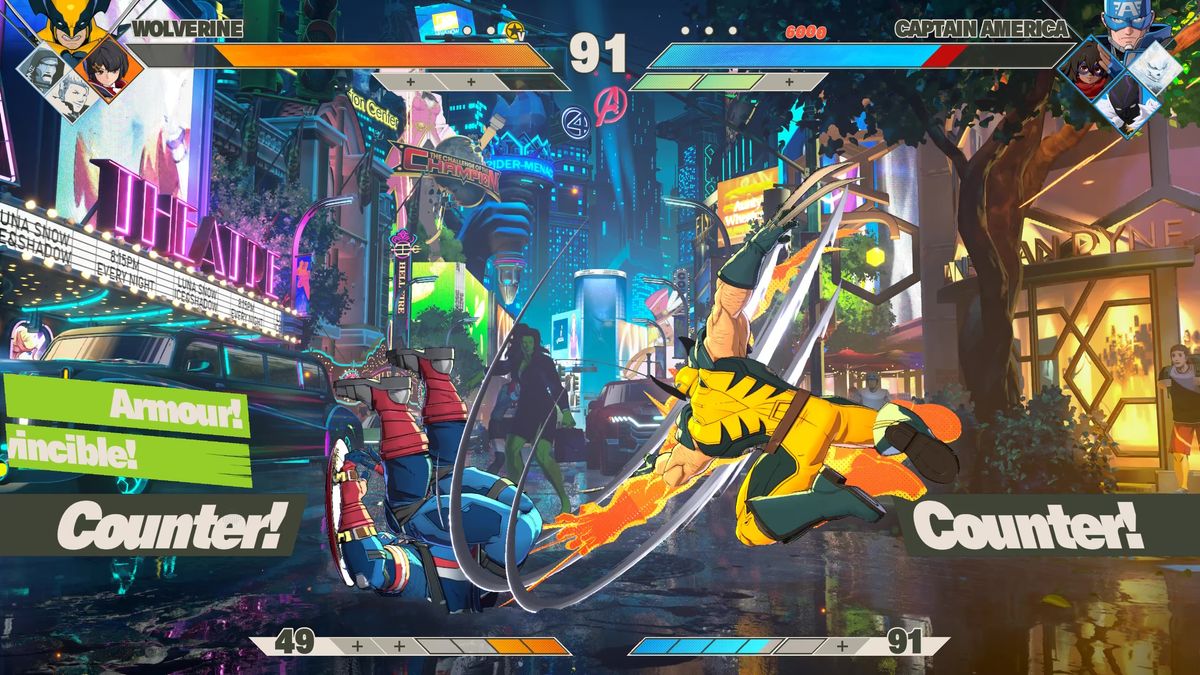
In Tākon, the complexity is shifted from "how do I execute this move" to "how do I utilize this character’s unique toolkit." Every hero, whether it is Captain America, Spider-Man, or Wolverine, shares the same foundational combo inputs. Light, medium, and heavy attacks—whether performed while standing, crouching, or airborne—follow a standardized logic.
For instance, a player can execute a fundamental chain (Light → Medium → Heavy → Down → Heavy) that launches an enemy into an aerial combo and subsequently slams them back to the arena floor, regardless of the character selected. This allows players to rotate between drastically different archetypes—from the ranged tactical play of Captain America to the aggressive, up-close brawling of Wolverine—without having to "rewire their brain" for every match.
Chronology of the Reveal and Beta
The journey of Marvel Tākon: Fighting Souls from an abstract concept to a playable reality has been rapid and highly anticipated:
- January 2025: During the Sony State of Play, the world received its first substantive look at the game. The visual identity, characterized by vibrant, comic-book-inspired cel-shading and fluid, cinematic combat, immediately grabbed headlines.
- February 2025: Following the positive reception of the trailer, developers announced the commencement of the PC beta phase. This phase serves as a critical stress test for the game’s netcode and balancing metrics.
- Present Day: Players are currently diving into the beta, testing the four-hero tag-team format and providing feedback on the game’s unique "Super Skill" mechanics.
Deep Mechanics: Simplicity is Not Shallow
While critics might argue that universal inputs lead to a "homogenized" experience where every character feels the same, the reality of Marvel Tākon is far more nuanced. The depth of the game does not lie in execution difficulty; it resides in the strategic layering of a four-hero tag-team system.
Mastery in Tākon is derived from the intelligent use of "Super Skills" and team synergy. Consider the distinct tactical applications of the roster:
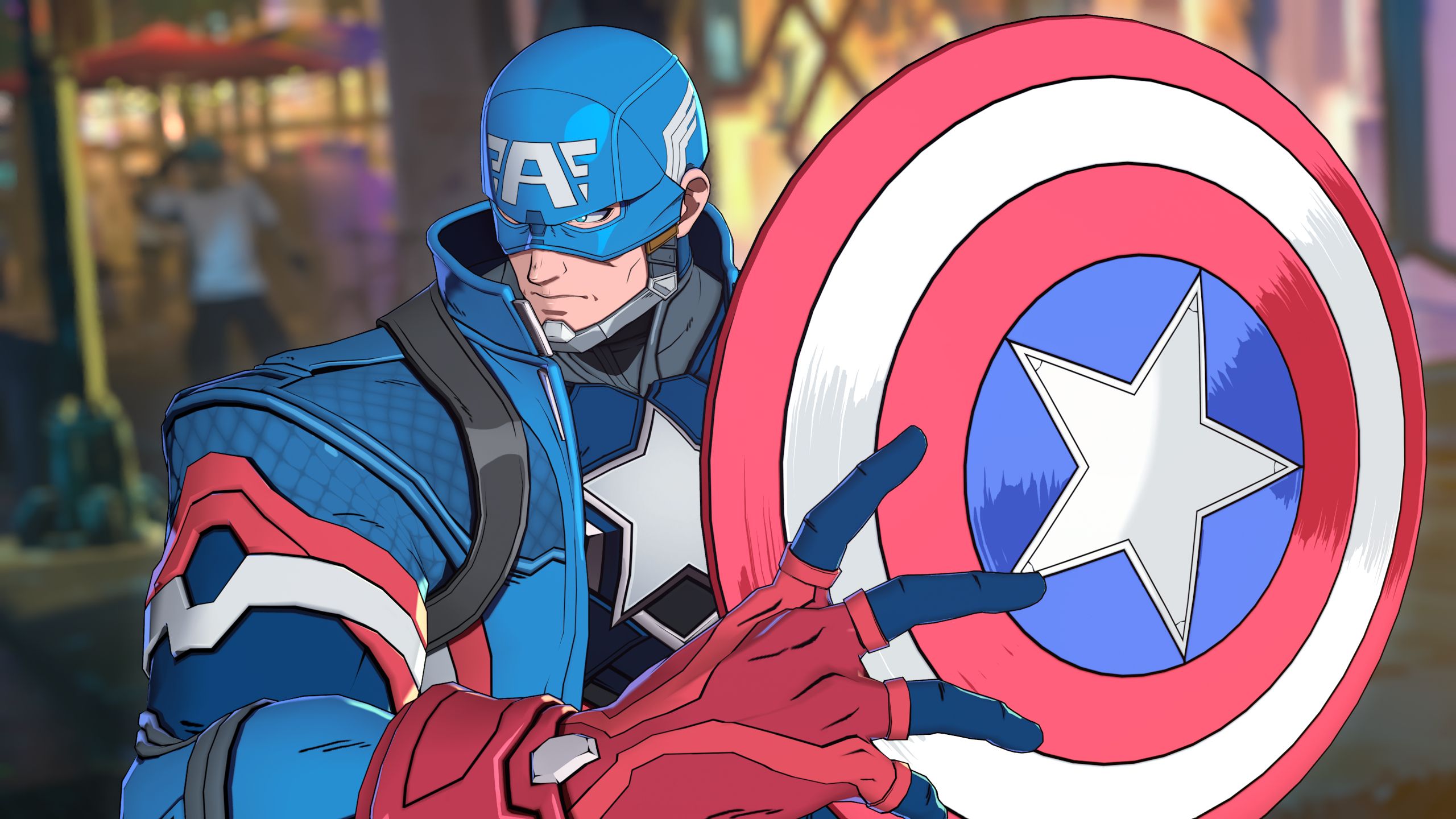
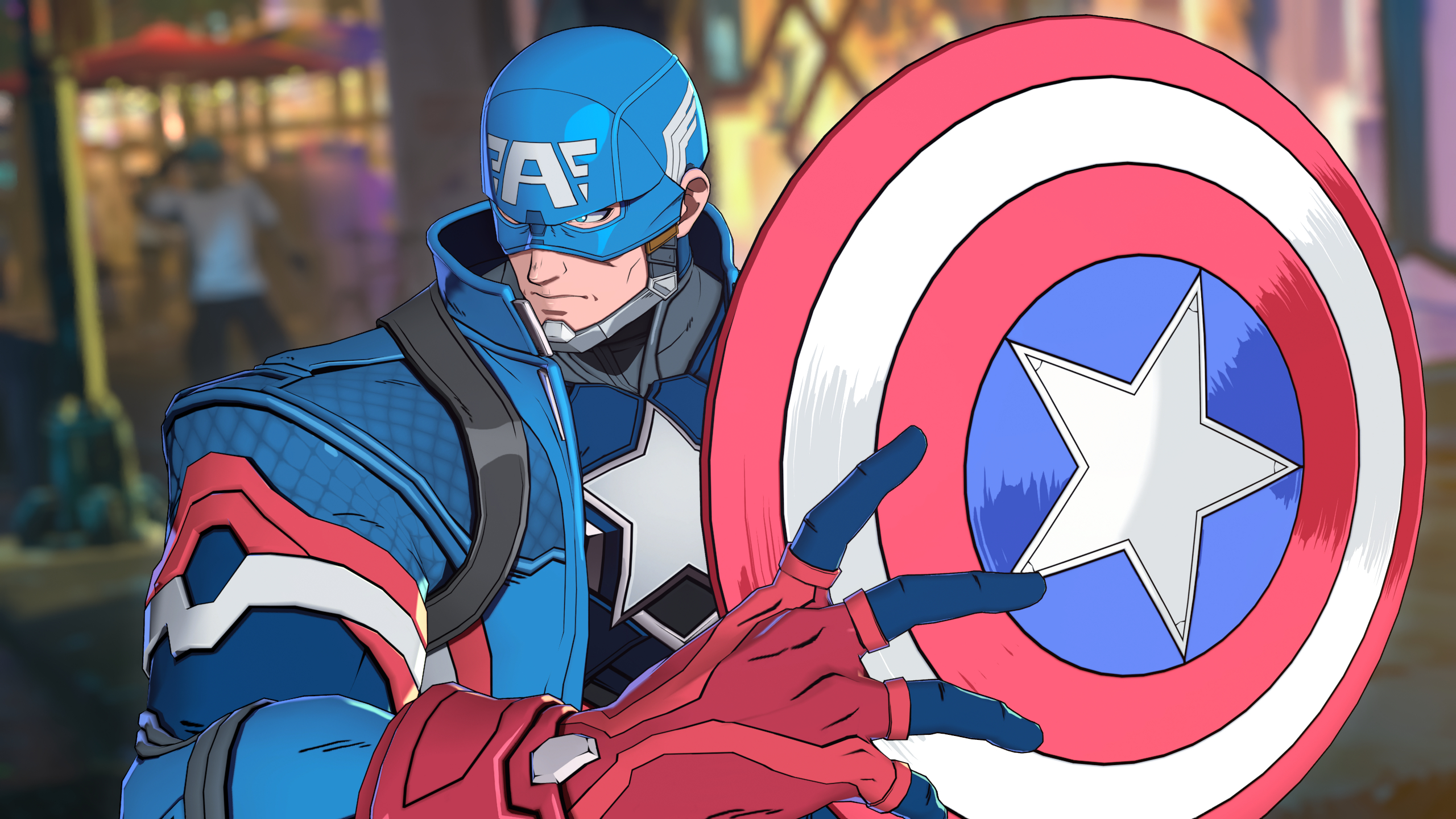
- Captain America: Offers a versatile shield throw that can be manipulated for range, with an added "timed kick" mechanic that allows the player to ricochet the shield for a secondary pass, catching opponents off guard.
- Spider-Man: Excels in mobility, utilizing webslinging to navigate the arena and even pinning himself to the ceiling to dictate the flow of the match from an unconventional angle.
- Wolverine: Focuses on pure damage output; specific moves trigger a "Berserk" state, rewarding aggressive players with high-damage modifiers that can turn the tide of a losing battle.
- Green Goblin: Employs the glider as an autonomous projectile, creating space and traps that force opponents to make mistakes.
These hero-specific mechanics, combined with the ability to call in off-screen teammates for "follow-up pokes" or full tag-team swaps, elevate the game from a simple button-masher to a high-level strategic chess match. The system allows players to execute complex combos that weave together the unique powers of four distinct heroes, creating a spectacle that feels like a choreographed comic book panel come to life.
Official Stance and Community Reception
Arc System Works has positioned Marvel Tākon not as a replacement for hardcore competitive titles, but as a bridge. In official communication, the development team has emphasized that the goal is to "capture the soul of the Marvel hero" rather than force players to memorize thousands of frames of input data.
The community reaction has been largely positive. Fighting game enthusiasts appreciate the high skill ceiling enabled by team-based rotations, while casual players are finding joy in the ability to finally compete without the "tax" of intensive training mode sessions. The "Trojan horse" effect is in full swing: players who have never touched a fighting game are finding themselves learning the fundamentals of spacing, neutral game, and resource management, all while enjoying the satisfaction of pulling off cinematic team combos.
Implications for the Future of Fighting Games
The success of Marvel Tākon: Fighting Souls could signal a pivot for the entire industry. If this title proves that accessibility does not preclude competitive integrity, we may see a decline in the gatekeeping that has plagued the genre for decades.
1. Lowered Technical Floor
By removing the "Konami code" style of inputs, the industry is acknowledging that modern gamers have less time for "lab-work" but still crave the thrill of competitive mastery. Tākon suggests that the future of fighting games lies in intuitive inputs that allow the player to focus on the game’s mental strategy rather than their own dexterity.
2. The Rise of Tag-Team Synergy
The four-hero tag system represents a evolution in how we view character rosters. Instead of playing as one character, the player manages a "unit." This design encourages players to experiment with different combinations, creating a meta-game that is constantly evolving as players discover new, broken, or highly efficient team compositions.
3. Aesthetic-First Marketing
The visual presentation of Tākon acts as an invitation. In an era of live-service fatigue, the game’s commitment to a specific, high-fidelity art style makes it stand out. It feels premium, polished, and—most importantly—fun.
Conclusion: A Turning Point
Marvel Tākon: Fighting Souls is positioned to be a landmark title. It manages to balance the intense, high-stakes requirements of a professional fighting game with the welcoming, intuitive design necessary to attract a new generation of players. Whether it will be remembered as the game that finally made fighting games mainstream remains to be seen, but the initial data from the PC beta is promising.
For those who have long felt like outsiders in the fighting game community—those who have spent years "fumbling the controls" while watching their friends dominate—Tākon offers a glimmer of hope. It is a reminder that you don’t need to be a virtuoso to feel like a superhero. You just need the right system, a bit of strategy, and the willingness to jump into the arena. As the beta continues, the world watches to see if this "Trojan horse" can indeed conquer the genre’s most stubborn barriers, one perfectly timed combo at a time.

