

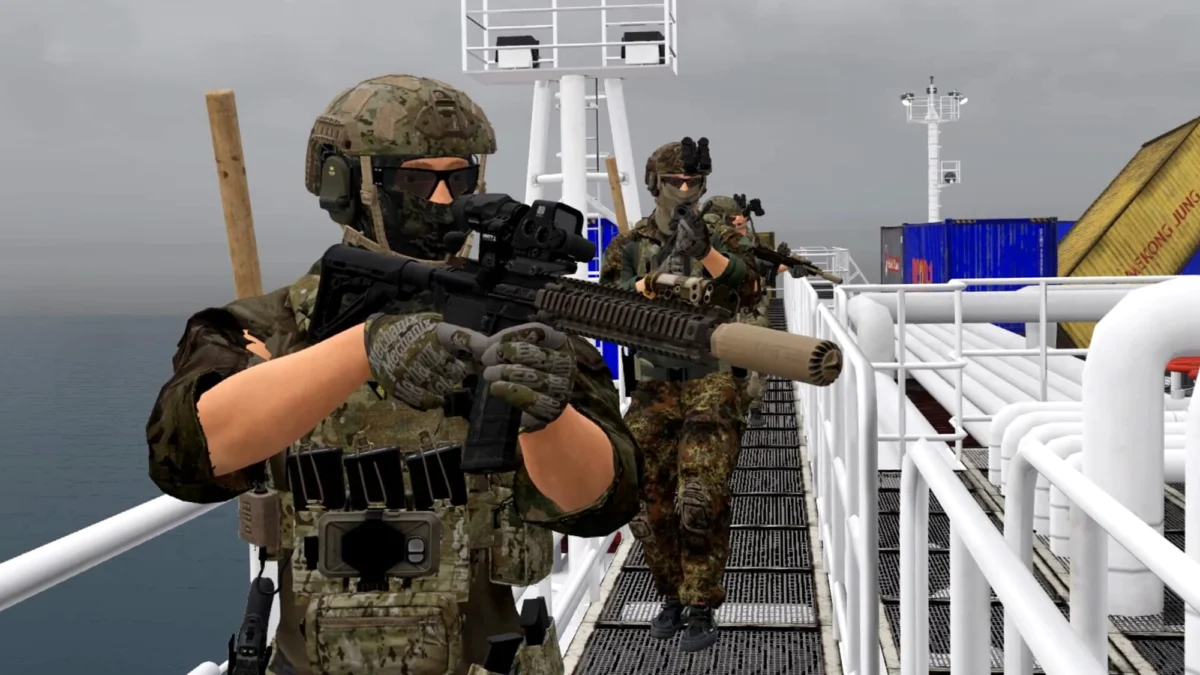
The landscape of Virtual Reality (VR) shooters has long been dominated by arcade-style action, twitch-reflex gameplay, and high-octane power fantasies. However, a new contender from Dark Matter Studios is aiming to shift the paradigm toward something far more deliberate, punishing, and profoundly rewarding. Geronimo, which recently launched into Early Access on Steam, promises an uncompromisingly authentic squad-based tactical experience. While the title is undeniably in its formative stages, the core mechanics present a compelling argument for the future of tactical simulation in VR.
Main Facts: The Anatomy of an Ambition
At its heart, Geronimo is a tactical shooter that demands patience, coordination, and a high degree of situational awareness. Unlike many of its contemporaries that prioritize speed, Geronimo emphasizes the "breach and clear" methodology—a staple of real-world special operations.
The game is built on a physics-driven foundation that ensures every interaction—from the weight of a rifle to the collision of a breaching tool against a door—feels tactile and grounded. Players are tasked with navigating complex environments, ranging from claustrophobic industrial tunnels to the sprawling, metallic corridors of a tanker ship. The game supports both solo play and cooperative multiplayer for up to six operators, though the design philosophy leans heavily into the latter. With no respawn mechanics and a "one-tap" lethality model, Geronimo forces players to treat every engagement as a potential end-of-mission scenario.
Chronology of Development and Release
Dark Matter Studios has been quiet about its internal development pipeline, but the recent arrival on Steam Early Access marks the first time the public has been able to stress-test the studio’s vision.
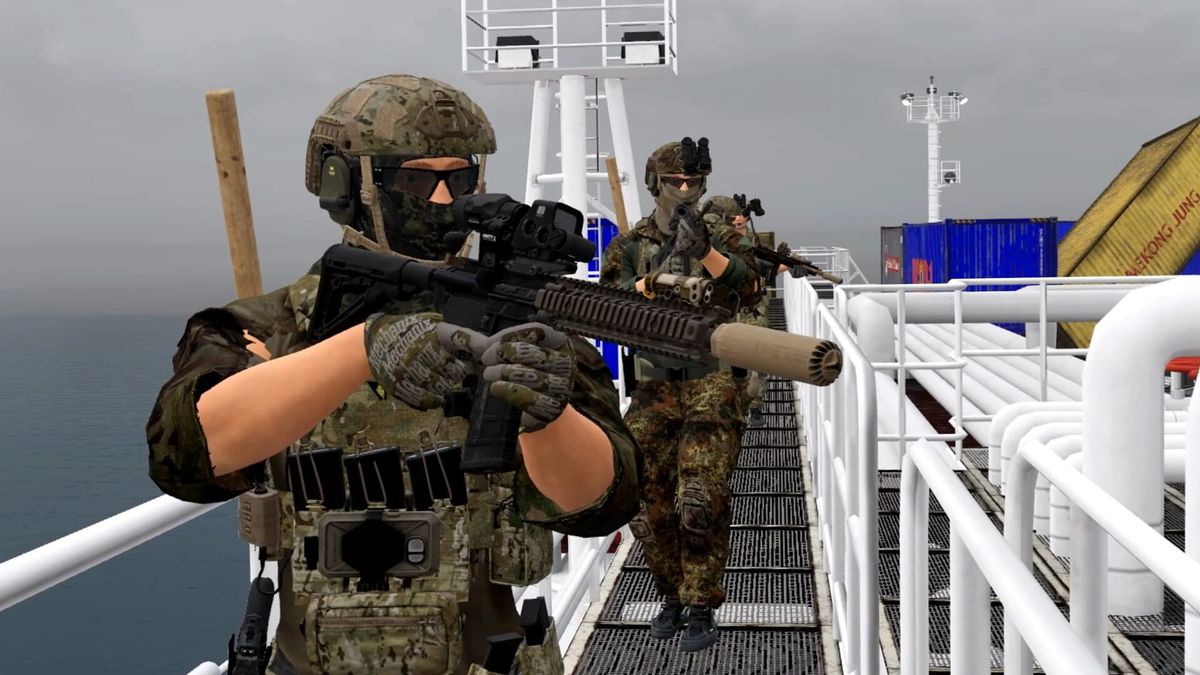
- The Conceptual Phase: The studio focused on creating a bespoke physics engine capable of handling high-fidelity VR interactions. The goal was to move away from the "floaty" gunplay that plagues many VR titles.
- Initial Prototype Testing: Early builds focused exclusively on the mechanics of room entry and weapon handling.
- The Steam Early Access Launch: The game debuted with a suite of maps and a foundational loadout system, signaling that while the game is playable, it is far from feature-complete.
- Current State: The development team is currently in a phase of iterative feedback, observing how the community handles the unforgiving AI and the technical hurdles inherent in the current build.
Supporting Data and Gameplay Mechanics
The Art of the Loadout
Before boots hit the ground, players engage in a meticulous preparation phase. Geronimo allows for granular customization of tactical gear. It is not merely a matter of choosing a primary weapon; players must manage their equipment placement, choose between various breaching tools—such as shotguns, sledges, or manual kicks—and integrate specialist equipment like night vision goggles (NVGs). The weight and placement of these items matter, influencing how a player moves and reacts under pressure.
The Lethality Factor
The game’s difficulty is its most defining feature. In Geronimo, you are not a superhero; you are an operator. The lack of a revive mechanic means that a single tactical error—failing to check a corner or neglecting to clear a blind spot—is final. This creates an atmosphere of extreme tension that is rarely achieved in gaming. Solo play, in particular, amplifies this, forcing the player to act as their own point-man, cover, and rear guard.
The AI Variable
Enemy AI is the cornerstone of the game’s replayability. At its best, the AI is formidable. They employ suppression, they flank when the player is pinned, and they retreat to more defensible positions. However, the current iteration is inconsistent. There are moments where the AI displays tactical brilliance, followed by instances where they remain entirely unreactive, breaking the immersion that the game works so hard to build.
The Multiplayer Experience: Communication as a Weapon
While the single-player mode serves as a high-stakes training ground, Geronimo truly comes alive in multiplayer. The game is a litmus test for squad communication. Because friendly fire is a constant, ever-present threat, silence is often more dangerous than an enemy bullet.

In standard co-op play, "frag out" calls and status reports are not just roleplay; they are survival requirements. The game creates a unique social dynamic where veterans of the community often step into a mentor role, guiding newcomers through the complex systems of room clearing. This emergent social structure has become a vital part of the game’s ecosystem, as the current onboarding process is, by the studio’s own admission, incomplete.
Technical Analysis and Performance
Despite the brilliance of the gameplay loops, the Early Access tag is well-earned. The technical performance is currently the primary barrier to entry.
- Visual Fidelity: The lighting and shadow engines are impressive, effectively creating the moody, low-light environments that define the tactical genre. The visual readability of the maps is a high point.
- Optimization Issues: The game suffers from stuttering and frame-rate instability, even on high-end hardware. Many players have reported that dropping settings to "Medium" is a necessity to maintain the smooth experience required for VR comfort.
- The "Door Problem": A recurring point of frustration is the physics of the environment. Specifically, doors often remain visually intact after being "blown" off their hinges, leading to confusion and clipping issues. Similarly, smaller equipment items like sledgehammers occasionally exhibit erratic physics, floating away or getting stuck in geometry.
Official Responses and Roadmap Implications
Dark Matter Studios has maintained a transparent stance regarding the game’s flaws. In recent community updates, the developers have acknowledged that the "rough edges" are a known quantity and are the primary focus of the upcoming development cycle.
The studio’s roadmap implies a shift toward:
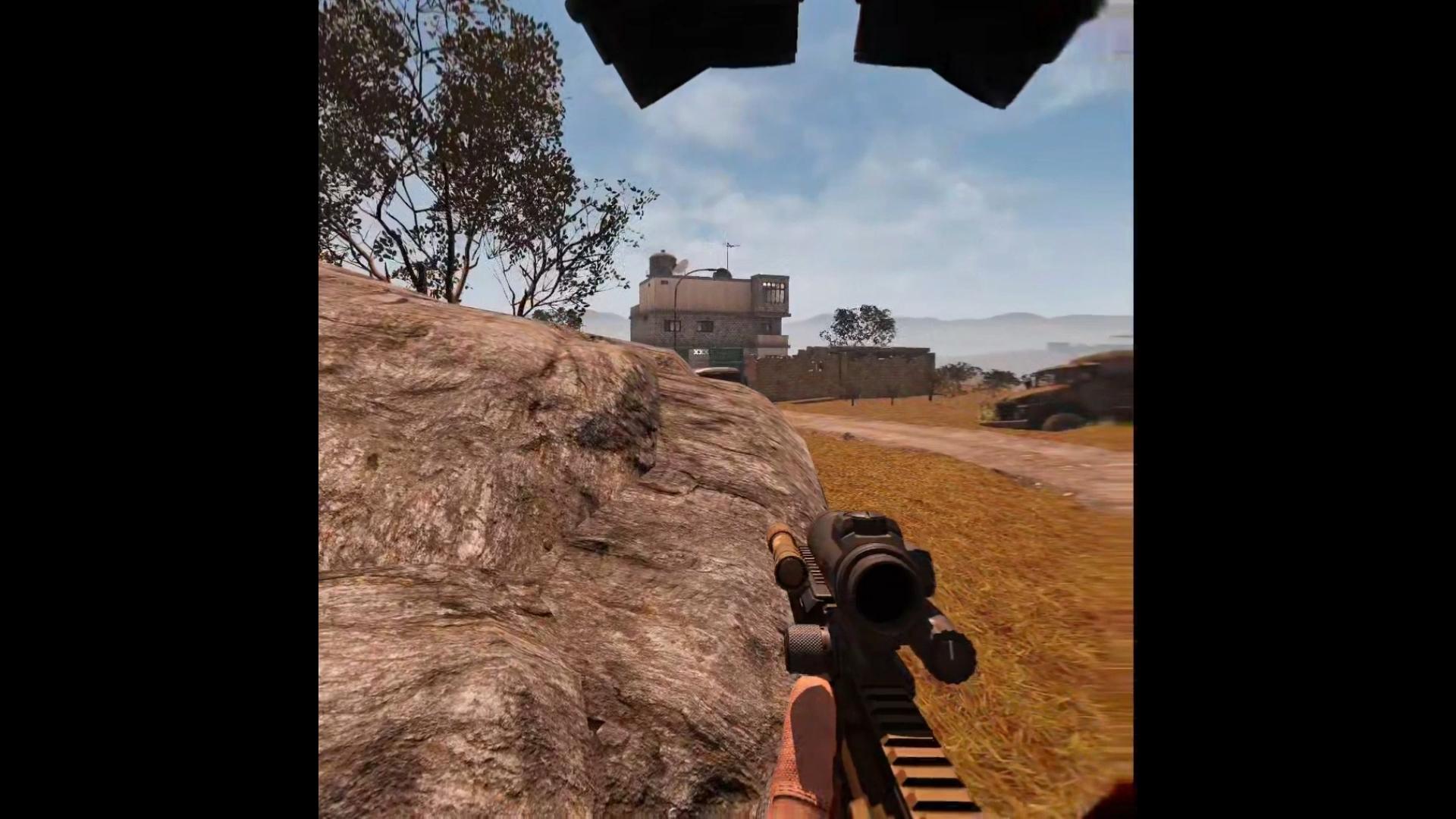
- AI Refinement: Tuning the "reactionary" logic of enemies to ensure they are consistently challenging rather than intermittently broken.
- Onboarding: Building a more robust tutorial system that guides players through advanced movement and equipment use, rather than relying on community-led instruction.
- Optimization: A series of performance patches aimed at stabilizing frame rates and ironing out the physics glitches that currently cause immersion-breaking bugs.
Implications for the Tactical VR Genre
Geronimo represents a significant shift for the VR shooter market. By prioritizing mechanics over spectacle, it is challenging the industry to treat VR as a serious platform for simulation. If Dark Matter Studios can resolve the technical inconsistencies and polish the AI behavior, Geronimo has the potential to become the gold standard for tactical VR.
The implication for the genre is clear: the market is hungry for depth. Players are willing to overlook "jank" and technical instability if the core gameplay loop provides a sufficiently authentic and rewarding experience. Geronimo does not try to be everything to everyone; it tries to be a faithful, punishing, and intense tactical shooter. In that narrow goal, it is already a resounding success.
For those considering a purchase, the decision rests on their tolerance for the "Early Access experience." If you are a player who demands a polished, bug-free product, Geronimo is a title to keep on your wishlist for the future. However, for those who want to be part of the foundational growth of a high-potential tactical sim—and who enjoy the chaotic, rewarding nature of learning through trial and error—Geronimo is an essential addition to your library.
The foundations are laid, the weapons are zeroed, and the breach is ready. Geronimo is currently in a state of becoming, and the final product promises to be something truly special in the world of virtual reality.

