

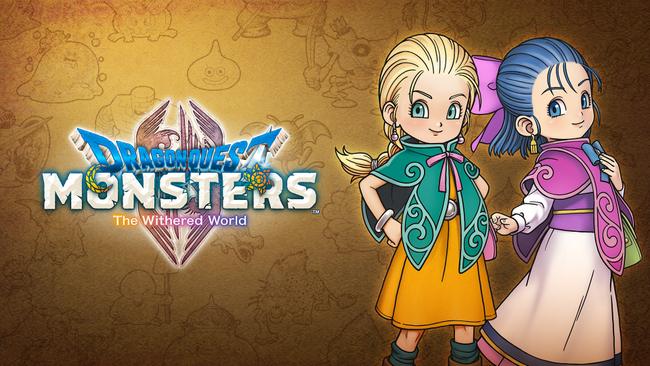
Square Enix has officially pulled back the curtain on the complex mechanics defining Dragon Quest Monsters: The Withered World, providing a comprehensive look at the systems that will govern monster recruitment, growth, and tactical combat. With a global release date set for December 3 across PlayStation 5, Xbox Series X|S, Nintendo Switch, and PC via Steam, anticipation is mounting for this latest entry in the iconic monster-taming franchise.
Following the initial reveal in June, which outlined the narrative premise and the core cast of protagonists, this latest information drop focuses heavily on the "Wrangler" gameplay loop. Players will step into the shoes of professional monster wranglers, tasked with navigating the titular "Withered World" to recruit, fuse, and master over 500 unique creatures.
The Role of the Wrangler: A Tactical Shift in Combat
At the heart of The Withered World is a fundamental departure from the traditional Dragon Quest party structure. Players do not engage in combat directly; instead, they act as conduits for their team of monsters. As a Wrangler, your role is that of a strategist and commander.
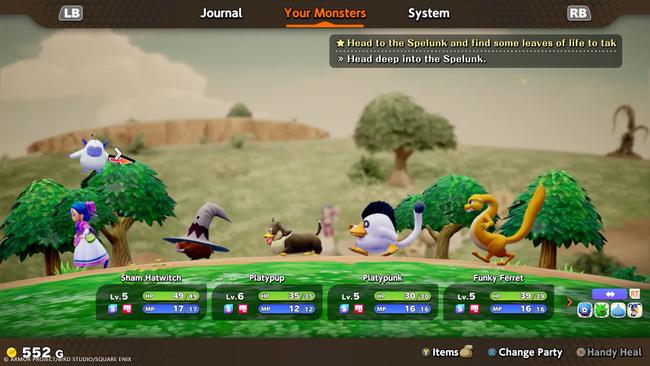
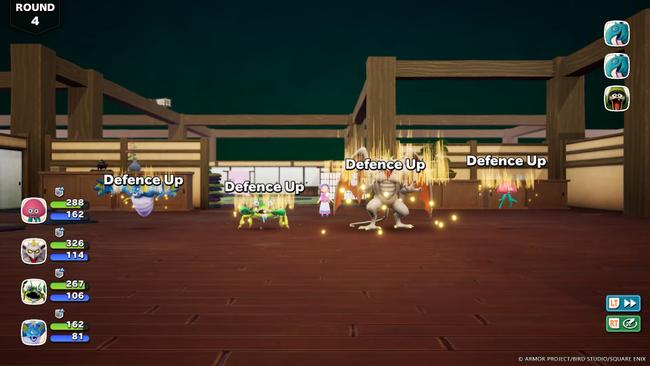
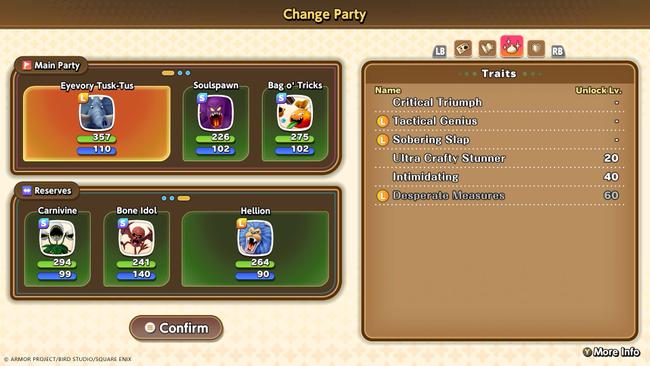
The game allows for a party of up to four active monsters, with an additional four kept in reserve, providing a total of eight creatures at any given time. This swap-in-the-moment mechanic is designed to reward tactical flexibility. Players can issue direct, specific commands to their monsters, or defer to a broader AI-driven "strategy" system.
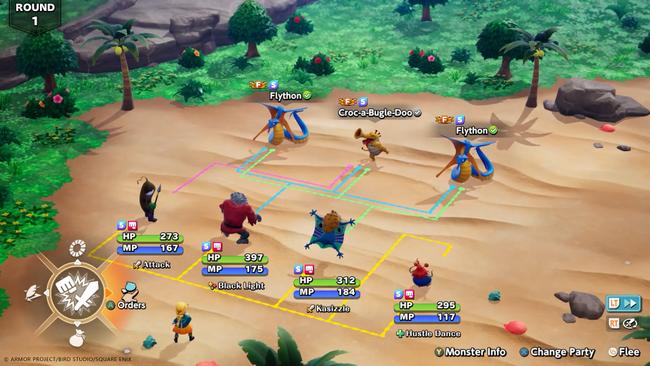
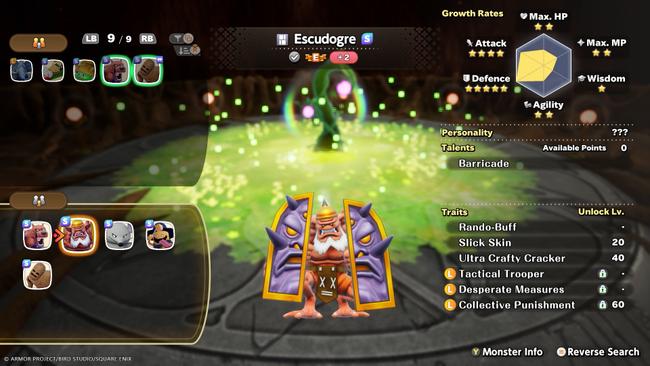
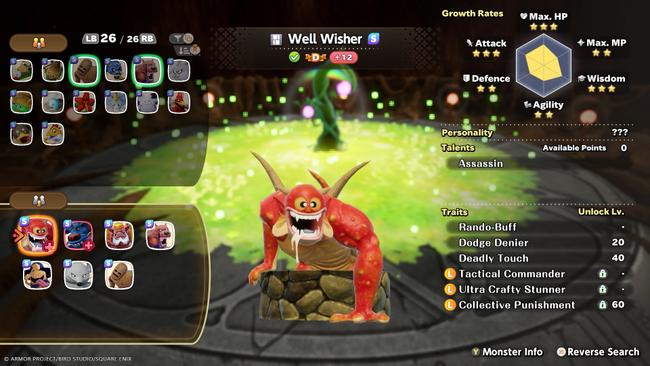
Success in The Withered World is predicated on deep knowledge of your monsters’ specific strengths. Every creature comes equipped with unique spells, combat abilities, and innate "Traits." These traits serve as passive modifiers that can dramatically alter the flow of battle, providing everything from stat buffs to defensive counters.
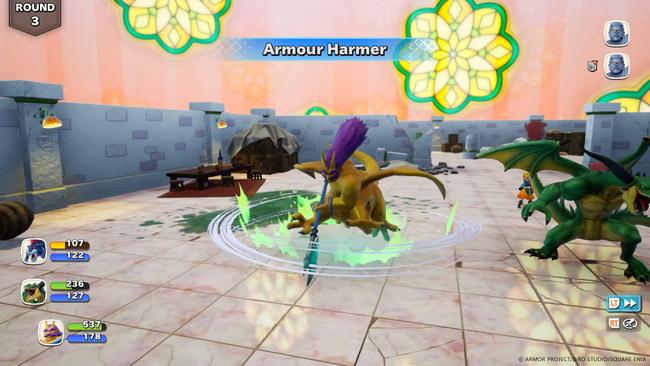
The Wrangler’s Spirit: A Last-Ditch Tactical Asset
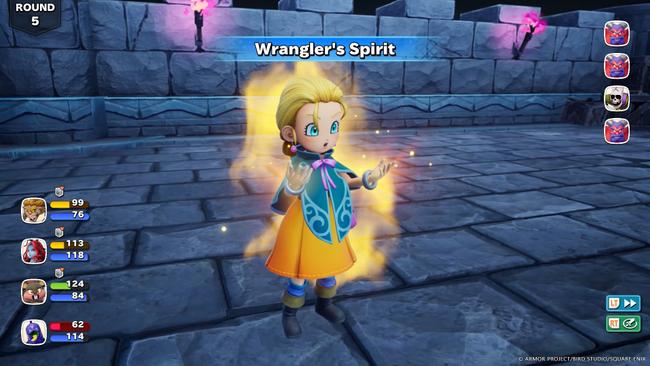
Perhaps the most intriguing addition is the "Wrangler’s Spirit," a mysterious, luck-based ability that can trigger once per battle. This mechanic acts as a potential "tide-turner" when a conflict becomes dire.
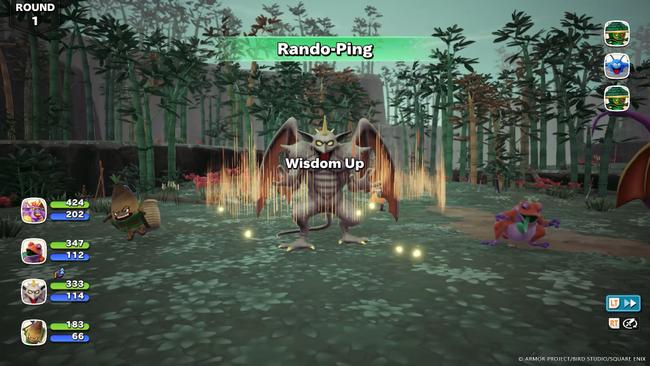
Crucially, the effect of the Wrangler’s Spirit is tied to the protagonist you select. If you are playing as Bianca, the spirit manifests as a restorative force, healing party HP and boosting attack power. Conversely, those playing as Nera will see a defensive surge, with the spirit restoring MP and reinforcing the party’s defense. This distinction suggests that character selection will influence not just the narrative, but the fundamental playstyle of the player’s team.
Recruitment and Raising: The Path to Power
The monster-taming loop is robust, featuring over 500 distinct creatures categorized into eight families, including the series-staple Slimes and Dragons. Every monster is assigned a rank from G to X and possesses a specific size—either Small (S) or Large (L).
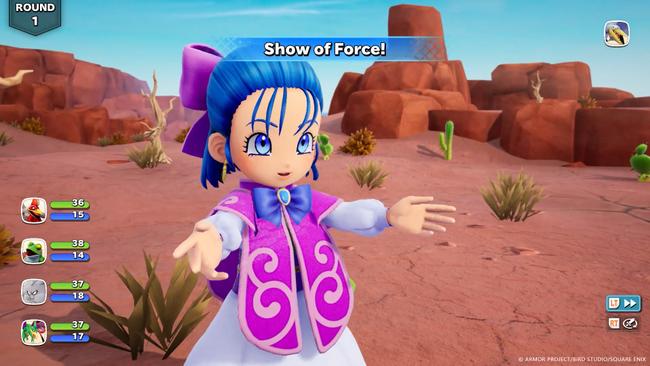
The "Show of Force" Recruitment System
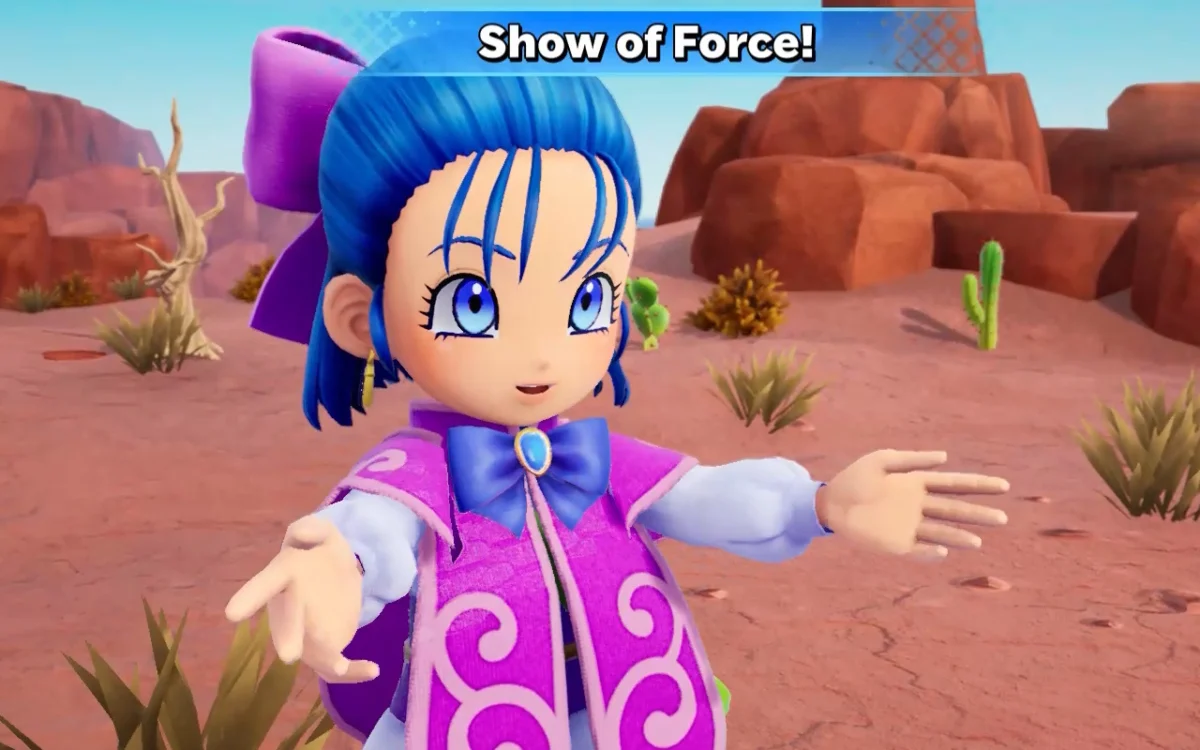
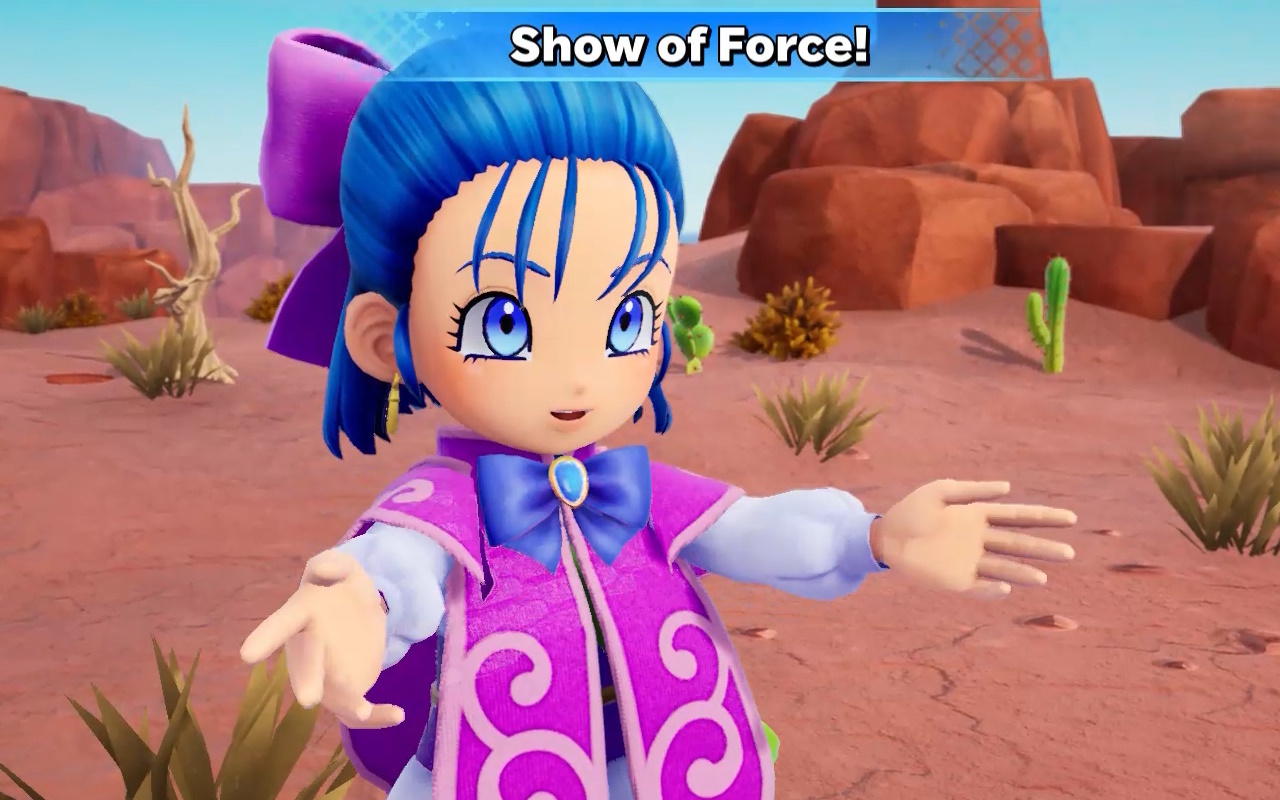
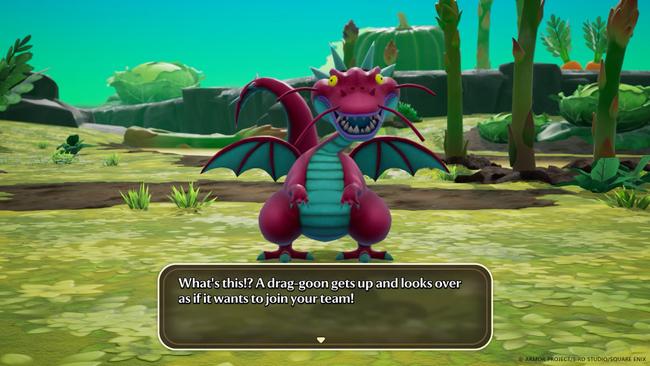
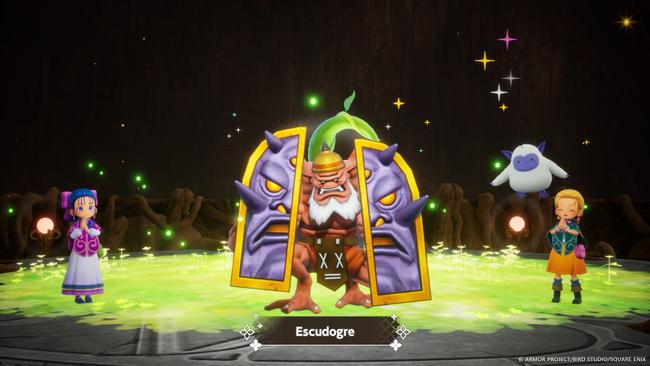
Players will encounter monsters throughout the game’s various dungeons and biomes. To add a creature to your roster, you must perform a "Show of Force" during battle. Success is not guaranteed, but players can utilize specific items to increase their odds. Occasionally, a defeated monster may simply choose to join the party out of respect for the player’s strength.
Growth and Personality
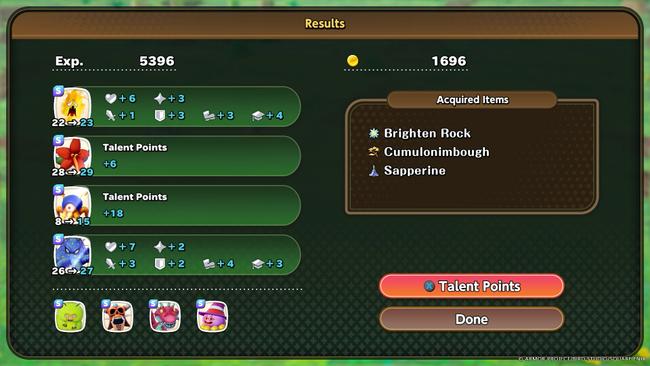
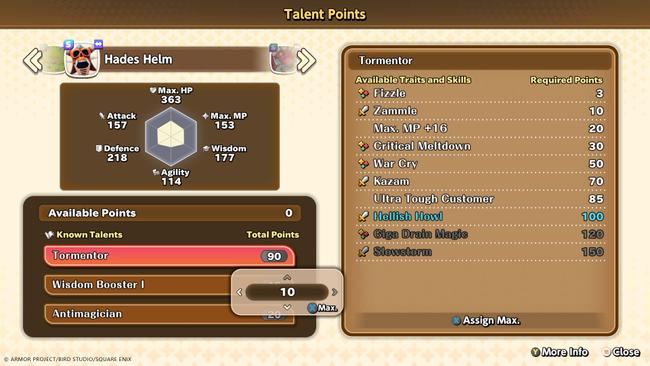
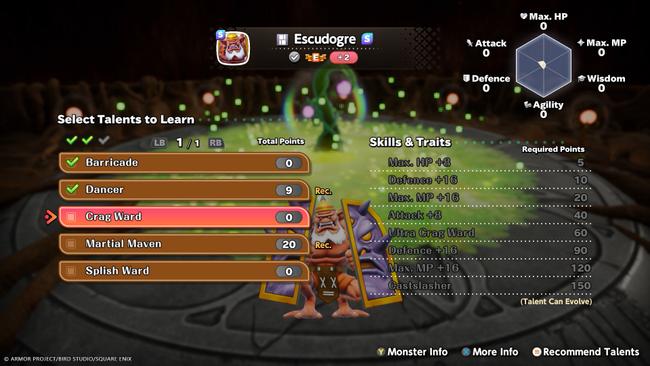
Once recruited, monsters gain experience through combat. As they level up, they earn "Talent Points." These points are critical; a single monster can hold up to three "Talents." By investing points into these talents, players can teach their monsters new abilities or permanently boost their base attributes.
Furthermore, each monster possesses a distinct "personality." This factor dictates the growth rate of their attributes, meaning that two identical monsters can end up with vastly different stat spreads by the late game. If you are unhappy with a creature’s potential, the game provides specific items to alter their personality, allowing for surgical precision in team building.
The Trade-off of Large Monsters
The inclusion of size (S and L) introduces a significant tactical trade-off. A Large monster occupies two slots in your party. While this limits your total headcount, these creatures are significantly more powerful, possessing more traits and the ability to perform multiple actions per turn. Deciding between a diverse team of four small units or a devastating duo of large monsters will be a core strategic choice for players.
The Art of Synthesis: Building the Ultimate Team
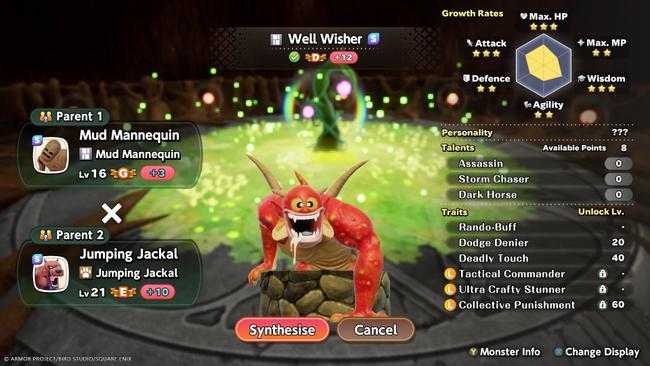
For many fans, the highlight of the Dragon Quest Monsters series is the synthesis system, and The Withered World appears to be doubling down on this complexity. Synthesis allows players to combine two monsters—provided they have reached at least level 10—to create a new, potentially superior offspring.
Inheritance and Plus Values
When synthesis occurs, the two parent monsters are consumed, leaving behind a child that inherits talents from its lineage. If a parent has already maxed out a talent, that talent may even "evolve" into a more powerful version for the child.
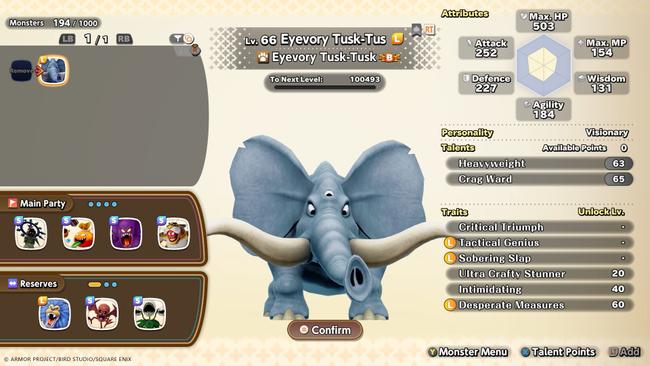
A vital mechanic introduced here is the "Plus Value." By carefully selecting parents with high Plus Values, players can ensure their child monster receives substantial bonuses to their base stats. In some cases, a high enough Plus Value can even result in the offspring being born at a higher rank than either of its parents.
Special and Quad-Synthesis Patterns
The game features a layer of "secret" recipes. Beyond standard pairings, there are specific combinations that unlock unique, rare monsters that cannot be obtained through standard exploration. Some of these elite creatures require the synthesis of four different monsters, acting as a massive endgame goal for completionists. These "special" syntheses are denoted by a star icon in the menu, signaling that the player has stumbled upon a rare combination.
Introducing New Species
While the game features a nostalgic roster of classic Dragon Quest foes, Square Enix has teased several new, franchise-exclusive monsters:
- Slime Balls: A variation of the classic Slime family, these creatures come in three variants—sour plum, veggie mix, and shrimp tempura—offering a whimsical twist on the series mascot.
- Bamboo Badboy: A Nature-family monster that disguises itself as a succulent bamboo shoot, luring unsuspecting adventurers in before striking.
- Groovy Grouse: Also of the Nature family, this creature is defined by its constant, rhythmic movement, as if dancing to an internal melody.
Implications for the Genre
With the December 3 release date looming, Dragon Quest Monsters: The Withered World is positioning itself as a premium experience in the monster-taming genre. By providing deep, granular control over stat growth, personality traits, and complex synthesis trees, Square Enix is catering to a hardcore audience that enjoys the "math" of RPGs as much as the exploration.
The inclusion of the "Wrangler’s Spirit" and the strategic weight of Large versus Small monsters suggests that the developers are looking to evolve the combat beyond simple rock-paper-scissors elemental mechanics. As players begin to map out the best synthesis routes and explore the mysteries of the Withered World, it is clear that this title aims to be the definitive monster-collection experience of the current console generation.
With the game launching simultaneously on next-gen consoles and the Nintendo hardware ecosystem, it is well-positioned to dominate the holiday sales charts, proving that even after decades, the Dragon Quest formula remains one of the most compelling in gaming.

