

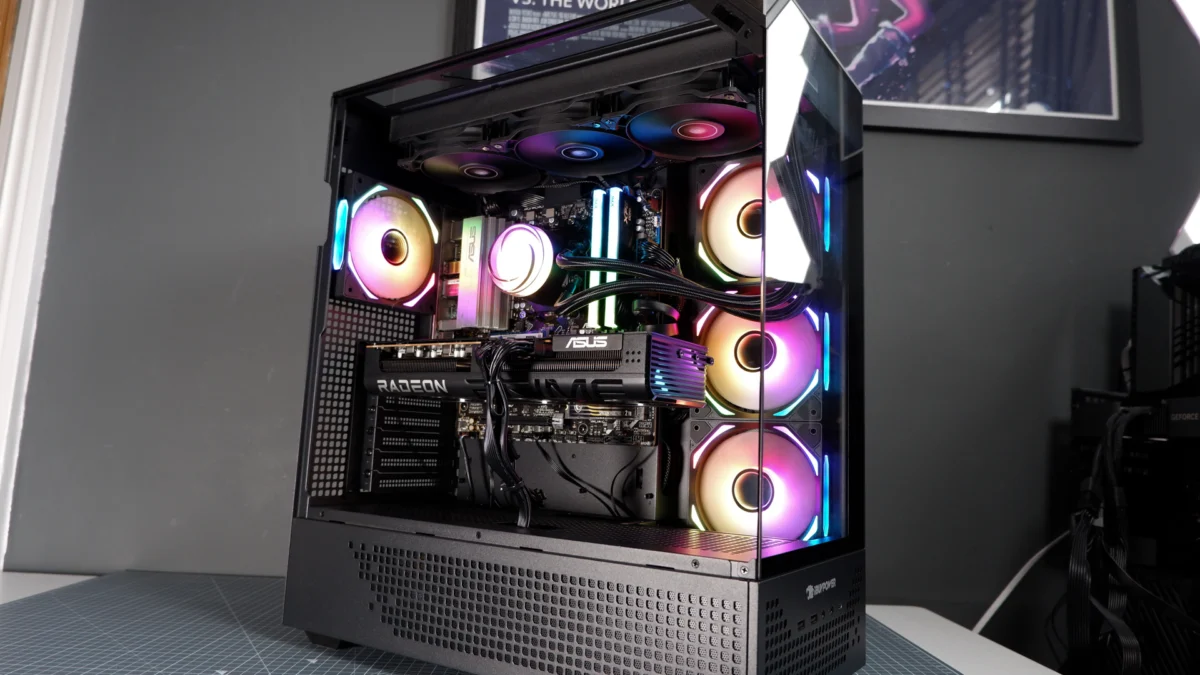
The global personal computer market, once bolstered by the rapid integration of artificial intelligence and the mandatory shift toward Windows 11-compatible hardware, has hit a formidable wall. New research from Counterpoint confirms that the industry is currently grappling with a severe memory crisis, leading to the first contraction in global PC shipments since the first quarter of 2025.
During the second quarter of this year, global PC shipments fell by 4% compared to the same period in 2024. This downturn, which mirrors findings previously released by IDC, signals a paradigm shift: consumer demand is finally buckling under the weight of surging component costs, specifically the skyrocketing prices of DRAM and other essential memory modules.
The Anatomy of the Crisis: Rising Costs and Shifting Strategies
The PC market is facing a “perfect storm” of economic pressures. While the industry had hoped that commercial refresh cycles—spurred by the migration to Windows 11 and the high-performance requirements of modern AI-integrated PCs—would insulate it from wider economic volatility, reality has proven far more stubborn.
According to Counterpoint’s market analysis, the surge in DRAM prices has significantly inflated the Bill-of-Materials (BoM) for manufacturers. OEMs (Original Equipment Manufacturers) are now faced with a difficult dilemma: they must either absorb these costs, thereby shrinking their profit margins to unsustainable levels, or pass the price hikes directly to the consumer.
Most have opted for a mix of the two. Market data shows that many manufacturers are now prioritizing higher-margin premium systems while cutting back on entry-level configurations. For the average consumer, this translates to a scarcity of affordable machines, forcing many potential buyers to postpone their upgrades entirely.
Chronology: From Supply Chain Resilience to Market Saturation
The trajectory of this decline was not instantaneous. To understand how the market reached this point, one must look at the recent timeline of the semiconductor industry.
- Early 2025: The PC market showed surprising resilience, with analysts predicting that the “AI PC” marketing push would drive a sustained recovery. Manufacturers were operating on component stockpiles purchased at pre-inflation prices.
- Late Q1 2025: The first cracks appeared. As global demand for high-bandwidth memory (HBM) surged due to the massive infrastructure requirements of AI data centers, traditional DRAM supply for consumer PCs began to tighten.
- Q2 2026 (The Current State): The “crossover point” was reached. Manufacturers burned through their legacy stock and were forced to purchase memory at current market rates, which in some sectors have doubled in cost.
- Current Outlook: Shipments have declined by 4% globally. Even the seasonal “Prime Day” sales events, which typically serve as a barometer for consumer interest, failed to stimulate enough volume to reverse the trend, as the underlying price floor for mid-range systems shifted upward by several hundred dollars.
Supporting Data: Winners and Losers in a Shrinking Market
The aggregate decline of 4% masks a uneven distribution of performance across the industry’s major players. Large-scale manufacturers are seeing the most pronounced drops in volume as they struggle to maintain their massive supply chains in an environment of volatile pricing.
Manufacturer Performance (Year-over-Year)
- HP: Experienced an 8% decrease, signaling a significant struggle to move units in the current price-sensitive climate.
- Dell: Faced a 6% decline, reflecting the broader challenges in the commercial and enterprise sectors where bulk procurement cycles are being delayed.
- Lenovo: Reported a 2% decrease, performing slightly better than its peers but still failing to break even.
Conversely, some brands bucked the trend. Apple, in particular, recorded a notable 13% growth in shipments, while Asus saw a 4% increase. Analysts attribute this localized success to specific product strategies, such as the introduction of the “MacBook Neo,” which has successfully captured the budget-conscious segment of the market by offering high value-to-cost ratios that remain competitive despite the global memory crisis.
Official Responses and Industry Reality Checks
The most telling evidence of the severity of this crisis comes from Framework, a company known for its transparency regarding supply chain logistics. In a recent disclosure, the company revealed that their suppliers had increased memory costs by more than double their previous shipment rates. This is not a subtle fluctuation; it is a fundamental shift in the cost of production.
Other industry leaders are echoing this sentiment. The CEO of SK Hynix recently suggested that consumer demand for high-performance memory is likely to remain higher than supply capacity well beyond 2030. This suggests that the current “crisis” may not be a temporary blip caused by supply chain bottlenecks, but a long-term structural issue related to the scarcity of high-speed, high-density DRAM.
While larger companies like Dell or HP possess greater bargaining power with suppliers—allowing them to hedge against price spikes for a longer duration—they are not immune to the laws of supply and demand. As the cost of components continues to climb, the ability to "subsidize" consumer prices is reaching its limit.
Implications for the Consumer and the Future of PC Gaming
For the average user, the implications are profound. The days of easily finding a "budget" gaming rig for under $800 are rapidly coming to a close. Recent market checks indicate that even entry-level gaming systems are now gravitating toward the $1,000 threshold, and mid-range configurations are frequently crossing the $1,500 mark.
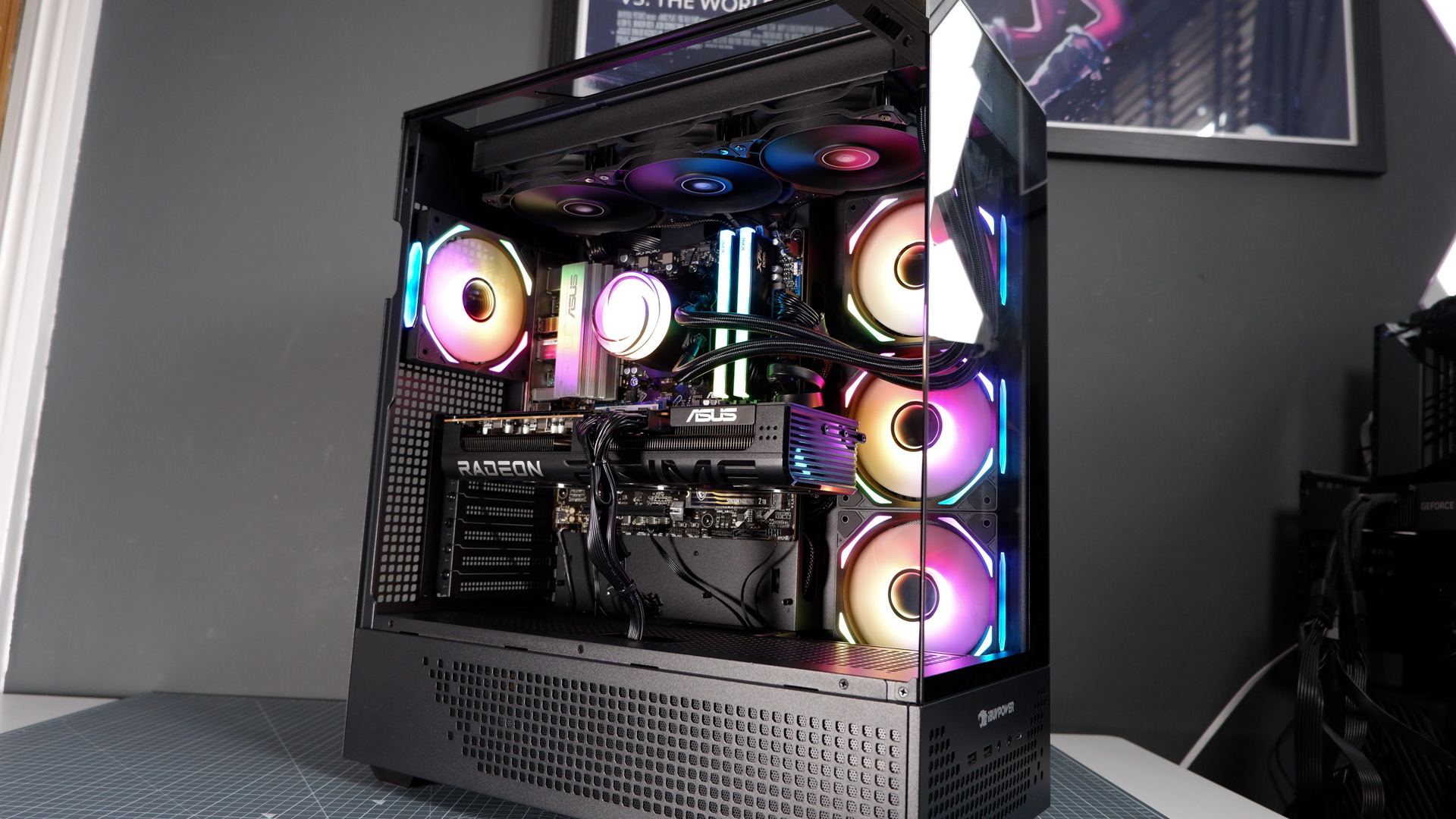
Perhaps more concerning is the degradation of build quality in budget machines. To maintain lower price points, some system integrators are resorting to using older DDR4 memory, which lacks the performance benefits of the modern standard, or opting for single-channel DDR5 configurations that significantly bottle-neck system performance.
A Turning Point for the Industry
The shift in the PC market suggests that the "AI-driven upgrade cycle" may have been overly optimistic. Consumers are proving to be price-elastic; while they may desire the latest features, they are unwilling to pay a premium that reflects a 100% increase in component costs.
As the industry looks toward the remainder of 2026, the outlook remains cautious. If memory prices continue to escalate at the rates reported by Framework and other OEMs, we may see a prolonged period of stagnant growth. Manufacturers will likely continue to shift their focus toward high-margin enterprise and workstation sales, leaving the casual consumer and the budget-oriented gamer in a precarious position.
For those waiting for the “next big deal,” the current data serves as a stark warning: the days of cheap, high-performance computing are currently suspended. Until the gap between supply and demand for DRAM is closed, the price of entry into the modern PC ecosystem will remain a significant hurdle for the market to overcome. Whether this triggers a wave of innovation in memory efficiency or forces a fundamental contraction of the PC gaming segment remains to be seen. One thing is certain: the era of "easy upgrades" is currently on hold.

