

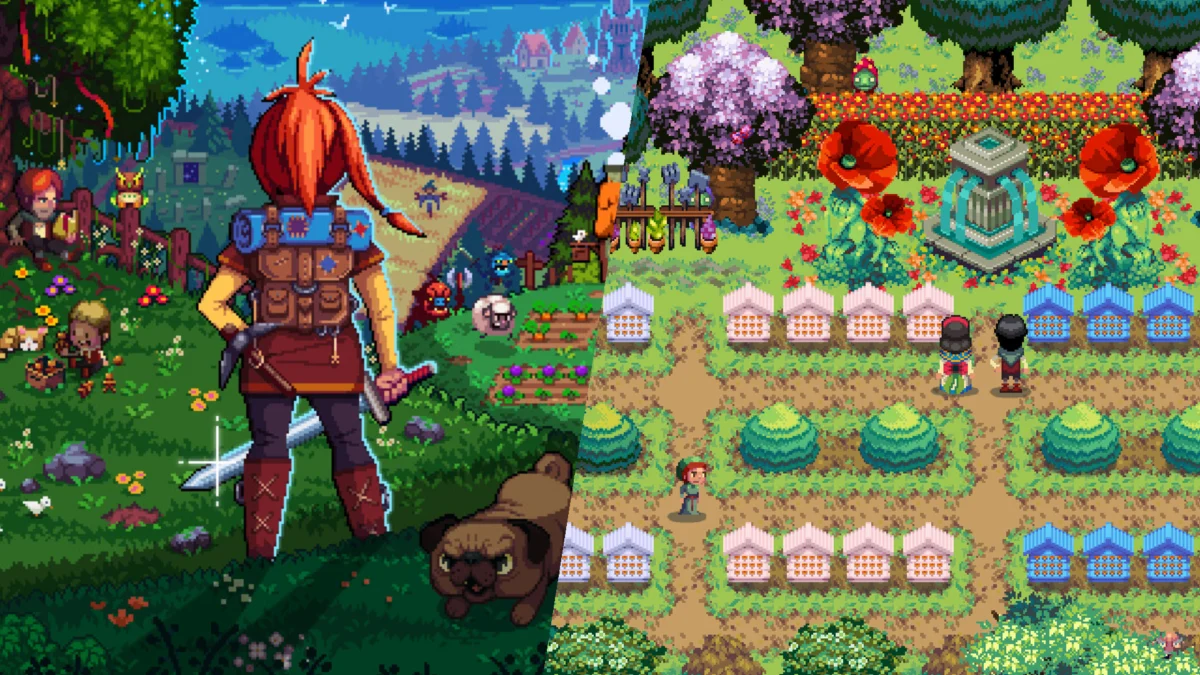
Ten years have passed since ConcernedApe’s Stardew Valley single-handedly revitalized the farming simulation genre, transforming a niche sub-genre of RPGs into a global cultural phenomenon. In the wake of its success, the digital storefronts have been flooded with titles promising that same blend of tranquil agricultural management, social maneuvering, and seasonal discovery. However, beneath the veneer of charming pixel art and cozy aesthetics lies a crowded marketplace, where the quality of gameplay often fluctuates wildly. For the discerning player, separating the "darlings" from the "mid" titles has become an increasingly complex task.
As the genre matures, the criteria for a "great" farm sim have shifted. It is no longer enough to simply offer a plot of land and a watering can; players now demand deep, character-driven narratives, refined quality-of-life mechanics, and distinctive world-building.
The Evolution of the Genre: A Chronology
The trajectory of the farm sim began with the seminal Harvest Moon (later Story of Seasons) series, which established the foundational loop of planting, harvesting, and romance. For years, the genre remained stagnant until Stardew Valley arrived in 2016, proving that indie developers could iterate upon the formula with modern sensibilities and deeper emotional hooks.

Following the 2016 boom, we entered a period of rapid expansion. Between 2020 and 2024, the industry saw an influx of titles attempting to capture the "cozy" audience. Some, like Roots of Pacha, sought to innovate by changing the setting entirely, moving from the pastoral countryside to the prehistoric era. Others, like Coral Island, aimed for scale, attempting to modernize the graphics and expand the social roster to unprecedented levels. As of late 2024, the genre has moved into a "refinement phase," where developers are prioritizing specific niches—such as creature-collecting or supernatural themes—to stand out in a saturated market.
The Benchmark for Excellence: Top Tier Selections
To provide a roadmap for enthusiasts, I have curated a selection of titles that not only respect the Stardew legacy but improve upon it through innovation and heart.
1. Fields of Mistria: The Masterclass in Character Writing
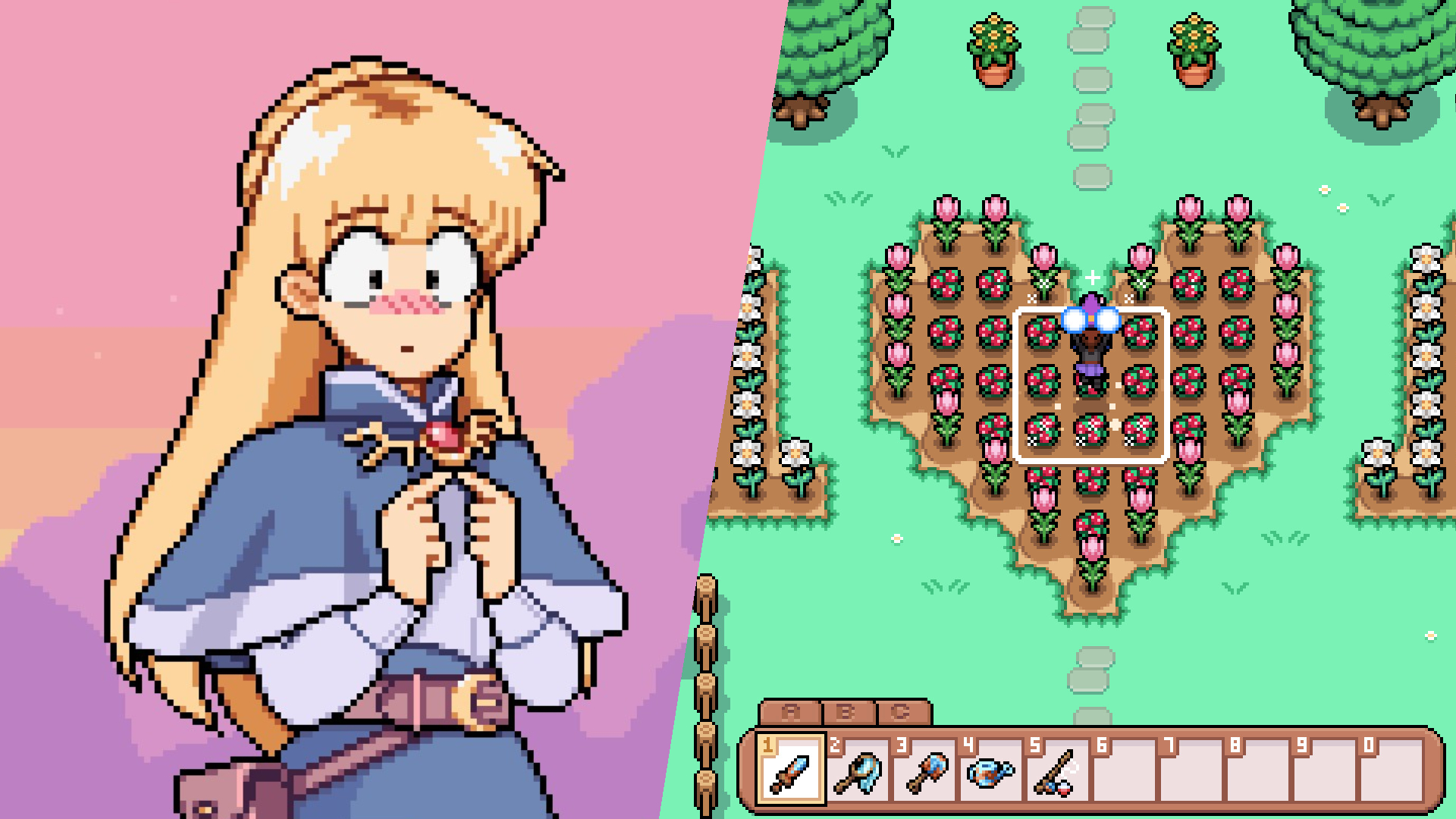
After two years of meticulous early access development, Fields of Mistria has emerged as perhaps the most compelling successor to the throne. It captures the aesthetic zeitgeist of the ’90s—evoking the charm of Game Boy Advance classics and Saturday morning anime—but its true strength lies in its writing.

The game is a masterclass in subverting tropes. While it includes familiar archetypes, such as the arrogant witch or the brooding tsundere, the dialogue is remarkably dense and authentic. The developers have invested heavily in creating a cast that feels like a living, breathing community. With an imminent 1.0 launch, Mistria proves that when you combine high-quality narrative design with intuitive quality-of-life improvements, you create a game that feels not just playable, but essential.
2. Roots of Pacha: The Definitive Co-op Experience
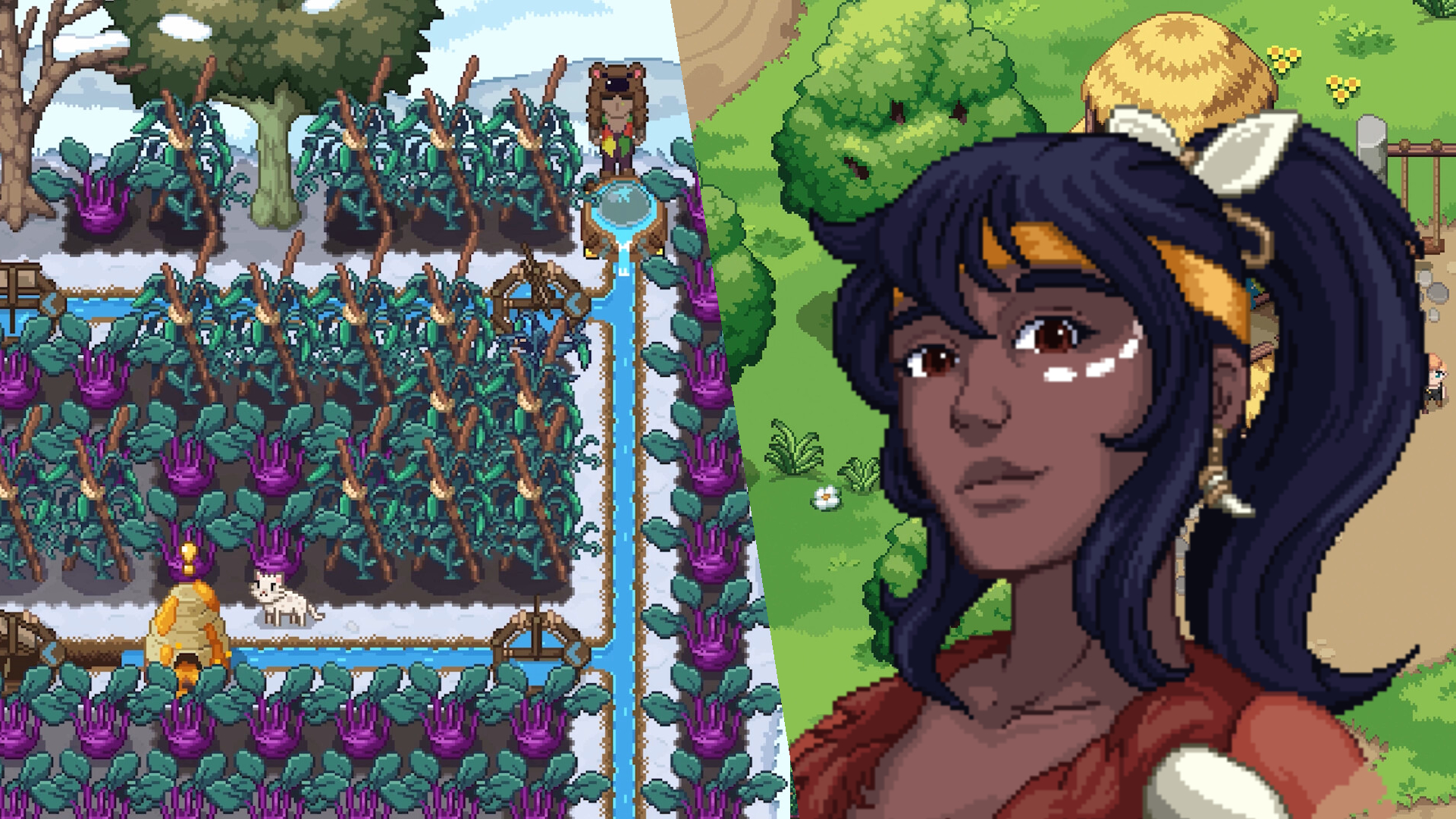
If Stardew Valley is the gold standard for solo play, Roots of Pacha is the undisputed king of cooperative agriculture. Set in the Stone Age, the game replaces modern capitalist tropes with a communal focus.
Data from the player community suggests that Roots of Pacha succeeds where others fail because it does not try to reinvent the wheel, but rather tunes the formula to perfection. Its inclusion of a "tech tree"—where the community works together to invent tools and agricultural breakthroughs—creates a shared sense of progression that is rare in the genre. Its 88% critical reception reflects a game that delights in staples while offering fresh, mechanics-driven engagement, such as its unique animal-taming minigames.

3. Coral Island: The King of Scale
For players who feel the "village" in most sims is too small, Coral Island offers a sprawling, high-fidelity experience. With a staggering 30 romanceable characters, it shatters the industry standard of a dozen, providing a level of social variety that makes the world feel vibrant and inclusive.
Coral Island represents the "modern blockbuster" approach to the genre. Following its early access period and several massive post-launch updates, it has integrated sophisticated features like a toggleable jealousy system and robust environmental restoration mechanics. It serves as an example of how a game can grow alongside its community, responding to player feedback to become an expansive, feature-rich sandbox.
4. Moonstone Island: Bridging Genres
Moonstone Island takes a bold risk by shifting the focus from crops to creatures. By blending open-world exploration, procedural generation, and turn-based combat with farming, it appeals to a cross-section of players who find traditional farming loops repetitive. While the social elements are arguably shallower than those in Fields of Mistria, the gameplay loop of exploring floating islands and collecting spirits is addictive. It flips the script, making the player’s relationship with their creatures the primary pillar of the experience.
5. Kynseed: The RPG Hybrid
Kynseed remains a unique, albeit polarizing, entry. It is less a "farm sim" and more a "life sim" that pulls inspiration from Fable and Crusader Kings. Its pixel art is dense and at times haunting, creating a world that feels grounded in dark folklore.
The game’s depth comes from its generational mechanics; players can raise families and watch their legacy unfold over decades. While it lacks the immediate "cozy" accessibility of its peers, it offers a level of mechanical complexity—particularly in its tactile cooking and crafting systems—that rewards long-term investment.
Analyzing the "Mid" Tier: The Case of Moonlight Peaks
The current saturation of the market has led to the rise of what some critics call "aesthetic-first" games. Moonlight Peaks, for example, generated significant anticipation for its vampire-themed take on the Animal Crossing formula. However, critical consensus—including my own review—suggests that while the game is functional and visually striking, it fails to deliver on substance.
The implication here is that aesthetic charm is no longer a substitute for poor writing or lack of mechanical depth. Players are becoming more discerning; a game cannot simply look like a hit to become one. The failure of such titles to maintain player retention is a clear signal to developers that the "cozy" label is not a shield against criticism regarding gameplay loops or character development.
The Future of the Farm Sim
As we look ahead, the industry is poised for further diversification. The "Stardew effect" is evolving from simple imitation to genre-bending. We are seeing more integration of survival-crafting elements, complex RPG systems, and procedural world-building.
For the average player, the advice remains the same: stop trying to play everything. With the sheer volume of high-quality content currently available, you only need to find the few titles that truly resonate with your specific preferences—whether that be the narrative-heavy approach of Fields of Mistria or the communal, co-op focus of Roots of Pacha.

Ultimately, the best farm sims of today are those that respect the player’s time while offering a world worth living in. As the genre continues to evolve, developers must remember that the secret to Stardew Valley’s longevity wasn’t just the farming; it was the humanity behind the pixels. The future belongs to the games that can replicate that same, intangible sense of home.

