

The landscape of modern cinema is currently witnessing a seismic shift as generative artificial intelligence moves from a curiosity in experimental labs to a central tool in the hands of established auteurs. Neill Blomkamp, the Academy Award-nominated director behind sci-fi staples such as District 9, Elysium, and Chappie, has officially entered the fray. Known for his gritty, photorealistic integration of CGI and practical effects, Blomkamp has stunned the industry not with a new blockbuster, but with a 14-minute AI-generated short film titled Nightbourne.
The release, while intended to showcase the frontier of filmmaking technology, has ignited a firestorm of criticism. As Blomkamp pivots toward an AI-centric production model through his newly founded Barley Studios, the film community is grappling with the implications of an "AI-first" Hollywood.
Neill Blomkamp’s Radical Pivot: From Practical Effects to Generative AI
Neill Blomkamp’s career has always been defined by a unique marriage of high-concept social commentary and groundbreaking visual effects. When District 9 arrived in 2009, it was hailed for making a modest budget look like a $200 million tentpole, thanks to Blomkamp’s background in 3D animation and his insistence on tactile, "lived-in" environments.
However, in recent years, Blomkamp has shifted his focus toward shorter, more experimental forms of media. Through his Oats Studios venture, he released several high-fidelity shorts on YouTube and Steam, testing the waters for non-traditional distribution. The release of Nightbourne represents the logical—if highly controversial—next step in this evolution. Rather than using traditional rendering pipelines that require hundreds of VFX artists, Blomkamp has turned to Seedance 2.0, a generative AI platform, to synthesize an entire cinematic world.
"Nightbourne": A Dissection of the AI Zombie Thriller
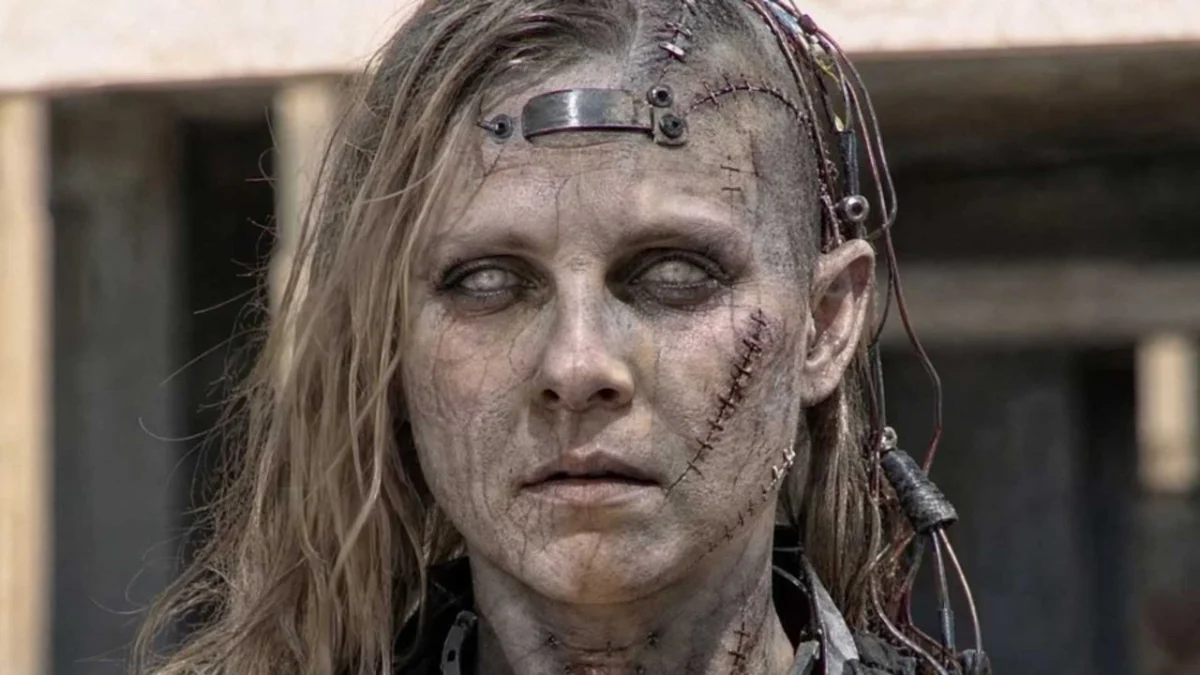
Nightbourne is a 14-minute narrative that blends military procedural elements with supernatural horror. The plot follows a helicopter pilot who is shot down and killed in the line of duty. However, the story takes a dark turn when it is revealed that the military is not merely mourning its lost soldiers but is actively resurrecting them as "super-soldier" zombies.
Technically, the film is a massive undertaking for the current state of AI. It features 32 distinct AI characters, which Blomkamp claims are based on the likenesses and performances of real actors. This hybrid approach—using real human foundations to guide generative algorithms—is intended to bridge the gap between the "uncanny valley" of pure AI and the emotional resonance of traditional acting.
Technical Foundations: Seedance 2.0 and the Digital Cast
The primary engine behind Nightbourne is Seedance 2.0. This software belongs to a new generation of video-to-video and text-to-video tools that allow creators to manipulate lighting, character consistency, and environments with a fraction of the traditional computational overhead.
Blomkamp’s use of 32 AI-generated characters is perhaps the most ambitious aspect of the project. By basing these digital entities on real actors, the director sought to maintain a level of continuity that has plagued previous AI experiments. Despite these efforts, the final product has become a lightning rod for discussions regarding the "soul" of digital art.
The Fan Backlash: "AI Slop" and the Death of Craft
The reception to Nightbourne has been overwhelmingly critical, particularly from Blomkamp’s long-standing fan base. For many, the director’s move toward AI feels like a betrayal of the craftsmanship that made District 9 a masterpiece.
On social media platforms like X (formerly Twitter) and Reddit, the term "AI slop" has been frequently leveled at the film. One user remarked, "Wow Neill, thank you for showing us that even in the hands of an established director, AI slop looks indistinguishable from everyone else’s AI slop." This sentiment highlights a growing fatigue with the aesthetic of generative video, which often features a shimmering, unstable quality that many find distracting.
Another major point of contention is the long-delayed District 10. Fans who have waited nearly two decades for a sequel to Blomkamp’s breakout hit expressed frustration that his creative energy is being diverted into what they perceive as a technical gimmick. "Waited 17 years for District 10, and now this? Come on, man," wrote one disappointed viewer on YouTube.
Analyzing the Glitches: When Buildings Move and Faces Melt
Beyond the philosophical objections, Nightbourne suffers from the technical "hallucinations" common to current generative AI. Sharp-eyed viewers have documented a litany of inconsistencies that break the cinematic illusion:
- Anatomical Inconsistency: Injury placements on characters shift between shots, with wounds appearing and disappearing or moving from one side of a character’s face to the other.
- Environmental Instability: In several background shots, buildings and structures appear to "drift" or subtly change shape as the camera moves, a phenomenon caused by the AI’s inability to maintain 3D spatial awareness across frames.
- The Uncanny Valley: While the characters are based on real actors, their micro-expressions often feel "off." Viewers reported strange line-readings where the mouth movements didn’t quite sync with the emotional weight of the dialogue, leading to a robotic, unsettling effect.
- Character Duplication: Due to the limitations of the AI’s memory, some secondary characters appear to be clones of one another, further stripping the film of its grounded reality.
Barley Studios and the Roadmap to an AI Feature Film
Despite the backlash, Neill Blomkamp remains undeterred. He has doubled down on the technology by founding Barley Studios, a production house dedicated exclusively to AI-integrated filmmaking. Blomkamp views AI not as a replacement for creativity, but as a tool that will allow independent creators to compete with the massive budgets of major studios.
Blomkamp has already announced plans to produce a full-length feature film using these AI tools. His argument hinges on the democratization of the medium: if a director can generate high-concept sci-fi worlds without a $100 million VFX budget, the barriers to entry for complex storytelling are effectively lowered. However, the current state of Nightbourne suggests that the technology may not yet be ready for the scrutiny of a 90-minute theatrical release.
The Broader Context: AI’s Encroachment on Hollywood
Blomkamp is not alone in his pursuit of AI cinema. The film industry is currently at a crossroads, with several major developments occurring simultaneously:
- The Odyssey Remake: Another studio recently announced an AI-generated version of The Odyssey. Interestingly, the producers of that project have been transparent about its limitations, admitting it will likely not reach the cinematic heights of a Christopher Nolan epic but framing it as an exploration of new media.
- Sora and Lionsgate: OpenAI’s video generator, Sora, has sent shockwaves through the industry. Recently, Lionsgate (the studio behind John Wick and The Hunger Games) announced a partnership with an AI firm to train models on their library of content, aiming to streamline their internal VFX processes.
- Labor Disputes: The use of "32 AI characters based on real actors" in Nightbourne touches on the exact issues that fueled the 2023 SAG-AFTRA and WGA strikes. The ethics of using an actor’s likeness to train a model that could eventually replace them remains a legal and moral minefield.
Implications for the Future of Cinema
The controversy surrounding Neill Blomkamp’s Nightbourne serves as a microcosm of the larger debate over AI in the arts. On one side, proponents see a future where the "cost of imagination" drops to zero, allowing for a surge in niche, high-concept content. On the other side, critics see a future of "content" rather than "art"—a world where the human touch is replaced by algorithmic averages.
For Blomkamp, the gamble is significant. He is risking his reputation as a visionary filmmaker to become a pioneer of a medium that is currently reviled by many of his peers. If Barley Studios can overcome the technical hurdles of "shimmering" backgrounds and uncanny faces, it could revolutionize how movies are made. If not, Nightbourne may be remembered as a cautionary tale of what happens when technology outpaces the narrative soul of a project.
As the industry looks toward 2025 and 2026, the success or failure of Blomkamp’s upcoming AI feature will likely set the tone for how generative tools are integrated into the Hollywood pipeline. For now, the audience’s verdict is clear: technology is a powerful servant, but a poor master. The "slop" must become "cinema" before the public is ready to embrace the AI revolution.

