

The sprawling narrative of HBO’s House of the Dragon has always been a dance between the recorded "history" of George R.R. Martin’s Fire & Blood and the "truth" of the characters’ lived experiences. As the series moves deeper into the Dance of the Dragons, the tension between these two perspectives has reached a fever pitch. In a particularly poignant sequence during the middle of the second season—specifically Episode 5, titled "Regent"—the show laid the groundwork for one of the most ironic and unceremonious deaths in the entire Game of Thrones mythos.
While the episode itself was devoid of the massive dragon-on-dragon spectacles seen at Rook’s Rest, it provided a masterclass in character-driven foreshadowing. Ser Criston Cole, the Lord Commander of the Kingsguard and Hand of the King, delivered a monologue that was as stirring as it was delusional. For readers of the source material, Cole’s aspirations for a "glorious death" serve as a grim setup for a reality that is far more clinical and cold.
Main Facts: The Illusion of Chivalry and the Weight of the Crown
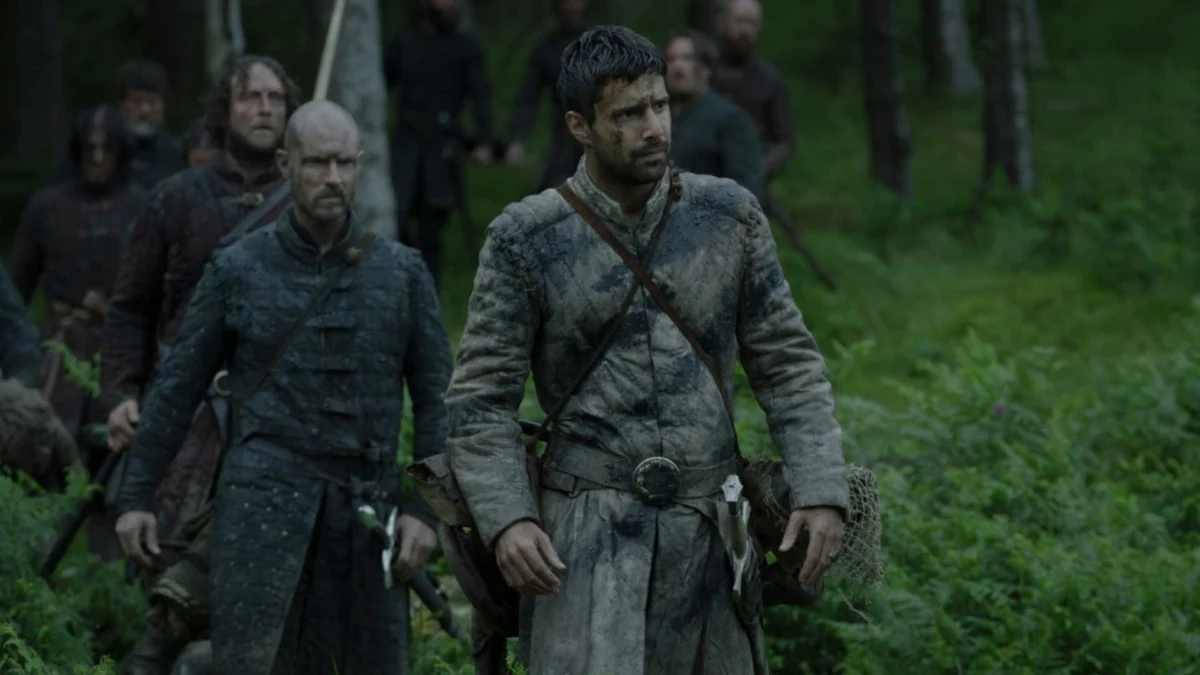
In the aftermath of the battle at Rook’s Rest, the Green faction finds itself in a precarious position. King Aegon II lies broken and burned, Aemond Targaryen has assumed the role of Prince Regent, and Ser Criston Cole is leading a weary army through the Crownlands. It is here, amidst the mud and the mounting casualties, that the show explores the psychological toll of the war on its most controversial figure.
The central conflict of the episode’s subplot involves the relationship between Ser Criston Cole and Ser Gwayne Hightower, the brother of Queen Alicent. Gwayne, representing the traditional nobility, views the war through a lens of duty and strategy. Cole, however, has begun to view the conflict through the lens of nihilism. Having witnessed the absolute devastation of dragonfire, Cole seems to realize that the era of the "great warrior" is coming to an end, replaced by the indiscriminate slaughter of aerial warfare.
Despite this realization, Cole clings to the romanticized ideals of the Kingsguard. He speaks of dying "unbent" and "glorious in battle," a sentiment that serves as the emotional anchor for his character arc this season. However, the "main fact" of this narrative is the disconnect between Cole’s self-perception and the historical record. In the world of Westeros, your death is often less about how you fought and more about who survived to tell the story.
Chronology: From the Tourney at King’s Landing to the March on the Crownlands
To understand the weight of Cole’s foreshadowing, one must look at the trajectory of his character across the series:
- The Rise of the Kingmaker (Season 1): Ser Criston Cole begins as a low-born knight of Dornish descent who wins the favor of Princess Rhaenyra Targaryen. His transition from her protector and lover to her most bitter enemy is the catalyst for much of the Green faction’s resolve. By crowning Aegon II, he earns the moniker "The Kingmaker."
- The Hand’s Strategy (Early Season 2): Following the death of Prince Lucerys Velaryon and the assassination of Prince Jaehaerys, Cole takes a proactive, albeit brutal, approach to the war. He replaces Otto Hightower as Hand of the King, favoring direct military action over political maneuvering.
- The Horror of Rook’s Rest: Cole leads the ground forces in a trap designed to kill Rhaenys Targaryen. While the mission is a "success," the cost is the near-death of his King and the realization that men on the ground are merely "ash and bone" in the face of dragons.
- The March through the Crownlands: In the episode in question, Cole is seen leading the Green host toward further engagements. It is during this march that he confesses his desire for a warrior’s death to Gwayne Hightower. This moment marks the transition of Cole from a man seeking power to a man seeking an exit strategy that preserves his honor.
Supporting Data: The "Butcher’s Ball" and the Reality of Fire & Blood
The irony of Cole’s speech in the show is rooted in the specific details of his death in George R.R. Martin’s Fire & Blood. The event, known to history as the "Butcher’s Ball," stands in stark contrast to the "glorious" end Cole envisions for himself.
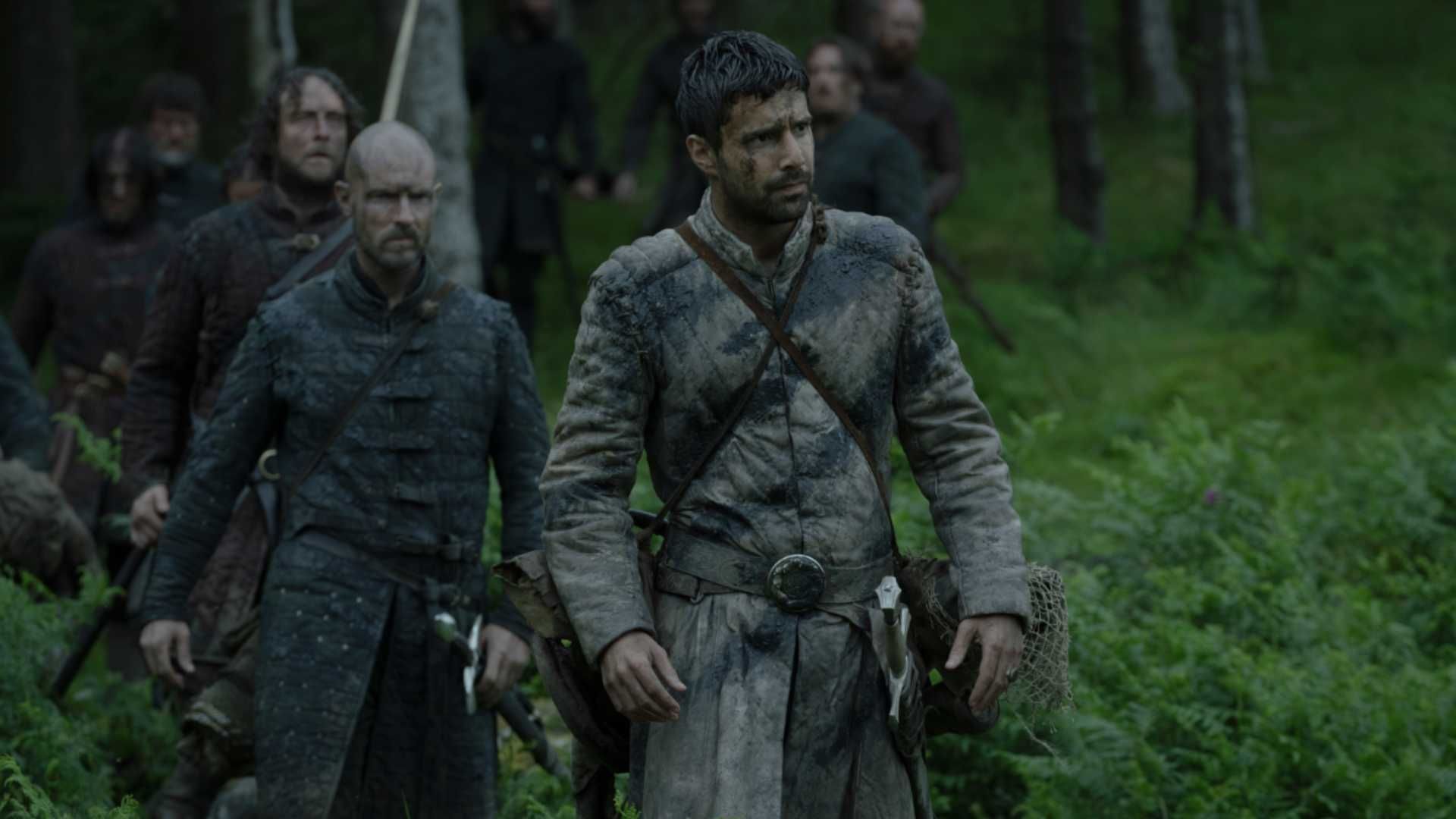
According to the text, Cole finds himself retreated and surrounded by the Black forces (the supporters of Rhaenyra) led by Roddy the Ruin, Pate the Woodcock, and Ser Garibald. Recognizing that his situation is hopeless, Cole attempts to negotiate. He offers to surrender his life in exchange for the lives of his men. When that is rejected, he falls back on the code of chivalry, challenging the Black commanders to single combat. He asks if "one of me against three of you" would be enough to make a fight of it.
The response he receives is the ultimate subversion of the fantasy genre. The Black commander, Longleaf the Lionslayer, refuses the duel, famously stating, "I’ll have no songs about how brave you died, Kingmaker. There’s tens o’ thousands dead on your account."
Instead of a clash of swords, Cole is met with a volley of arrows. He is struck down by three archers before he can even draw his blade. His head is subsequently removed and carried on a pike. This "supporting data" from the book highlights the show’s intentional irony: the man who wants a song-worthy death is destined to be executed like a common criminal, with his enemies explicitly forbidding any music to be made in his honor.
Official Responses: Insights from the Cast and Crew
The portrayal of Ser Criston Cole has been a point of pride for the show’s creators. Showrunner Ryan Condal has often discussed the theme of "history as a lie," suggesting that the TV show represents the "objective truth" while the book represents the "biased history."
In interviews following the release of Season 2, actor Fabien Frankel, who portrays Cole, has spoken about the character’s mental state. "Criston is a man who is very much aware that the world he knew is gone," Frankel noted. "He’s trying to find a way to make his life mean something in a world where a dragon can just turn you to dust in a second. He wants to go out on his own terms."
Furthermore, the writers have emphasized that Cole’s monologue to Gwayne Hightower was designed to humanize a character that much of the audience has grown to loathe. By showing his vulnerability and his desire for a "clean" death, the show adds a layer of tragedy to his eventual, "unclean" demise. This official narrative strategy ensures that when the "Butcher’s Ball" eventually occurs—likely in the upcoming Season 3—the impact will be felt more as a character’s failure to achieve his last wish rather than just a plot point.
Implications: The Deconstruction of the Heroic Myth
The foreshadowing of Criston Cole’s death carries significant implications for the broader themes of House of the Dragon and the Game of Thrones universe.
The Death of Chivalry
Cole represents the old world of Westeros—a world of tournaments, white cloaks, and "fair" fights. His death by archers symbolizes the death of that world. In the Dance of the Dragons, there is no room for the "greatest warrior" if that warrior can be killed by a peasant with a bow from fifty yards away. This mirrors the real-world historical transition where the rise of longbows and later gunpowder rendered the armored knight obsolete.
The Weight of Legacy
The fact that no songs will be sung of Cole’s death is perhaps the cruelest punishment the narrative could inflict upon him. In a culture where "living forever" means having your deeds recorded by the maesters and sung by the bards, Cole is destined for a "damnatio memoriae" (condemnation of memory). His legacy is not one of honor, but of the thousands of lives lost due to his political machinations.
Setting the Stage for Season 3
As the production moves toward the third season, the tension between the Greens and Blacks will only intensify. The foreshadowing in Episode 5 suggests that the show will not shy away from the brutal, unheroic nature of the war. Fans can expect the "Butcher’s Ball" to be a pivotal moment that reinforces the show’s central thesis: war is not a song; it is a slaughterhouse.
Conclusion
Ser Criston Cole remains one of the most complex and divisive figures in the Targaryen history. By enriching his character with a desire for a glorious end, the showrunners of House of the Dragon have set a narrative trap that will eventually spring with devastating irony. As Cole marches toward his destiny, the audience is left with the haunting realization that in the game of thrones, you don’t always get the ending you think you’ve earned. You get the ending that history—and your enemies—decide to give you.
When the arrows eventually fly, they won’t just be killing a man; they will be silencing the last echoes of a chivalric dream that Cole himself helped destroy. For now, the Kingmaker marches on, "clear-eyed" and "unbent," blissfully unaware that the songs he hopes for will never be sung.

