

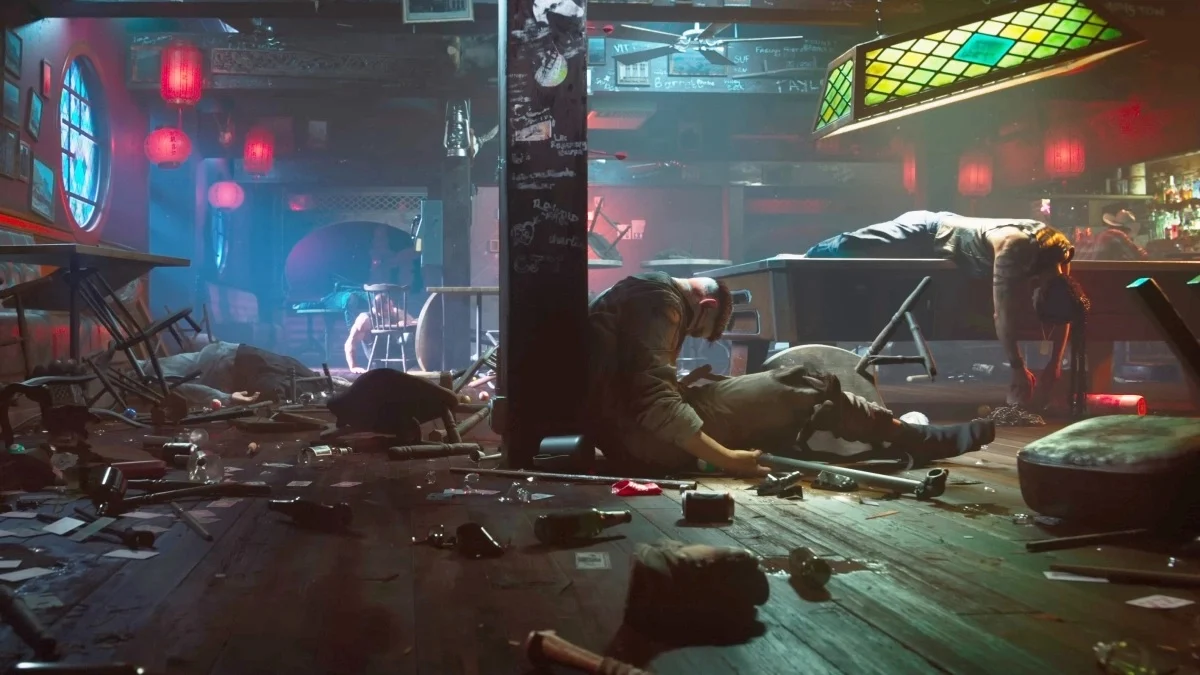
The video game industry is often a balancing act between technological progression and consumer preservation. Yesterday, Sony Interactive Entertainment and Insomniac Games attempted to pivot the conversation toward the former by surprise-dropping a high-octane, cinematic trailer for the highly anticipated PlayStation 5 exclusive, Marvel’s Wolverine. Titled "Ain’t No Hero," the trailer offered a visceral, gritty look at Logan’s upcoming journey. However, within minutes of the video going live, it became clear that the gaming community’s current appetite for physical media preservation has far eclipsed its excitement for new software.
While the trailer has already amassed over half a million views and more than 7,000 comments, the discourse has taken an unexpected, hostile turn. Rather than celebrating the confirmed appearance of the iconic villain Lady Deathstrike or the game’s atmospheric direction, the comment section—and the broader social media landscape—has been hijacked by a unified, vocal backlash against Sony’s recent decision to phase out physical disc production for its consoles.
The "Ain’t No Hero" Trailer: A Technical Marvel
The trailer itself is a masterclass in tone-setting. Insomniac Games, fresh off the massive success of the Spider-Man series, appears to be leaning into a darker, more mature narrative direction for the X-Men’s most volatile member. The footage highlights a world teetering on the edge of extinction, with the official blurb noting: "With the fate of humans and mutants hanging in the balance, Logan knows the world needs a hero; however, they’ll have to settle for Wolverine."
Technically, the trailer showcases the capabilities of the PlayStation 5, with fluid combat animations and high-fidelity lighting that suggests the game will be a graphical benchmark. The inclusion of Lady Deathstrike, a classic antagonist whose Adamantium-laced fingernails provide a perfect foil for Logan’s claws, indicates that Insomniac is digging deep into the rich lore of the Marvel mutant universe.
Yet, for all the artistic merit displayed in the clip, the reception has been muted by a storm of consumer frustration that has nothing to do with Logan’s path, and everything to do with the medium through which players will (or will not) be able to own the game.
Chronology of a Controversy: From Anticipation to Protest
To understand the current state of the Wolverine discourse, one must look at the timeline of Sony’s shifting strategy.
- Early 2024: Rumors began to circulate regarding Sony’s internal push toward a "digital-first" future, following the release of the PS5 Slim, which decoupled the disc drive as an optional accessory.
- Mid-2025: Industry analysts began noting a significant reduction in retail shelf space for physical PlayStation games at major global retailers, including Best Buy and Target.
- July 1, 2026: The tipping point occurred when Sony Interactive Entertainment officially confirmed that it would cease the production of physical game discs for its current and future hardware, citing environmental concerns and the logistical shift toward the PlayStation Network (PSN) as their primary distribution method.
- Yesterday: The surprise release of the Marvel’s Wolverine trailer provided a lightning rod for this pent-up frustration. Fans, who had been simmering over the July announcement, used the trailer as a platform to voice their dissent, effectively drowning out the marketing campaign for one of the company’s biggest upcoming titles.
The Economics of Digital-Only Distribution
Sony’s pivot to a digital-only model is not without its internal logic. From a corporate perspective, the removal of physical discs eliminates the secondary market—the used game trade—which does not generate revenue for publishers or developers. Furthermore, it eliminates the costs associated with manufacturing, shipping, warehousing, and retail markups.
However, the "Supporting Data" suggests that this transition is hitting a wall with the core fanbase. Surveys conducted by independent gaming research firms over the last six months indicate that nearly 65% of PlayStation users still prefer physical media for large-budget titles, citing concerns over "digital ownership." The primary fear is that when a platform holder decides to shutter servers or pull a license, a purely digital library could vanish, leaving the consumer with nothing to show for their investment.
This sentiment is clearly visible in the Wolverine trailer’s comment section. Users are not just posting "dislike" icons; they are organizing "No Disc, No Buy" campaigns, pledging to boycott Insomniac’s title until Sony provides a physical alternative or clarifies its long-term digital licensing policies.
The Silence from PlayStation HQ
As of this writing, Sony Interactive Entertainment has maintained a strict "no comment" policy regarding the backlash. While silence is a standard corporate PR maneuver to avoid fueling a fire, in this instance, it appears to be having the opposite effect.
Insomniac Games, the studio behind the title, finds itself in an unenviable position. Developers are generally tasked with creating software, not determining corporate hardware or distribution policy. When the hard work of hundreds of artists, programmers, and writers is effectively silenced by a protest against their parent company’s business model, the morale of the creative team is inevitably impacted. Observers have noted that the lack of engagement from Sony’s official social media accounts suggests a lack of a clear strategy to address the "digital-only" anxiety, leaving the studio to bear the brunt of the community’s vitriol alone.
Implications: The Future of First-Party Exclusives
The implications of this standoff are profound. If the Marvel’s Wolverine campaign continues to be overshadowed by the physical media debate, Sony may be forced to rethink its hardware strategy.
- Market Fragmentation: If fans continue to boycott digital-only titles, we may see a resurgence in the popularity of platforms that still support physical media, or a shift toward PC gaming, where distribution is more competitive.
- Reputational Damage: Sony has long built its brand on being the "gamer’s console," a platform that respects the history of the medium. By pushing for a digital-only future, they risk alienating their most loyal advocates, which could lead to a dip in pre-order numbers for Wolverine.
- The "Preservation" Crisis: This controversy highlights a broader industry issue regarding the preservation of games. If the largest publisher in the world refuses to provide physical media, the gaming industry enters a period where history can be deleted at the stroke of a server-side switch. This is a battle over the fundamental definition of "ownership."
Conclusion: A Turning Point
The Marvel’s Wolverine "Ain’t No Hero" trailer should have been a celebration of what the PS5 can achieve. Instead, it has become a case study in how corporate policy can collide with consumer expectations.
As the dust settles, the question remains: Will Sony acknowledge the vocal majority, or will they press forward with their digital-only vision, regardless of the backlash? For the team at Insomniac Games, the hope is that when the game finally launches, the quality of the product will be enough to bridge the gap. But until then, the "rage" that Logan is so famous for is being mirrored by his fans, and the digital divide between the publisher and its audience has never been wider.
Whether this discourse will die down or reach a boiling point remains to be seen. However, one thing is certain: the future of gaming is being fought in the comments sections today, and the outcome will define the next generation of digital consumption.

