

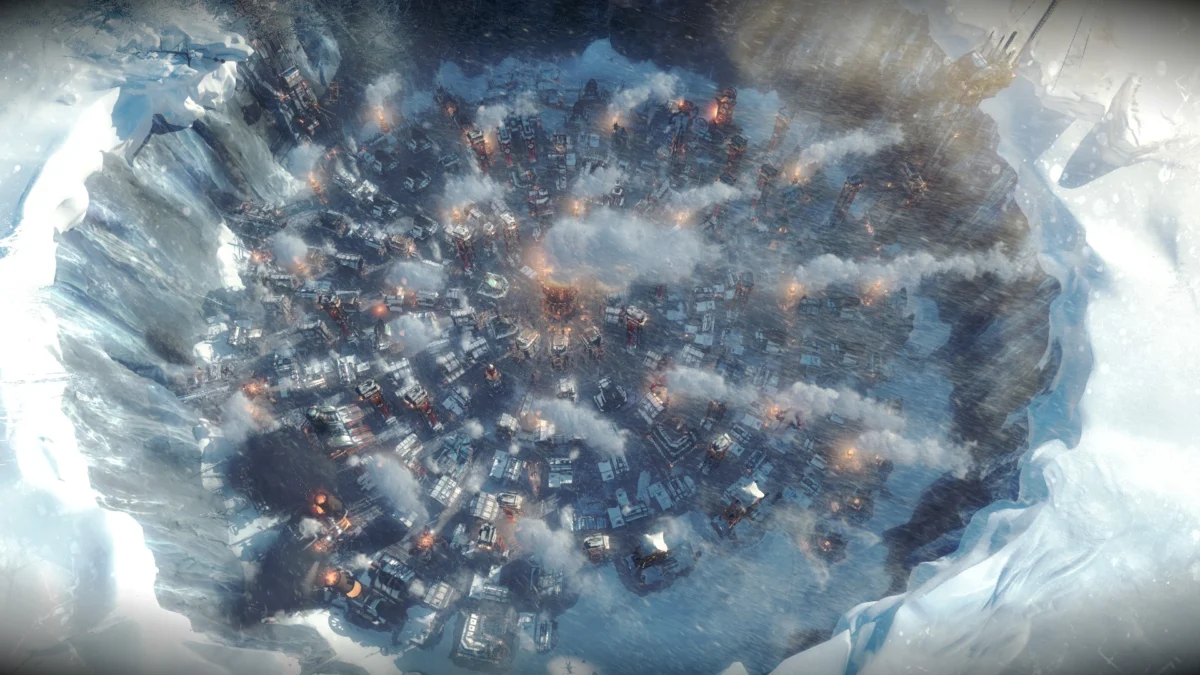
Video games have long moved past the simple binary of "win" or "lose." Since the mid-1980s, developers have sought to transform players from mere participants into moral agents. From the foundational ethics tests of Ultima IV to the modern, branch-heavy narrative engines of today, the "Big Decision" has become a cornerstone of the PC gaming experience. These moments—where the controller feels heavier in the hand and the pause menu becomes a place of existential dread—define our relationship with the stories we inhabit.
The Evolution of the Moral Compass: From Binary to Grey
The lineage of modern moral choice design can be traced back to 1985’s Ultima IV, which forced players to navigate a complex moral compass to prove their worthiness. However, the "Big Decision Era" truly gained momentum in 2003 with BioWare’s Knights of the Old Republic. Suddenly, the light side and dark side became the standard for interactive storytelling.
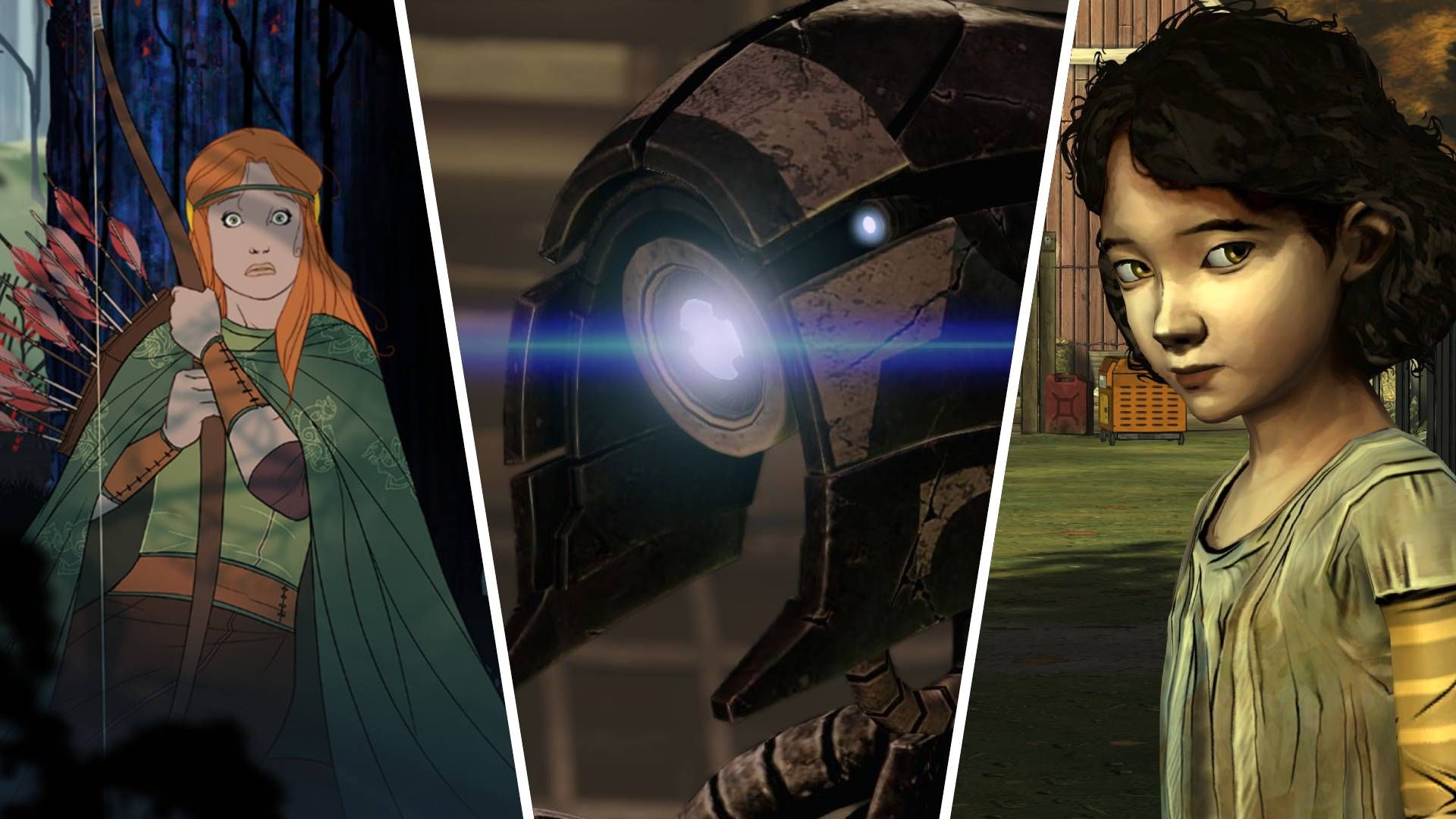
Yet, as the industry matured, so did its approach to morality. Early attempts, such as the cartoonish alignment systems in Fable or the simplistic "save or harvest" mechanics in BioShock, were often criticized for being too black-and-white. In many cases, these systems failed to provide a true dilemma, as the "good" path frequently offered superior mechanical rewards. However, developers eventually pivoted toward nuance. Studios like Telltale Games and BioWare (in their later iterations) mastered the art of the "no-win scenario," where every choice leaves a scar, regardless of its moral purity.
A Chronology of Consequence: Defining Moments in Gaming
The following selections represent the pinnacle of player-driven agony. These are not merely plot points; they are defining experiences that force the player to confront their own value systems.
Prey: The Trolley Problem in Deep Space
In Arkane Studios’ Prey, the player is trapped aboard the Talos I space station, fighting a losing battle against the Typhon—alien entities capable of mimicking inanimate objects. The game’s opening psychological test, which mirrors the classic philosophical "trolley problem," serves as a grim foreshadowing.
Midway through the game, the player discovers that the Advent—a shuttle carrying civilians—departed the station shortly before the infestation was fully identified. The player is presented with a button: destroy the shuttle to prevent a potential Earth-wide extinction event, or let it go and risk everything. There is no "hidden" reward for either choice. Instead, the game forces the player to conduct research, identifying the specific passengers on the ship, effectively turning an abstract ethical puzzle into a visceral, personal act of violence.
The Walking Dead: The Weight of Mentorship
Telltale’s The Walking Dead redefined how we perceive NPC relationships. As Lee Everett, the player is not just surviving; they are raising Clementine, an eight-year-old girl who watches every move you make.
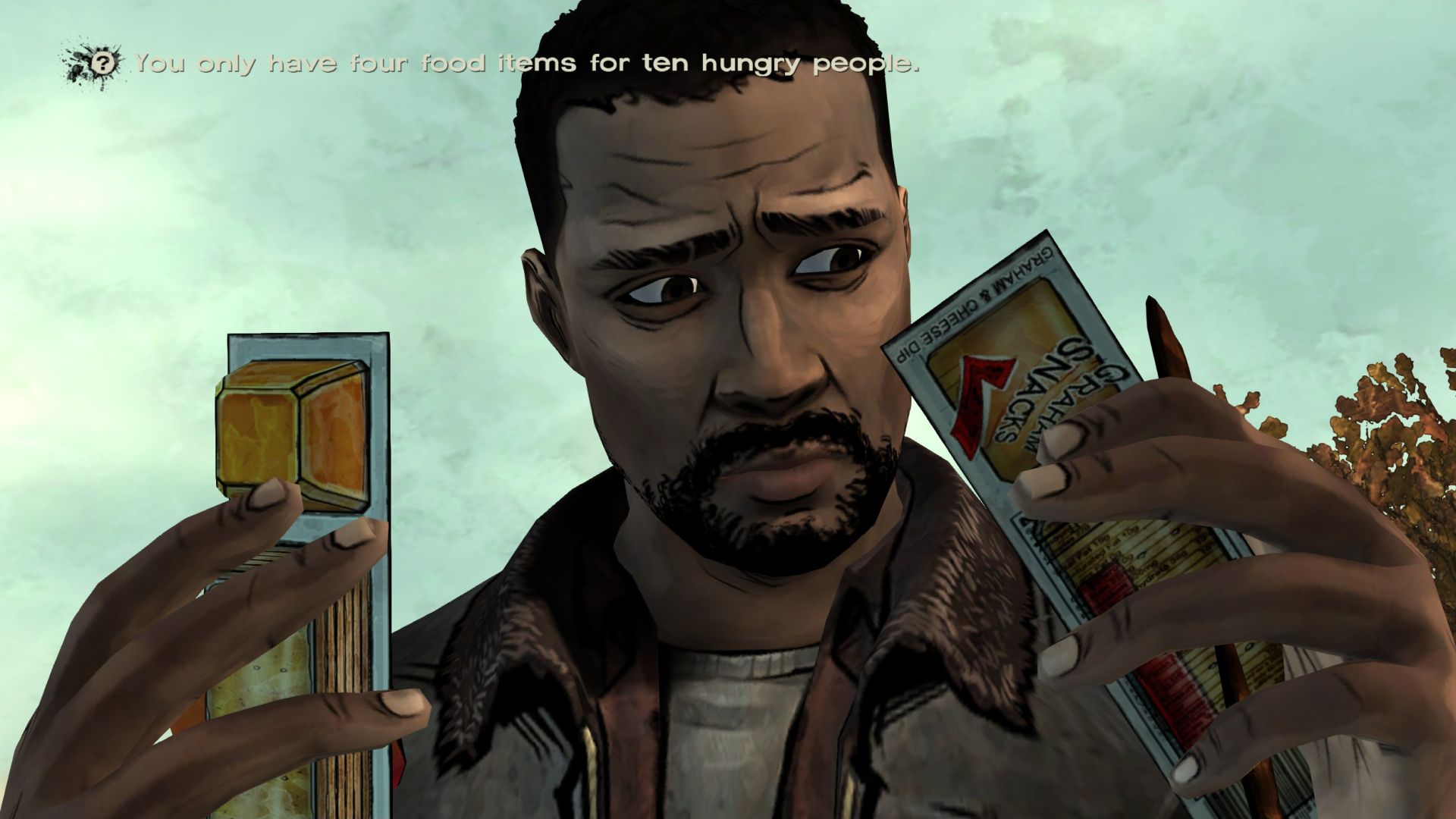
The most agonizing decision in the game is not a grand battle, but a domestic one: the distribution of limited food rations among ten hungry survivors. The choice is a masterclass in narrative pressure. You must weigh the utility of keeping combat-ready adults fed against the moral imperative of caring for the children. Knowing that Clementine is observing your selfishness or your generosity makes every distribution of food a test of character that reverberates through the rest of the season.
The Banner Saga: The Cost of Leadership
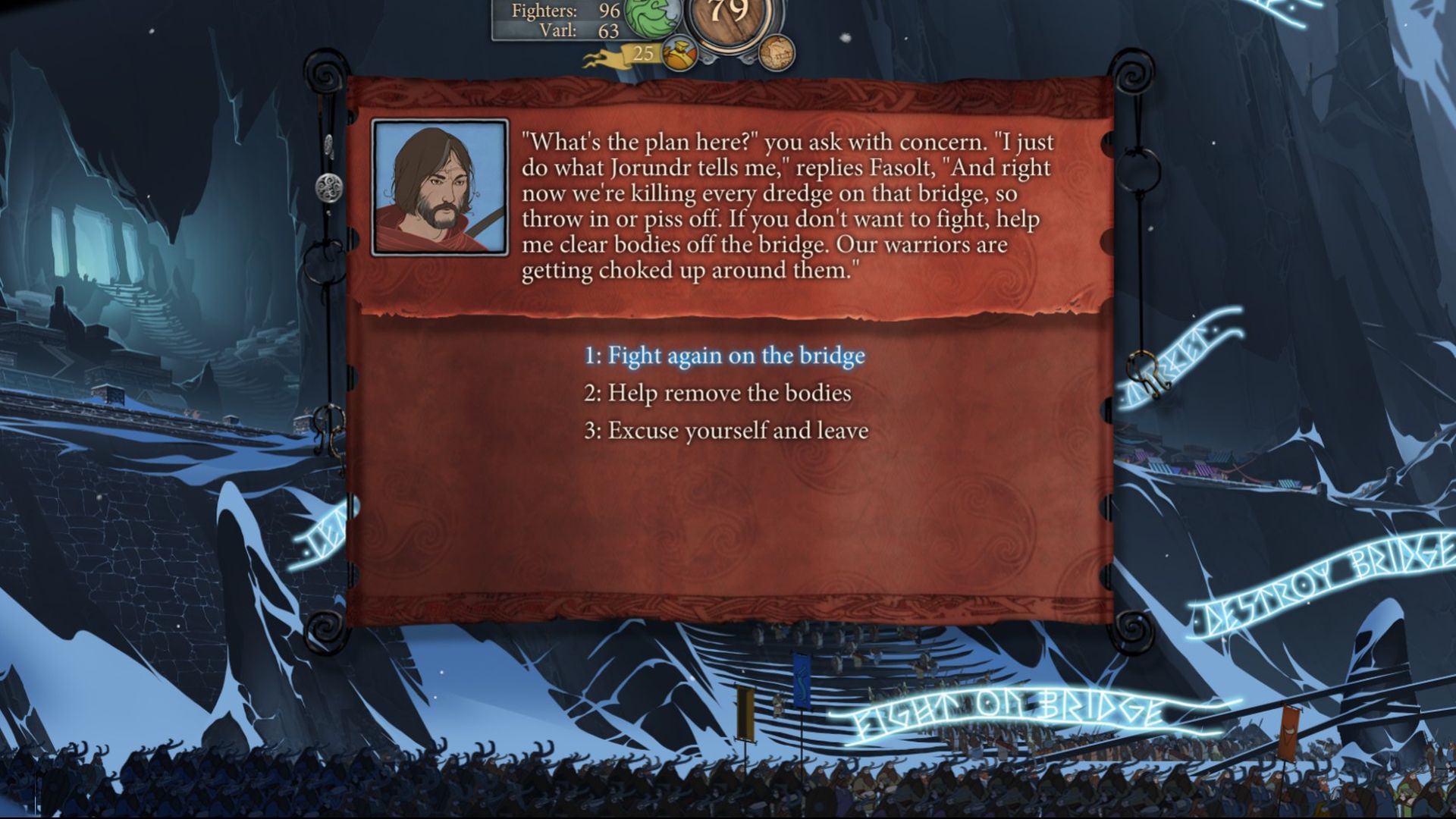
Mixing the travel mechanics of The Oregon Trail with the tactical depth of Final Fantasy Tactics, The Banner Saga is a game of attrition. The siege of Einartoft is perhaps the most stressful sequence in the trilogy. As the dredge army surrounds the city, the player must decide whether to defend the bridge, destroy it, or abandon the city entirely. These choices are not isolated; they are the culmination of hours of leadership. When the "wrong" choice leads to the death of a beloved companion you have protected for hours, the game cements the reality that in war, your best intentions are often insufficient.
Dishonored: The Illusion of "Good"
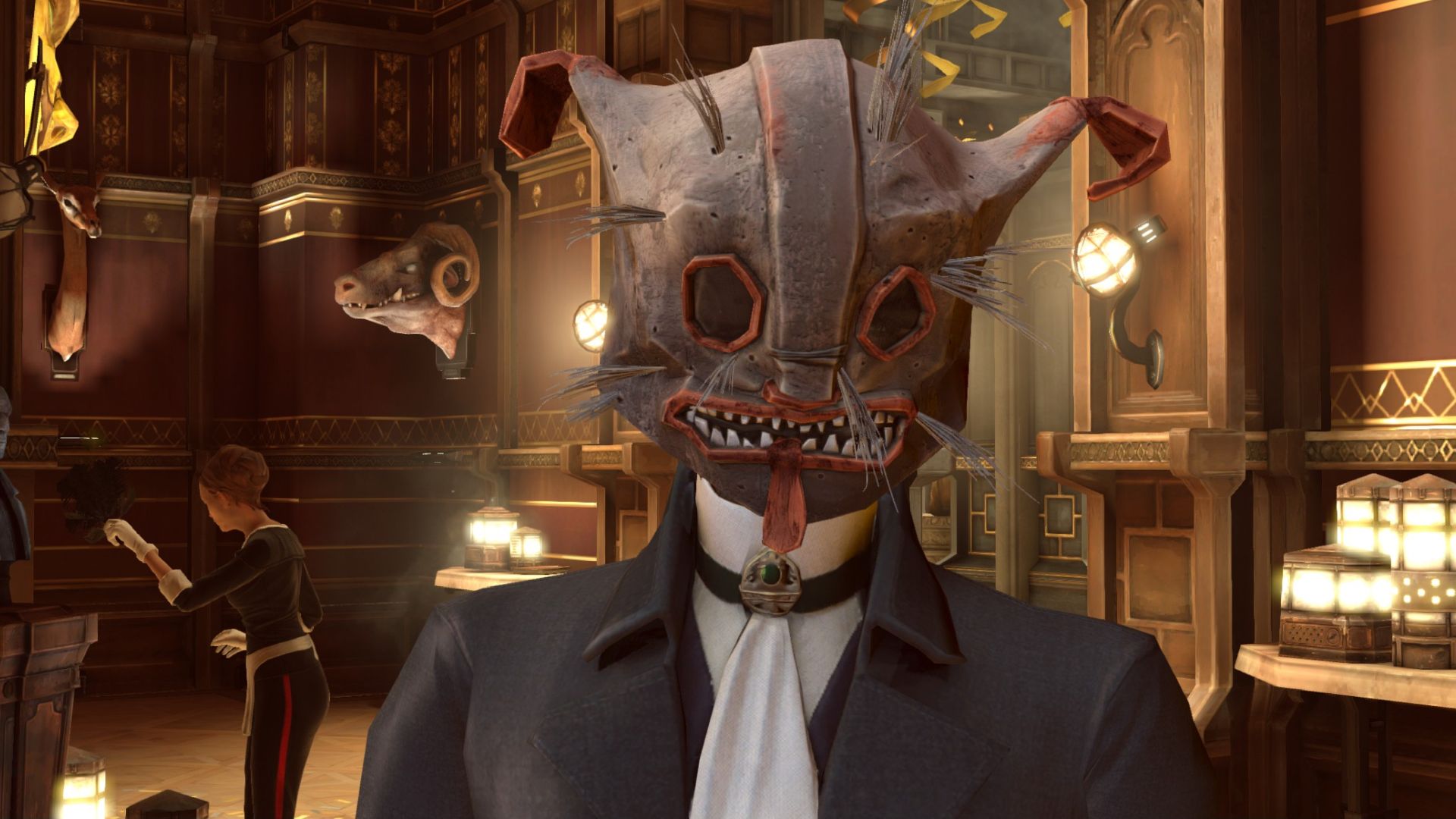
Dishonored utilizes a "Chaos" system that tracks the player’s lethality. High chaos results in a plague-ridden, darker world, while low chaos keeps the city of Dunwall cleaner. However, the "low chaos" path often forces the player to commit acts that are objectively more cruel than a quick assassination. Dealing with Lady Boyle, for instance, involves kidnapping her and delivering her to a stalker. The game cleverly forces the player to decide if they are motivated by the welfare of the world, or by the desire to keep their own hands clean—or at least, clean enough to keep their daughter’s drawings from becoming disturbing.
Mass Effect 2: The Heretic Geth
BioWare’s Mass Effect series famously moved away from simple "good vs. evil" dynamics in its sequel. The decision regarding the heretic Geth is a prime example. Rewriting their programming to make them peaceful is the "Paragon" choice, but it is fundamentally flawed, as it leaves the Geth susceptible to future Reaper influence. Destroying them is the "Renegade" choice, yet it is arguably the most logical, pragmatic decision for the long-term survival of the galaxy. It pits the player’s desire to be a "hero" against the harsh necessity of a military commander.
The Witcher 3: The Lesser of Two Evils
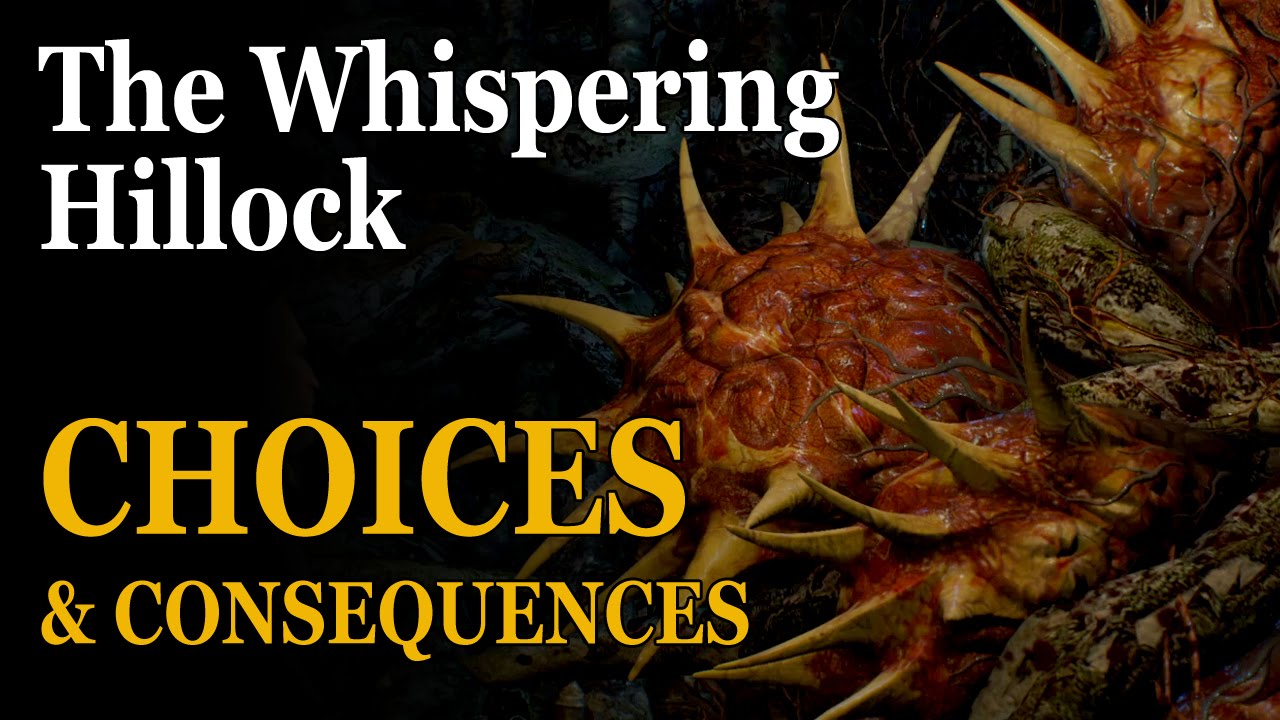
Geralt of Rivia is a professional monster hunter who constantly laments having to choose between two evils. The "Whispering Hillock" quest is his most definitive moment of frustration. The player must choose between a tree spirit and the "Ladies of the Wood." Freeing the spirit saves a group of orphans but leads to a chain reaction of tragedy, including the death of the Bloody Baron’s wife and the subsequent suicide of the Baron himself. Conversely, killing the spirit condemns the children to a gruesome fate. It is a choice where the "correct" outcome is impossible to achieve, perfectly capturing the grim, cynical nature of the Witcher universe.
Supporting Data: Player Trends and Decision Metrics
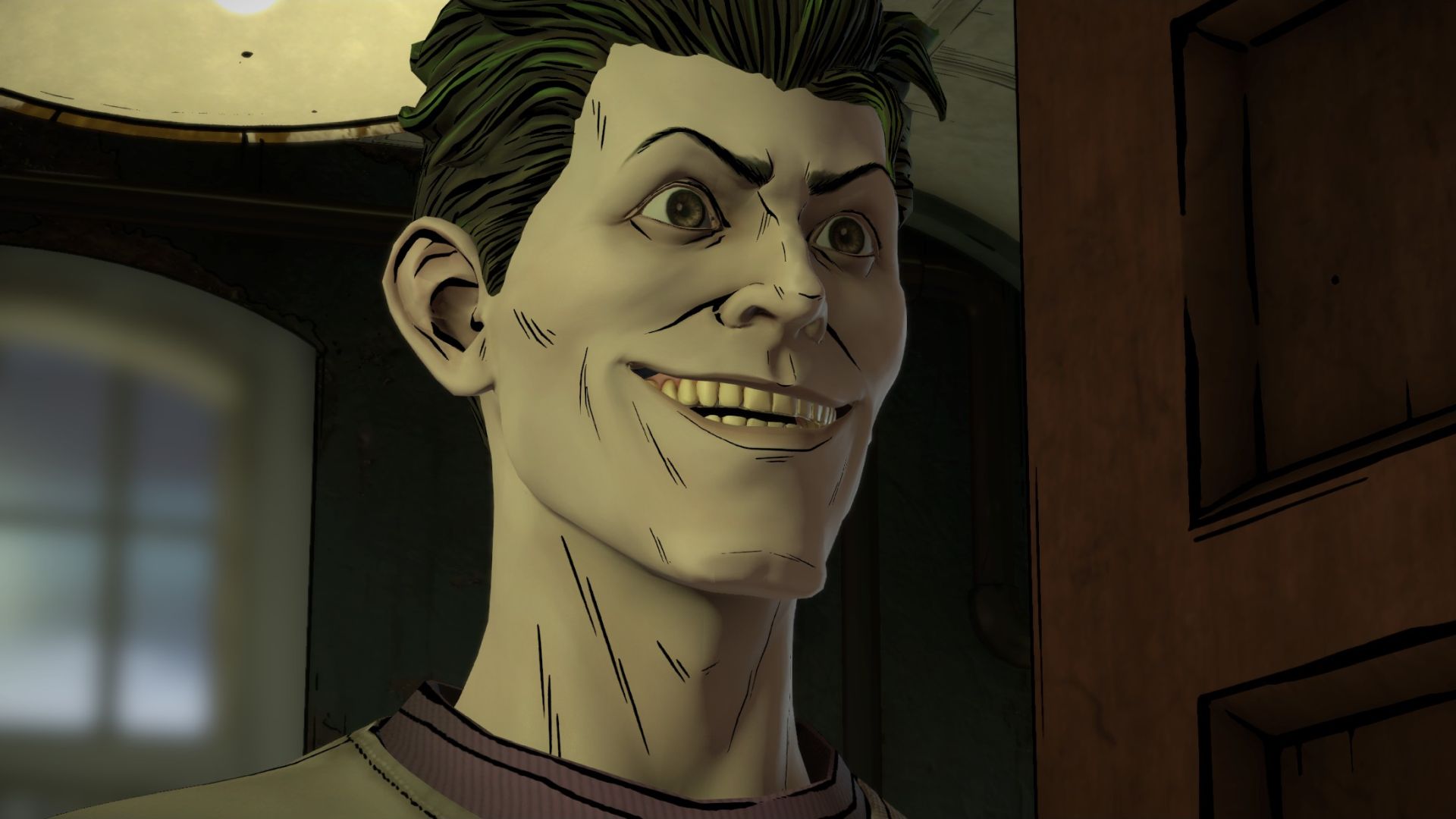
Data from Telltale Games’ own metrics for Batman: The Telltale Series highlights the fascination players have with these choices. In the game, players are asked whether they want to owe a favor to a pre-Joker "John Doe." The result was an almost perfect 49.5% to 50.5% split. This data confirms that players are not necessarily looking for the "right" answer, but rather a choice that aligns with their personal interpretation of the character’s journey.
Implications: Why We Choose
Why do we endure these moments of digital stress? The answer lies in the concept of "agency." In traditional media, we watch characters make mistakes. In gaming, the mistake belongs to us. When we reach the end of Dragon Age: Origins and decide the fate of the dwarven throne—choosing between the isolationist Harrowmont and the treacherous, yet progressive, Bhelen—we are not just playing a game. We are defining the social structure of a fictional nation.
Conclusion: The Lasting Impact
The "Big Decision" in PC gaming has evolved from a simple mechanical hurdle into a profound psychological engagement. By forcing us to sit with the consequences of our actions—whether it is the starvation of survivors in The Walking Dead or the ecological collapse of a wasteland in Fallout 3—these games ensure that the stories we play remain with us long after the credits roll. We are no longer just players; we are the architects of our own digital moralities.

