

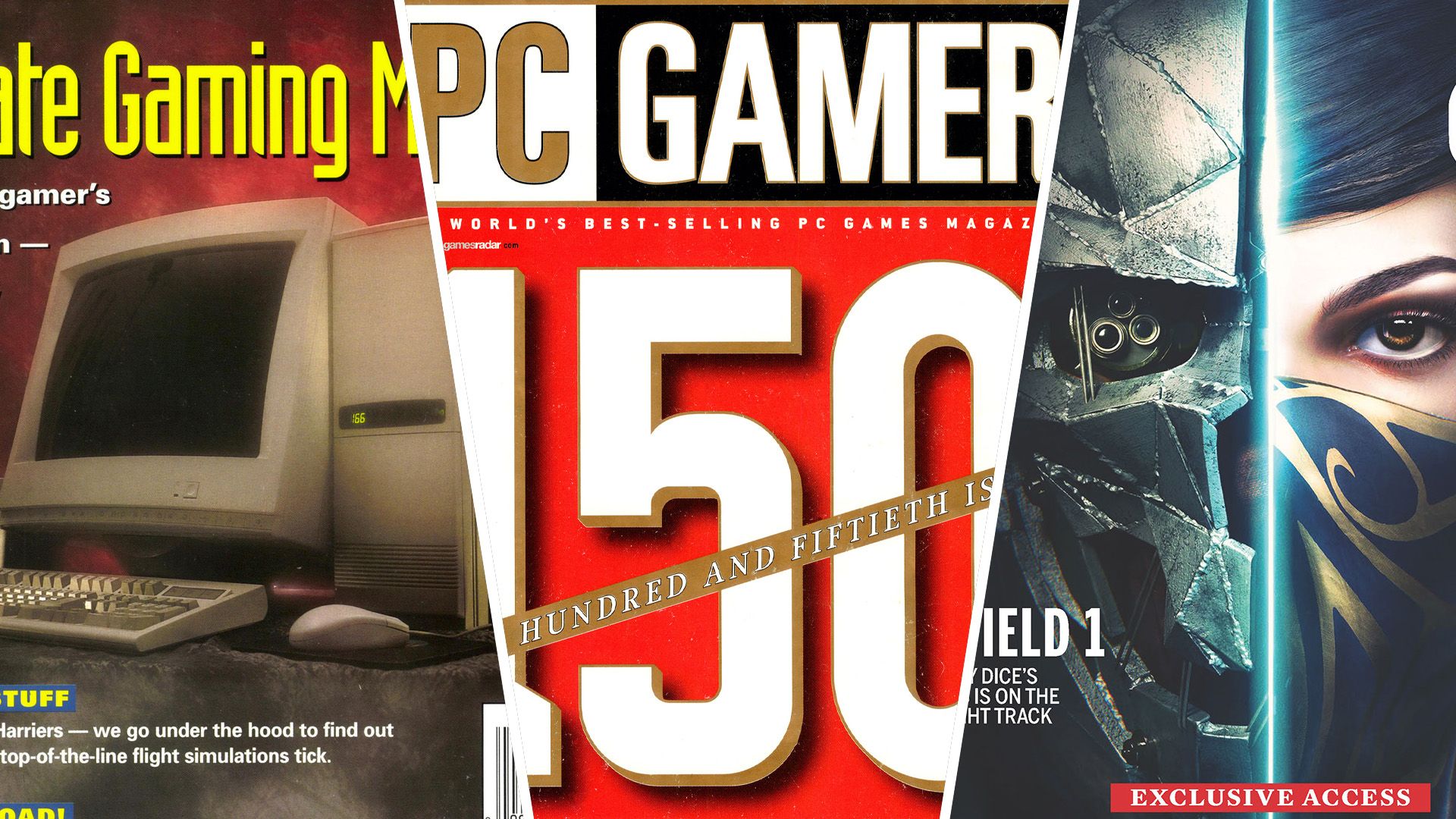
The phenomenon known as the "frequency illusion"—where once you learn about a concept, you begin seeing it everywhere—is a curious psychological quirk. For those of us digging through the archives of PC Gamer magazine, this illusion manifests in an unexpected way: the obsession with RAM. Whether we look at the issues from July 1996, 2006, or 2016, the industry’s fascination with memory persists. Given our current climate, characterized by what many industry analysts are calling the "RAMpocalypse," this fixation feels less like a coincidence and more like a permanent, foundational state of PC gaming.
Beyond the technical specs, these three snapshots in time offer a fascinating look at how the medium of PC gaming has evolved, matured, and occasionally stumbled. From the beige-box aesthetics of the mid-90s to the ambitious, if sometimes premature, promises of the VR revolution, the trajectory of the hardware and software we love is etched into these pages.
A Chronological Perspective: The Evolution of the PC Gaming Landscape
To understand where we are, we must look at where we started. The history of PC gaming is not merely a list of game releases; it is a story of shifting hardware paradigms, changing journalistic priorities, and the relentless march of technological progress.
July 1996: The Dawn of the "Ultimate Machine"
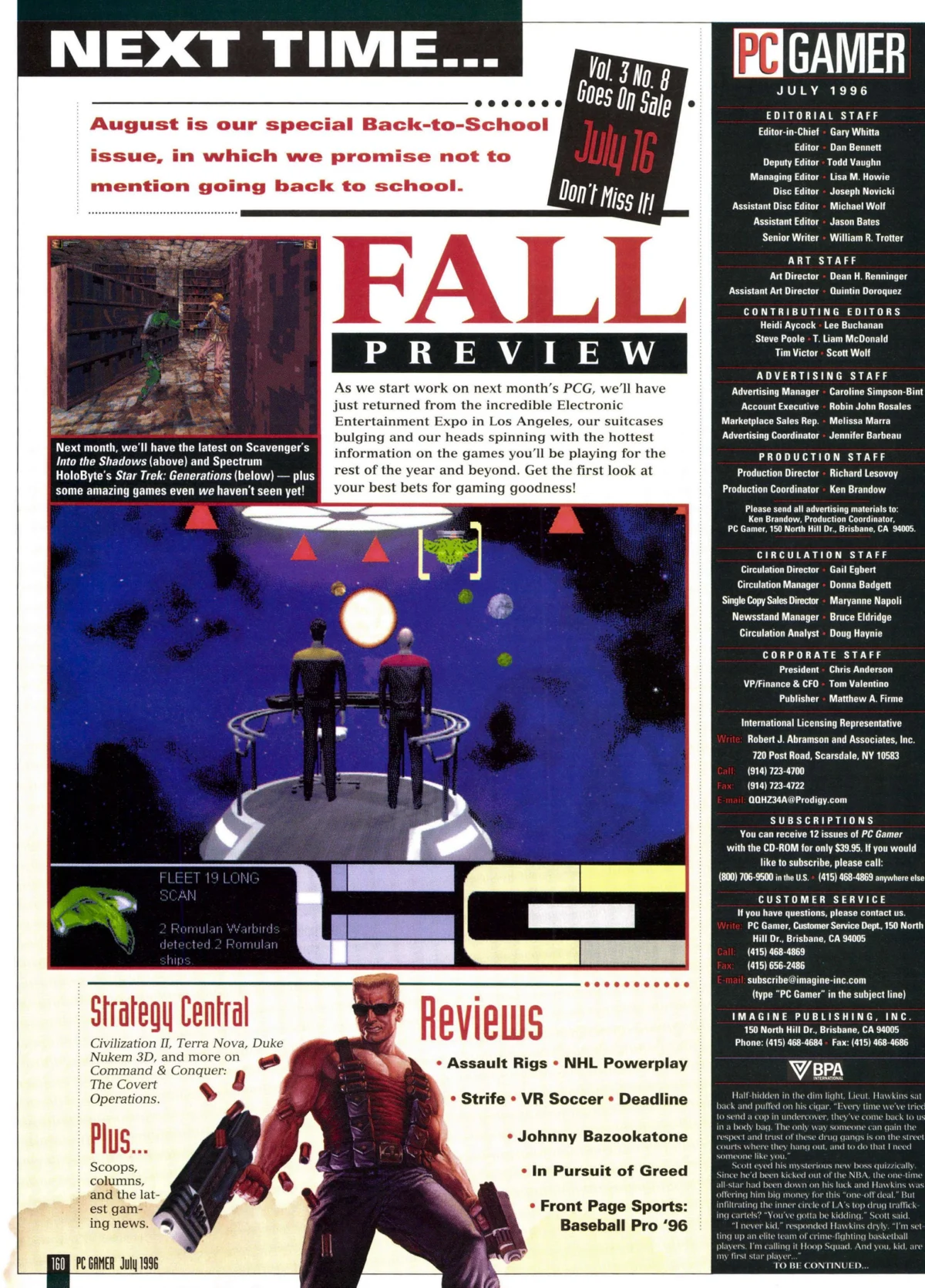
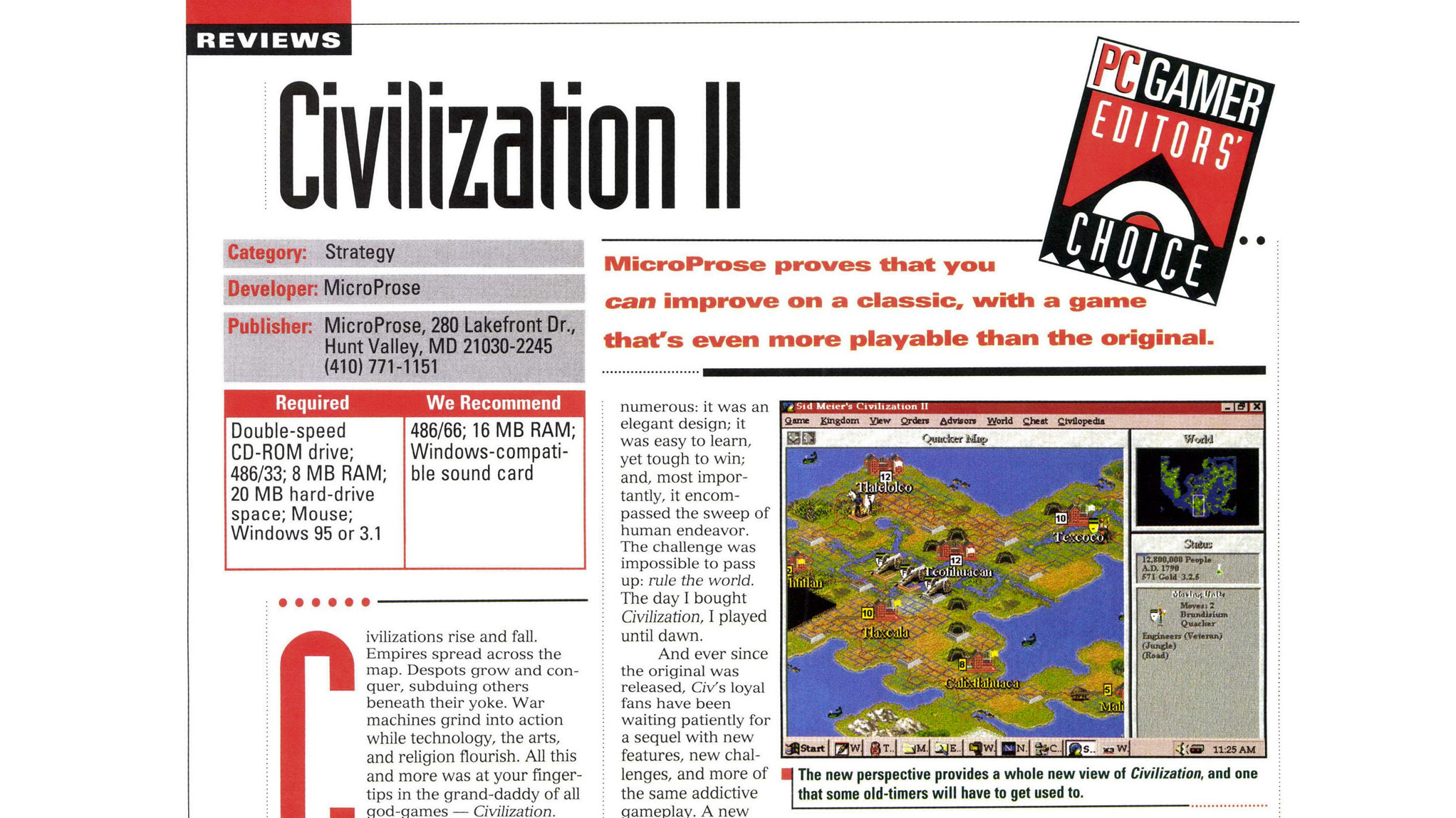
In July 1996, the cover of the US edition of PC Gamer (Issue #26) featured a photograph of a beige desktop computer. It is a striking image in hindsight, particularly because it took precedence over the review of a seminal title like Civilization II. At the time, however, the "Ultimate Gaming Machine" was the holy grail for enthusiasts.
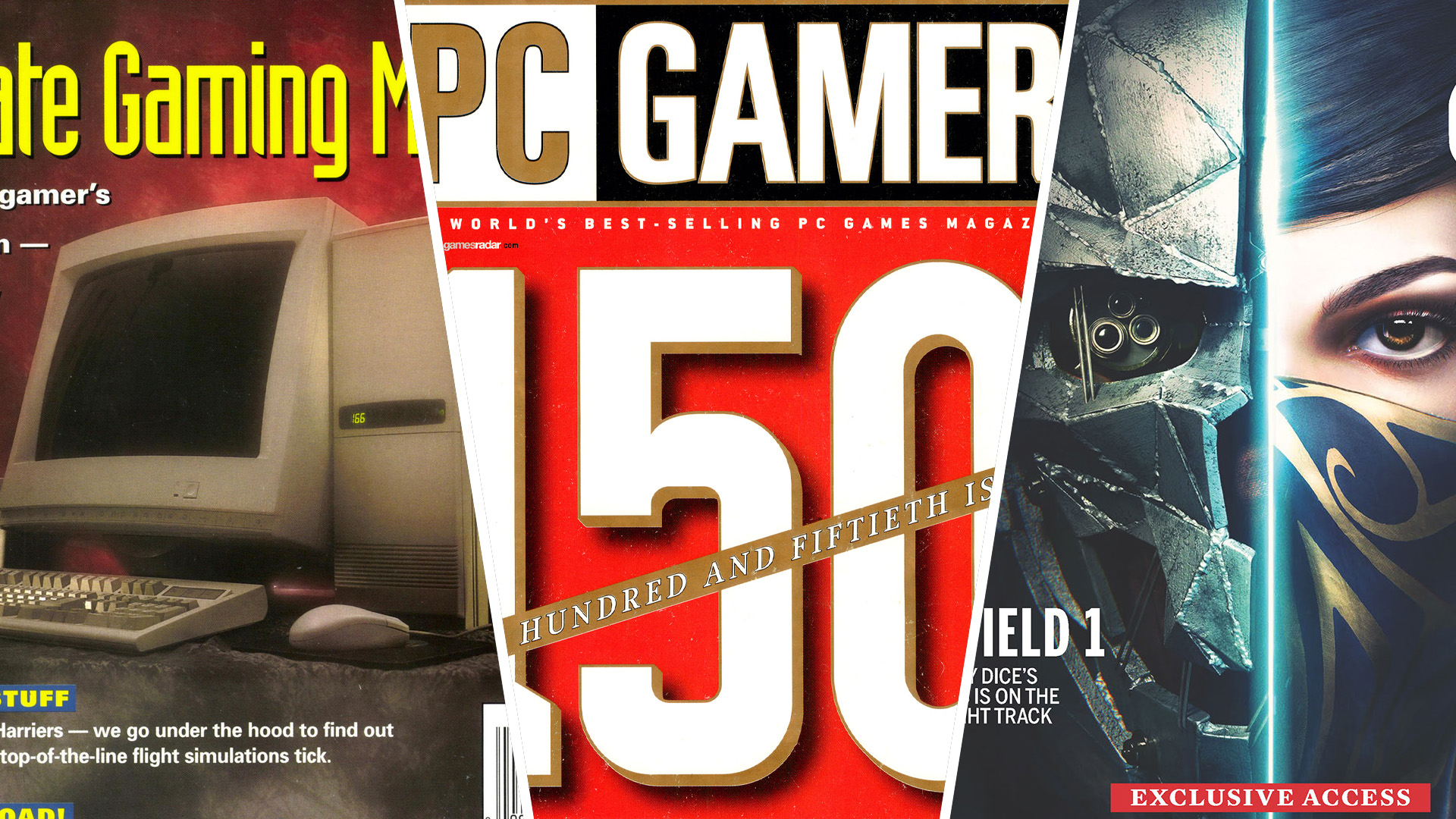
The magazine recommended a 166 MHz Pentium processor paired with 16 megabytes of RAM. While that sounds laughable today, it was the pinnacle of performance. The rig included a 1GB hard drive and a Super VGA card with 2-4 MB of VRAM. Connectivity was equally humble; a 28.8 kbps modem was the standard, and as author Dan Bennett noted, even simple web pages could take a minute to load. It was a time when "RAM Doubler" software was still being marketed to those who couldn’t afford physical upgrades—a desperate attempt to squeeze performance out of an increasingly demanding software market.
July 2006: The 150th Issue Milestone
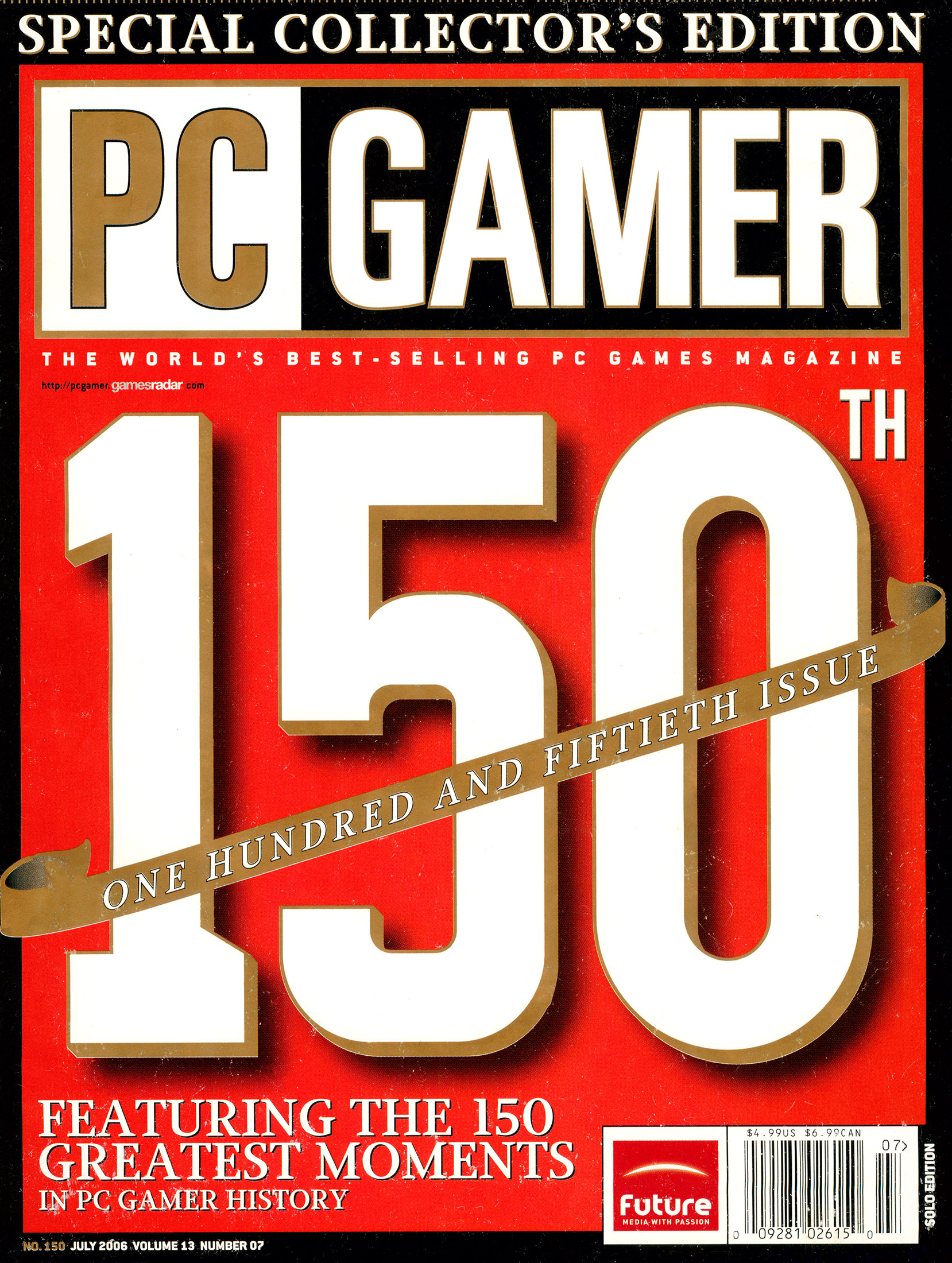
Fast forward a decade to July 2006, and the industry had undergone a seismic shift. The 150th issue of the US edition served as a retrospective, celebrating the magazine’s history. This was an era where the UK and US editorial teams were distinct, and the content reflected a more established, confident medium.

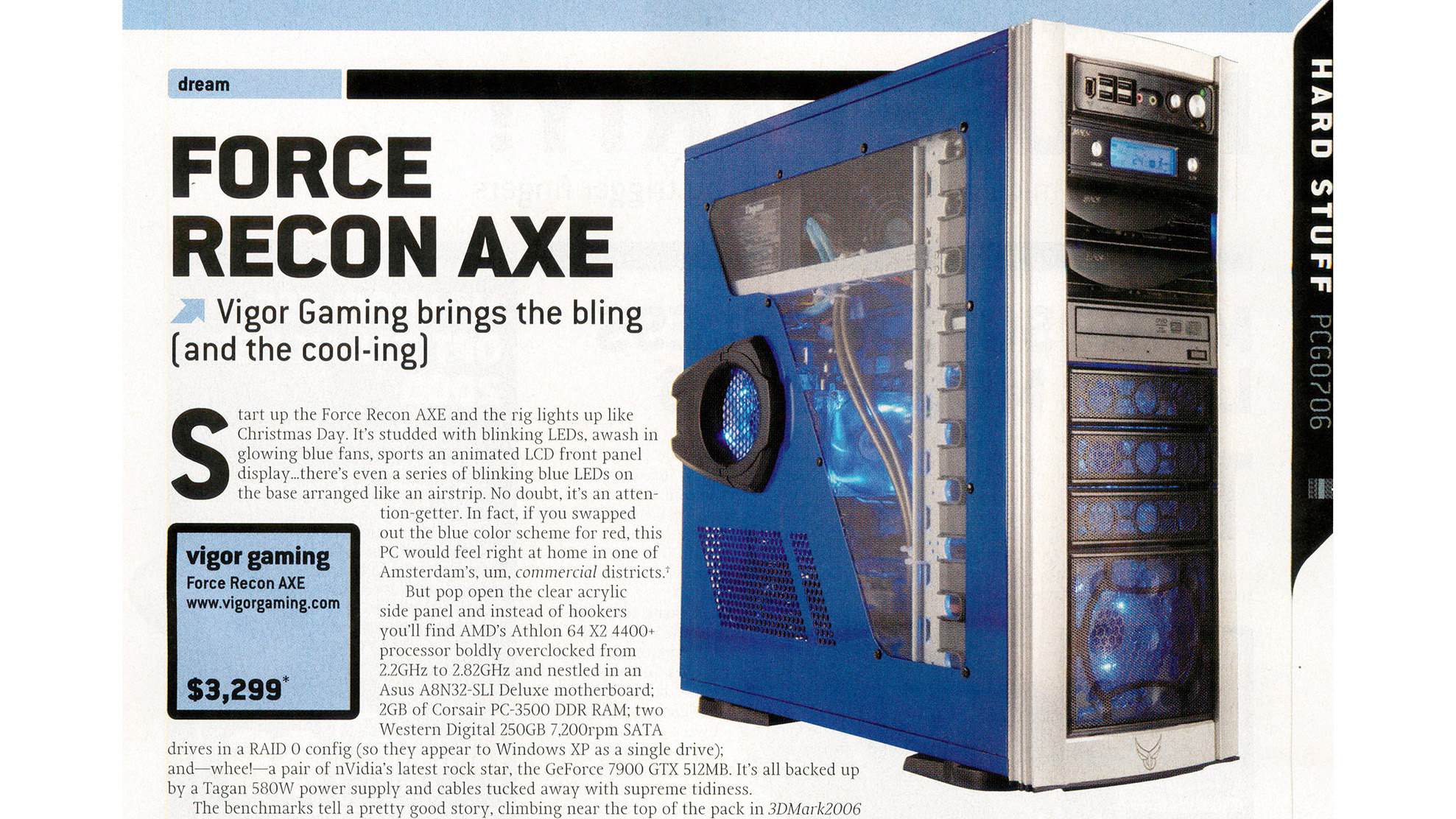
By 2006, the industry had survived the "Daikatana" era and was fully embracing the promise of massive RPGs. The issue highlighted the evolution of titles like Baldur’s Gate, which was rightly identified as a revolutionary step for role-playing games. Hardware had moved from the "beige box" era to the rise of specialized gaming systems, such as the Vigor Gaming Force Recon Axe, which utilized thermo-electric cooling to keep processors chilled.
July 2016: The VR Experiment
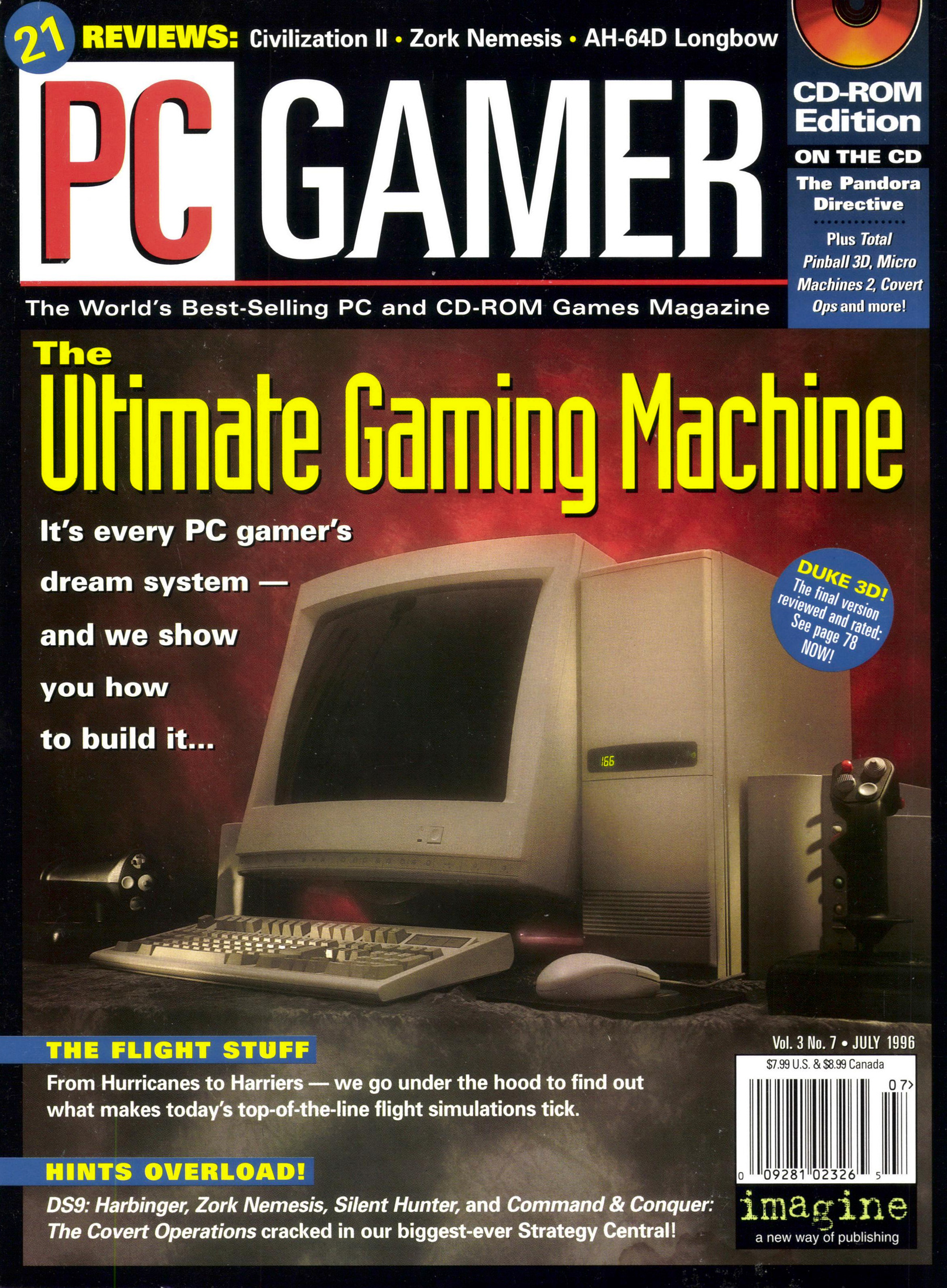
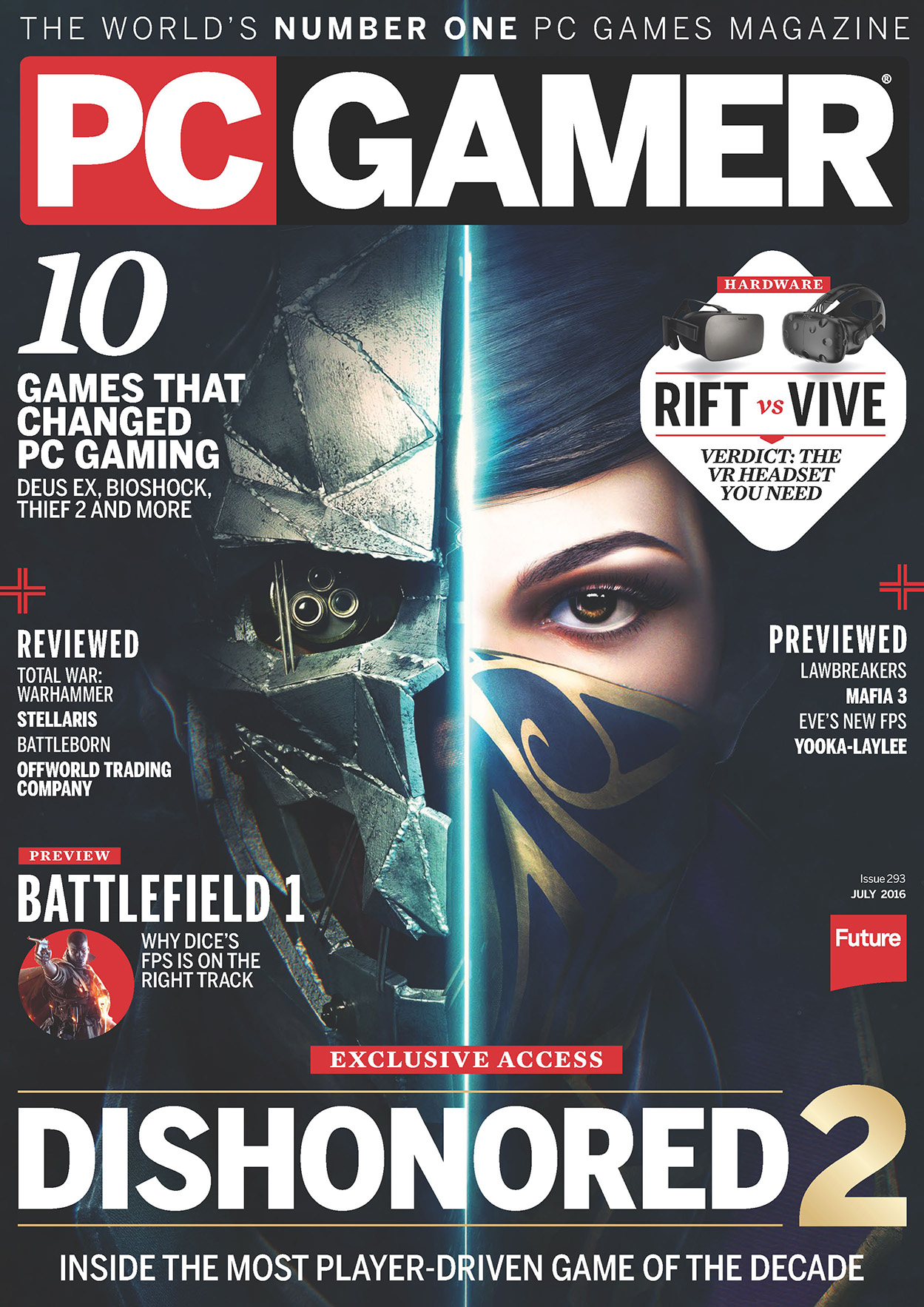
The July 2016 issue (#293, UK edition) provides perhaps the most poignant look at the "hype cycle." This issue featured extensive coverage of the launch of the Oculus Rift and the HTC Vive. It was the peak of virtual reality excitement, and the magazine devoted significant space to comparing the two headsets.
While the tech was undeniably impressive—with the HTC Vive earning high marks for its tracking and controller implementation—the following years revealed a hard truth: VR, while exciting, would not replace the traditional desk-and-monitor setup as the primary way we play games. It remains a powerful niche, but the initial expectation that it would fundamentally change the industry at large has been tempered by the realities of accessibility and long-term user comfort.
Supporting Data: Hardware, Trends, and Market Shifts
The data found within these archived issues serves as a barometer for the broader technology industry. In 1996, the focus was on the basic building blocks of a PC: CD-ROM speeds (8x was the gold standard) and the struggle for memory. By 2006, the conversation had shifted to dual-core processors and the customization of games via community-led configuration files, as seen in the tips provided for The Elder Scrolls IV: Oblivion.
In 2016, the data points were centered on the launch of Nvidia’s GTX 10-series. The GTX 1080, with its 8GB of GDDR5X VRAM, represented a massive leap in performance. This hardware was designed not just for high-resolution gaming, but to facilitate the rendering demands of the aforementioned VR headsets.
Comparing these eras highlights a consistent trend: the hardware is almost always designed to solve the problems of the previous generation while creating new requirements for the next. The "RAMpocalypse" we discuss today is simply the modern iteration of the memory constraints that plagued users in 1996 and 2006.
Official Perspectives: The Voices of the Industry
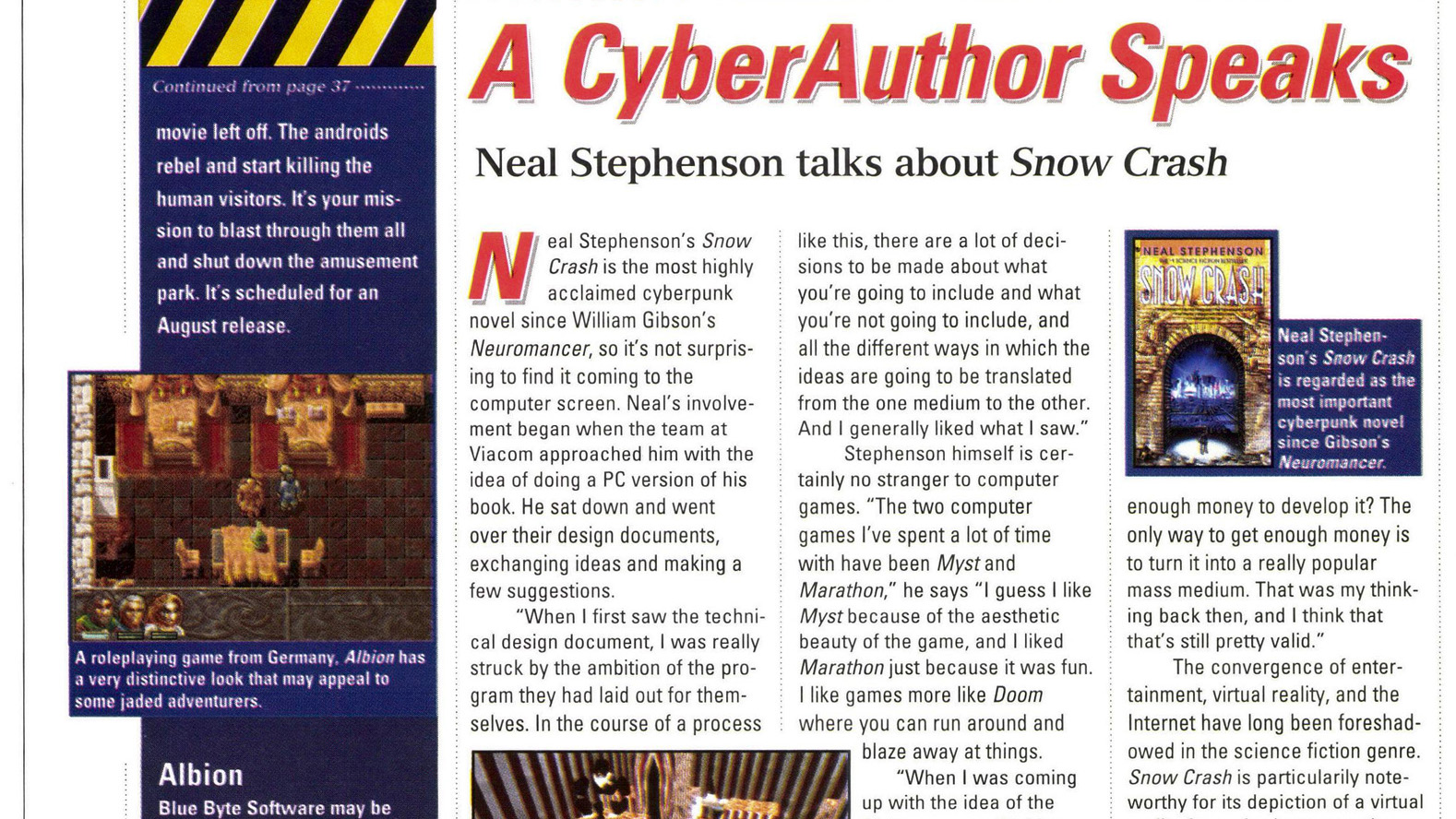
One of the most valuable aspects of these archives is the insight provided by the people who were shaping the industry in real-time. In 1996, authors were cautioning readers about the limitations of the internet, with warnings that even a 28.8k modem would struggle with modern web design.
In 2006, the magazine’s coverage was heavily influenced by the creators themselves. The 150th issue featured anecdotes from developers, including Trey Parker (a self-proclaimed PC Gamer reader), and highlighted the editorial team’s bold predictions. Some of these, like the success of Baldur’s Gate, proved prophetic. Others, like the early excitement surrounding certain multiplayer shooters, demonstrated the volatile nature of the industry.
The 2016 coverage of Dishonored 2 is particularly notable. Chris Thursten’s preview of the title was remarkably accurate, identifying it as a game that would define the future of the immersive sim genre. By interviewing lead designers like Harvey Smith, the magazine provided a roadmap for why the game would eventually succeed, offering a rare glimpse into the design philosophy that creates "timeless" games.
Implications: What These Archives Teach Us
What can we take away from three decades of PC Gamer? First, the hardware industry is cyclical. We are always hitting a "wall" of performance, whether it’s memory capacity in 1996 or VRAM limitations in 2016. The industry responds by innovating—creating better RAM, faster GPUs, or more efficient cooling systems.
Second, the "failure" of certain game styles is often just a matter of timing. LawBreakers, which was previewed with high hopes in 2016, was a technically competent and exciting arena shooter. Its struggles weren’t due to a lack of quality, but rather a shift in the gaming audience’s appetite. The difficulty of launching new multiplayer FPS titles remains a significant hurdle today, proving that even the most "correct" design choices can fail if they don’t resonate with the zeitgeist.
Finally, the archives remind us that gaming journalism is, at its heart, a historical record. When we look back at the reviews of Civilization II or the launch of VR, we aren’t just looking at games; we are looking at the hopes, dreams, and anxieties of the people who played them. We see the transition from dial-up modems to high-speed fiber, and from CRT monitors to 4K displays.
As we continue to navigate the complexities of modern gaming—from the integration of AI to the ongoing evolution of hardware pricing—we should keep these lessons in mind. The "frequency illusion" of RAM is a reminder that while the technology changes, the fundamental experience of being a PC gamer remains remarkably consistent. We want the best performance, the most immersive stories, and the thrill of the "ultimate" machine, regardless of the year on the cover. Whether it’s 1996 or 2026, the spirit of the hobby remains rooted in the pursuit of the next great digital frontier.

